
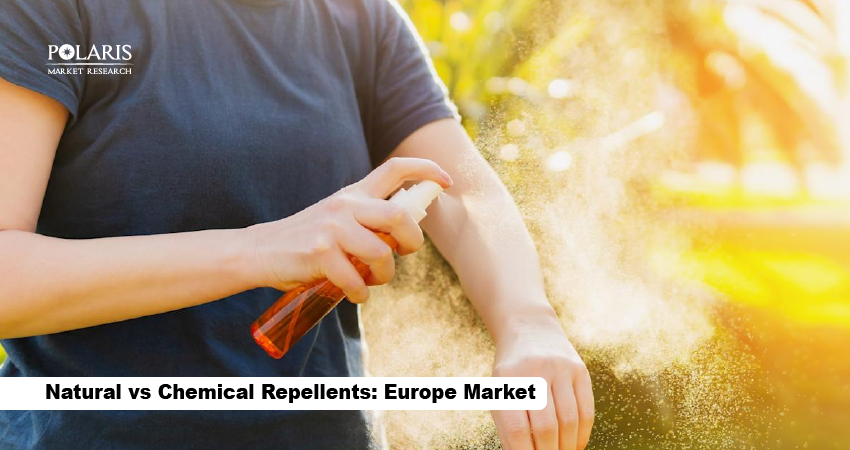
Mosquitoes may be small. But they can cause a lot of trouble. There are these annoying bites and the risk of disease in some areas. As such, people across Europe take mosquito protection seriously. Many households are also carefully considering which products to use. A common question is: are natural mosquito repellents better, or are chemical ones more effective?
This blog explains how natural and chemical repellents differ. It covers the benefits and limits of each type. It also details how consumers and the Europe mosquito repellent market are responding.
Natural Mosquito Repellents: Overview
Natural mosquito repellents are made from plant-based ingredients. These repellents use essential oils that mosquitoes don't like. They include citronella, eucalyptus, and peppermint. These oils don’t kill mosquitoes. Instead, they make it harder for them to detect humans.
Many people opt for natural repellents because they feel safer. Parents often prefer them for their children. They are also good for people with sensitive skin. Natural repellents are available in various forms. These include lotions, candles, and patches.
Chemical Mosquito Repellents: Introduction
Chemical mosquito repellents make use of active compounds. These compounds undergo years of testing to demonstrate their effectiveness. Two of the most well-known ingredients are DEET and picaridin. These ingredients are formulated to interfere with the ability of mosquitoes to sense human scent. They don’t kill mosquitoes but make it harder for them to land and bite.
Chemical repellents from the mosquito repellent market are available in various forms. They include sprays, wipes, creams, roll-ons, and aerosol cans. Chemical repellents are highly common. But some people have concerns about skin irritation or strong synthetic smells. In Europe, strict safety rules require careful testing of chemical repellents before they are sold.
Difference Between Natural and Chemical Repellents
Both natural and chemical repellents aim to stop mosquitoes. However, the way they work is different.
- Natural repellents give gentle protection for light mosquito exposure. They use plant scents that fade quickly. So, they need to be reapplied often. Natural repellents are suitable for short outdoor use. They also go well with people who prefer avoiding strong chemicals.
- Chemical repellents provide longer-lasting protection. They work well in areas with many mosquitoes. This makes them suitable for outdoor workers and travelers. Individuals spending a long time outside also use them.
- Another difference is in how these repellents feel on the skin. Natural oils feel light but may not go well with people allergic to certain plants. Chemical repellents may feel stronger. But they usually perform reliably in all conditions.
Safety Considerations for Both Types
Safety is a key concern, especially for families that have kids or pets.
Natural repellents are usually safe when applied properly. Dilution of essential oils is required, as high concentrations may cause mild skin irritation. Direct application of natural repellents on babies under six months isn’t advised by experts. Instead, protective clothing or mosquito nets are recommended.
European authorities are responsible for testing and approving chemical repellents. There are clear instructions on the usage frequency. Correct use of chemical repellents makes them safe for adults and children. Infants, though, may need gentler formulas.
Natural and chemical repellents should only be applied to exposed skin. And not on cuts or wounds. It’s also important to wash hands after applying. Rising awareness means more consumers across Europe follow these tips.
Europe Mosquito Repellents Market Metrics
The global Europe mosquito repellent market was valued at USD 6.52 billion in 2024 and is expected to reach USD 12.48 billion by 2034, growing at a CAGR of 6.5% from 2025 to 2034.
Factors Influencing Consumer Preferences in Europe
Lifestyles: Most Europeans are after healthy and 'green' products. They prefer products with natural active ingredients. For this reason, natural repellents are gaining popularity. They also like products with recyclable packaging.
Climate Conditions: Weather conditions affect the choices that people make. Summers in Southern Europe are hot and long. As a result, the region has more mosquitoes, and people often choose chemical repellents. The mosquito season in Northern Europe is shorter, and natural repellents work fine.
Travel Behavior: People who travel to many areas often choose chemical repellents. They offer stronger and longer protection. This is important in high-risk places. Travel guides and safety tips also suggest the use of chemical options for better defense.
Skin Sensitivity: Some people have sensitive skin. So, they prefer natural repellents as they are gentler. Natural products may wear off faster. But they are less likely to cause irritation. Families with children often choose plant-based options.
Marketing and Awareness: Marketing plays a big role in what people buy. Companies in the Europe mosquito repellent market that promote natural and eco-friendly ingredients attract many customers. Social media and influencers also make natural repellents more popular.
Household Composition: The type of household matters as well. Families with younger children often opt for gentle and natural repellents. Households that spend a lot of time outside may choose chemical ones as they last longer.
Conclusion
Choosing between natural and chemical repellents depends on what a person wants. It is also based on how the protection should be. Natural repellents are soft for good, everyday use. Chemical repellents last longer and work better in places where mosquitoes are. People in Europe use both types because each one fits different situations. As health and safety become more important, companies in the Europe mosquito repellent market are focusing on making improved products.