

Overview
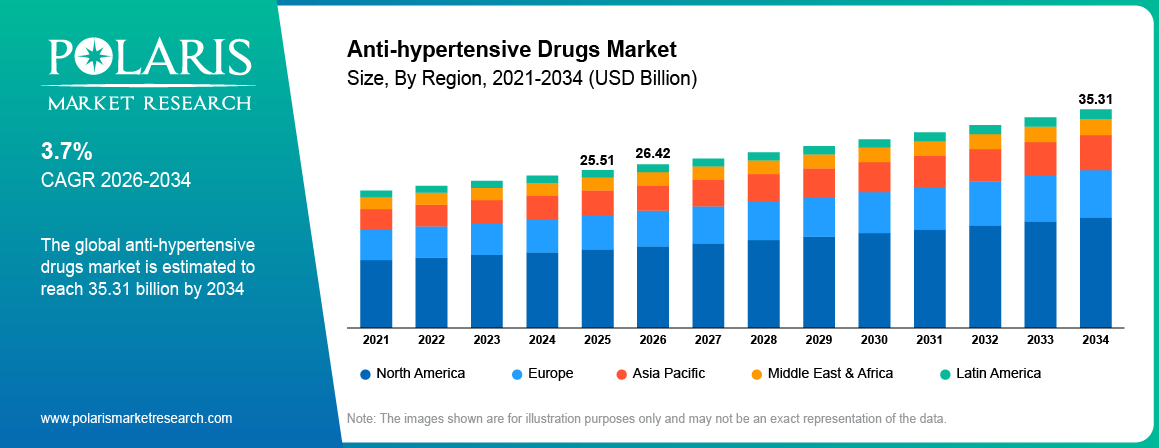
The global anti-hypertensive drugs market is estimated around USD 25.51 Billion in 2025, with consistent growth anticipated during 2026–2034. Expansion is supported by rising global hypertension prevalence, increasing cardiovascular disease burden, and growing aging population globally. The market is projected to grow at a CAGR of 3.7% during the forecast period.
Key Takeaways:
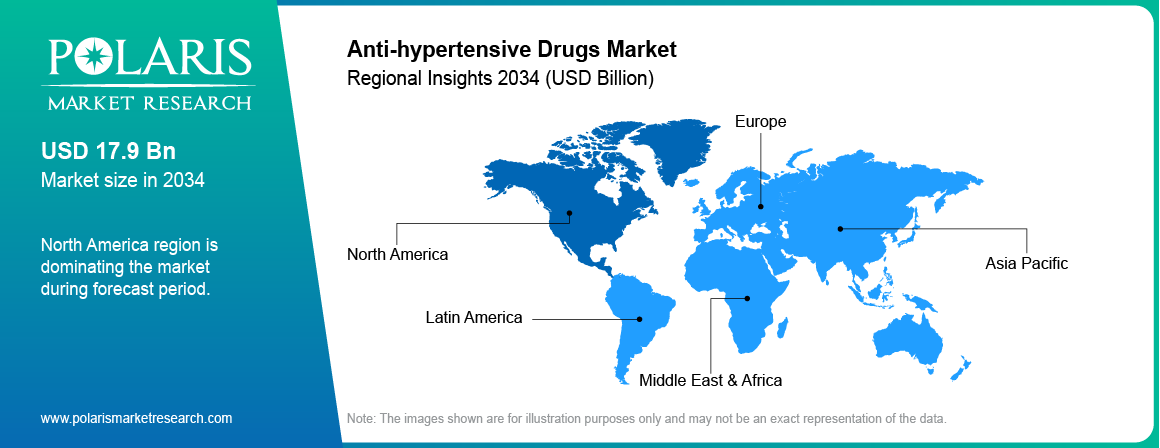
- North America accounted for the largest regional share of around 41.5% in 2025, driven by high diagnosis rates, advanced treatment accessibility, and strong healthcare infrastructure supporting hypertension management.
- By Drug Class, ACE Inhibitors segment accounted for the largest share of approximately 29.8% in 2025, supported by established clinical use and strong efficacy in managing hypertension and heart failure.
- By Drug Class, Angiotensin II Receptor Blockers segment is projected to grow at a CAGR of 6.7%, driven by better tolerability, fewer side effects, and increasing physician preference over traditional therapies.
- By Distribution Channel, Retail Pharmacy segment accounted for the largest share of around 62.4% in 2025, driven by consistent prescription refills and widespread accessibility for chronic disease management.
- By Distribution Channel, Online Pharmacy segment is projected to grow at a CAGR of 7.3%, driven by rising adoption of digital healthcare platforms and increasing preference for convenient medication delivery services.
Market Statistics
- 2025 Market Size: USD 25.51 Billion
- 2034 Projected Market Size: USD 35.31 Billion
- CAGR (2026-2034): 3.7%
- North America: Largest market in 2025
Industry Dynamics
- Increase in global hypertension incidence rates fuels the demand for long-term antihypertensive pharmacotherapy in various healthcare settings.
- Rapid population aging fuels cardiovascular disease incidence rates and expands the potential patient population for chronic blood pressure management.
- Established antihypertensive drugs face generic competition and patent expiry-induced price pressure.
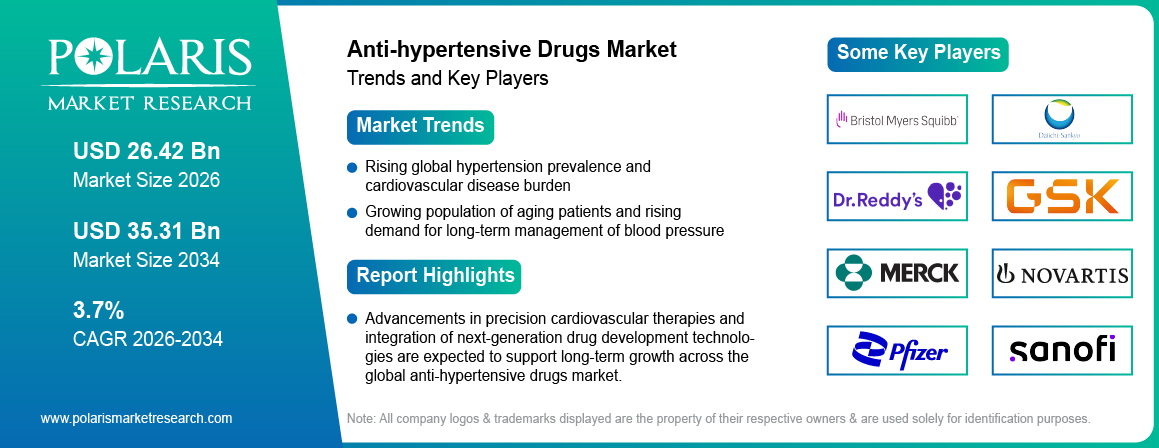
- Advances in precision medicine, targeted therapies, and RNA-based drug development create new opportunities in resistant hypertension treatment.
What is included in the Anti-hypertensive Drugs market?
The anti-hypertensive drugs market is considered to be a significant therapeutic market for cardiovascular pharmacology propelled by a substantial and increasing population worldwide. Anti-hypertensive drugs market is driven by the continuous need for pharmacological treatment of chronic hypertension in hospital, outpatient, and homecare settings. The anti-hypertensive drugs market comprises different drug categories such as ACE inhibitors, angiotensin receptor blockers, calcium channel blockers, beta blockers, and diuretics, which are used to control and manage hypertension and thereby reduce the risk of heart disease and stroke.
Market expansion is strongly influenced by rising hypertension prevalence, aging populations, and expanded screening programs that accelerate diagnosis rates. The blood pressure medication market growth trajectory is further supported by widespread availability of generic formulations, which improve treatment affordability while expanding access in emerging healthcare systems.
To Understand More About this Research:Request a Free Sample Report
Increasing pharmaceutical manufacturing capacity, treatment accessibility, and combination regimens are contributing factors to the anti-hypertensive drugs market forecast 2034. This places the anti-hypertensive drugs market in a stable and high-volume market for cardiovascular medications.
Drivers & Opportunities
Rising global hypertension prevalence: The increasing number of patients with hypertension worldwide is fueling the demand for antihypertensive medications. The World Health Organization’s Global Hypertension Report states that in 2024, there are 1.4 billion people living with hypertension worldwide. However, only slightly more than one in five of those patients have their condition under control. The growing number of diagnosed patients and increasing awareness of cardiovascular risks is propelling market growth in fixed-dose combination antihypertensive drugs and other cardiovascular medications.
Aging population impact: The rising aging population is fueling the need for antihypertensive medications, which are used for treating cardiovascular diseases. The UN has projected that by the late 2070s, there is a potential for the global population to rise to 2.2 billion people aged 65 and older, more than the number of children aged 18 and younger. The aging population is more prone to suffering from cardiovascular diseases such as hypertension, heart disease, and stroke. This is fueling the growth and adoption of long-term pharmacotherapy for developed and emerging markets for cardiovascular drugs.
Restraints & Challenges
Generic price erosion: The presence of generic anti-hypertensive drugs alternatives is leading to price erosion for pharmaceutical drugs. Patent expirations and high generic drug competition are reducing revenue potential for pharmaceutical companies. While generics are increasing treatment and medication adherence rates, price erosion is affecting pharmaceutical companies' profit potential for incremental drug innovation.
Opportunity
Precision medicine and next-generation therapies: Precision medicine and next-generation therapies provide new opportunities in the resistant hypertension market. The Lancet, in February 2026, published a study indicating new approaches in hypertension treatment, which include small interfering RNA therapy. This targets the production of angiotensinogen, and aldosterone-targeting therapy. The integration of AI-powered drug discovery hypertension platforms is expected to accelerate the development of new treatments, providing long-term opportunities in the growth of new cardiovascular treatments.
Segmental Insights
This report offers detailed coverage of the anti-hypertensive drugs market by drug class, therapy model, hypertension type, distribution channel to help readers identify the fastest expanding and most attractive demand segments.
By Drug Class
-
ACE Inhibitors Market
The ACE inhibitors market accounts for the largest share in cardiovascular therapeutic segmentation due to long-standing clinical adoption and strong physician familiarity. However, ACE inhibitors are still widely used in the management of hypertension in patients with diabetes, heart failure, and renal disease.
-
Angiotensin II Receptor Blockers (ARBs) Market
The ARBs market is growing significantly, and it is preferred to treat patients with these drugs when they are unable to tolerate ACE inhibitors. Angiotensin II receptor blockers market trends indicate that these drugs are increasingly used due to their increased tolerability and reduced side effects in the form of cough.
By Therapy Model
-
Monotherapy
Monotherapy is dominating the anti-hypertensive drugs market in terms of market size. Most patients are prescribed a single class of drugs when first diagnosed with hypertension to assess their therapeutic response and tolerance. Treatment guidelines are still in favor of using monotherapy in the initial stages of hypertension.
-
Combination Therapy
Combination therapy hypertension market growth is accelerating due to increasing prevalence of uncontrolled and resistant hypertension. Fixed dose combination hypertension drugs and triple combination therapy regimens enable the simultaneous targeting of multiple blood pressure pathways.
By Hypertension Type
-
Primary Hypertension Drugs Market
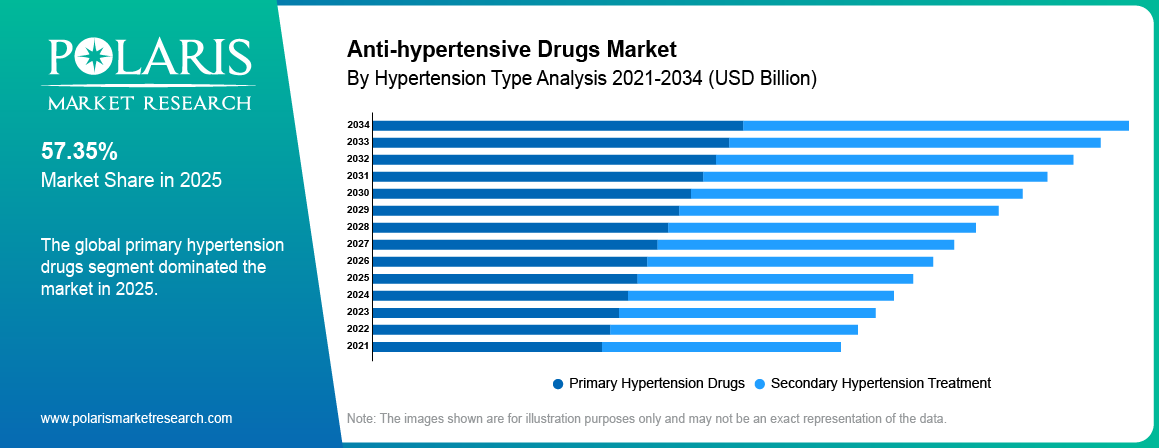
Primary hypertension drugs held the largest market share due to the large number of cases of essential hypertension worldwide. Most patients suffering from increased blood pressure fall under this category.
-
Secondary Hypertension Treatment Market
Secondary hypertension treatment is growing with advances in detection of hypertension and its associated causes such as endocrine disorders and kidney diseases. Targeted treatment approaches are increasing in specialized clinical settings. Primary vs secondary hypertension drug demand analysis indicates rising screening efforts are contributing to higher diagnosis and treatment rates.
By Distribution Channel
-
Retail Pharmacy Hypertension Drugs
The retail pharmacy antihypertensive drug sales segment registered the highest market share in terms of distribution. Retail pharmacies are the primary source of distribution for long-term hypertension medications. Patients regularly refill their prescriptions from retail pharmacies for convenience and ease of access.
-
Online Pharmacy Blood Pressure Medications
The online pharmacy cardiovascular drug market is growing at a high rate due to the increasing number of digital health services. Patients are increasingly using online services for convenience in refilling their chronic medications.
Regional Analysis
North America Anti-Hypertensive Drugs Market Assessment
The North America antihypertensive drugs market remained structurally dominant, due to high diagnosis rates, a well-structured reimbursement system, and a well-developed healthcare system in the US and Canada. According to the Centers for Disease Control and Prevention, nearly 48% of US adults had hypertension during August 2021–August 2023, with prevalence exceeding 70% among individuals aged 60 years and older. This large patient group sustained long-term pharmacological therapy need in primary and specialist cardiology settings. Stable reimbursement systems and treatment guidelines have also contributed to this trend, which has influenced the US market size, within a highly organized healthcare system.
Asia Pacific Anti-Hypertensive Drugs Market Insight
Asia Pacific represented the fastest-growing region as expanding healthcare access and rising chronic disease prevalence increased treatment demand. Investment in government healthcare infrastructure and insurance schemes increased patient accessibility to long-term cardiovascular treatment. India’s public expenditure in the healthcare sector is estimated to be 1.9 percent of GDP in FY26. These trends have sustained hypertension diagnosis and expansion within hospital and community settings, along with affordable antihypertensive therapy to large patient groups. The region’s expanding treatment coverage and demographic shifts intensified the chronic disease burden APAC, reinforcing the trajectory of the Asia Pacific fastest-growing antihypertensive drug markets.
Europe Anti-Hypertensive Drugs Market Overview
The Europe antihypertensive drugs market advanced through established primary care prescribing pathways and structured disease management programs. Physicians began to favor combination therapy regimens to ensure patient compliance and long-term control of blood pressure. National healthcare systems also focused on adherence to guidelines in prescription practices through adherence monitoring programs, thus increasing prescription continuity. These frameworks supported steady demand within markets such as the UK market size 2024, forecast 2033, where integrated care models reinforced preventive cardiovascular management and optimized medication compliance.
Latin America Anti-Hypertensive Drugs Market Assessment
The Latin America antihypertensive market expanded as healthcare systems improved chronic disease management capabilities and retail pharmacy networks broadened medication accessibility. Countries such as Brazil increased focus on cardiovascular public health initiatives targeting hypertension screening and treatment adherence. Pharmacy distribution channels expanded to increase medicine accessibility to the population in urban and semi-urban areas. These developments supported the growth outlook for the Brazil market size 2024, forecast 2033, reflecting rising patient engagement in long-term cardiovascular therapy.
Middle East & Africa Anti-Hypertensive Drugs Market Assessment
The MEA antihypertensive drugs market progressed through healthcare modernization programs and gradual expansion of treatment infrastructure. Governments across the Gulf and parts of Africa increased investment in hospital capacity, diagnostic services, and pharmaceutical access. The growing incidence of cardiovascular diseases due to lifestyle factors increased long-term demand for antihypertensive drugs. Healthcare system upgrades supported broader treatment coverage, reinforcing the growth outlook for markets such as the UAE market size 2024, forecast 2033, while improving chronic disease access across emerging healthcare systems.
Key Players & Competitive Analysis Report
The competitive environment in the anti-hypertensive drugs market is influenced by strong pharmaceutical R&D capabilities, expanding generic drug production, and the growing prevalence of hypertension worldwide. The companies are working towards the development of effective combination therapies, long-acting products, and improved drug delivery systems to ensure patient compliance and the success of the drug therapy. Strategic alliances, regulatory milestones, and the development of cardiovascular drug portfolios are further improving the competitive position of the companies in the global pharmaceutical industry.
Leading companies in the anti-hypertensive drugs market include AstraZeneca PLC, Bayer AG, Boehringer Ingelheim International GmbH, Bristol Myers Squibb Company, Daiichi Sankyo Company, Limited, Dr. Reddy's Laboratories Ltd., GlaxoSmithKline plc, Johnson & Johnson Services, Inc., Merck & Co., Inc., Novartis AG, Pfizer Inc., Sanofi S.A., Sun Pharmaceutical Industries Ltd., Takeda Pharmaceutical Company Limited, and Viatris Inc.
Key Players
- AstraZeneca PLC
- Bayer AG
- Boehringer Ingelheim International GmbH
- Bristol Myers Squibb Company
- Daiichi Sankyo Company, Limited
- Dr. Reddy's Laboratories Ltd.
- GlaxoSmithKline plc
- Johnson & Johnson Services, Inc.
- Merck & Co., Inc.
- Novartis AG
- Pfizer Inc.
- Sanofi S.A.
- Sun Pharmaceutical Industries Ltd.
- Takeda Pharmaceutical Company Limited
- Viatris Inc.
Future Outlook & Investment Insights
-
Technology & AI in Drug Development
Drug pipelines are increasingly incorporating computational modeling and AI in hypertension drug discovery to accelerate target identification and compound screening. Data-driven discovery tools are expected to shorten development cycles and shift revenue toward companies integrating AI with cardiovascular R&D platforms.
-
Long-acting & Injectable Therapies
Currently, there is a focus on the development of long-acting injectable hypertension medications and extended-release products that are intended to improve patient compliance. These medications reduce the frequency of hypertension treatment and also introduce new segments for hypertension treatment.
-
Digital Monitoring & Wearables Impact
Wearable blood pressure monitoring impact is increasing as early diagnosis and treatment adjustment are possible through continuous monitoring. Wearable devices are integrated with telehealth services for medication adherence tracking.
-
Investment Opportunities
The outlook for the antihypertensive market 2034 appears favorable, with the rising incidence of cardiovascular diseases and the growing age factor. Investment opportunities in cardiovascular therapeutics will be mainly focused in the area of combination therapy, long-acting platforms, and emerging market growth.
Industry Developments
- December 2025: AstraZeneca’s baxdrostat was granted FDA Priority Review status after the company submitted its New Drug Application for the treatment of adults with hard-to-control hypertension.
- August 2025: Roche and Alnylam plan to progress their zilebesiran, an RNA interference therapy targeting angiotensinogen, into a global Phase III cardiovascular outcomes trial in patients with uncontrolled hypertension.
Anti-hypertensive Drugs Market Segmentation
By Drug Class Outlook (Revenue, USD Billion, 2021-2034)
- ACE Inhibitors Market
- ARBs Market
- Beta Blockers Market
- Calcium Channel Blockers Market
- Diuretics Market
- Renin Inhibitors Market
- Aldosterone Antagonists Market
By Therapy Model Outlook (Revenue, USD Billion, 2021-2034)
- Monotherapy vs Combination Therapy
- Fixed-dose Combination Market
- Triple Combination Therapy
By Hypertension Type Outlook (Revenue, USD Billion, 2021-2034)
- Primary Hypertension Drugs Market
- Secondary Hypertension Treatment Market
By Distribution Channel Outlook (Revenue, USD Billion, 2021-2034)
- Retail Pharmacy Hypertension Drugs
- Hospital Pharmacy Cardiovascular Drugs
- Online Pharmacy Blood Pressure Medications
By Regional Outlook (Revenue, USD Billion, 2021-2034)
- North America
- US
- Canada
- Europe
- Germany
- France
- UK
- Italy
- Spain
- Netherlands
- Russia
- Rest of Europe
- Asia Pacific
- China
- Japan
- India
- Malaysia
- South Korea
- Indonesia
- Australia
- Vietnam
- Rest of Asia Pacific
- Middle East & Africa
- Saudi Arabia
- UAE
- Israel
- South Africa
- Rest of Middle East & Africa
- Latin America
- Mexico
- Brazil
- Argentina
- Rest of Latin America
Anti-hypertensive Drugs Market Report Scope
|
Report Attributes |
Details |
|
Market Size in 2025 |
USD 25.51 Billion |
|
Market Size in 2026 |
USD 26.42 Billion |
|
Revenue Forecast by 2034 |
USD 35.31 Billion |
|
CAGR |
3.7% from 2026 to 2034 |
|
Base Year |
2025 |
|
Historical Data |
2021–2024 |
|
Forecast Period |
2026–2034 |
|
Quantitative Units |
Revenue in USD Billion and CAGR from 2026 to 2034 |
|
Report Coverage |
Revenue Forecast, Competitive Landscape, Growth Factors, and Industry Trends |
|
Segments Covered |
|
|
Regional Scope |
|
|
Competitive Landscape |
|
|
Report Format |
|
|
Customization |
Report customization as per your requirements with respect to countries, regions, and segmentation. |
FAQ's
The global market size was valued at USD 25.51 Billion in 2025 and is projected to grow to USD 35.31 Billion by 2034.
North America led the market due to high prevalence rates of hypertension, strong diagnosis rates, and established reimbursement schemes to facilitate long-term pharmacotherapy.
Major applications include treatment of primary hypertension, management of secondary hypertension, cardiovascular risk reduction, and long-term management of hypertension in patients with chronic disease states.
Key companies include AstraZeneca PLC, Bayer AG, Boehringer Ingelheim International GmbH, Bristol Myers Squibb Company, Daiichi Sankyo Company, Limited, Dr. Reddy's Laboratories Ltd., GlaxoSmithKline plc, Johnson & Johnson Services, Inc., Merck & Co., Inc., Novartis AG, Pfizer Inc., Sanofi S.A., Sun Pharmaceutical Industries Ltd., Takeda Pharmaceutical Company Limited, and Viatris Inc.
Key drivers include growing prevalence of hypertension, increasing age groups, higher diagnosis rates, increasing combination therapy regimens, and ongoing innovation in cardiovascular drug development.
Page last updated on:
Mar-2026
Research Methodology
A robust system of research, verification, and forecasting designed to ensure reliable and actionable market insights.
Polaris Market Research uses a clear and structured approach to deliver insights that clients can rely on. The process combines detailed primary and secondary research, including direct communication with industry experts. The detailed information helps build a complete picture of market trends and developments. Secondary data is gathered from credible sources such as industry reports, company filings, government source links, and trusted organization databases. It is then cross-checked through discussions with key stakeholders across the value chain. Market size and forecasts are developed using both bottom-up and top-down methods to ensure accuracy and consistency in the final results.
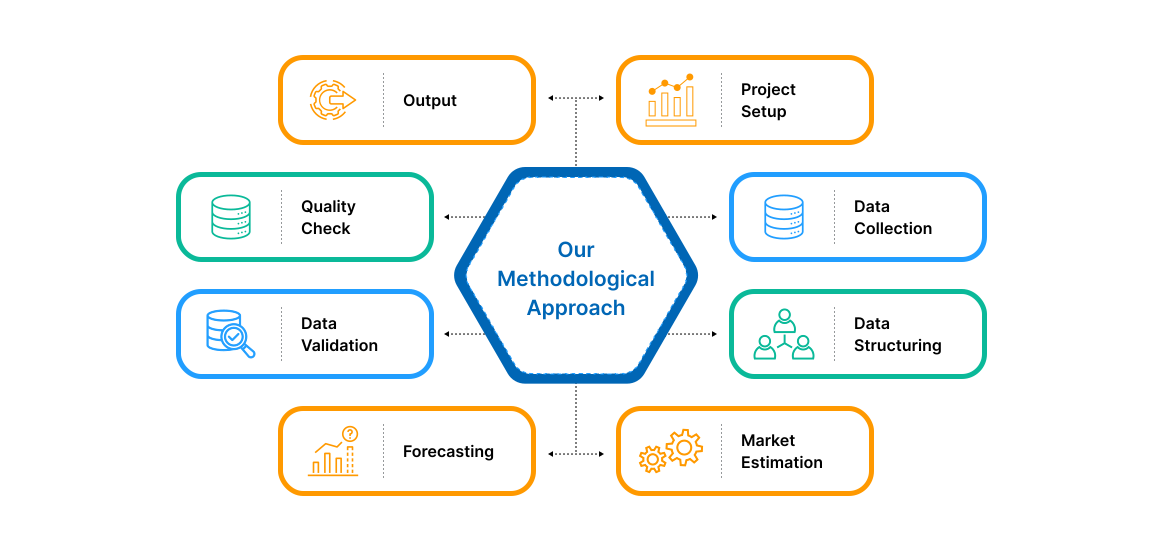
Project Setup
Step 1 & 2:
- We start every project by clearly understanding the client’s objective or goal, then defining the market scope, and aligning regions, segments, and timelines.
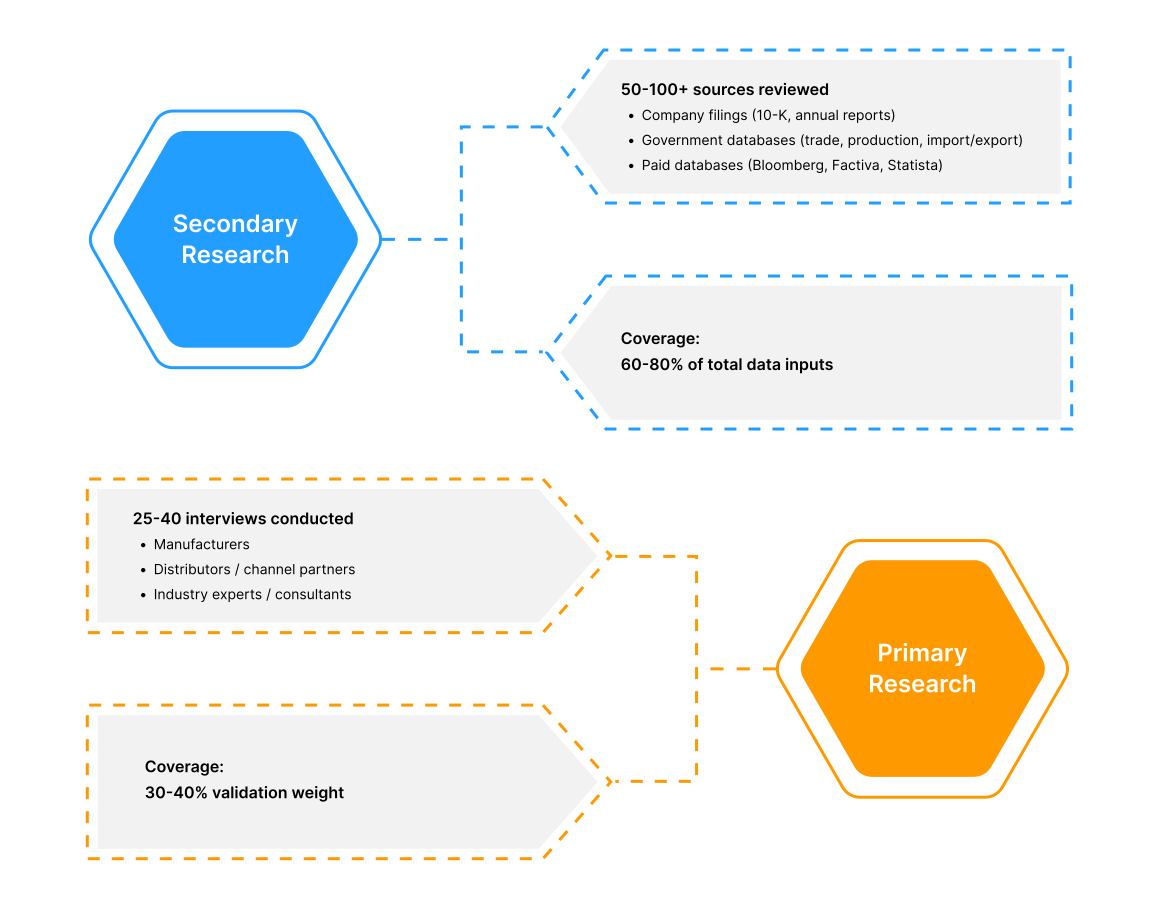
- Once the foundation is set, we collect data from all-around of sources, including company reports, government databases, and paid industry platforms.
- Our research is based on secondary data, which helps us build a strong understanding of the market across regions and industries. Then we validate this information through primary research by speaking directly with industry experts, companies, and stakeholders.
- By combining secondary and primary research, we ensure that our market insights are accurate, practical, and closely aligned with real market conditions.
Data Collection
We gather information from both public and verified sources:
Data Structuring
Step 3:
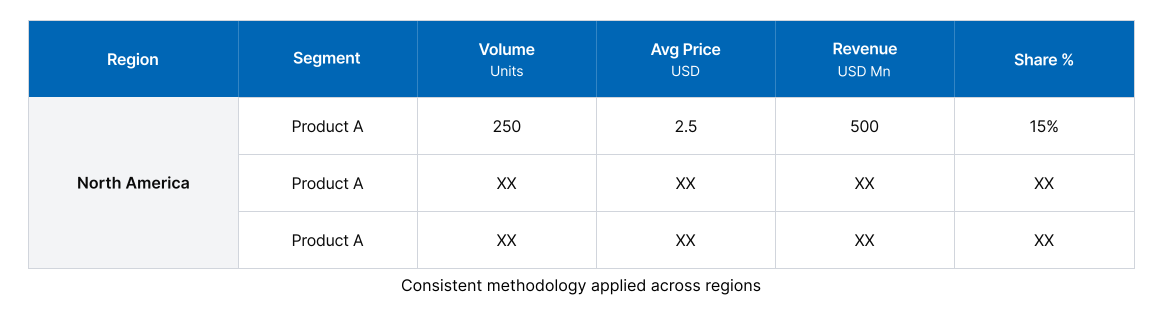
- All collected data is organized into a consistent format to ensure accurate analysis. Since inputs come from multiple sources, they are standardized and aligned before use.
- The data is segmented by product, application, and region, and mapped across a defined historical period (2020–2024). All values are converted into common units (USD Mn/Bn), and volume and pricing are aligned where required to estimate revenue.
- Any overlaps or inconsistencies are reviewed and adjusted to maintain accuracy (<5% variance threshold).
- The result is a structured dataset that allows for clear comparison across regions and supports reliable analysis and forecasting.
Structured Market Dataset, USD Mn/Bn
4. Data Structuring
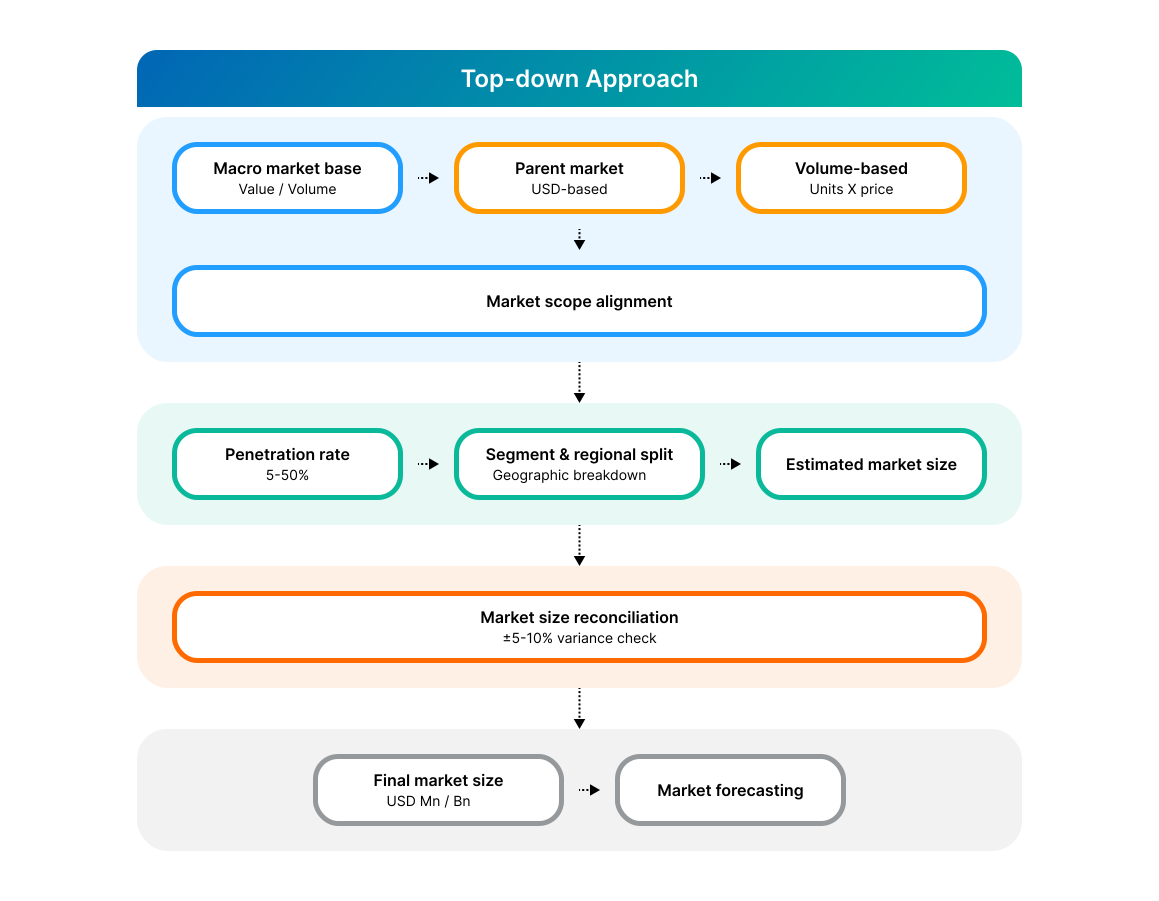
Step 4: TOP-DOWN APPROACH
- We start with the overall market size at a global or macro level.
- The market is then narrowed down based on scope and industry relevance.
- We apply penetration rates and split the data by region and segment.
- This helps us estimate the market size for specific segments.
- The numbers are validated through cross-checks to ensure accuracy.
Step 5: BOTTOM-UP APPROACH
- We begin by analyzing data from leading companies in the market.
- Revenue data is collected and mapped across different segments.
- The data is then aggregated to estimate the total market size.
- To fill in any gaps, adjustments are made based on industry standards.
- Validation checks make sure that the results are correct.
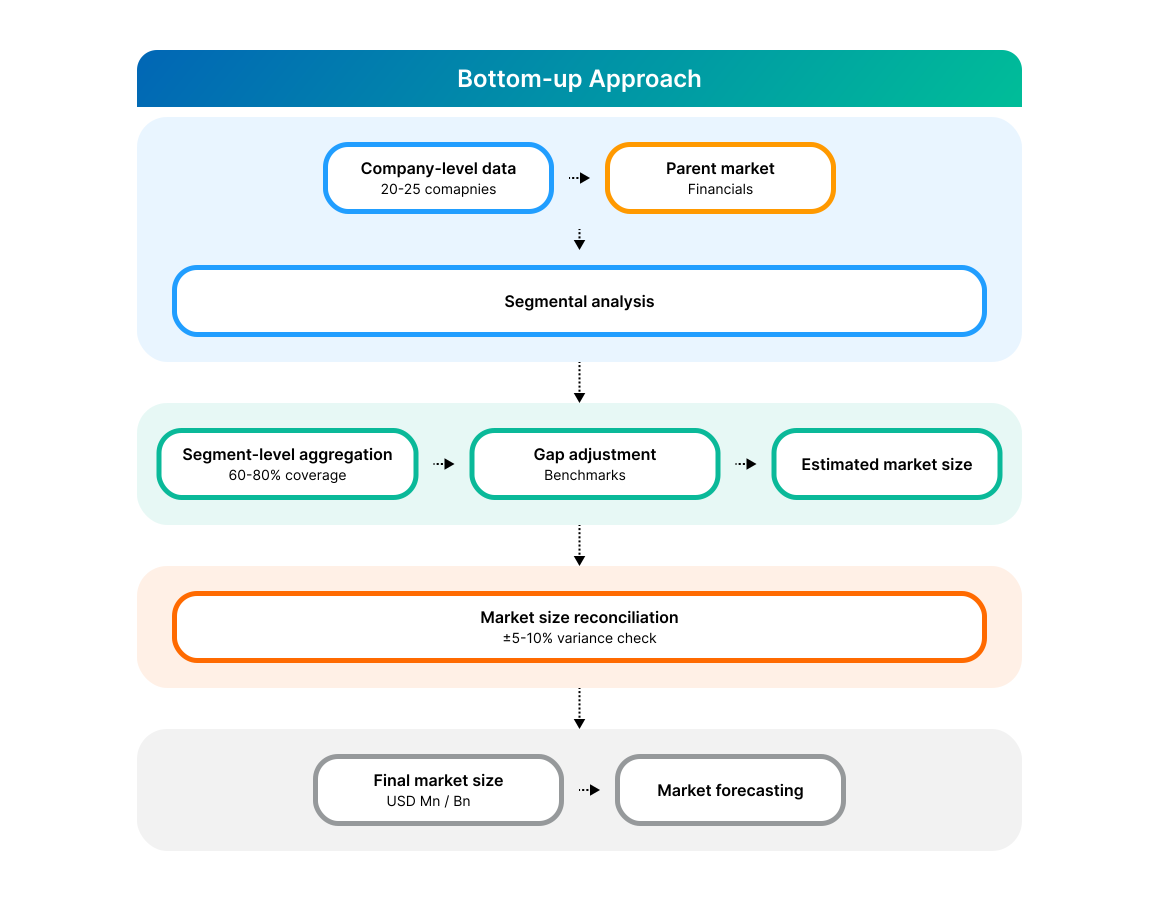
5. Data Structuring
Step 6:
At Polaris Market Research, we employ a methodical forecasting strategy. This approach blends the analysis of historical data with real-time market validation. To forecast future trends with precision, we examine past patterns, pricing fluctuations, and the interplay of supply and demand. To ensure our conclusions reflect the present market landscape, we actively seek input from industry experts and key stakeholders.
To refine our predictions, we carefully consider critical elements such as market drivers and restraints, fluctuations in raw material costs, emerging technologies, and the production capabilities of various regions. Furthermore, we assess regulatory frameworks and potential policy shifts to gauge their potential impact on market expansion.
All this information is synthesized to generate precise forecasts for each segment and region. These forecasts illuminate the current state of the market and highlight forthcoming opportunities.
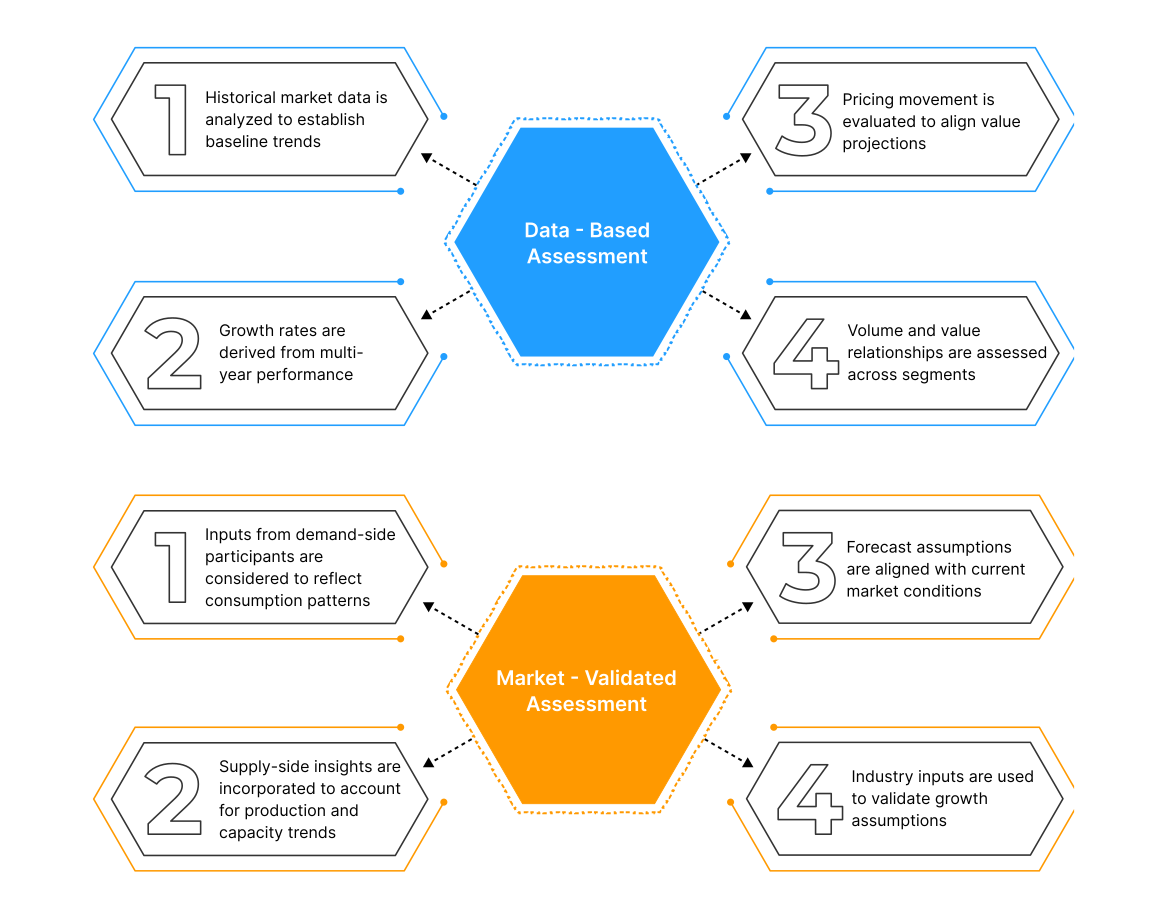
6. Data Structuring
Step 7:
In the final stage, we validate all our estimates using a triangulation method, where data is cross-checked from multiple reliable sources, like company data, primary interviews, and secondary research. This helps us make sure that our numbers are correct and fit with the rest of the market.
This process involves verifying data consistency across various segments and geographic areas. It also requires comparing historical trends with the assumptions support the forecast. Any discrepancies involve adjustments to ensure everything remains aligned and dependable.
Once the data is finalized, we prepare the final outputs, including market size estimates, segment-wise breakdowns, and growth metrics. These are delivered in structured formats such as tables, charts, and data files for easy analysis and use.
We collaborate closely with clients, ensuring the final products align with their requirements. This includes offering tailored adjustments, supplementary data analyses, and continuous assistance. Furthermore, we monitor market trends post-delivery, providing updates and refinements to maintain the insights' relevance as time passes.
Post-delivery, we continue to monitor market shifts, offering updates and adjustments to ensure the insights remain relevant over time.
Validation
Triangulation Framework
- Company-level data
- Primary inputs from industry participants
- Secondary benchmarks and published data
- Variance maintained within ±5-10%
- Adjustments applied to align estimates
- Segment values validated against overall market structure
Quality Check
Data Consistency & Integrity
- Segment totals validated to 100%
- Regional estimates aligned with global market size
- Historical trends compared against forecast outputs
- Assumptions reviewed for cross-segment and regional alignment
Output & Delivery
Final Outputs
- Market size estimates (USD Mn/Bn)
- Segment-wise distribution (%)
- Growth metrics (CAGR %)
- Structured tables and charts
- Segment-level datasets
- Excel-based data files for further analysis
Client Alignment & Support
- Deliverables are aligned with defined client requirements and scope
- Custom data cuts and segment splits are incorporated as required
- Post-delivery queries are addressed through analyst interactions
- Additional clarifications and data support are provided upon request
Client Continuity & Updates
- Market developments are tracked post-delivery to capture changes in key trends
- Updated data and revisions are provided based on new market inputs
- Additional refinements and data cuts are shared as required
- Continued analyst engagement supports evolving client requirements


