

Report Outlook
The global artificial intelligence (AI) in pharmaceutical market size was valued at USD 2.48 billion in 2025. The market is projected to account for a CAGR of 31.2% between 2026 and 2034. Increasing awareness of artificial intelligence among pharma manufacturers and rising adoption of AI in the pharmaceutical market for R&D activities and drug development are driving industry growth.
The market for artificial intelligence in pharmaceutical industry is expanding rapidly. The industry is increasingly using AI technologies for drug development and clinical trial optimization. AI is also being used for accelerating new drug development. Artificial intelligence helps researchers analyze vast biological data, identify potential drug candidates, and optimize the efficiency of the pharmaceutical R&D process.
Artificial intelligence in pharmaceutics has grown over the years, and it can save money and effort while providing a greater understanding of interactions between different compositions and process parameters. Drug discovery, smart manufacturing, automated control processes, predicting new treatments, and the production of novel peptides from natural foods raise awareness of the use of AI in pharma.
Key Insights
- The natural language processing segment led the market with 35.64% revenue share in 2025. This is because it enables easier translation of data into a narrative form.
- The cloud segment accounted for the largest market share in 2025. The cloud model eliminates the large upfront investments by providing AI services on a pay-per-use basis.
- North America dominated the artificial intelligence in pharmaceutical market in 2025. This is due to the presence of leading pharmaceutical companies and healthcare infrastructure in this region.
- Asia Pacific is expected to experience the fastest growth during this forecast period, driven by the rapid growth of biotechnology research and healthcare investments.
Industry Dynamics
- The growing complexity of modern pharmacology has led to increased demand for AI in pharmaceutical solutions.
- The capability of AI to improve the pharmaceutical research and development (R&D) process is contributing to the market expansion.
- Key opportunities include using AI to analyze electronic health records (EHRs) for rapid patient recruitment and design adaptive trials in real-time.
- Limited acceptability among health care providers and high costs may hinder AI in pharmaceutical market growth.
Market Statistics
2025 Market Size: USD 2.48 billion
2034 Projected Market Size: USD 28.63 billion
CAGR (2026–2034): 31.2%
North America: Largest Market in 2025
-in-pharmaceutical-market-size-by-region-2021---2034.webp)
To Understand More About this Research:Request a Free Sample Report
Further, pharma companies operating globally are using advanced machine learning algorithms and AI-powered tools to accelerate drug discovery. Artificial intelligence is also an important aspect of the current drug discovery process, as it helps drug companies identify drug targets, analyze protein structures, and simulate chemical interactions with greater precision. AI technology can test millions of molecular combinations much more quickly than traditional drug discovery methods. Artificial intelligence-based drug discovery tools are also aiding in improving lead optimization, toxicity prediction, and biomarker identification. This is helping researchers discover potential treatment options for various diseases, such as cancer, neurological disorders, and genetic disorders.
AI can improve the R&D process. It can handle everything from designing and finding new compounds to target-based drug validation and discovery. According to MIT research, just 13.8% of medications make it through clinical testing. To top it all off, a pharma company must pay anywhere from USD 161 million to USD 2 billion to bring a medicine through the entire clinical trial process and receive FDA approval.
Pharma companies are rapidly utilizing AI to increase the success rates of new pharmaceuticals, develop more cheap drugs and therapies, and, most crucially, lower operational expenses. However, a major challenge projected to impede global growth is a shortage of experienced personnel and IT infrastructure to support seamless adoption. In addition to limited acceptability among healthcare providers, high costs, and the technological feasibility of AI decision-making may hinder market growth.
Impact of AI on Clinical Trials
Clinical trials are being significantly influenced by artificial intelligence, which is helping enhance patient recruitment, trial design, and data analysis. AI algorithms can use health records, genomic data, and patient records to identify potential trial participants, which can help speed up AI patient recruitment. Furthermore, AI predictive analytics pharma can assist in determining potential risks that may exist during trials, dosing strategies, and real-time monitoring of patient safety. This could potentially increase the chances of successful trials, thus lowering the cost of drug development.
Industry Dynamics
Growth Drivers
Factors such as the growing complexity of modern pharmacology, the rising adoption of disease prevention and epidemic prediction, and the growing role of artificial intelligence in the pharmaceutical market for viable therapeutic candidates have driven the market forward. Pharmaceutical companies can use artificial intelligence to research therapies for both common diseases, such as Alzheimer's and Parkinson's, and rare disorders.
In general, pharma companies do not devote time and resources to developing medicines for rare diseases, since the return on investment (ROI) is very poor compared to the time and expense required to develop pharmaceuticals for treating uncommon diseases. Also, the rising prevalence of such diseases is forcing research companies to adopt AI.
For instance, according to the Alzheimer's Association, over 7 million Americans are living with Alzheimer's. In 2024, nearly 12 million family caregivers provided an estimated 19.2 billion hours of unpaid care, valued at over USD 413 billion. Costs are expected to rise to nearly USD 1 trillion by 2050.
Without medical advances to prevent, treat, or cure Alzheimer's disease, the number of persons aged 65 and older with the condition is expected to reach approximately 12.7 million to 13.8 million by 2050. However, due to the revolutionary capabilities of AI and ML, the situation is gradually changing for the better.
Many pharmaceutical businesses are using artificial intelligence and other SOS applications to predict outbreaks worldwide. The information is collected from disparate web sources, investigates the impact of several geological, ecological, and biological factors on the community's health across different geographic areas, and attempts to connect these considerations to previous outbreaks. Such models are beneficial for developing economies in addressing the situation effectively.
-in-pharmaceutical-market-size-worth-usd-28.63-billion-by-2034.webp)
Report Segmentation
Technology Insights
Based on technology, the artificial intelligence in pharmaceutical market is segmented into machine learning, natural language processing, deep learning, and others. The natural language processing segment led the market with 35.64% revenue share in 2025 and is expected to maintain its dominance over the forecast period. Natural language processing enables easier translation of data into a narrative form that is understandable to medical experts and patients. It also allows for easier interpretation of insights used in healthcare decision-making.
Apart from natural language processing, several advanced AI technologies are contributing significantly to the development of innovative approaches in pharmaceutical research and development. For instance, machine learning algorithms help pharmaceutical companies identify patterns in complex biological data, while deep learning drug discovery models help in molecular modeling and protein structure prediction.
Recently, the pharmaceutical industry has seen a tremendous rise in the adoption of generative AI in drug discovery technologies. These technologies can create new structures, speed up the discovery of drug candidates, and help researchers predict the potential of new drugs.
Deployment Mode Insights
Based on deployment mode, the artificial intelligence in pharmaceutical market is segmented into cloud and on-premises. The cloud segment accounted for the largest market share in 2025. Pharmaceutical companies, especially startups and small- to medium-sized enterprises (SMEs), are under constant pressure to lower costs and maximize ROI. The deployment of on-premise AI solutions requires a large upfront investment for hardware procurement and infrastructure maintenance. Then there’s the cost associated with hiring the required IT staff. The cloud model eliminates these expenses by providing AI services on a pay-per-use basis.
-in-pharmaceutical-market-by-product-analysis-2021---2034.webp)
Geographic Overview
The North America AI in pharmaceutical market led the global market with a 49.80% revenue share in 2025. North America continues to dominate the global AI in pharmaceutical market due to the presence of leading pharmaceutical companies and healthcare infrastructure in this region. In addition, investments in AI and biotechnology innovation are high in this region. The U.S. remains the major hub for pharmaceutical AI startups and technology partnerships between biotech and AI companies.
Meanwhile, Asia Pacific is expected to experience the fastest growth during this forecast period. This is due to the rapid growth of biotechnology research and healthcare investments in the region. Government initiatives in countries such as China, India, and South Korea to adopt AI-powered pharmaceutical technology also drive the Asia Pacific AI pharma market growth.
-in-pharmaceutical-market-trends-by-region-2021-–-2034.webp)
Competitive Landscape
Major pharmaceutical companies and providers of AI technology are forming strategic collaborations for the accelerated development of AI for drug discovery and pharmaceutical innovation. Many biotechnology startups, particularly in the area of AI technology, are engaging in partnerships with pharmaceutical companies for the development of advanced pharmaceutical products. The growing investments in AI technology, cloud-based pharmaceutical analytics, and computational drug discovery are shaping the AI in pharmaceutical market competitive landscape.
Some of the major players operating in the global AI in pharmaceutical market include AstraZeneca LLC, Atomwise Inc., Bayer AG, Cloud Pharmaceuticals Inc, GNS Healthcare, IBM Watson, Merck & Co., Microsoft Corporation, Novartis AG, NVIDIA Corporation, Pfizer Inc., Recursion Pharmaceuticals Inc., and XtalPi Inc.
List of Key Companies
- AstraZeneca LLC
- Atomwise Inc.
- Bayer AG
- Cloud Pharmaceuticals Inc
- GNS Healthcare
- IBM Watson
- Merck & Co.
- Microsoft Corporation
- Novartis AG
- NVIDIA Corporation
- Pfizer Inc.
- Recursion Pharmaceuticals Inc.
- XtalPi Inc.
Recent Developments
January 2026: Modella, an AI company for life sciences, announced its acquisition by AstraZeneca. Modella stated that the acquisition is an extension of their existing collaboration to further develop the use of AI data models and analytical tools in AstraZeneca’s global oncology pipeline.
October 2024: Pfizer partnered with the Ignition AI Accelerator. This partnership is aimed at utilizing the power of AI in Pfizer’s drug discovery and development. This is expected to boost the development of new drugs and also improve operational efficiency in Pfizer’s R&D activities.
AI in Pharmaceutical Market Segmentation
By Technology Outlook (Revenue, USD Billion, 2021–2034)
- Machine Learning
- Natural Language Processing
- Deep Learning
- Others
By Offering Outlook (Revenue, USD Billion, 2021–2034)
- Hardware
- Software
- Services
By Deployment Outlook (Revenue, USD Billion, 2021–2034)
- Cloud
- On-Premises
By Application Outlook (Revenue, USD Billion, 2021–2034)
- Drug Discovery
- Precision Medicine
- Medical Imaging & Diagnostics
- Research
By End User Outlook (Revenue, USD Billion, 2021–2034)
- Pharmaceutical & Biotechnology Companies
- Hospitals and Diagnostic Centers
- Academic & Research Institutes
- Others
By Regional Outlook (Revenue, USD Billion, 2021–2034)
- North America
- US
- Canada
- Europe
- Germany
- France
- UK
- Italy
- Spain
- Netherlands
- Russia
- Rest of Europe
- Asia Pacific
- China
- Japan
- India
- Malaysia
- South Korea
- Indonesia
- Australia
- Vietnam
- Rest of Asia Pacific
- Middle East & Africa
- Saudi Arabia
- UAE
- Israel
- South Africa
- Rest of Middle East & Africa
- Latin America
- Mexico
- Brazil
- Argentina
- Rest of Latin America
AI in Pharmaceutical Market Report Scope
|
Report Attributes |
Details |
|
Market Size in 2025 |
USD 2.48 billion |
|
Market Size in 2026 |
USD 3.24 billion |
|
Revenue Forecast by 2034 |
USD 28.63 billion |
|
CAGR |
31.2% |
|
Base Year |
2025 |
|
Historical Data |
2021–2024 |
|
Forecast Period |
2026–2034 |
|
Quantitative Units |
Revenue in USD billion, and CAGR from 2026 to 2034 |
|
Report Coverage |
Revenue Forecast, Market Competitive Landscape, Growth Factors, and Trends |
|
Segments Covered |
|
|
Regional Scope |
|
|
Competitive Landscape |
AI in Pharmaceutical Industry Trend Analysis (2025) Company profiles/industry participants profiling include company overview, financial information, product/service benchmarking, and recent developments |
|
Report Format |
PDF + Excel |
|
Customization |
Report customization as per your requirements with respect to countries, regions, and segmentation. |
FAQ's
The AI in pharmaceutical industry stood at USD 2.48 billion in 2025. The market is projected to reach USD 28.63 billion by 2034.
Artificial intelligence in the pharmaceutical industry means the use of machine learning, deep learning, and analytics technologies to enhance drug discovery, clinical trials, manufacturing, and pharmacovigilance processes.
AI helps pharma companies identify drug targets and analyze molecular proteins. It also predicts drug interactions and accelerates compound screening.
AI helps reduce the cost of drug development, increases the probability of clinical trial success, and accelerates the development of innovative therapies.
It helps speed up drug discovery, improve clinical trials, and predict results. It also increases the efficiency of drug manufacturing.
A few of the key market players include AstraZeneca LLC, Atomwise Inc., Bayer AG, Cloud Pharmaceuticals Inc, GNS Healthcare, IBM Watson, Merck & Co., Microsoft Corporation, Novartis AG, NVIDIA Corporation, Pfizer Inc., Recursion Pharmaceuticals Inc., and XtalPi Inc.
It analyzes patient data, including genetics, medical history, and lifestyle factors. It helps the doctor tailor the treatment to what is best for the individual patient.
The main challenges of AI adoption in pharma include high costs and data privacy concerns. Challenges are also associated with the limited quality or availability of data and regulatory hurdles.
AI is useful in the drug discovery process for rare diseases. It helps analyze scarce patient data and biological information to identify potential drug targets and effective compounds for the disease.
Page last updated on:
Jan-2023
Research Methodology
A robust system of research, verification, and forecasting designed to ensure reliable and actionable market insights.
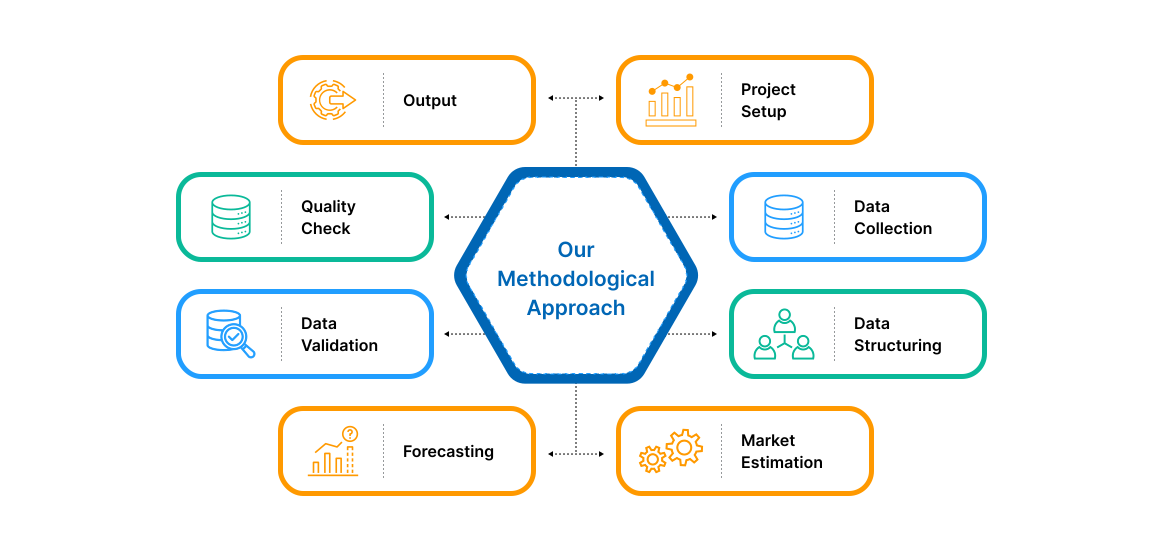
Polaris Market Research uses a clear and structured approach to deliver insights that clients can rely on. The process combines detailed primary and secondary research, including direct communication with industry experts. The detailed information helps build a complete picture of market trends and developments. Secondary data is gathered from credible sources such as industry reports, company filings, government source links, and trusted organization databases. It is then cross-checked through discussions with key stakeholders across the value chain. Market size and forecasts are developed using both bottom-up and top-down methods to ensure accuracy and consistency in the final results.
Project Setup
Step 1 & 2:
- We start every project by clearly understanding the client’s objective or goal, then defining the market scope, and aligning regions, segments, and timelines.
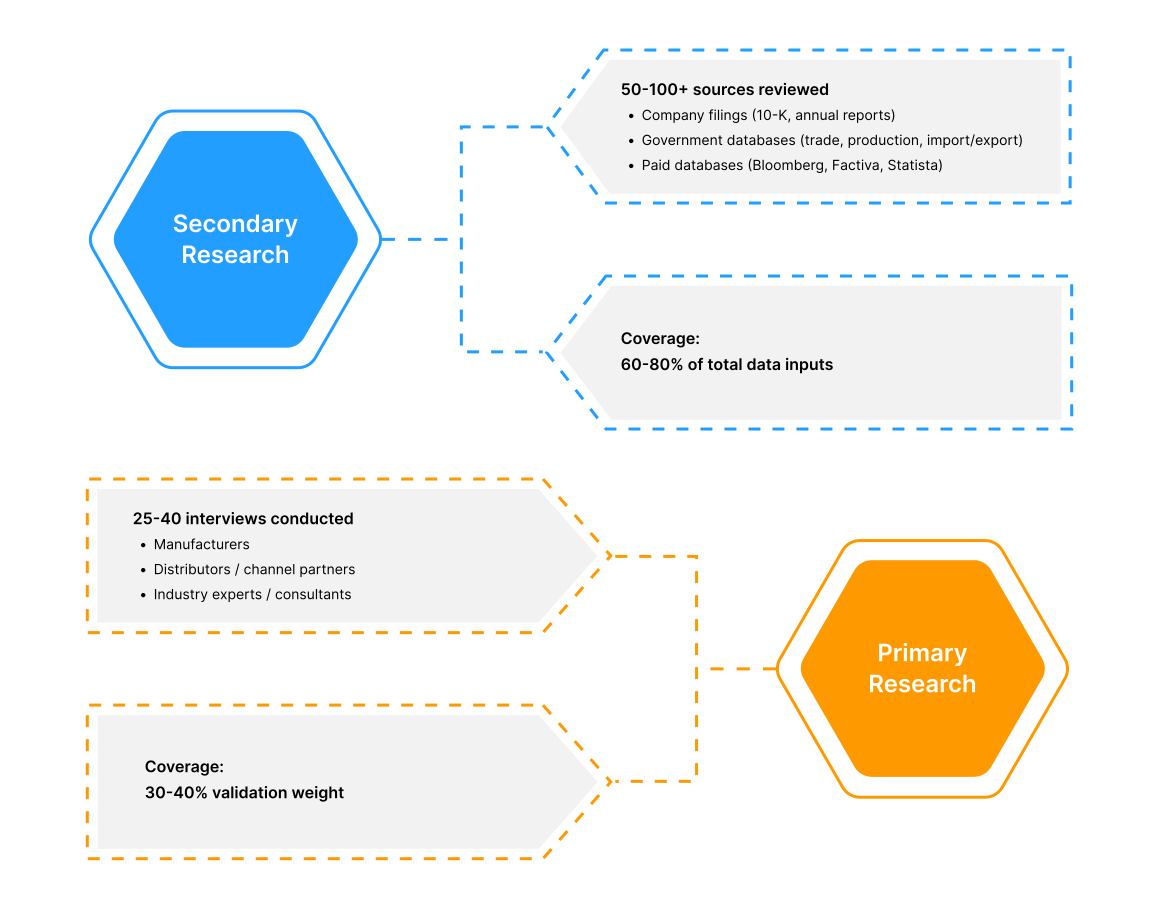
- Once the foundation is set, we collect data from all-around of sources, including company reports, government databases, and paid industry platforms.
- Our research is based on secondary data, which helps us build a strong understanding of the market across regions and industries. Then we validate this information through primary research by speaking directly with industry experts, companies, and stakeholders.
- By combining secondary and primary research, we ensure that our market insights are accurate, practical, and closely aligned with real market conditions.
Data Collection
We gather information from both public and verified sources:
Data Structuring
Step 3:
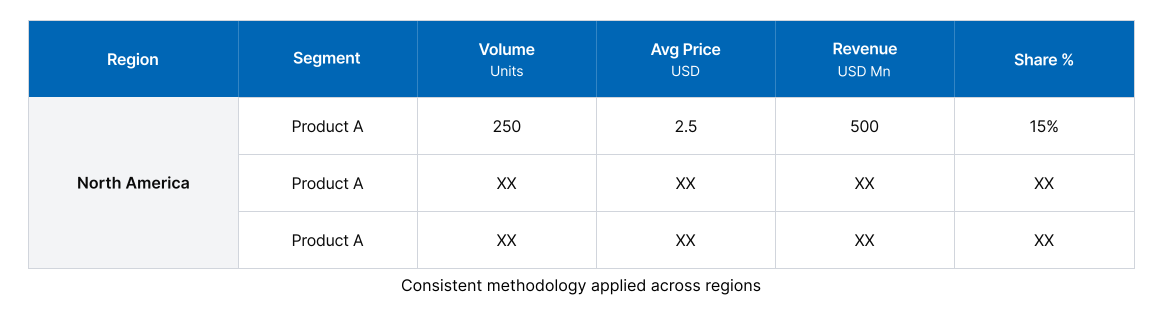
- All collected data is organized into a consistent format to ensure accurate analysis. Since inputs come from multiple sources, they are standardized and aligned before use.
- The data is segmented by product, application, and region, and mapped across a defined historical period (2020–2024). All values are converted into common units (USD Mn/Bn), and volume and pricing are aligned where required to estimate revenue.
- Any overlaps or inconsistencies are reviewed and adjusted to maintain accuracy (<5% variance threshold).
- The result is a structured dataset that allows for clear comparison across regions and supports reliable analysis and forecasting.
Structured Market Dataset, USD Mn/Bn
4. Data Structuring
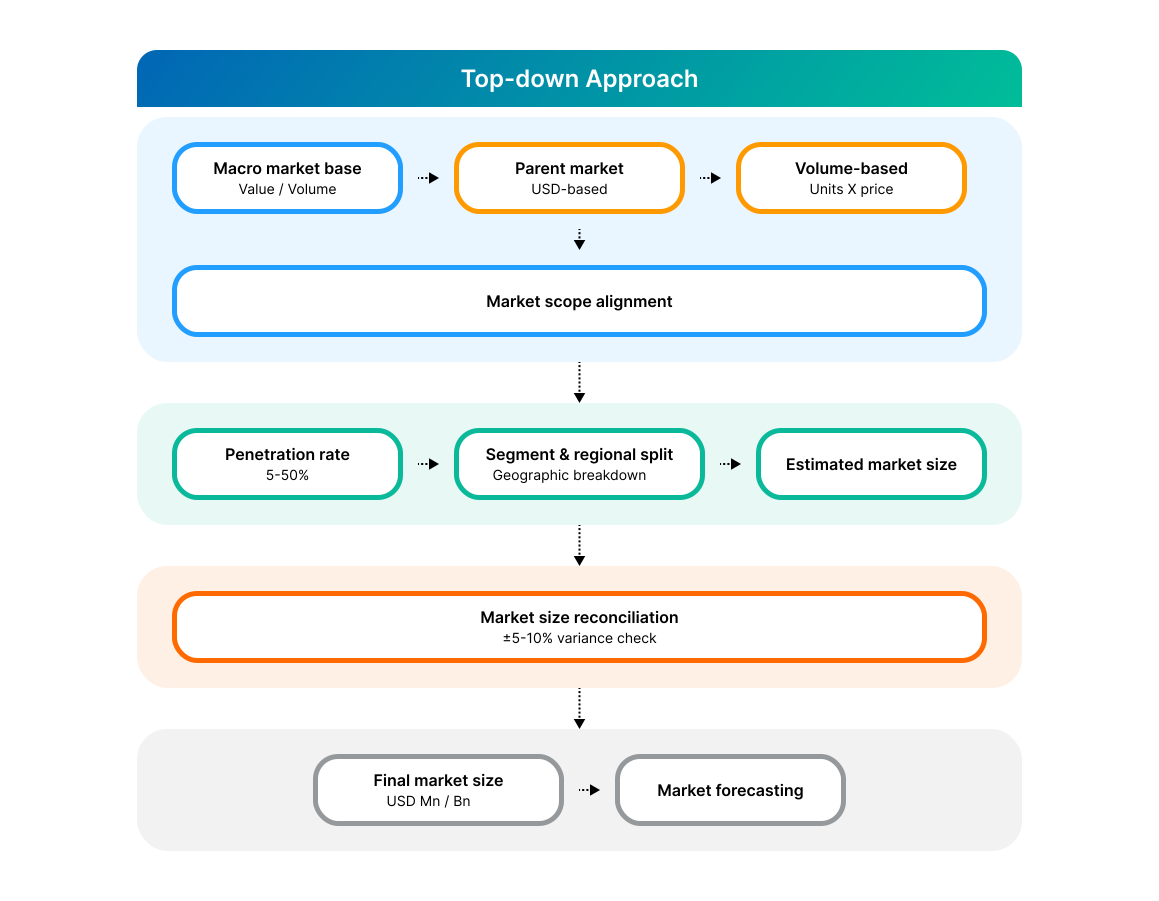
Step 4: TOP-DOWN APPROACH
- We start with the overall market size at a global or macro level.
- The market is then narrowed down based on scope and industry relevance.
- We apply penetration rates and split the data by region and segment.
- This helps us estimate the market size for specific segments.
- The numbers are validated through cross-checks to ensure accuracy.
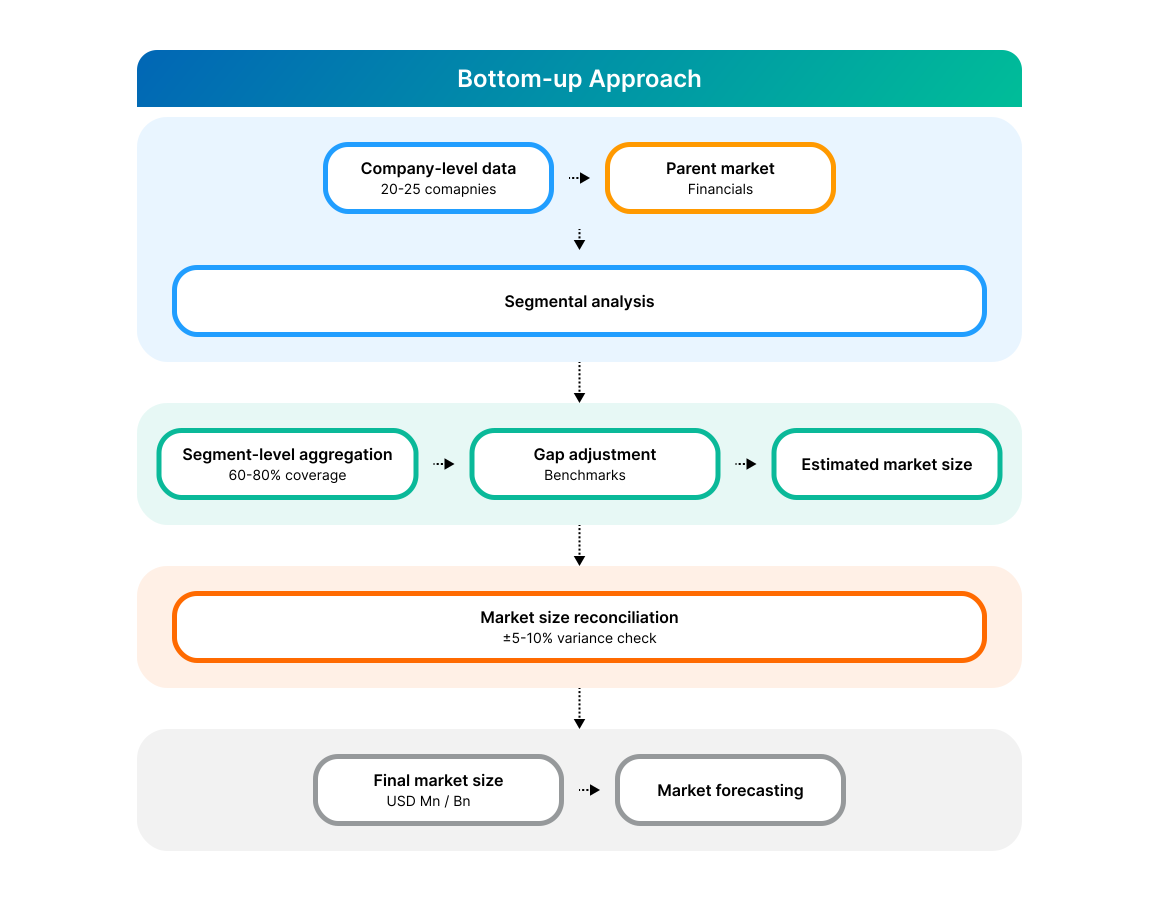
Step 5: BOTTOM-UP APPROACH
- We begin by analyzing data from leading companies in the market.
- Revenue data is collected and mapped across different segments.
- The data is then aggregated to estimate the total market size.
- To fill in any gaps, adjustments are made based on industry standards.
- Validation checks make sure that the results are correct.
5. Data Structuring
Step 6:
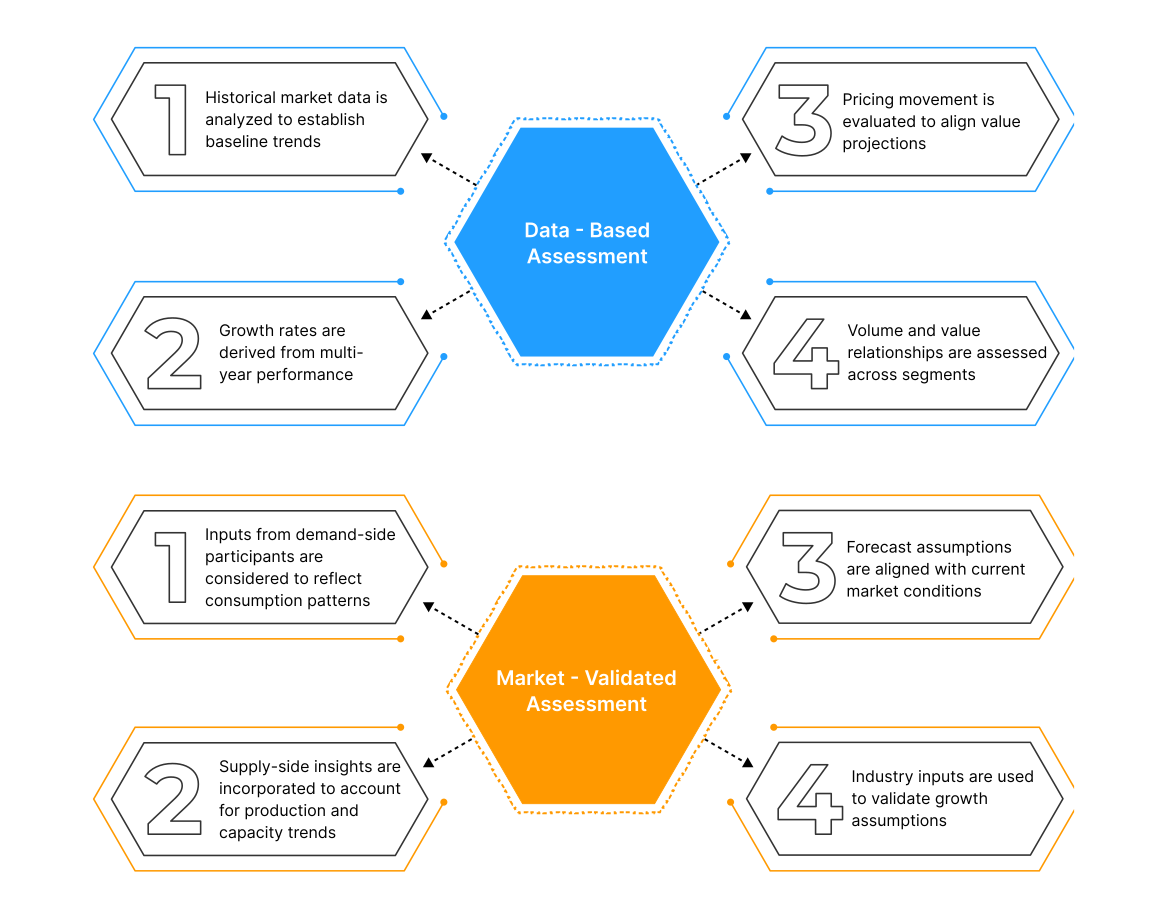
At Polaris Market Research, we employ a methodical forecasting strategy. This approach blends the analysis of historical data with real-time market validation. To forecast future trends with precision, we examine past patterns, pricing fluctuations, and the interplay of supply and demand. To ensure our conclusions reflect the present market landscape, we actively seek input from industry experts and key stakeholders.
To refine our predictions, we carefully consider critical elements such as market drivers and restraints, fluctuations in raw material costs, emerging technologies, and the production capabilities of various regions. Furthermore, we assess regulatory frameworks and potential policy shifts to gauge their potential impact on market expansion.
All this information is synthesized to generate precise forecasts for each segment and region. These forecasts illuminate the current state of the market and highlight forthcoming opportunities.
6. Data Structuring
Step 7:
In the final stage, we validate all our estimates using a triangulation method, where data is cross-checked from multiple reliable sources, like company data, primary interviews, and secondary research. This helps us make sure that our numbers are correct and fit with the rest of the market.
This process involves verifying data consistency across various segments and geographic areas. It also requires comparing historical trends with the assumptions support the forecast. Any discrepancies involve adjustments to ensure everything remains aligned and dependable.
Once the data is finalized, we prepare the final outputs, including market size estimates, segment-wise breakdowns, and growth metrics. These are delivered in structured formats such as tables, charts, and data files for easy analysis and use.
We collaborate closely with clients, ensuring the final products align with their requirements. This includes offering tailored adjustments, supplementary data analyses, and continuous assistance. Furthermore, we monitor market trends post-delivery, providing updates and refinements to maintain the insights' relevance as time passes.
Post-delivery, we continue to monitor market shifts, offering updates and adjustments to ensure the insights remain relevant over time.
Validation
Triangulation Framework
- Company-level data
- Primary inputs from industry participants
- Secondary benchmarks and published data
- Variance maintained within ±5-10%
- Adjustments applied to align estimates
- Segment values validated against overall market structure
Quality Check
Data Consistency & Integrity
- Segment totals validated to 100%
- Regional estimates aligned with global market size
- Historical trends compared against forecast outputs
- Assumptions reviewed for cross-segment and regional alignment
Output & Delivery
Final Outputs
- Market size estimates (USD Mn/Bn)
- Segment-wise distribution (%)
- Growth metrics (CAGR %)
- Structured tables and charts
- Segment-level datasets
- Excel-based data files for further analysis
Client Alignment & Support
- Deliverables are aligned with defined client requirements and scope
- Custom data cuts and segment splits are incorporated as required
- Post-delivery queries are addressed through analyst interactions
- Additional clarifications and data support are provided upon request
Client Continuity & Updates
- Market developments are tracked post-delivery to capture changes in key trends
- Updated data and revisions are provided based on new market inputs
- Additional refinements and data cuts are shared as required
- Continued analyst engagement supports evolving client requirements


