

Market Overview
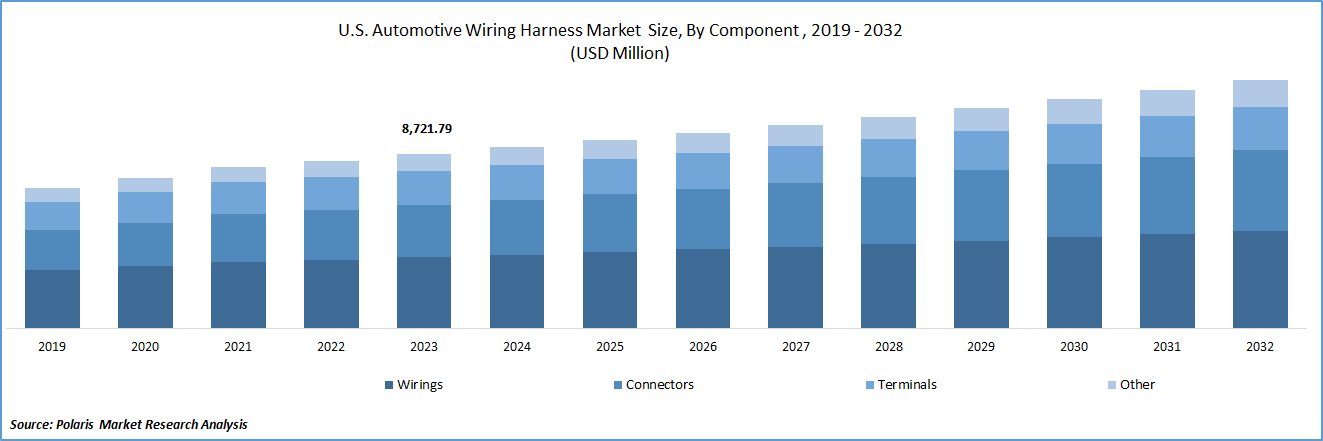
The global Automotive Wiring Harness Market was valued at USD 48.18 billion in 2024 and is projected to grow at a CAGR of 4.5% from 2025 to 2034. Increasing vehicle electrification and advanced electronics integration are driving demand.
Key Insights
- In 2024, the market was dominated by the wires segment, driven by expansion in the automotive sector, the increasing sophistication of vehicle electronics, stringent safety regulations, and technological advancements in wire technology.
- The commercial vehicles segment is likely to expand at the highest rate, driven by rising demand from the e-commerce and logistics sectors.
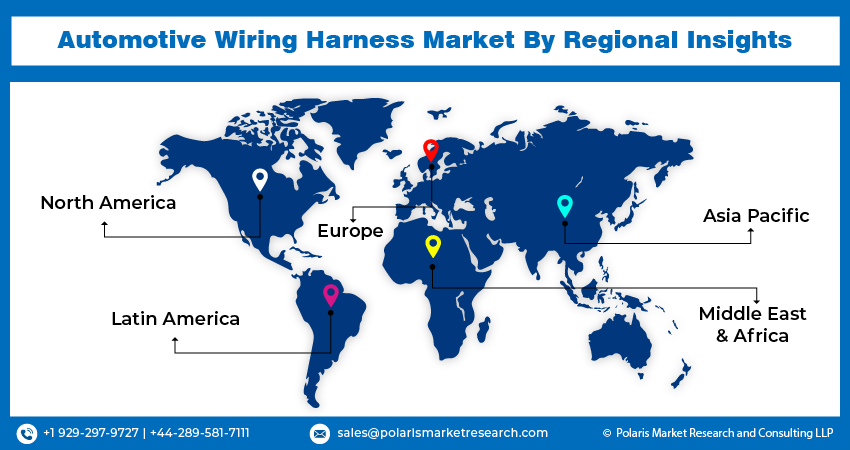
- In 2024, Asia Pacific dominated the market, led by large producers and increasing consumer demand, which drove global demand for wiring harnesses.
- North America is projected to register the highest CAGR growth during the forecast period, driven by its robust automotive sector and advancements in technology.
Industry Dynamics
- International government encouragement of sustainability and emission reduction is promoting the adoption of EVs, which in turn creates demand for advanced automotive wiring harnesses.
- The increasing number of advanced features in cars is increasing demand for automotive wiring harnesses.
- The transition towards more environmentally friendly cars is fueling demand for technologically advanced wiring harnesses, presenting robust investment growth opportunities.
- Varying copper and aluminum prices significantly influence the supply and pricing of car wiring harnesses.
Market Statistics
2024 Market Size: USD 48.18 billion
2034 Projected Market Size: USD 75 Billion
CAGR (2025-2034): 4.50%
Asia Pacific: Largest Market Share
AI Impact on Automotive Wiring Harness Market
- AI facilitates more effective and lighter weight wiring harness designs by simulation and data-driven optimization.
- It enhances predictive maintenance through data analysis to identify possible failures prior to their occurrence.
- AI improves production by automating the assembly of harnesses, improving accuracy and lowering labor expenses.
- It facilitates the management of increasing wiring system complexity in EVs and connected vehicles.
To Understand More About this Research:Request a Free Sample Report
Industry Trend
The automotive wiring harness market is experiencing significant growth, driven by several key factors. One major driver is the increasing adoption of electric vehicles (EVs). As governments globally prioritize sustainability and emission reduction, they offer consistent support and incentives for the EV market. This surge in EV adoption necessitates complex wiring systems to power various components, thus fueling demand within the automotive wiring harness market. Additionally, EVs require intricate wiring setups to accommodate their unique powertrain and battery systems, further contributing to market growth.
Simultaneously, within the broader automotive manufacturing industry, there's a heightened demand for wiring harnesses. This demand stems from the industry's continuous innovation and integration of advanced technologies into vehicles. As automotive manufacturers strive to meet consumer demands for smart, connected, and autonomous vehicles, they require sophisticated wiring harnesses to support these features. Consequently, the automotive wiring harness market experiences a parallel surge in demand, driven by the automotive industry's relentless pursuit of innovation.
Moreover, there's a growing consensus regarding safety and security while driving, prompting an increased demand for automotive wiring harnesses. Modern vehicles are equipped with an array of safety features, from advanced driver assistance systems (ADAS) to electronic stability control (ESC). These systems rely on intricate wiring harnesses to function effectively, emphasizing the critical role of wiring harnesses in ensuring vehicle safety.
Consequently, as safety concerns continue to drive consumer preferences and regulatory mandates, the demand for automotive wiring harnesses escalates. The stringent safety norms introduced by authorities worldwide further bolster the automotive wiring harness market.
- For instance, in July 2022, EU's new Vehicle General Safety Regulation enforced advanced driver assistant systems, paving the way for automated vehicles, aiming to save lives. The regulation establishes the legal framework for the EU's approval of fully autonomous and automated vehicles.
It also introduces advanced driver assistance technologies for both passenger and commercial vehicles. Compliance with these standards necessitates advanced wiring harnesses designed to withstand stringent testing criteria, thereby stimulating market growth.
Additionally, the demand for automotive wiring harnesses is propelled by various factors such as the connected car ecosystem, electrification, and the preference for 48V high voltage capacity. As vehicles become increasingly connected and electrified, the complexity of their wiring systems rises, creating opportunities for the wiring harness market.
Key Takeaway
- Asia Pacific dominated the largest market and contributed to more than 38% of the share in 2023.
- The North America market is expected to be the fastest-growing CAGR during the forecast period.
- By component category, the wire segment accounted for the largest market share in 2024.
- By vehicle type category, the commercial vehicles segment is projected to grow at a high CAGR during the projected period.
What are the Market Drivers Driving the Demand for the Automotive Wiring Harness Market?
Rise in Advanced Features in Vehicles
The rise in advanced features in vehicles is significantly driving the demand for the automotive wiring harness market. Modern vehicles are increasingly equipped with complex electronic systems, including advanced driver-assistance systems (ADAS), infotainment systems, and enhanced safety features. These advancements require robust and intricate wiring solutions to ensure seamless communication and operation of various electronic components. As manufacturers strive to offer more technologically advanced vehicles to meet consumer expectations, the need for sophisticated wiring harnesses becomes essential to support these innovations.
Simultaneously, the ongoing transition to electric and hybrid vehicles is significantly influencing the growth of the automotive wiring harness market. Electric vehicles (EVs) and hybrid vehicles come with intricate high-voltage systems that demand specialized wiring harnesses to manage the distribution of electrical power safely and efficiently. The complexity and safety requirements of these systems necessitate the development of more advanced and reliable wiring solutions. As the automotive industry moves towards greener and more sustainable transportation options, the demand for high-quality wiring harnesses that can handle the complexities of EV and hybrid systems is on the rise, providing a promising future for investors in the automotive wiring harness market.
Which Factor is Restraining the Demand for Automotive Wiring Harness?
Fluctuating Prices of Metals such as Copper and Aluminum Hinder the Market Growth.
Fluctuating prices of metals such as copper and aluminum significantly affect the supply chain and pricing of automotive wiring harnesses. Copper and aluminum are essential materials in the production of wiring harnesses due to their excellent electrical conductivity and durability. When the prices of these metals rise, the cost of manufacturing wiring harnesses increases, leading to higher prices for end products. This price volatility creates challenges for manufacturers in maintaining stable production costs and profit margins, impacting their ability to price products competitively.
The impact of these fluctuating metal prices extends to the demand for automotive wiring harnesses. As the cost of raw materials increases, manufacturers may be forced to pass these costs onto consumers, leading to higher prices for vehicles equipped with advanced wiring harnesses. This, in turn, can dampen consumer demand, especially in price-sensitive markets. Additionally, higher costs may prompt automakers to seek alternative materials or technologies that can offer similar performance at a lower cost, potentially disrupting the traditional wiring harness market.
Report Segmentation
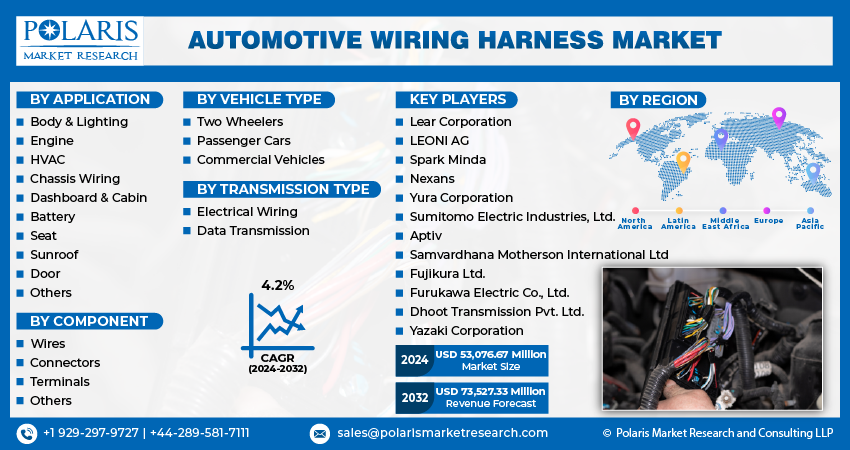
The market is primarily segmented based on application, component, vehicle type, transmission type, and region.
|
By Application |
By Component |
By Vehicle Type |
By Transmission Type |
By Region |
|
|
|
|
|
To Understand the Scope of this Report:Speak to Analyst
Category Wise Insights
By Component Insights
Based on component analysis, the market is segmented on the wires, connectors, terminals, others. Wires segment held the largest market share in 2024. The demand for wires in automotive wiring harnesses is on the rise due to the expanding automotive industry, the increasing complexity of vehicle electronics, stringent safety, and quality standards, ongoing innovation in wire technology, and the diverse applications of wiring harnesses in various types of vehicles. These factors collectively drive the need for high-quality wires that can reliably transmit power and signals within vehicles, reflecting the dynamic and evolving nature of the automotive wiring harness market.
Automotive wiring harnesses are intricate networks of wires that form the backbone of a vehicle's electrical system. These wires serve as conduits for transmitting power and signals between the various components, ensuring smooth operation of essential functions like engine performance, safety systems, and entertainment features.
By Vehicle Type Insights
Based on vehicle type analysis, the market has been segmented on the basis of two wheelers, passenger cars, commercial vehicles. The commercial vehicles segment expected to be the fastest growing CAGR during the forecast period. The demand for commercial vehicles in the automotive wiring harness market is experiencing significant growth, driven by the rising needs of the e-commerce and logistics industries. As e-commerce continues to expand, there is a corresponding increase in the volume of goods that need to be transported, necessitating more commercial vehicles. This surge in demand for transportation solutions is fueling the need for advanced and reliable automotive wiring harnesses, which are critical for ensuring the efficient operation of commercial vehicles.
Regional Insights
Asia Pacific
Asia Pacific region accounted for the largest market share in 2024. The Asia Pacific region stands as a dynamic and rapidly expanding hub within the automotive wiring harness market. With major automotive manufacturers and a growing consumer base, Asia Pacific drives global demand for wiring harnesses.
As Asia Pacific continues to shape the global automotive landscape, its wiring harness market is poised for significant expansion. This growth caters to the diverse needs of both traditional and electric vehicles, driving advancements in automotive technology. Key players like Minda Corporation Limited, Yura Corporation, Samvardhana Motherson International Ltd, Sumitomo Electric Industries Ltd, Dhoot Transmission Pvt. Ltd., and Yazaki Corporation lead the way as major manufacturers and suppliers of automotive wiring harnesses in the APAC region, fueling the market growth.
For instance, in December 2021, Sumitomo Electric Industries partnered with Valens Semiconductor to collaborate on A-PHY technology and deployments, ensuring alignment with A-PHY specification requirements. Similarly, in February 2023, Hero Electric joined forces with Dhoot Transmission for wiring harness solutions, signaling a joint effort to enhance innovation in the electric two-wheeler industry. Such collaborations underscore the thriving wiring harness market in the APAC region.
Which is the Largest Contributor to the Asia Pacific Automotive Wiring Harness Market Expansion?
Chine held the largest share in Asia Pacific market in 2024. High production of NEV (EV + hybrid) production in China and rising electronic content per vehicle boost the automotive wiring harness industry in the country. The increasing shift toward high-voltage, lightweight, and smart harness architectures contributes to the demand for automotive wiring harness. Sumitomo, Yazaki, and major global players have extensive manufacturing networks in China. Domestic companies such as Luxshare Precision and Tongsheng expand rapidly with stronger cost and vertical-integration advantages.
|
Company |
HQ and Profile |
Role and Specialties |
Source (click) |
|
Luxshare Precision (Luxshare-ICT) |
China — electronics & connector giant. |
Rapidly expanding into wiring and automotive harnesses, EV cables Acquired majority stake in Leoni in July 2025. |
|
|
Hangsheng/Hangsheng Electric (Hangsheng Technology) |
China — vehicle electronics supplier. |
Domestic player for harness/electronics modules, infotainment, and connectivity; active in JV/partnerships. |
(hsae.eu) |
|
Kunshan Huguang/Fudi |
China — captive OEM suppliers |
Automotive high and low voltage wiring harness assemblies. They have customers such as BYD, Great Wall, and Geely |
|
|
Wiringo/Shenzhen EDOM (Domestic Specialists) |
China — local mid-tier harness & cable makers. |
Provide custom wire harnesses, Automotive wire harnesses, power cords, and network cables |
|
|
Zhejiang Tongsheng (TongSheng) |
China (Zhejiang) — established domestic harness maker. |
Makes cable harnesses, automotive connectors. and terminals; exports and supplies domestic OEMs. |
|
|
Sumitomo Wiring Systems (SWS) |
Japan — major global harness supplier. |
Multiple China plants. It produces low & high voltage harnesses for automobiles for local OEMs and joint ventures. |
|
|
Yazaki Corporation |
Japan — global leader in wiring harnesses. |
Large footprint in China; supplies OEMs with multi-system harnesses and connectors. |
North America
North America is expected for the growth of fastest CAGR during the forecast period. North America stands out as a pivotal region in the automotive wiring harness market, fueled by its robust automotive industry and technological progress. Wiring harnesses, also known as cable harnesses, serve as essential conduits for transmitting electrical power and signals across various industries, including automotive, food & beverage, agriculture, and electronics.
In North America, market players face stringent regulations and standards, with the IPC/WHMA-A-620 Revision D standard being a prominent example. Developed by IPC and the Wiring Harness Manufacturer's Association (WHMA), this standard plays a pivotal role in steering the market for automotive wiring harnesses by setting forth guidelines and requirements for the acceptance and production of wire harness assemblies, ensuring quality and reliability in automotive electrical systems.
Moreover, the increasing complexity of modern vehicles, where components like engines, air conditioning systems, instrumentation, audio systems, lights, and batteries are interconnected through front, rear, and roof wire harnesses, further boosts the demand for wire harnesses in the automotive industry. For instance, automotive components producer Yazaki North America, Inc. recently announced a significant investment of US$10 Billion in a pilot project factory in western Guatemala to expand its production capacity and meet the rising demand for wire harnesses.
Competitive Landscape
The market is fiercely competitive, characterized by the presence of numerous prominent players. These industry leaders have implemented diverse strategies, including acquisitions, product launches, collaborations, and partnerships, all while actively developing innovative products with heightened speed and enhanced features.
Some of the major players operating in the global market include:
- Lear Corporation
- LEONI AG
- Spark Minda
- Nexans
- Yura Corporation
- Samvardhana Motherson International Ltd
- Sumitomo Electric Industries, Ltd.
- Aptiv
- Fujikura Ltd.
- Furukawa Electric Co., Ltd.
- Dhoot Transmission Pvt. Ltd.
- Yazaki Corporation
Recent Developments
- In April 2025, Motherson Group inaugurated a wiring-harness facility in Ras Al Khaimah. The new plant is set to supply commercial and special-purpose vehicles for the European market, with management anticipating a rapid production ramp-up supported by a strong order pipeline
- In October 2024, Japanese automotive wiring manufacturer Sumitomo Electric plans to begin operations at its new facility, supported by an investment of approximately $24 million.
- In May 2024, Toray Industries, Inc. and Yazaki Corporation unveiled a joint venture to pioneer a new grade of recycled polybutylene terephthalate (PBT) resin. This innovative resin is crafted from discarded materials sourced from manufacturing operations and tailored to meet the stringent requirements for producing connectors utilized in automotive wire harnesses.
- In December 2023, Nexans entered into two Memorandums of Understanding (MoU) with the Moroccan government to establish a third medium-voltage power cable manufacturing plant.
- In September 2023, In UAE, HH Sheikh Saud bin Saqr Al Qasimi inaugurated Motherson's wiring harness facility in the Ras Al Khaimah Economic Zone (RAKEZ).
- In February 2023, Hero Electric partnered with Dhoot Transmission for wiring harness solutions, a collaborative effort to improve and innovate in the electric two-wheeler industry.
- In December 2022, Sumitomo Electric Industries agreed with Morocco's Ministry of Industry and Trade to make a substantial investment of approximately MAD 2 billion ($190 Billion) in Morocco's automotive ecosystem.
- In January 2021, Yazaki and Sumitomo announced plans to establish new production facilities in Morocco, with a total investment of $103 Billion. Yazaki will invest $52 Billion to construct three new factories in Tangier, Kenitra, and Meknes. These facilities will primarily cater to the automotive sector's demand for wiring harnesses.
Report Coverage
The automotive wiring harness market report emphasizes on key regions across the globe to provide better understanding of the product to the users. Also, the report provides market insights into recent developments, trends and analyzes the technologies that are gaining traction around the globe. Furthermore, the report covers in-depth qualitative analysis pertaining to various paradigm shifts associated with the transformation of these solutions.
The report provides detailed analysis of the market while focusing on various key aspects such as competitive analysis, application, component, vehicle type, transmission type, and their futuristic growth opportunities.
Report Scope
|
Report Attributes |
Details |
|
Market size value in 2025 |
USD 50.5 Billion |
|
Revenue forecast in 2034 |
USD 75 Billion |
|
CAGR |
4.50% from 2025 – 2034 |
|
Base year |
2024 |
|
Historical data |
2020 – 2023 |
|
Forecast period |
2025 – 2034 |
|
Quantitative units |
Revenue in USD Billion and CAGR from 2025 to 2034 |
|
Segments covered |
By Application, By Component, By Vehicle Type, By Transmission Type, And By Region |
|
Regional scope |
North America, Europe, Asia Pacific, Latin America; Middle East & Africa |
|
Customization |
Report customization as per your requirements with respect to countries, region and segmentation. |
FAQ's
The key companies in Automotive Wiring Harness Market are Lear Corporation, LEONI AG, Spark Minda, Nexans, Yura Corporation, Samvardhana Motherson International Ltd
The automotive wiring harness market exhibiting a CAGR of 4.50% during the forecast period
Automotive Wiring Harness Market report covering key segments are application, component, vehicle type, transmission type, and region.
The key driving factors in Automotive Wiring Harness Market are Rise in Advanced Features in Vehicles.
Automotive Wiring Harness Market Size Worth $ 75 Billion by 2034
Page last updated on:
Jan-2023
Research Methodology
A robust system of research, verification, and forecasting designed to ensure reliable and actionable market insights.
Polaris Market Research uses a clear and structured approach to deliver insights that clients can rely on. The process combines detailed primary and secondary research, including direct communication with industry experts. The detailed information helps build a complete picture of market trends and developments. Secondary data is gathered from credible sources such as industry reports, company filings, government source links, and trusted organization databases. It is then cross-checked through discussions with key stakeholders across the value chain. Market size and forecasts are developed using both bottom-up and top-down methods to ensure accuracy and consistency in the final results.
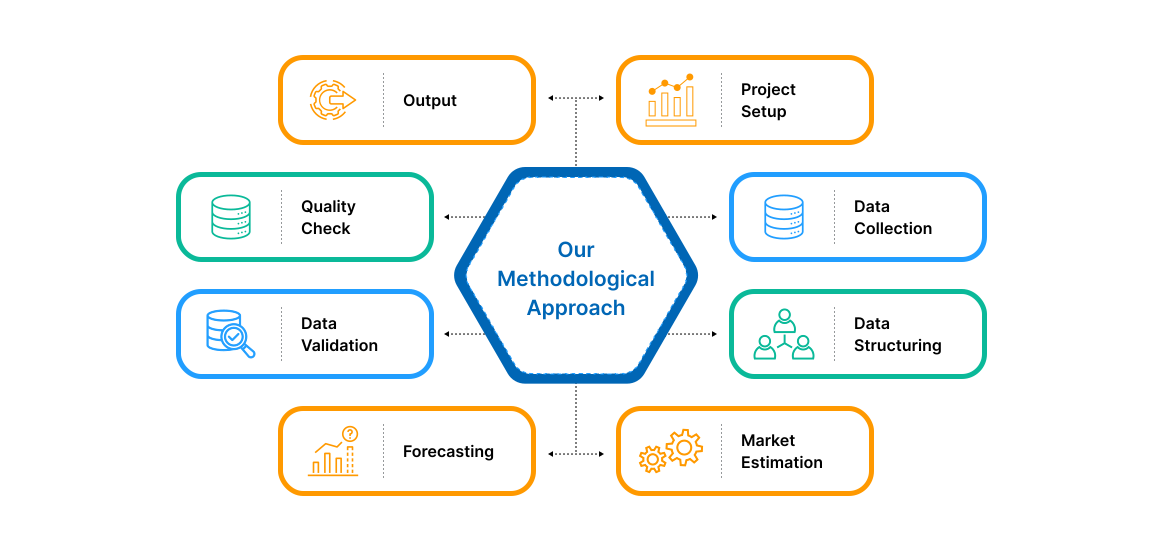
Project Setup
Step 1 & 2:
- We start every project by clearly understanding the client’s objective or goal, then defining the market scope, and aligning regions, segments, and timelines.
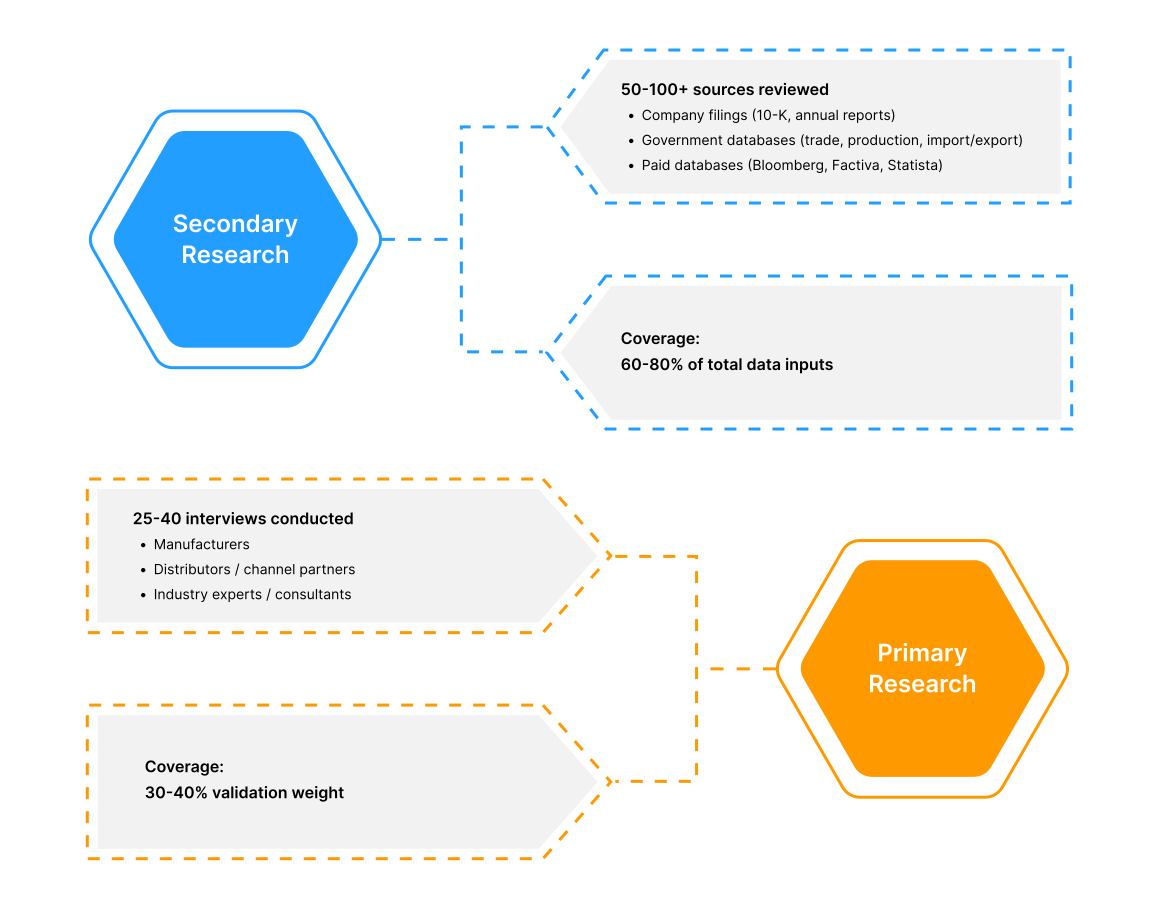
- Once the foundation is set, we collect data from all-around of sources, including company reports, government databases, and paid industry platforms.
- Our research is based on secondary data, which helps us build a strong understanding of the market across regions and industries. Then we validate this information through primary research by speaking directly with industry experts, companies, and stakeholders.
- By combining secondary and primary research, we ensure that our market insights are accurate, practical, and closely aligned with real market conditions.
Data Collection
We gather information from both public and verified sources:
Data Structuring
Step 3:
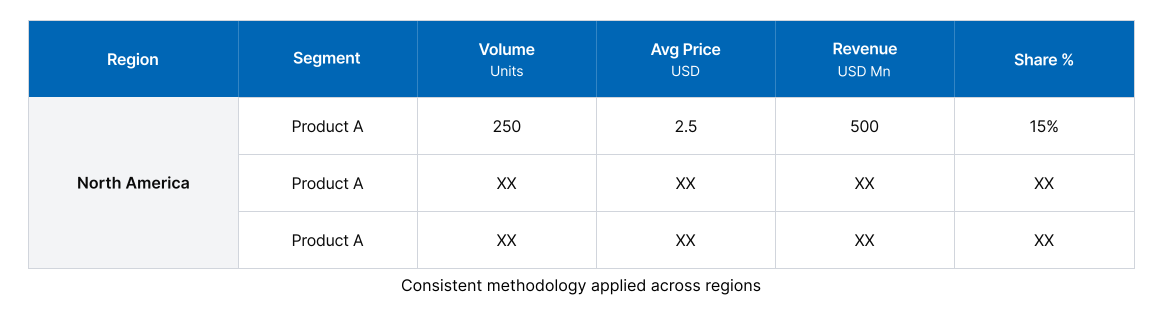
- All collected data is organized into a consistent format to ensure accurate analysis. Since inputs come from multiple sources, they are standardized and aligned before use.
- The data is segmented by product, application, and region, and mapped across a defined historical period (2020–2024). All values are converted into common units (USD Mn/Bn), and volume and pricing are aligned where required to estimate revenue.
- Any overlaps or inconsistencies are reviewed and adjusted to maintain accuracy (<5% variance threshold).
- The result is a structured dataset that allows for clear comparison across regions and supports reliable analysis and forecasting.
Structured Market Dataset, USD Mn/Bn
4. Data Structuring
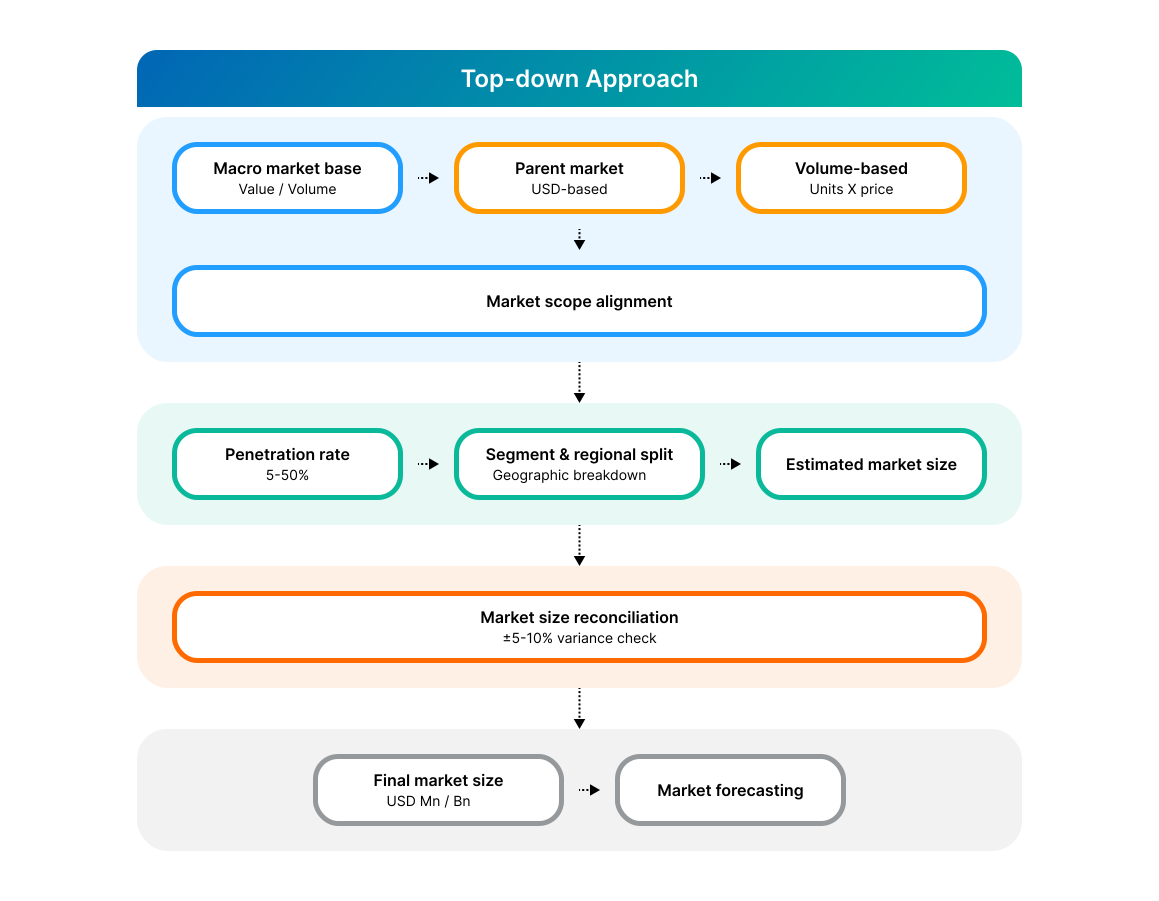
Step 4: TOP-DOWN APPROACH
- We start with the overall market size at a global or macro level.
- The market is then narrowed down based on scope and industry relevance.
- We apply penetration rates and split the data by region and segment.
- This helps us estimate the market size for specific segments.
- The numbers are validated through cross-checks to ensure accuracy.
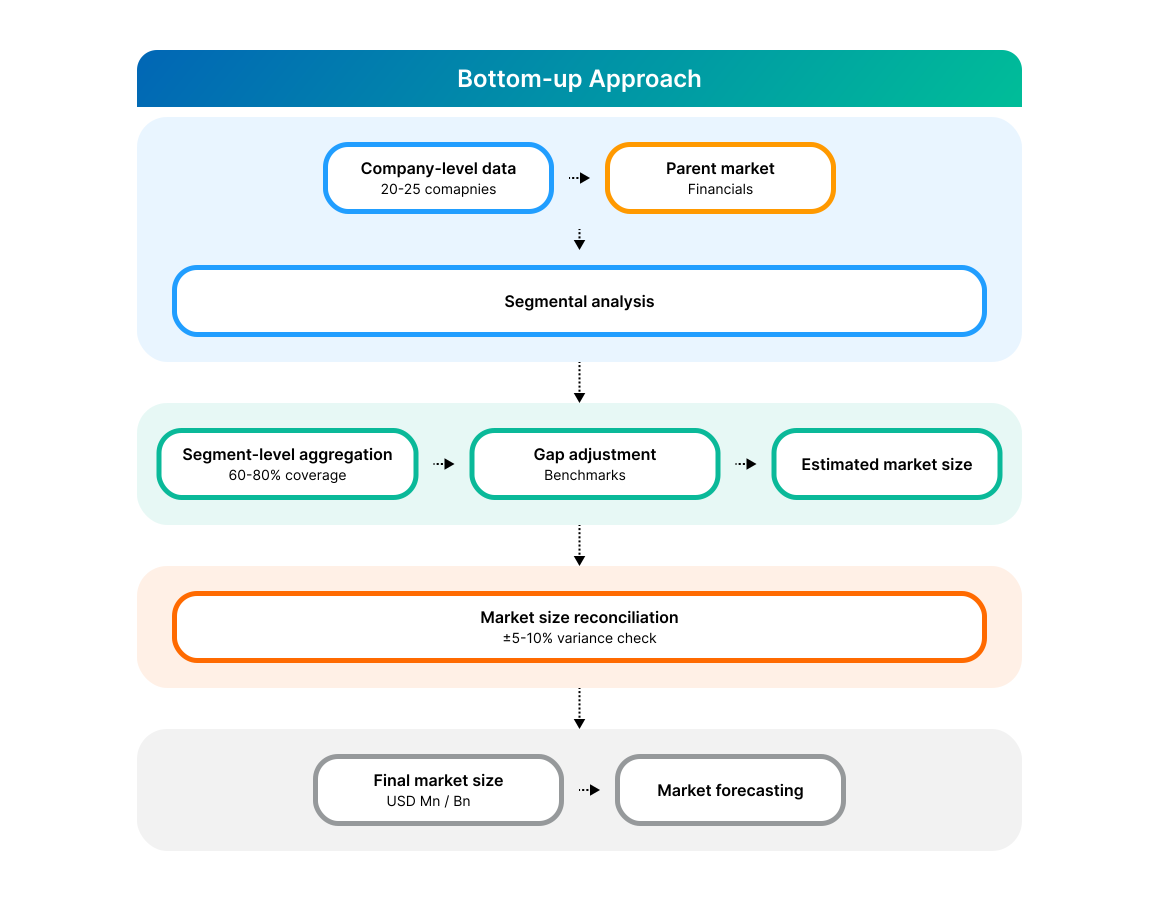
Step 5: BOTTOM-UP APPROACH
- We begin by analyzing data from leading companies in the market.
- Revenue data is collected and mapped across different segments.
- The data is then aggregated to estimate the total market size.
- To fill in any gaps, adjustments are made based on industry standards.
- Validation checks make sure that the results are correct.
5. Data Structuring
Step 6:
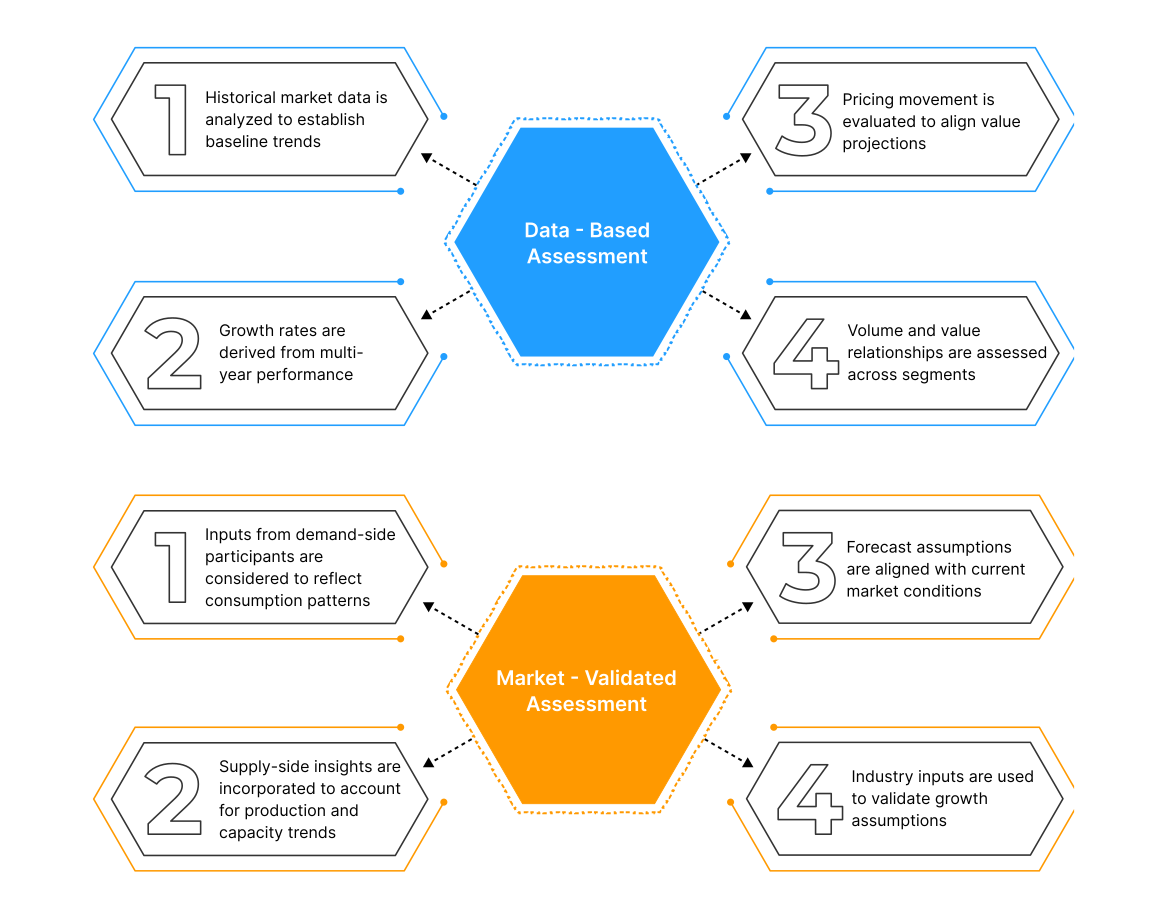
At Polaris Market Research, we employ a methodical forecasting strategy. This approach blends the analysis of historical data with real-time market validation. To forecast future trends with precision, we examine past patterns, pricing fluctuations, and the interplay of supply and demand. To ensure our conclusions reflect the present market landscape, we actively seek input from industry experts and key stakeholders.
To refine our predictions, we carefully consider critical elements such as market drivers and restraints, fluctuations in raw material costs, emerging technologies, and the production capabilities of various regions. Furthermore, we assess regulatory frameworks and potential policy shifts to gauge their potential impact on market expansion.
All this information is synthesized to generate precise forecasts for each segment and region. These forecasts illuminate the current state of the market and highlight forthcoming opportunities.
6. Data Structuring
Step 7:
In the final stage, we validate all our estimates using a triangulation method, where data is cross-checked from multiple reliable sources, like company data, primary interviews, and secondary research. This helps us make sure that our numbers are correct and fit with the rest of the market.
This process involves verifying data consistency across various segments and geographic areas. It also requires comparing historical trends with the assumptions support the forecast. Any discrepancies involve adjustments to ensure everything remains aligned and dependable.
Once the data is finalized, we prepare the final outputs, including market size estimates, segment-wise breakdowns, and growth metrics. These are delivered in structured formats such as tables, charts, and data files for easy analysis and use.
We collaborate closely with clients, ensuring the final products align with their requirements. This includes offering tailored adjustments, supplementary data analyses, and continuous assistance. Furthermore, we monitor market trends post-delivery, providing updates and refinements to maintain the insights' relevance as time passes.
Post-delivery, we continue to monitor market shifts, offering updates and adjustments to ensure the insights remain relevant over time.
Validation
Triangulation Framework
- Company-level data
- Primary inputs from industry participants
- Secondary benchmarks and published data
- Variance maintained within ±5-10%
- Adjustments applied to align estimates
- Segment values validated against overall market structure
Quality Check
Data Consistency & Integrity
- Segment totals validated to 100%
- Regional estimates aligned with global market size
- Historical trends compared against forecast outputs
- Assumptions reviewed for cross-segment and regional alignment
Output & Delivery
Final Outputs
- Market size estimates (USD Mn/Bn)
- Segment-wise distribution (%)
- Growth metrics (CAGR %)
- Structured tables and charts
- Segment-level datasets
- Excel-based data files for further analysis
Client Alignment & Support
- Deliverables are aligned with defined client requirements and scope
- Custom data cuts and segment splits are incorporated as required
- Post-delivery queries are addressed through analyst interactions
- Additional clarifications and data support are provided upon request
Client Continuity & Updates
- Market developments are tracked post-delivery to capture changes in key trends
- Updated data and revisions are provided based on new market inputs
- Additional refinements and data cuts are shared as required
- Continued analyst engagement supports evolving client requirements


