

What is the Current Market Size?
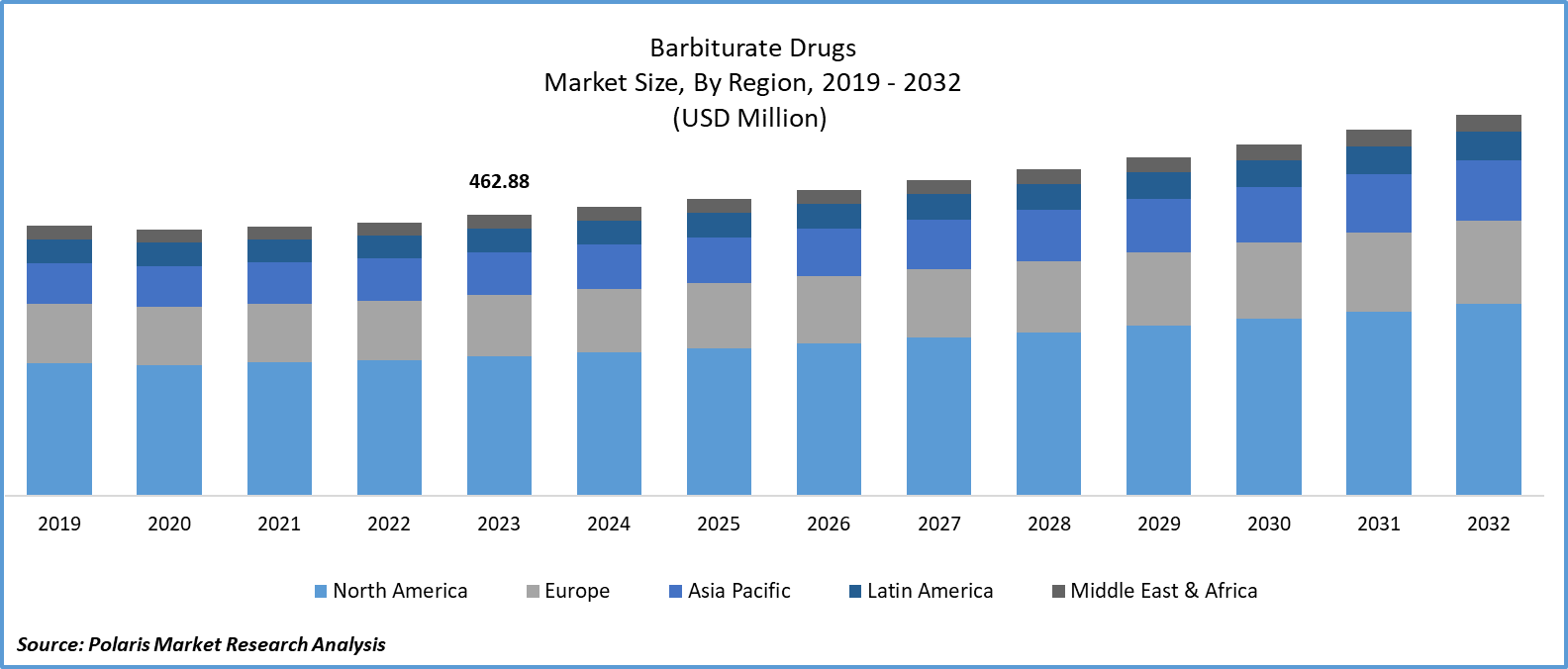
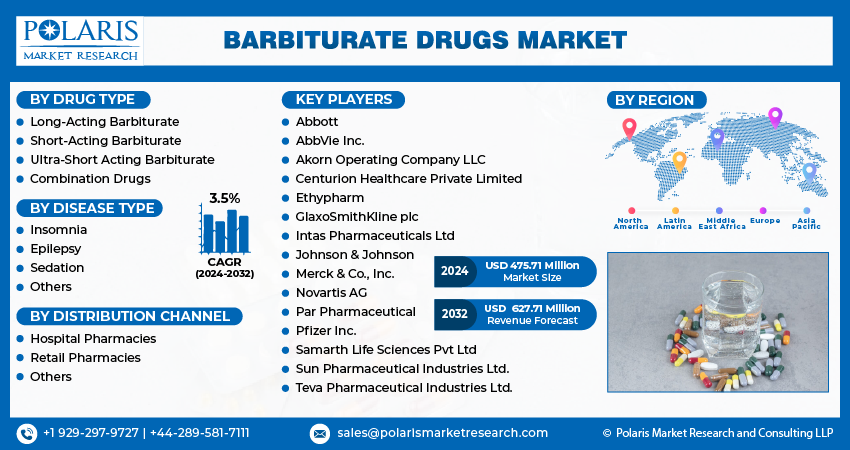
Global barbiturate drugs market size was valued at USD 489.51 million in 2025. The market is anticipated to grow from USD 504.14 million in 2026 to USD 658.48 million by 2034, exhibiting the CAGR of 3.39% during the forecast period.
Market Statistics
- 2025 Market Size: USD 489.51 million
- 2034 Projected Market Size: USD 648.48 million
- CAGR (2026-2034): 3.39%
- North America: Largest market in 2025
Market Introduction
Government initiatives and healthcare policies significantly propel the barbiturate drugs market, acknowledging the crucial role these medications play in managing various medical conditions. Policymakers globally actively support a conducive environment for pharmaceutical advancements, endorsing research, development, and accessibility of therapeutic solutions. Healthcare policies, particularly focusing on neurological disorders, fuel the demand for effective pharmaceutical interventions like barbiturate drugs. Regulatory frameworks and reimbursement policies shape market dynamics, encouraging investment in innovative formulations. This in turn is projected to increase barbiturate drugs market growth.
In addition, companies operating in the market are acquiring other players to expand market reach and strengthen presence. For instance, in June 2021, Ethypharm declared its commitment to acquiring Altan Pharma through a conclusive agreement. Altan Pharma, a specialized pharmaceutical company, is engaged in the development, production, and marketing of injectable medications designed for hospital utilization.
To Understand More About this Research: Request a Free Sample Report
Technological advancements are driving transformative changes in the barbiturate drugs market, reshaping sleep disorder therapeutics. Cutting-edge technologies in drug research enhance the safety and efficacy of barbiturate drugs, with advanced diagnostic tools allowing personalized treatment approaches. Innovations in drug delivery systems, such as nanotechnology, minimize side effects and optimize therapeutic impact. Digital health solutions, including telemedicine and wearables, revolutionize patient care, ensure better treatment adherence. Computational modeling and artificial intelligence accelerate drug discovery, identifying novel compounds efficiently. The aforementioned factors are anticipated to have positive impact on barbiturate market size.
Industry Growth Drivers
Increasing prevalence of neurological disorders is projected to spur the product demand
The barbiturate drugs market size is witnessing substantial growth due to the rising prevalence of neurological disorders such as epilepsy and anxiety. Barbiturate drugs, known for their sedative and anticonvulsant properties, play a vital role in managing symptoms and improving the quality of life for patients with these conditions. Factors like aging populations, lifestyle changes, and increased awareness contribute to the increasing incidence of neurological disorders. Barbiturates, effective in depressing the central nervous system, are increasingly utilized to control seizures and alleviate anxiety, propelling market expansion. Ongoing research aims to enhance barbiturate formulations, making them pivotal in addressing the evolving healthcare needs associated with neurological disorders.
Rising incidence of insomnia is expected to drive barbiturate drugs market growth
Rising global insomnia rates are propelling the demand for barbiturate drugs in the pharmaceutical market. With modern lifestyles and heightened stress contributing to widespread sleep disorders, barbiturates are increasingly sought after. These drugs, acting on the central nervous system, induce sleep and relaxation, providing a solution to persistent insomnia. The growing awareness of insomnia's impact on health is driving individuals towards pharmaceutical interventions, shaping the barbiturate drugs market. However, concerns about potential side effects and dependency risks underscore the need for ongoing research to develop safer alternatives in the evolving landscape of sleep disorder therapeutics.
Industry Challenges
Risk of abuse and dependence is likely to impede the market growth
The barbiturate drugs market encounters significant limitations due to the inherent risk of abuse and dependence linked to these medications. Renowned for sedative properties, barbiturates pose a substantial risk of addiction and dependency, making them susceptible to recreational misuse. Medical caution has led to restrained prescriptions, especially with safer alternatives available. Concerns over overdose and life-threatening complications limit the broader acceptance of barbiturates in contemporary healthcare. Regulatory controls categorize them as controlled substances to curb accessibility, prompting healthcare providers to explore safer alternatives.
Primary Indication & Formulation Analysis
|
Barbiturate Drugs |
Primary Indication |
Common Formulations & Strengths (from FDA Labels) |
Manufacturer/Reference (FDA SPL/Label) |
|
Phenobarbital |
Sedative; Anticonvulsant for generalized/partial seizures (including febrile seizures, neonatal seizures); long-term epilepsy management. |
Tablets: 16.2 mg, 32.4 mg, 64.8 mg, 97.2 mg; Oral solution; Injectable (IV/IM). |
Bryant Ranch Prepack (generic); Sun Pharma (SEZABY injection for neonates) |
|
Butabarbital (Butisol Sodium) |
Sedative or hypnotic (short-term insomnia); preoperative sedation. |
Tablets: 30 mg, 50 mg; Oral solution: 30 mg/5 mL (7% alcohol). |
MedPointe Healthcare (original label); generics |
|
Pentobarbital (Nembutal) |
Short-term insomnia; pre-anesthesia; status epilepticus; induction/maintenance of anesthesia. |
Oral capsules/solution; Injectable (IV/IM); Rectal suppository (historical). |
Hikma/West-Ward (injectable); historical Lundbeck |
|
Secobarbital (Seconal) |
Short-term intractable insomnia (in barbiturate-habituated patients); pre-op sedation; hypnosis. |
Capsules (historical 100 mg); Injectable. |
Historical Mallinckrodt; generics |
|
Butalbital (e.g., Fiorinal combos) |
Tension/muscle contraction headache (symptom complex). |
Capsules (with aspirin/caffeine/codeine); Tablets. |
Various generics (e.g., Actavis) |
|
Methohexital (Brevital) |
Induction of anesthesia; refractory status epilepticus. |
Injectable powder for IV/IM use. |
Hospital/generic manufacturers |
Report Segmentation
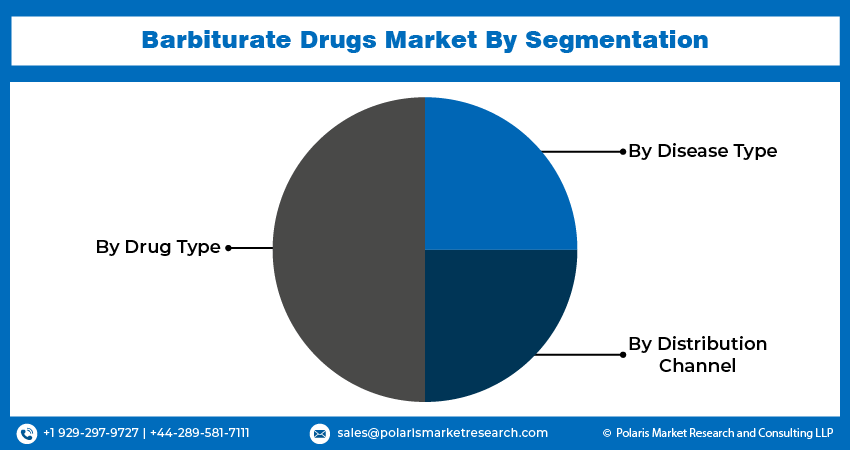
The barbiturate drugs market analysis is primarily segmented based on drug type, disease type, distribution channel, and region.
|
By Drug Type |
By Disease Type |
By Distribution Channel |
By Region |
|
|
|
|
To Understand the Scope of this Report: Speak to Analyst
By Drug Type Analysis
Long-acting barbiturate segment held significant market revenue share in 2025
The long-acting barbiturate segment held significant revenue share in 2025. A long-acting barbiturate belongs to the sedative-hypnotic class of medications, exerting its effects on the central nervous system. These drugs, including phenobarbital, have an extended duration of action compared to short-acting barbiturates, producing a calming or sleep-inducing effect. Physicians commonly prescribe long-acting barbiturates for conditions like epilepsy to control seizures, although their use in managing sleep disorders and anxiety has decreased with the advent of safer alternatives. Despite their therapeutic benefits, caution surrounds long-acting barbiturates due to their potential for abuse, dependence, and tolerance.
By Disease Type Analysis
Epilepsy segment held significant market revenue share in 2025
The epilepsy segment held significant revenue share in 2025. Barbiturate drugs, particularly phenobarbital, present advantages in treating epilepsy. They effectively control seizures by enhancing the neurotransmitter GABA, offering sustained antiepileptic effects with less frequent dosing. Additionally, their affordability make them accessible in resource-limited healthcare settings. However, these benefits are counterbalanced by drawbacks such as sedation, risk of dependence, and potential side effects. With the advent of newer antiepileptic medications featuring improved safety profiles, the use of barbiturates has reduced.
By Distribution Channel Analysis
Retail pharmacies segment held significant revenue share in 2025
The retail pharmacies segment held significant revenue share in 2025. While retail sale of barbiturate drugs is subject to strict regulations, their availability through pharmacies ensures controlled access for individuals with legitimate medical needs. Retail pharmacies, equipped with trained professionals, facilitate the proper dispensing of these medications, enhancing patient education on their usage and potential risks. The regulated sale provides a structured environment for monitoring and helps prevent misuse. Additionally, the convenience of obtaining barbiturate drugs from retail pharmacies ensures that individuals with valid prescriptions can access these medications promptly for the management of conditions like epilepsy, while maintaining a balance between therapeutic use and potential risks.
Regional Insights
North America region accounted for a significant market share in 2025
In 2025, North America region accounted for a significant market share. Barbiturates, such as phenobarbital, are prescribed for various medical conditions, including epilepsy, anxiety, and sleep disorders. The North American barbiturate drugs market has witnessed changes with a decline in barbiturate usage due to safety concerns and the rise of alternative medications. These substances are tightly regulated in the United States and Canada, classified as controlled due to their potential for abuse.
Asia-Pacific is expected to experience growth during the forecast period. The barbiturate drugs industry in Asia-Pacific is influenced by distinct cultural attitudes, regulatory frameworks, and healthcare landscapes. Barbiturates are employed for various conditions, but cultural preferences and traditional therapies impact their acceptance. Diverse regulatory environments across Asian countries affect market accessibility and penetration. The evolving awareness of mental health, changing lifestyles, and heightened stress contribute to a growing demand for pharmaceutical interventions in the region. This further likely to increase the barbiturate market size in the region.

Key Market Players & Competitive Insights
The barbiturate drugs market comprises a diverse array of participants, and the expected entry of new players is poised to intensify competitive dynamics. Leaders in the market continuously enhance their technologies, seeking to maintain a competitive advantage by emphasizing efficiency, reliability, and safety. These entities give priority to strategic actions, including forming alliances, improving product portfolios, and participating in collaborative ventures. Their primary goal is to outperform competitors within the industry, ultimately securing a significant barbiturate drugs market share.
Some of the major players operating in the global barbiturate drugs market include:
- Abbott
- AbbVie Inc.
- Akorn Operating Company LLC
- Centurion Healthcare Private Limited
- Ethypharm
- GlaxoSmithKline plc
- Intas Pharmaceuticals Ltd
- Johnson & Johnson
- Merck & Co., Inc.
- Novartis AG
- Par Pharmaceutical
- Pfizer Inc.
- Samarth Life Sciences Pvt Ltd
- Sun Pharmaceutical Industries Ltd.
- Teva Pharmaceutical Industries Ltd.
Recent Developments
- In October 2025, the FDA approved Azurity Pharmaceuticals' Javadin (clonidine HCl) oral solution. It is the sole FDA-approved immediate-release, ready-to-use oral liquid clonidine for treating hypertension in adults. This approval provides a new, convenient formulation option for patients requiring liquid medication.
- In January 2023, Sun Pharmaceutical Industries Ltd introduced SEZABY, a phenobarbital sodium injection, in the United States for the management of neonatal seizures. According to a regulatory filing by Sun Pharma, SEZABY is the inaugural and sole product sanctioned by the US Food and Drug Administration (USFDA) for addressing neonatal seizures in both term and preterm infants.
Report Coverage
The barbiturate drugs market report emphasizes on key regions across the globe to provide better understanding of the product to the users. Also, the report provides market insights into recent developments, trends and analyzes the technologies that are gaining traction around the globe. Furthermore, the report covers in-depth qualitative analysis pertaining to various paradigm shifts associated with the transformation of these solutions.
The report provides detailed analysis of the market while focusing on various key aspects such as competitive analysis, drug types, disease types, distribution channels, and their futuristic growth opportunities.
Barbiturate Drugs Market Report Scope
|
Report Attributes |
Details |
|
Market size value in 2025 |
USD 489.51 million |
| Market size value in 2026 | USD 504.14 million |
|
Revenue forecast in 2034 |
USD 658.48 million |
|
CAGR |
3.39% from 2026 – 2034 |
|
Base year |
2025 |
|
Historical data |
2021 – 2024 |
|
Forecast period |
2026 – 2034 |
|
Quantitative units |
Revenue in USD million and CAGR from 2026 to 2034 |
|
Segments covered |
|
|
Regional scope |
|
|
Competitive Landscape |
|
|
Report Format |
|
|
Customization |
Report customization as per your requirements with respect to countries, region and segmentation. |
FAQ's
The global Barbiturate Drugs market size is expected to reach USD 658.48 million by 2034
Key players in the market are Akorn Operating Company LLC, Centurion Healthcare Private Limited
North America contribute notably towards the global Barbiturate Drugs Market
Barbiturate Drugs Market exhibiting the CAGR of 3.39% during the forecast period.
The Barbiturate Drugs Market report covering key segments are drug type, disease type, distribution channel, and region.
Page last updated on:
Feb-2024
Research Methodology
A robust system of research, verification, and forecasting designed to ensure reliable and actionable market insights.
Polaris Market Research uses a clear and structured approach to deliver insights that clients can rely on. The process combines detailed primary and secondary research, including direct communication with industry experts. The detailed information helps build a complete picture of market trends and developments. Secondary data is gathered from credible sources such as industry reports, company filings, government source links, and trusted organization databases. It is then cross-checked through discussions with key stakeholders across the value chain. Market size and forecasts are developed using both bottom-up and top-down methods to ensure accuracy and consistency in the final results.
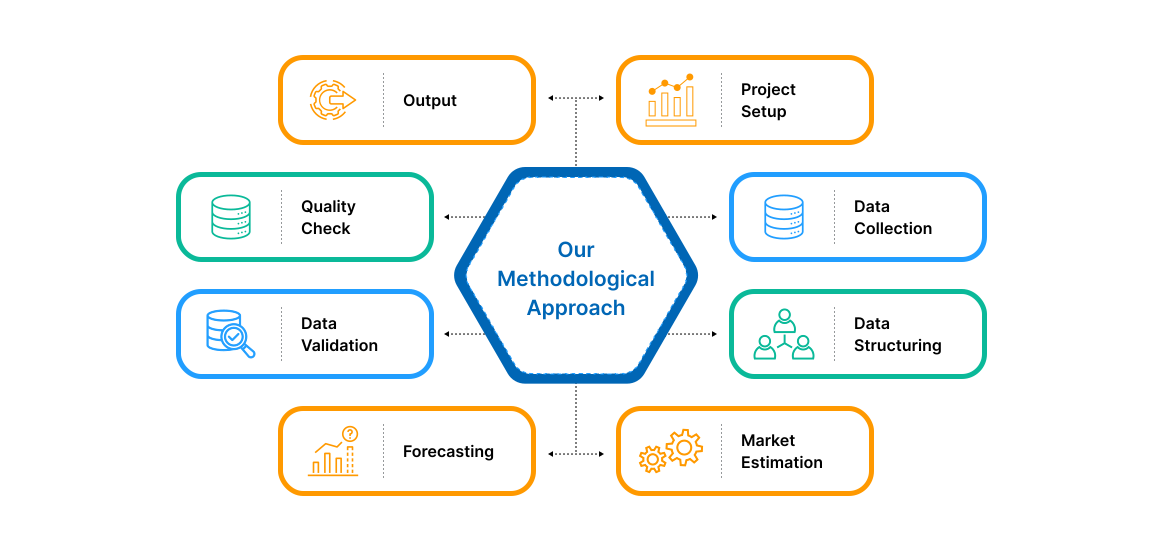
Project Setup
Step 1 & 2:
- We start every project by clearly understanding the client’s objective or goal, then defining the market scope, and aligning regions, segments, and timelines.
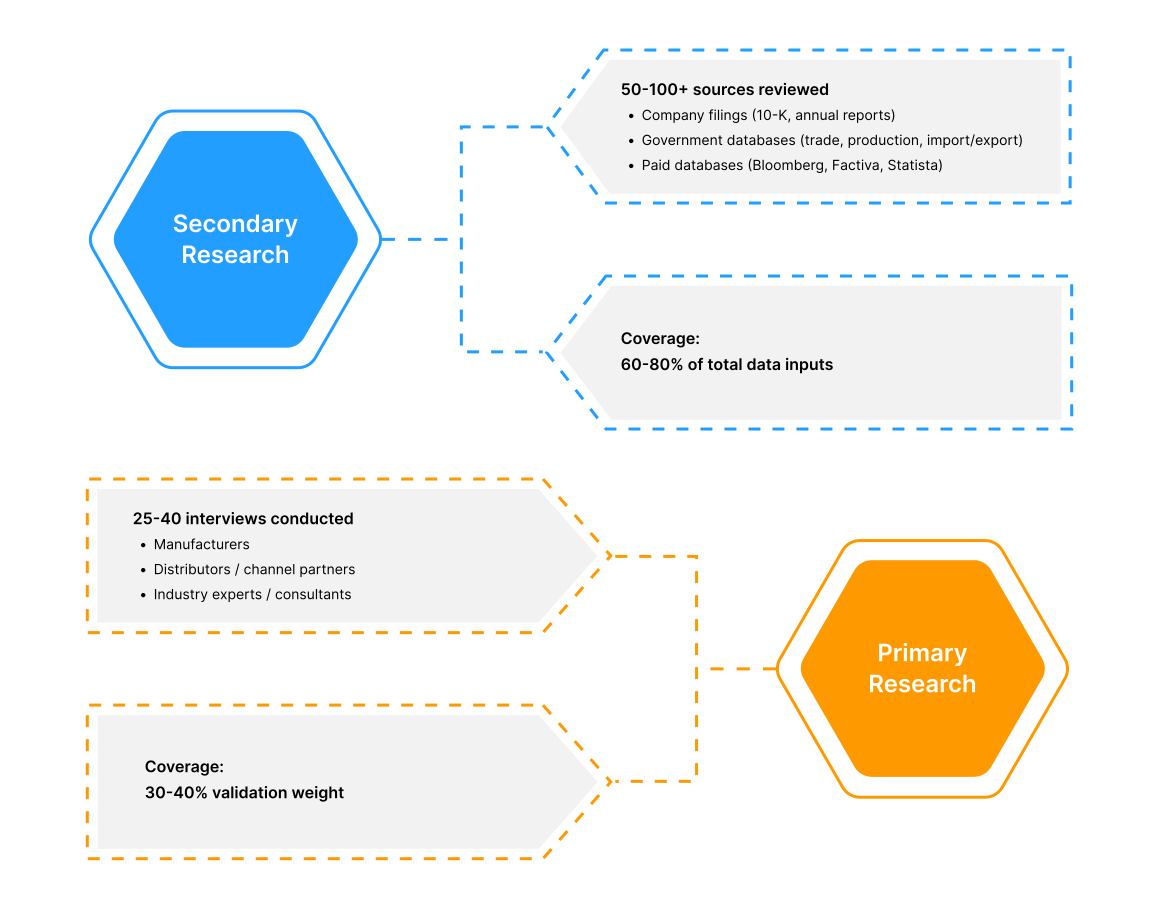
- Once the foundation is set, we collect data from all-around of sources, including company reports, government databases, and paid industry platforms.
- Our research is based on secondary data, which helps us build a strong understanding of the market across regions and industries. Then we validate this information through primary research by speaking directly with industry experts, companies, and stakeholders.
- By combining secondary and primary research, we ensure that our market insights are accurate, practical, and closely aligned with real market conditions.
Data Collection
We gather information from both public and verified sources:
Data Structuring
Step 3:
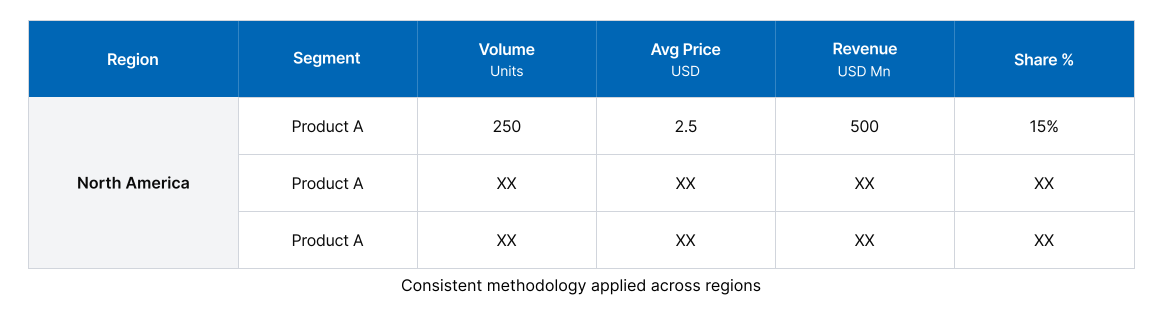
- All collected data is organized into a consistent format to ensure accurate analysis. Since inputs come from multiple sources, they are standardized and aligned before use.
- The data is segmented by product, application, and region, and mapped across a defined historical period (2020–2024). All values are converted into common units (USD Mn/Bn), and volume and pricing are aligned where required to estimate revenue.
- Any overlaps or inconsistencies are reviewed and adjusted to maintain accuracy (<5% variance threshold).
- The result is a structured dataset that allows for clear comparison across regions and supports reliable analysis and forecasting.
Structured Market Dataset, USD Mn/Bn
4. Data Structuring
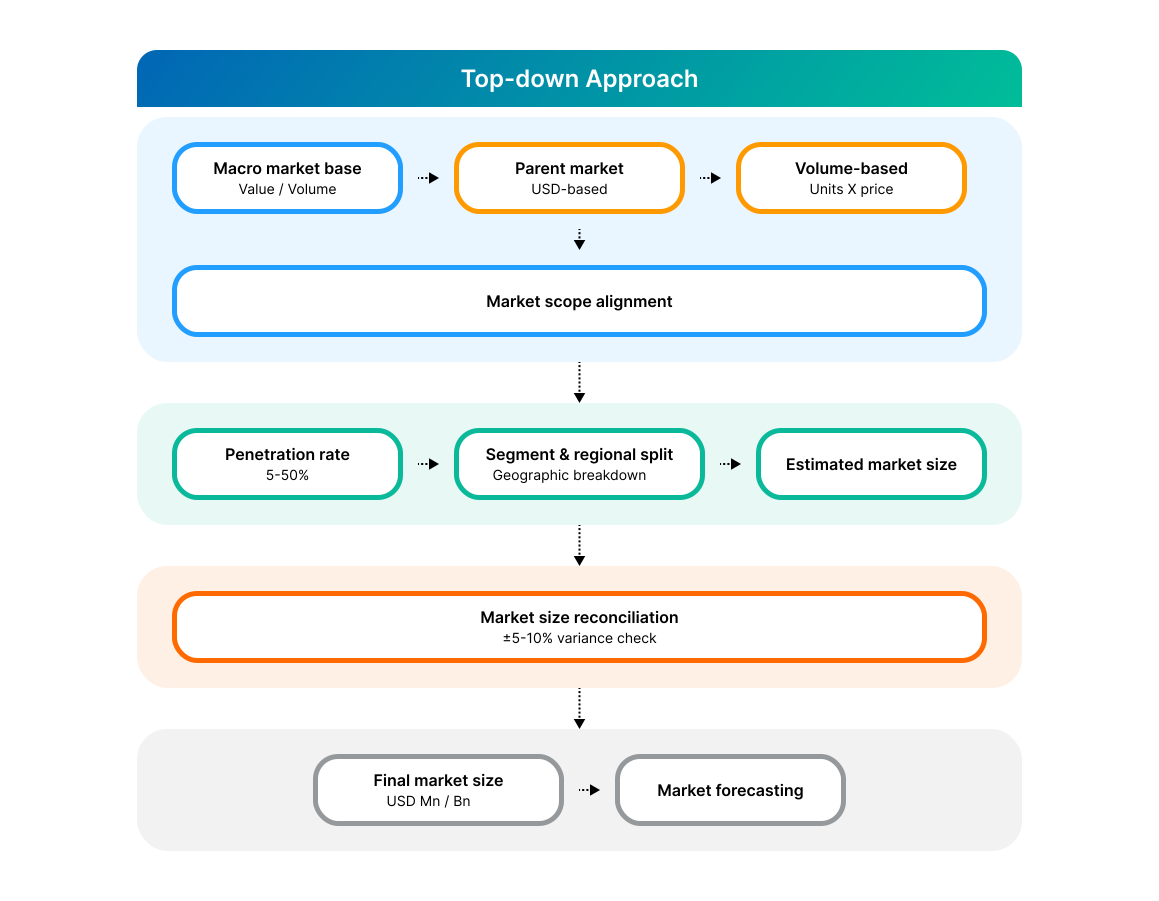
Step 4: TOP-DOWN APPROACH
- We start with the overall market size at a global or macro level.
- The market is then narrowed down based on scope and industry relevance.
- We apply penetration rates and split the data by region and segment.
- This helps us estimate the market size for specific segments.
- The numbers are validated through cross-checks to ensure accuracy.
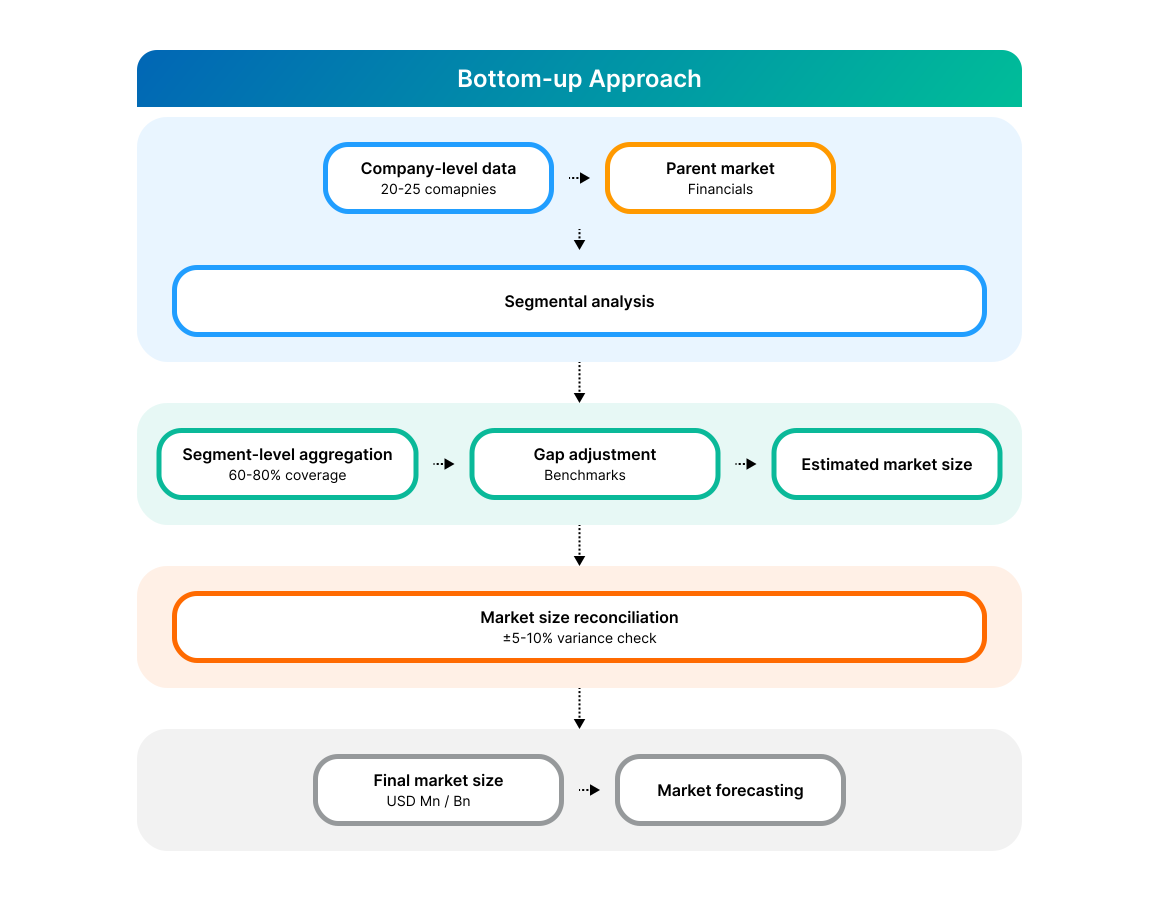
Step 5: BOTTOM-UP APPROACH
- We begin by analyzing data from leading companies in the market.
- Revenue data is collected and mapped across different segments.
- The data is then aggregated to estimate the total market size.
- To fill in any gaps, adjustments are made based on industry standards.
- Validation checks make sure that the results are correct.
5. Data Structuring
Step 6:
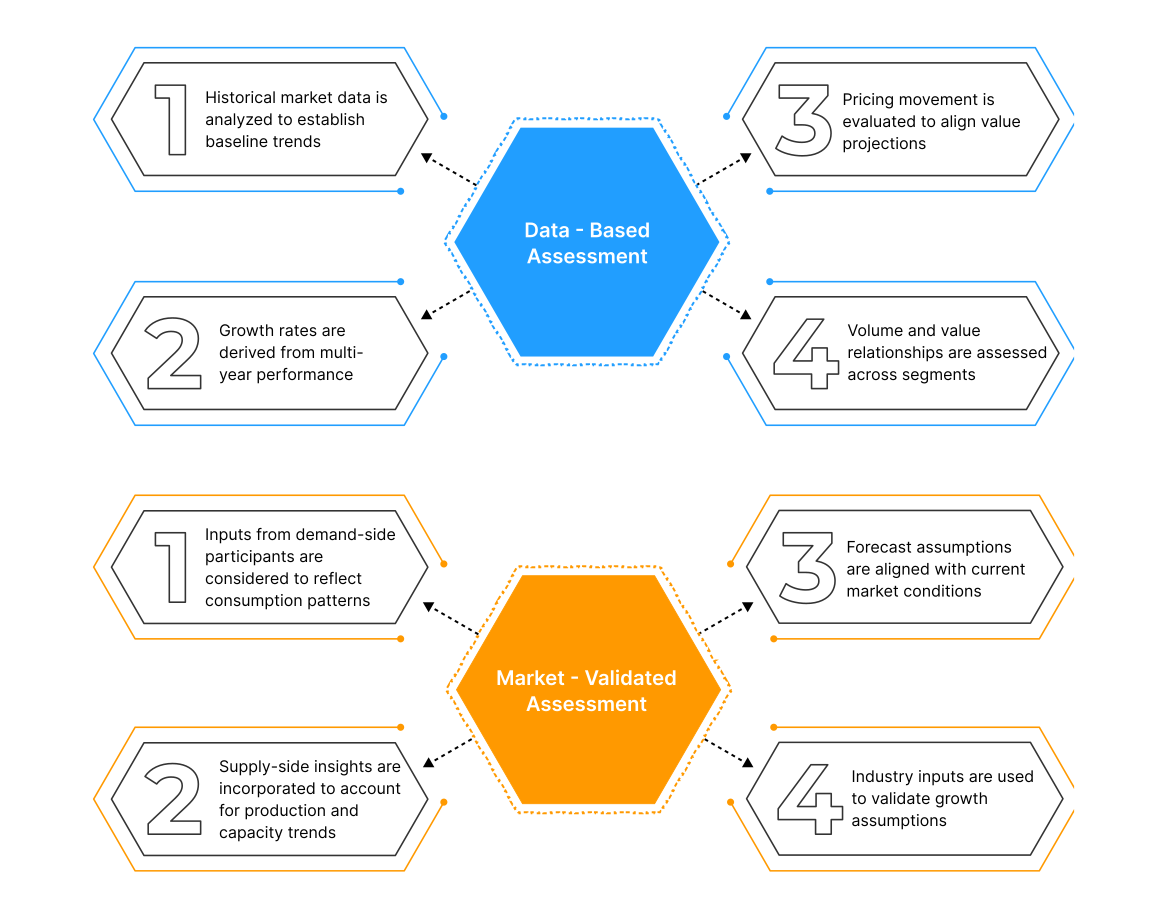
At Polaris Market Research, we employ a methodical forecasting strategy. This approach blends the analysis of historical data with real-time market validation. To forecast future trends with precision, we examine past patterns, pricing fluctuations, and the interplay of supply and demand. To ensure our conclusions reflect the present market landscape, we actively seek input from industry experts and key stakeholders.
To refine our predictions, we carefully consider critical elements such as market drivers and restraints, fluctuations in raw material costs, emerging technologies, and the production capabilities of various regions. Furthermore, we assess regulatory frameworks and potential policy shifts to gauge their potential impact on market expansion.
All this information is synthesized to generate precise forecasts for each segment and region. These forecasts illuminate the current state of the market and highlight forthcoming opportunities.
6. Data Structuring
Step 7:
In the final stage, we validate all our estimates using a triangulation method, where data is cross-checked from multiple reliable sources, like company data, primary interviews, and secondary research. This helps us make sure that our numbers are correct and fit with the rest of the market.
This process involves verifying data consistency across various segments and geographic areas. It also requires comparing historical trends with the assumptions support the forecast. Any discrepancies involve adjustments to ensure everything remains aligned and dependable.
Once the data is finalized, we prepare the final outputs, including market size estimates, segment-wise breakdowns, and growth metrics. These are delivered in structured formats such as tables, charts, and data files for easy analysis and use.
We collaborate closely with clients, ensuring the final products align with their requirements. This includes offering tailored adjustments, supplementary data analyses, and continuous assistance. Furthermore, we monitor market trends post-delivery, providing updates and refinements to maintain the insights' relevance as time passes.
Post-delivery, we continue to monitor market shifts, offering updates and adjustments to ensure the insights remain relevant over time.
Validation
Triangulation Framework
- Company-level data
- Primary inputs from industry participants
- Secondary benchmarks and published data
- Variance maintained within ±5-10%
- Adjustments applied to align estimates
- Segment values validated against overall market structure
Quality Check
Data Consistency & Integrity
- Segment totals validated to 100%
- Regional estimates aligned with global market size
- Historical trends compared against forecast outputs
- Assumptions reviewed for cross-segment and regional alignment
Output & Delivery
Final Outputs
- Market size estimates (USD Mn/Bn)
- Segment-wise distribution (%)
- Growth metrics (CAGR %)
- Structured tables and charts
- Segment-level datasets
- Excel-based data files for further analysis
Client Alignment & Support
- Deliverables are aligned with defined client requirements and scope
- Custom data cuts and segment splits are incorporated as required
- Post-delivery queries are addressed through analyst interactions
- Additional clarifications and data support are provided upon request
Client Continuity & Updates
- Market developments are tracked post-delivery to capture changes in key trends
- Updated data and revisions are provided based on new market inputs
- Additional refinements and data cuts are shared as required
- Continued analyst engagement supports evolving client requirements


