

Overview
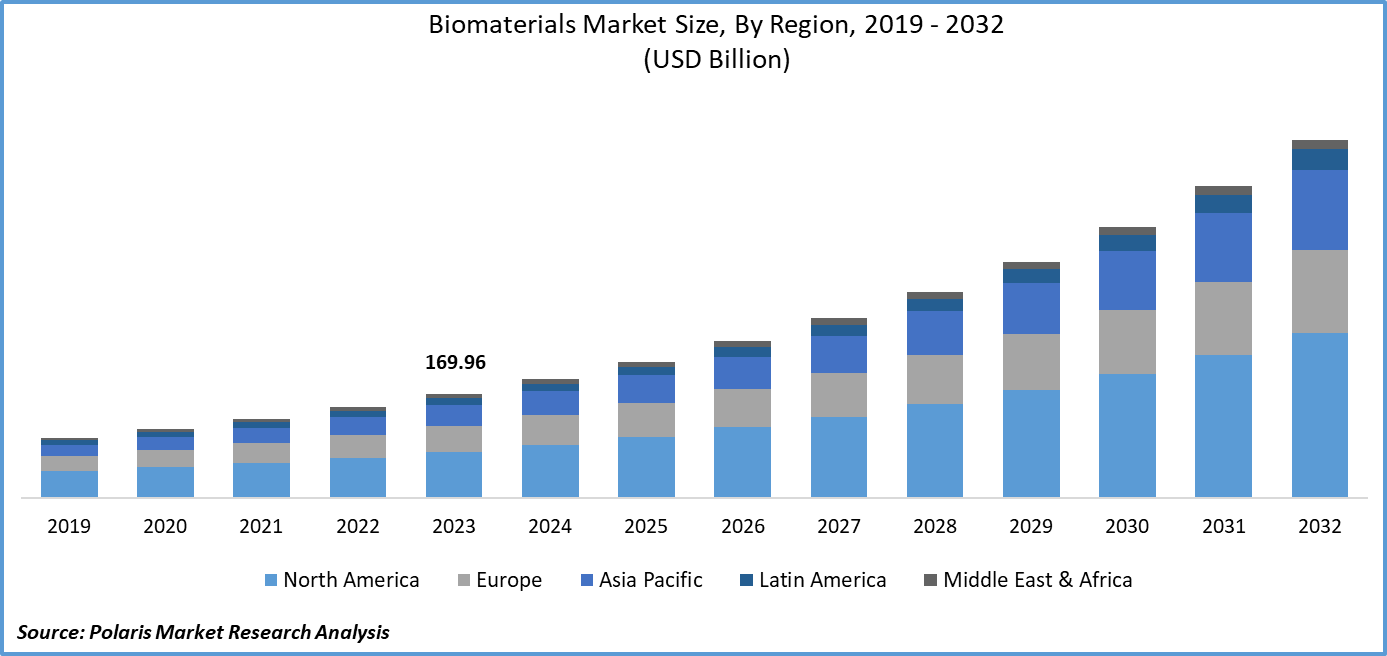
The global biomaterials market is estimated around USD 47.22 Billion in 2025, with consistent growth anticipated during 2026–2034. Growth is driven by rising orthopedic and cardiovascular surgeries and increasing demand for implantable medical devices. The market is projected to grow at a CAGR of 7.5% during the forecast period.
Key Takeaways:
- North America accounted for the largest regional share of around 41.3% in 2025, driven by strong demand for orthopedic and cardiovascular implants and high volume of joint replacement procedures.
- Asia Pacific is projected to grow at a CAGR of 8.1%, driven by expanding healthcare infrastructure, rising surgical procedures, and increasing adoption of advanced biomaterials.
- By Type, Metallic segment accounted for the largest share of approximately 57.6% in 2025, supported by high mechanical strength, corrosion resistance, and widespread use in orthopedic and cardiovascular implants.
- By Application, Tissue Engineering segment is projected to grow at a CAGR of 8.7%, driven by growing research in regenerative medicine and increasing adoption of scaffold-based therapies.
Market Statistics
- 2025 Market Size: USD 47.22 Billion
- 2034 Projected Market Size: USD 90.30 Billion
- CAGR (2026-2034): 7.5%
- North America: Largest market in 2025
Industry Dynamics
- Rising orthopedic and cardiovascular surgeries are increasing the adoption of biomaterials in medical implants.
- Expanding elderly population is raising the incidence of degenerative diseases requiring biomaterial-based implants.
- Strict regulatory approval processes delay the commercialization of new biomaterial technologies.
- Expansion of advanced biomaterials technology such as 3D printing biomaterials creates new opportunities in the global biomaterials market.
What is the Biomaterials Market?
The biomaterials are defined as structured development and supply of materials intended for medical and healthcare applications. It consists of raw materials, biomaterial manufacturers, medical device companies, and research organizations that create materials that can be used as implants or treatments. It is used by medical organizations, healthcare services, and research organizations that need materials that can interact with the body.
The biomaterials market consists of metallic biomaterials, ceramic biomaterials, polymer biomaterials, and natural biomaterials. It is used in medical device applications that require materials that can interact with the body. Biomaterial manufacturers provide materials to medical device companies in the regulated healthcare supply chain.
To Understand More About this Research:Request a Free Sample Report
Biomaterials is an industry that is different from conventional materials used in construction or consumer products. Materials used in construction or consumer products focus on strength and durability. Biomaterials focus on biocompatibility, corrosion resistance, and safe interaction with human tissues. These materials support medical treatments, implant procedures, and regenerative healthcare technologies.
Drivers & Opportunities
Increasing number of orthopedic and cardiovascular surgeries: Rising surgical procedures for orthopedic and cardiovascular conditions are increasing the demand for implantable biomaterials. Hospitals need biomaterials to perform joint replacement surgeries, bone fixation surgeries, vascular grafts, and heart valve replacement surgeries. The increasing rate of surgeries is boosting the use of advanced medical biomaterials in healthcare systems.
Growing elderly population: Increase in the population of aged people is resulting in rising degenerative diseases like bone diseases and cardiovascular diseases. WHO estimated that by 2030, one in every six people in the world will belong to the age group of 60 years or above. This age group is increasing from 1 billion in 2020 to 1.4 billion in 2030. This population is expected to rise to 2.1 billion by 2050. Also, the population of individuals aged 80 years or above is expected to rise to 426 million. This population requires medical implants made of biocompatible materials.
Restraints & Challenges
Strict regulatory approval requirements: Regulatory approval of medical biomaterials involves extensive safety evaluations. Medical device manufacturers must complete multiple stages of testing before commercialization. These regulatory procedures increase product development timelines and delay the introduction of new biomaterial technologies.
Opportunity
Expansion of 3D bioprinting technologies: 3D bioprinting is generating opportunities for biomaterial scaffolds in regenerative medicine. Researchers and medical device companies have been developing biomaterials that can be used for the growth of tissues and repair of organs. In November 2025, Amerigo Scientific announced a wide range of advanced 3D bioprinters and biomaterials to drive innovation in biomedical research and tissue engineering. This technology is increasing the demand for advanced biomaterials used in personalized medical implants and tissue engineering applications.
Segmental Insights
This report offers detailed coverage of the biomaterials market by type and application to help readers identify the fastest expanding and most attractive demand segments.
By Type
-
Metallic
Metallic biomaterials accounted for the highest market share in 2025, owing to strong use in orthopedic and cardiovascular implants. Materials such as titanium and stainless steel provide high mechanical strength and corrosion resistance. Metallic biomaterials are used in joint replacements, bone fixation devices, and cardiovascular devices by hospitals and manufacturers of medical devices.
-
Polymeric
Polymeric biomaterials segment is projected to grow at the fastest CAGR during the forecast period, due to increasing demand for flexible and biocompatible materials in medical devices. Polymeric biomaterials support applications in sutures, wound healing products, and drug delivery systems. Expanding research in biodegradable polymers is increasing their use in advanced medical treatments.
By Application
-
Orthopedic
Orthopedic applications accounted for the highest market share in 2025, owing to increasing demand for joint replacement and bone repair procedures. Biomaterials are widely used in hip implants, knee implants, and bone fixation devices. Increasing incidence of bone disorders and sports injuries is boosting the market for orthopedic biomaterials.
-
Tissue Engineering
Tissue engineering segment is projected to grow at the fastest CAGR during the forecast period, due to increasing research in regenerative medicine. Biomaterials support the development of scaffolds that promote cell growth and tissue regeneration. Growing adoption of regenerative therapies is increasing the demand for biomaterials used in tissue engineering applications.
Regional Analysis
North America Market Assessment
North America biomaterials market dominated in 2025, driven by strong demand for orthopedic and cardiovascular implants across the US and Canada. The region has a high incidence of joint replacement and cardiovascular procedures, thereby boosting the demand for biomaterials. For instance, Cleveland Clinic reported that joint replacement surgeries remain common in the US, with surgeons performing over 850,000 knee replacements and more than 450,000 hip replacements each year. This trend is strengthening the US biomaterials market and increasing the use of advanced implant materials in healthcare facilities.
Asia Pacific Biomaterials Market Insights
Asia Pacific biomaterials market is projected to grow at the fastest CAGR during the forecast period, owing to expanding healthcare infrastructure and rising surgical procedures. As per Global Surgery 2030 report, Asia faces a significant unmet surgical need, with around 27.9 million cases in East Asia, 57.8 million in South Asia, 12.5 million in Southeast Asia, and 0.9 million in Central Asia, totaling nearly 99.1 million unmet surgical procedures annually. Also, China and India are increasing investments in hospitals, medical device manufacturing, and biomedical research. These developments are strengthening the China biomaterials market and the India biomaterials market.
Europe Biomaterials Market Overview
Europe was the second largest market for biomaterials driven by strong medical device manufacturing and increasing aging population. Germany, France, and the UK are expanding the use of medical devices in the fields of orthopedics and dentistry. According to the European Commission, the EU's population size was recorded at 450.6 million in January 2025. Out of the total EU population, 22.0% were aged 65 years and above. Furthermore, rising incidence of age-related bone and cardiovascular diseases is increasing the demand for biomaterials used in medical implants across the region.

Key Players & Competitive Analysis Report
The competitive landscape is affected by the constant research and development in the field of biocompatible materials and medical implants. Companies are trying to develop better materials that provide better durability and resistance to corrosion while increasing their compatibility with living tissues. The interaction with medical device companies and research centers is facilitating the development of better biomaterials.
Some of the leading companies in the biomaterials market are Zimmer Biomet, Stryker Corporation, Medtronic plc, DePuy Synthes, DSM-Firmenich, Evonik Industries AG, Corbion N.V., Covestro AG, Carpenter Technology Corporation, BASF SE, Victrex plc, CAM Bioceramics B.V., and many more.
Future Trends and Technology Innovations
Smart and Bioactive Biomaterials
Smart and bioactive biomaterials have the potential to make a notable contribution to the development of the next generation of medical implants and therapeutic materials that can interact with the biological tissues to facilitate faster healing. Advanced technology in biomaterials has led to the utilization of smart and bioactive biomaterials in orthopedics, cardiovascular applications, and tissue engineering.
3D Printing Biomaterials
3D printing biomaterials have the potential to revolutionize the design and production of medical implants and scaffolds. Medical device companies have the potential to design customized medical implants that match the anatomy of the patient. 3D printing biomaterials have the potential to extend the application of medical materials in orthopedic surgery, dental implants, and tissue engineering.
Nanotechnology in Biomaterials
Nanotechnology biomaterials have the potential to enhance the structural and biological properties of medical materials. Nanostructured surfaces have the potential to attach cells and tissues in medical implants. Continuous research in nanotechnology biomaterials is supporting the development of advanced biomaterials technology used in regenerative medicine and biomedical devices.
Key Players
- BASF SE
- CAM Bioceramics B.V.
- Carpenter Technology Corporation
- Corbion N.V.
- Covestro AG
- DePuy Synthes
- DSM-Firmenich
- Evonik Industries AG
- Medtronic plc
- Stryker Corporation
- Victrex plc
- Zimmer Biomet
Industry Developments
- March 2026: Researchers at ETH Zurich developed a laser-printed hydrogel biomaterial implant that mimics the body’s early bone-healing structure and supports bone regeneration for severe fractures.
- February 2026: Zimmer Biomet received FDA 510(k) clearance for its G7 TM Acetabular System, strengthening the use of advanced biomaterials in hip implants designed for complex primary and revision joint replacement procedures.
Biomaterials Market Segmentation
By Type Outlook (Revenue, USD Billion, 2021-2034)
- Metallic
- Polymeric
- Ceramic
- Natural
By Application Outlook (Revenue, USD Billion, 2021-2034)
- Orthopedic
- Joint Replacement biomaterials
- Orthobiologics
- Bioresorbable Tissue Fixation Products
- Viscosupplementation
- Spine Biomaterials
- Others
- Cardiovascular Devices
- Sensors
- Stents
- Guidewires
- Implantable Cardiac Defibrillators
- Pacemakers
- Vascular Grafts
- Others
- Dental Implants
- Wound Healing
- Fracture Healing Device
- Adhesion Barrier
- Skin Substitutes
- Internal Tissue Sealant
- Surgical Hemostats
- Others
- Tissue Engineering
By Regional Outlook (Revenue, USD Billion, 2021-2034)
- North America
- US
- Canada
- Europe
- Germany
- France
- UK
- Italy
- Spain
- Netherlands
- Russia
- Rest of Europe
- Asia Pacific
- China
- Japan
- India
- Malaysia
- South Korea
- Indonesia
- Australia
- Vietnam
- Rest of Asia Pacific
- Middle East & Africa
- Saudi Arabia
- UAE
- Israel
- South Africa
- Rest of Middle East & Africa
- Latin America
- Mexico
- Brazil
- Argentina
- Rest of Latin America
Biomaterials Market Report Scope
|
Report Attributes |
Details |
|
Market Size in 2025 |
USD 47.22 Billion |
|
Market Size in 2026 |
USD 50.62 Billion |
|
Revenue Forecast by 2034 |
USD 90.30 Billion |
|
CAGR |
7.5% from 2026 to 2034 |
|
Base Year |
2025 |
|
Historical Data |
2022–2024 |
|
Forecast Period |
2026–2034 |
|
Quantitative Units |
Revenue in USD Billion and CAGR from 2026 to 2034 |
|
Report Coverage |
Revenue Forecast, Competitive Landscape, Growth Factors, and Industry Trends |
|
Segments Covered |
|
|
Regional Scope |
|
|
Competitive Landscape |
|
|
Report Format |
|
|
Customization |
Report customization as per your requirements with respect to countries, regions, and segmentation. |
FAQ's
The global market size was valued at USD 47.22 Billion in 2025 and is projected to grow to USD 90.30 Billion by 2034.
North America dominates due to high volume of orthopedic and cardiovascular surgeries and strong presence of medical device manufacturers.
Major applications include orthopedic implants, cardiovascular devices, dental implants, wound healing products, and tissue engineering.
A few of the key players in the market are Zimmer Biomet, Stryker Corporation, Medtronic plc, DePuy Synthes, DSM-Firmenich, Evonik Industries AG, Corbion N.V., Covestro AG, Carpenter Technology Corporation, BASF SE, Victrex plc, CAM Bioceramics B.V., and others.
The factors propelling growth include rising orthopedic and cardiovascular procedures and growing elderly population requiring implantable medical devices.
Page last updated on:
Mar-2024
Research Methodology
A robust system of research, verification, and forecasting designed to ensure reliable and actionable market insights.
Polaris Market Research uses a clear and structured approach to deliver insights that clients can rely on. The process combines detailed primary and secondary research, including direct communication with industry experts. The detailed information helps build a complete picture of market trends and developments. Secondary data is gathered from credible sources such as industry reports, company filings, government source links, and trusted organization databases. It is then cross-checked through discussions with key stakeholders across the value chain. Market size and forecasts are developed using both bottom-up and top-down methods to ensure accuracy and consistency in the final results.
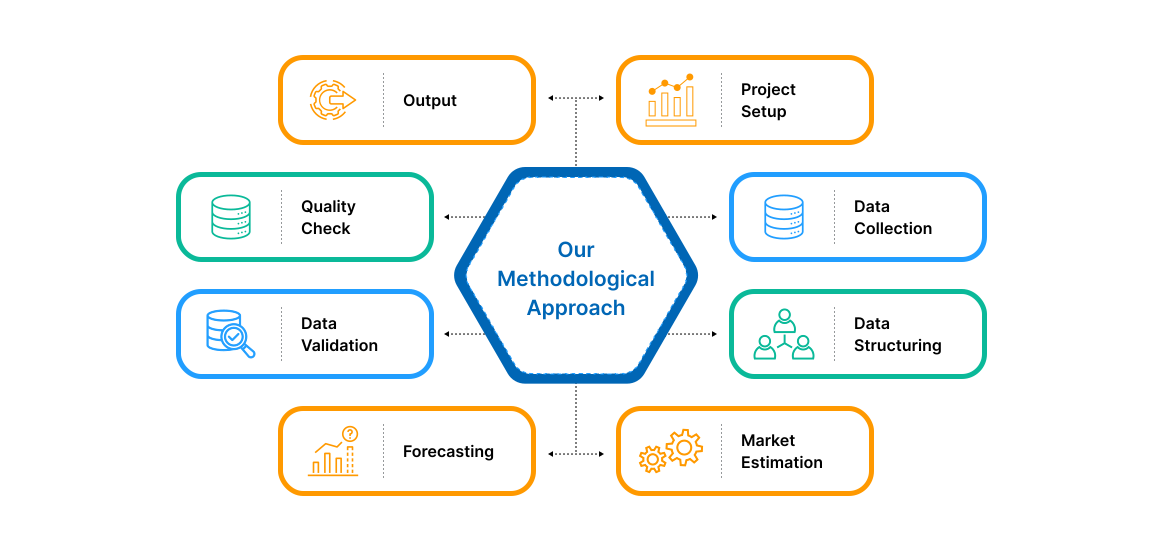
Project Setup
Step 1 & 2:
- We start every project by clearly understanding the client’s objective or goal, then defining the market scope, and aligning regions, segments, and timelines.
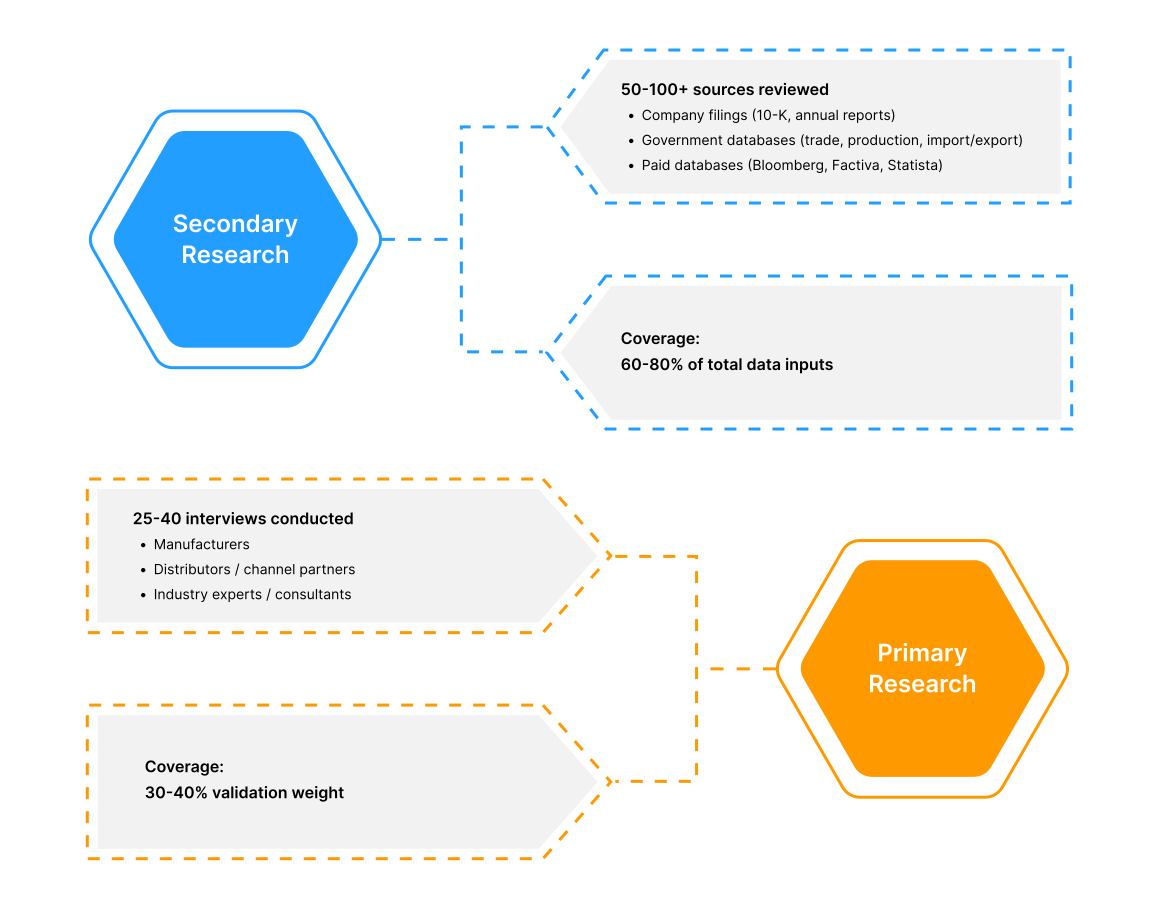
- Once the foundation is set, we collect data from all-around of sources, including company reports, government databases, and paid industry platforms.
- Our research is based on secondary data, which helps us build a strong understanding of the market across regions and industries. Then we validate this information through primary research by speaking directly with industry experts, companies, and stakeholders.
- By combining secondary and primary research, we ensure that our market insights are accurate, practical, and closely aligned with real market conditions.
Data Collection
We gather information from both public and verified sources:
Data Structuring
Step 3:
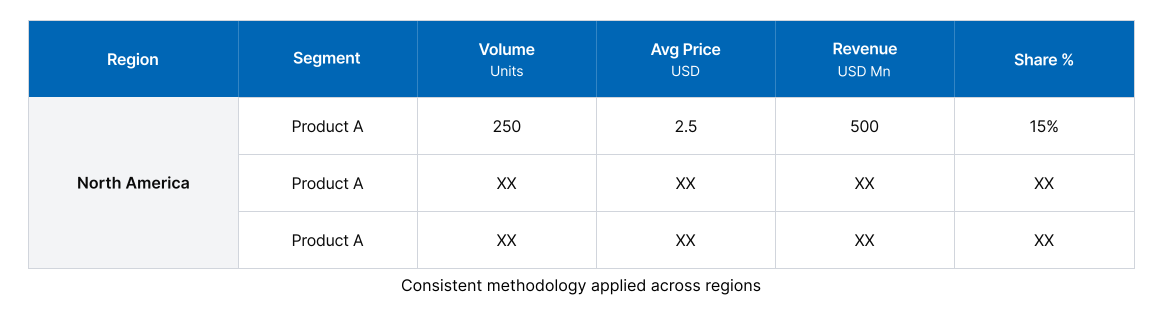
- All collected data is organized into a consistent format to ensure accurate analysis. Since inputs come from multiple sources, they are standardized and aligned before use.
- The data is segmented by product, application, and region, and mapped across a defined historical period (2020–2024). All values are converted into common units (USD Mn/Bn), and volume and pricing are aligned where required to estimate revenue.
- Any overlaps or inconsistencies are reviewed and adjusted to maintain accuracy (<5% variance threshold).
- The result is a structured dataset that allows for clear comparison across regions and supports reliable analysis and forecasting.
Structured Market Dataset, USD Mn/Bn
4. Data Structuring
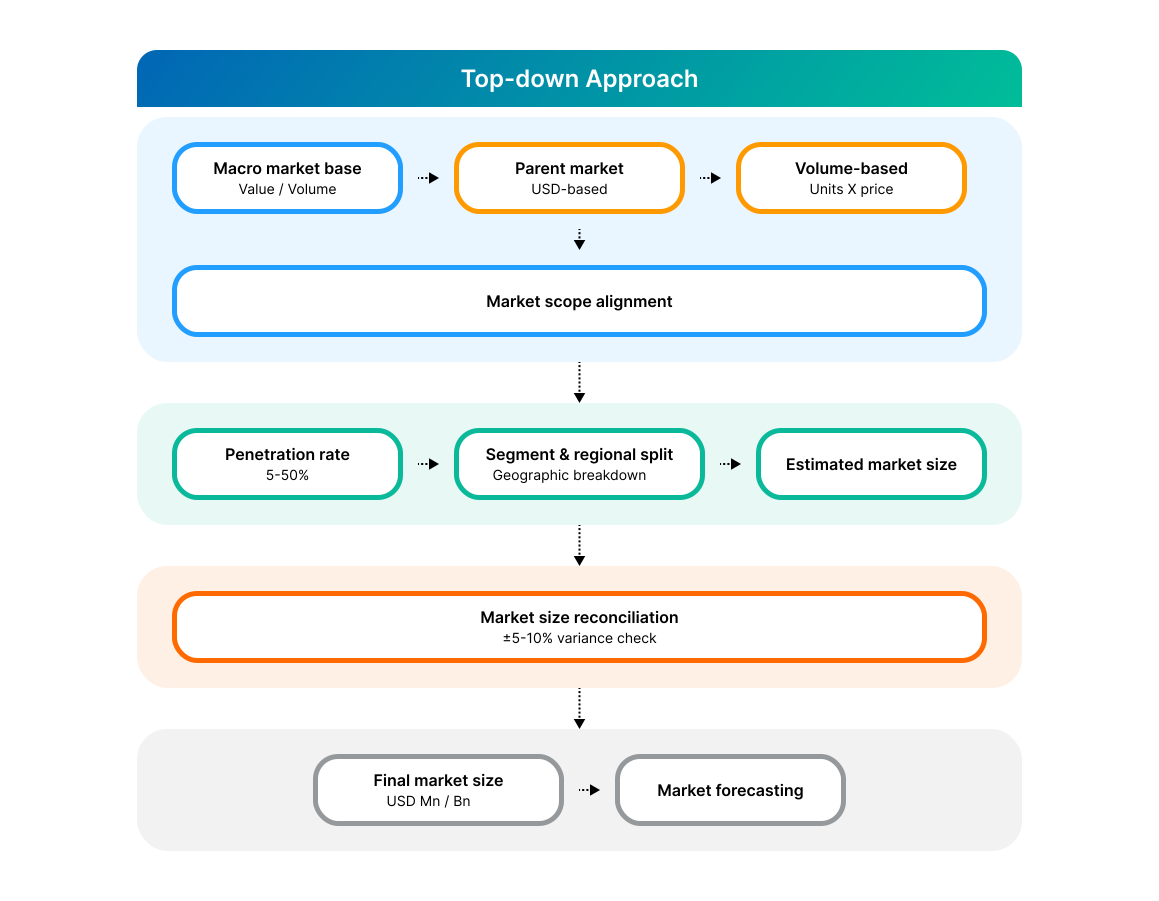
Step 4: TOP-DOWN APPROACH
- We start with the overall market size at a global or macro level.
- The market is then narrowed down based on scope and industry relevance.
- We apply penetration rates and split the data by region and segment.
- This helps us estimate the market size for specific segments.
- The numbers are validated through cross-checks to ensure accuracy.
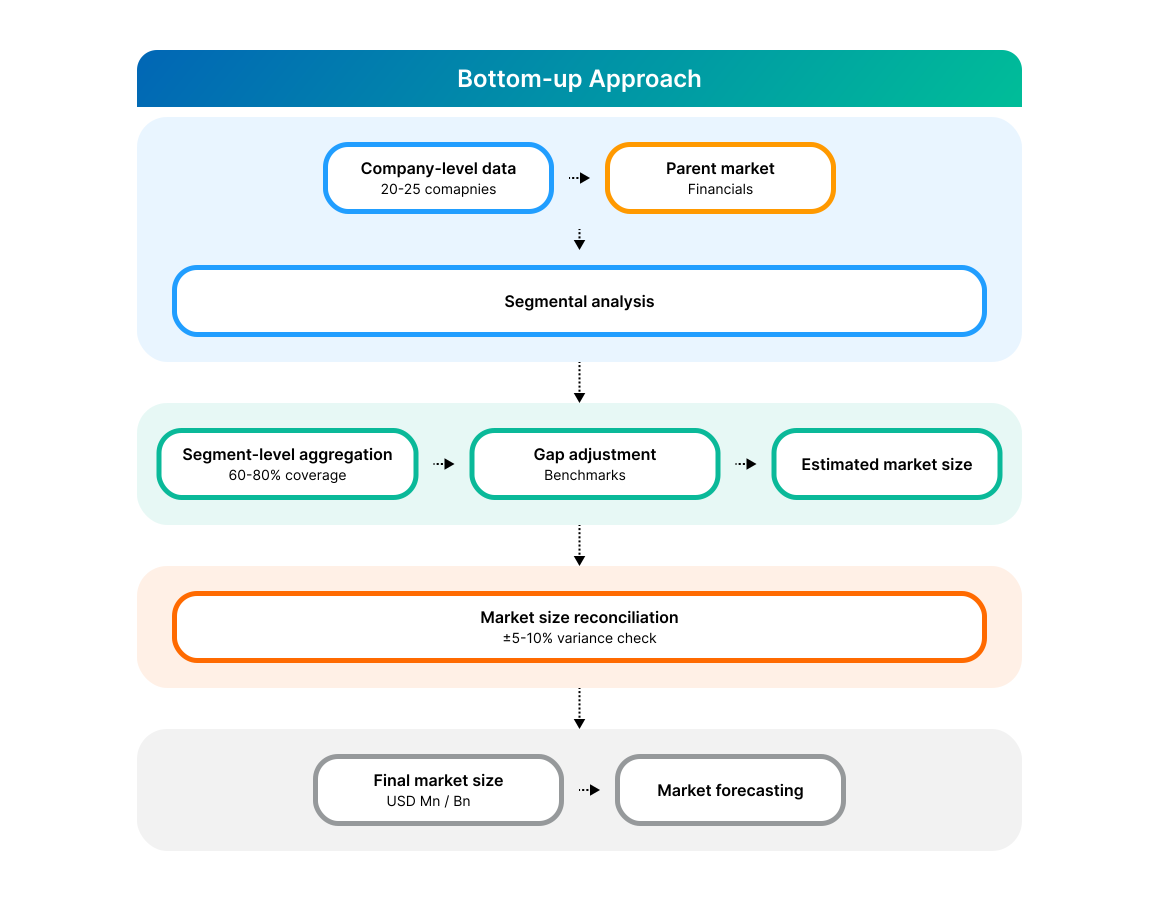
Step 5: BOTTOM-UP APPROACH
- We begin by analyzing data from leading companies in the market.
- Revenue data is collected and mapped across different segments.
- The data is then aggregated to estimate the total market size.
- To fill in any gaps, adjustments are made based on industry standards.
- Validation checks make sure that the results are correct.
5. Data Structuring
Step 6:
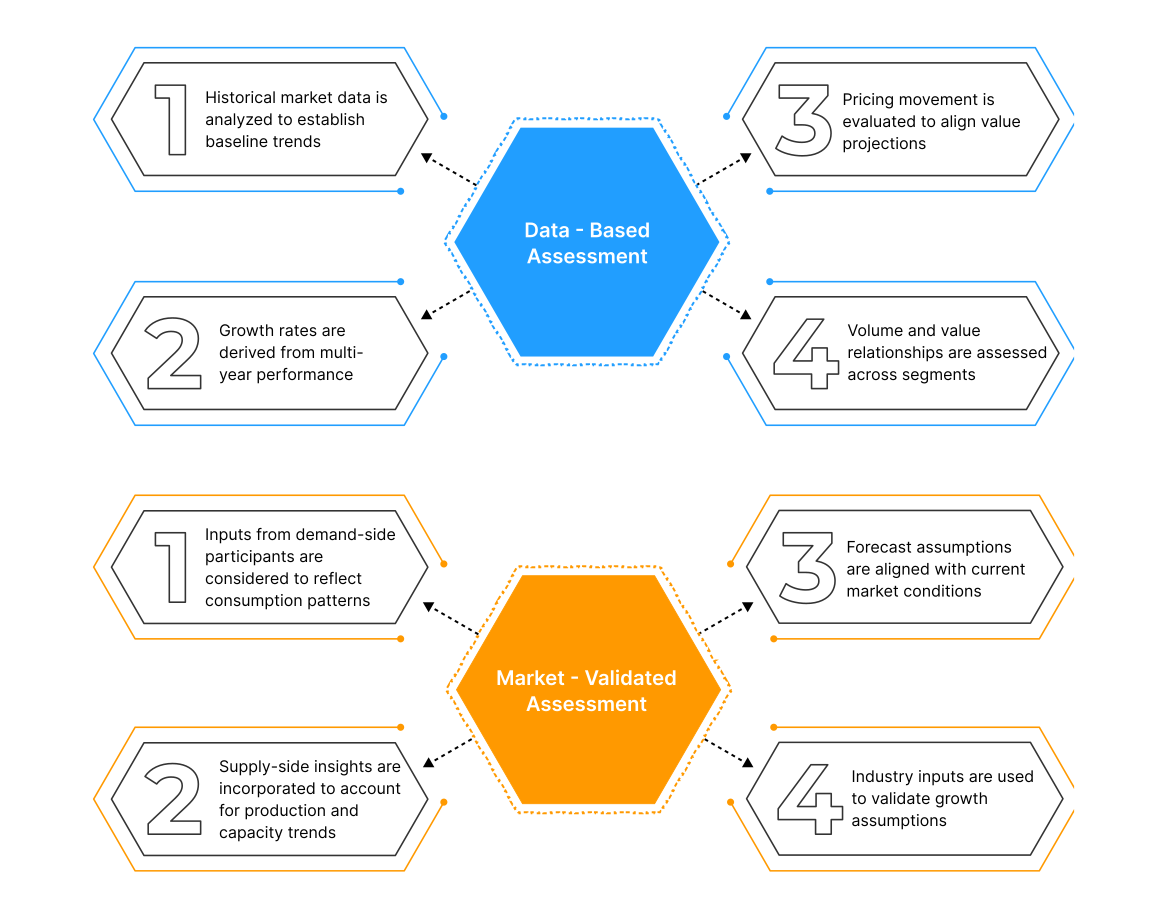
At Polaris Market Research, we employ a methodical forecasting strategy. This approach blends the analysis of historical data with real-time market validation. To forecast future trends with precision, we examine past patterns, pricing fluctuations, and the interplay of supply and demand. To ensure our conclusions reflect the present market landscape, we actively seek input from industry experts and key stakeholders.
To refine our predictions, we carefully consider critical elements such as market drivers and restraints, fluctuations in raw material costs, emerging technologies, and the production capabilities of various regions. Furthermore, we assess regulatory frameworks and potential policy shifts to gauge their potential impact on market expansion.
All this information is synthesized to generate precise forecasts for each segment and region. These forecasts illuminate the current state of the market and highlight forthcoming opportunities.
6. Data Structuring
Step 7:
In the final stage, we validate all our estimates using a triangulation method, where data is cross-checked from multiple reliable sources, like company data, primary interviews, and secondary research. This helps us make sure that our numbers are correct and fit with the rest of the market.
This process involves verifying data consistency across various segments and geographic areas. It also requires comparing historical trends with the assumptions support the forecast. Any discrepancies involve adjustments to ensure everything remains aligned and dependable.
Once the data is finalized, we prepare the final outputs, including market size estimates, segment-wise breakdowns, and growth metrics. These are delivered in structured formats such as tables, charts, and data files for easy analysis and use.
We collaborate closely with clients, ensuring the final products align with their requirements. This includes offering tailored adjustments, supplementary data analyses, and continuous assistance. Furthermore, we monitor market trends post-delivery, providing updates and refinements to maintain the insights' relevance as time passes.
Post-delivery, we continue to monitor market shifts, offering updates and adjustments to ensure the insights remain relevant over time.
Validation
Triangulation Framework
- Company-level data
- Primary inputs from industry participants
- Secondary benchmarks and published data
- Variance maintained within ±5-10%
- Adjustments applied to align estimates
- Segment values validated against overall market structure
Quality Check
Data Consistency & Integrity
- Segment totals validated to 100%
- Regional estimates aligned with global market size
- Historical trends compared against forecast outputs
- Assumptions reviewed for cross-segment and regional alignment
Output & Delivery
Final Outputs
- Market size estimates (USD Mn/Bn)
- Segment-wise distribution (%)
- Growth metrics (CAGR %)
- Structured tables and charts
- Segment-level datasets
- Excel-based data files for further analysis
Client Alignment & Support
- Deliverables are aligned with defined client requirements and scope
- Custom data cuts and segment splits are incorporated as required
- Post-delivery queries are addressed through analyst interactions
- Additional clarifications and data support are provided upon request
Client Continuity & Updates
- Market developments are tracked post-delivery to capture changes in key trends
- Updated data and revisions are provided based on new market inputs
- Additional refinements and data cuts are shared as required
- Continued analyst engagement supports evolving client requirements


