

Market Overview
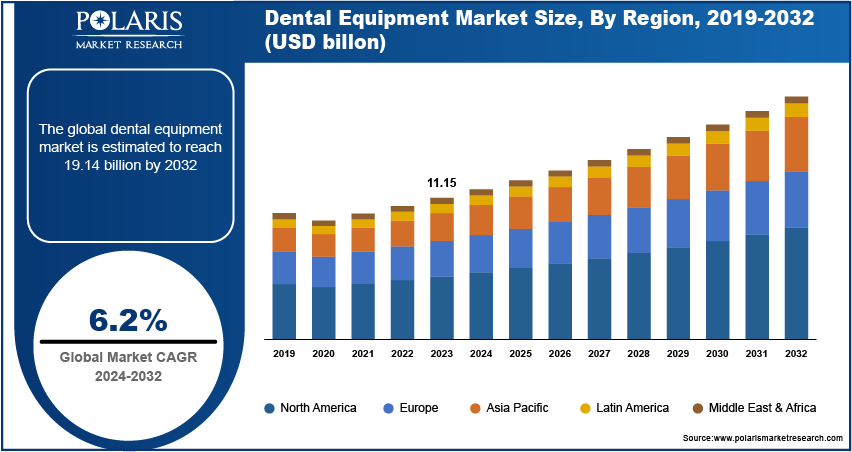
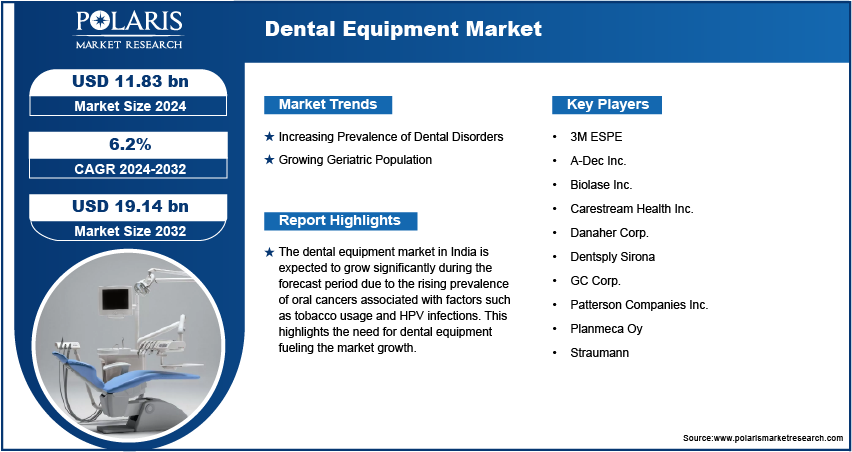
The global dental equipment market size was valued at USD 7.80 billion in 2025. It is expected to grow at a CAGR of 5.6% during 2026–2034. The market is primarily driven by rapid technological advancements and rising demand for minimally invasive treatments. The market also benefits from supportive government initiatives, the rising prevalence of oral diseases, and an aging population with greater dental care needs.
The dental equipment considered in this report includes diagnostic imaging equipment such as cone beam computed tomography (CBCT) systems, dental CAD/CAM systems, dental lasers, treatment units and dental chairs, sterilization and hygiene equipment, and other equipment and components. The dental equipment excludes dental consumables or dental services unless otherwise stated. Demand is also being driven by the shift towards digital dentistry workflows that integrate imaging and diagnosis with digital design, chairside or laboratory production, and minimally invasive treatment procedures. This shift is also encouraging clinics and hospitals to upgrade their equipment to improve accuracy, efficiency, and patient experience.
Key Insights
- The dental systems & parts segment held the largest dental equipment market share in 2025 due to growing demand for diagnostic and precision equipment such as digital radiography, CAD/CAM systems, and CBCT.
- The hospitals & clinics end‑use segment is expected to grow the fastest, driven by the expansion of dental clinics and hospitals globally, especially in emerging economies.
- North America dominated in 2025. This is due to strong insurance infrastructure and high patient engagement in preventive dental care.
- Asia Pacific is expected to have the fastest growth rate. The market in this region is driven by an aging population and rising demand for dental implants and oral surgery instruments.
- The European market is expected to grow steadily due to its well-established healthcare infrastructure.
- CBCT systems and intraoral scanners are emerging as new and rapidly expanding digital imaging segments. This is because dental practices are expanding their capabilities in advanced diagnostics and restorative treatments.
- The need for better workflow efficiency and government regulations is fueling the replacement cycle in the established market and dental service organizations (DSOs).
- The use of AI-enabled imaging has introduced new demand for sensors and solutions.
Industry Dynamics
- Technologies like CAD/CAM, laser dentistry, AI imaging, and 3D printing are improving diagnosis and treatment accuracy, as well as patient comfort. These technologies are also contributing to the development of chairside dentistry by reducing the time gap between diagnosis and treatment. Technologies such as digital imaging systems, intraoral scanners for digital impressions, and CAD/CAM restoration technology are helping clinics to perform procedures more efficiently, thus increasing patient flow.
- Government-sponsored initiatives and dental infrastructure development are increasing accessibility. This, in turn, is driving the demand for equipment in less developed parts of the world.
- The aging population, with rising dental problems, is thus increasing demand for advanced dental equipment and technologies.
- The prevalence of dental problems due to poor oral hygiene, lifestyle changes, and urbanization is thus increasing the demand for diagnostic and treatment equipment.
- The high cost of advanced dental equipment and the lack of accessibility in developing regions are thus hampering the market's growth. Apart from the initial cost of investment, the adoption of the technology may be hampered by the need for training and maintenance of the technology. In addition, the lack of compatibility between imaging equipment, CAD/CAM software, and practice management systems may pose a challenge, especially to small practices that may lack adequate IT support.
Market Statistics
2025 Market Size: USD 7.80 billion
2034 Projected Market Size: USD 12.69 billion
CAGR (2026–2034): 5.6%
North America: Largest market in 2025
To Understand More About this Research:Request a Free Sample Report
AI Impact on Dental Equipment Market
- The use of AI imaging technology enhances diagnosis by identifying and measuring oral diseases more effectively compared to conventional techniques.
- The integration of AI technology in dentistry simplifies dental practice by enabling dentists to compare patient information with real-time data for effective treatment.
- AI improves the early stages of detecting conditions, which in turn eliminates the need for invasive procedures and enhances patient outcomes.
- The use of AI in dentistry automates the process of analysis, which enhances efficiency in dental practice and minimizes errors.
- AI technology in dentistry promotes the development of intelligent dental technology, hence improving innovation in digital dentistry.
- The applications of AI technology in dentistry include the detection of cavities and the measurement of periodontal bone loss. Other applications of AI technology in dentistry include radiology triage and the application of AI in treatment planning. These applications are increasing the demand for compatible digital sensors and advanced diagnostic imaging software.
The global dental equipment market is experiencing steady growth, primarily due to the rapid development of dental technology. New technologies like digital imaging, CAD/CAM, laser dentistry, and 3D printing are improving the accuracy of diagnoses and the success of treatments. In July 2024, CareStack partnered with Overjet, incorporating FDA-approved AI for dental X-ray analysis. The new technology enables the detection and measurement of oral diseases. This improves diagnostic services, accuracy, and efficiency. Dentists can now compare AI results with patient data. This improves the detection of treatments while maintaining the existing imaging modalities. Technological advancements are enhancing the efficiency of dental services. They are also increasing the adoption of advanced dental solutions in both developed and developing nations. The integration of advanced technologies is changing the face of dental practices and setting new benchmarks for the delivery of oral care services. It is driven by the growing demand for minimally invasive and patient-centered treatments.
Government initiatives and funding schemes to improve public oral health are driving dental equipment market growth. Various public health institutions and ministries around the world are allocating finances to upgrade dental care infrastructure, particularly in distant areas. According to a February 2024 report by the OHF, the NHS Dental Recovery Plan is based on prevention by water fluoridation and the dental team. It encompasses ‘Smile for Life’ for maternal/child oral health and allocated 380 million USD to establish family hubs in 75 areas, enhancing early-years health service access. These include discounted dental care, mobile dental services, health promotion, and oral health education. All of this contributes to increased public access to dental services. Such efforts are encouraging the public and private sectors to invest in dental service organizations and equipment, hence fueling the growth of the market.
Market Dynamics
Increasing Prevalence of Dental Disorders
The growing incidence of dental problems is driving the demand for dental equipment market. Unhealthy dietary practices, poor oral hygiene, and lifestyle changes have led to the growing incidence of dental caries and periodontal diseases. For example, according to the WHO, the 2022 Global Oral Health Status Report showed that approximately 3.5 billion people worldwide suffer from oral diseases. The report shows that 75 percent of people with oral diseases reside in middle-income nations. Worldwide, 2 billion people have dental caries affecting their permanent teeth, while 514 million children have dental caries affecting their primary teeth. This rising disease incidence is fueling demand for preventive diagnostic solutions, such as digital X-ray systems and CBCT. The demand for restorative solutions, such as CAD/CAM systems, is also on the rise. It also helps sustain the usage of periodontal and surgical instruments in high-volume dental practices that emphasize efficient treatment.
Growing Geriatric Population
The increasing elderly population, who have higher dental health needs, will drive up the requirement for both dental treatments and dental equipment. The World Health Organization (WHO) reports that the global population of people aged 60 and above will reach 1.4 billion by 2030, which shows an increase from 1 billion in 2020. The geriatric population shows a higher tendency to develop dental issues, which include tooth decay, gum disease, tooth loss, and oral cancers. The elderly population experiences oral health decline due to factors such as reduced saliva production, gum recession, and the gradual dental damage that accumulates over time. There, the rising rate of dental issues among the elderly population will create an increasing need for dental equipment to treat these conditions.
Segment Insights
Market Assessment by Product
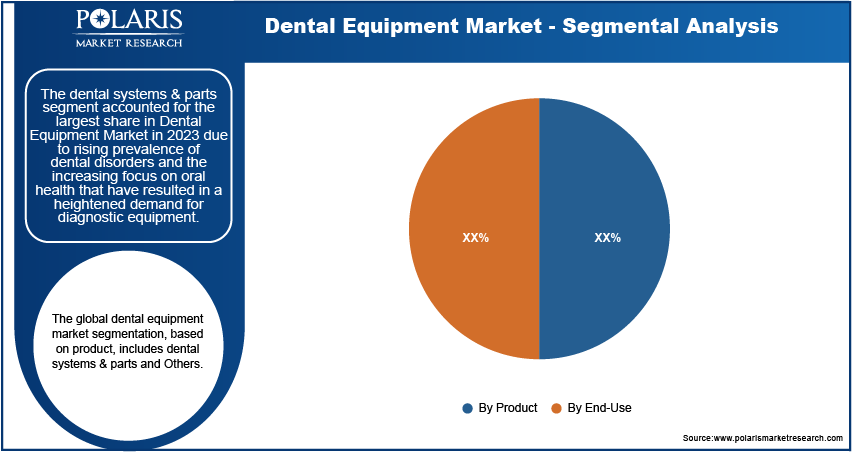
The global dental equipment market segmentation, based on product, includes dental radiology equipment, laboratory machines, systems & parts, hygiene maintenance devices, and other equipment. The dental systems & parts segment had the largest market share in 2025. Within systems & parts, the greatest growth momentum is associated with integrated digital dentistry solutions, such as CBCT-based treatment planning, intraoral scanning, and CAD/CAM restorations. These solutions have a direct positive impact on accuracy and efficiency in dental procedures. The increasing number of dental disorders and the growing emphasis on oral health have led to an increased demand for diagnostic devices. Advanced imaging devices and diagnostic devices are essential for the early diagnosis and accurate treatment of dental disorders, thereby establishing the segment’s dominance. The development of dental systems and their components, which include digital radiography and CAD/CAM systems and cone beam computed tomography (CBCT), has resulted in substantial improvements to diagnostic precision through their innovative product releases. They have also improved treatment planning and procedure efficiency. In February 2023, ZimVie Inc. introduced its new digital dentistry software. It includes the RealGUIDE CAD and FULL SUITE modules. The CAD module provides sophisticated software for therapeutic design and production. It enables precise implant and tooth reconstruction. The increasing innovations make dental systems essential for modern dental care, thereby fueling the growth of the segment.
Market Evaluation by End Use
The global dental equipment market segmentation, based on end use, includes hospitals and clinics and research and academic institutes. The hospitals and clinics segment is anticipated to register the fastest growth during the forecast period. The growing number of dental clinics and hospitals worldwide, particularly in developing nations, is accelerating the adoption of advanced dental equipment. In October 2022, NYU Langone Health launched new dental clinics in Rockaway schools. The purpose of these clinics is to enhance the oral health of underprivileged students. The implementation of this project to set up dental clinics has increased the demand for dental equipment in hospitals and the dental clinic industry. The rising number of hospitals and clinics has increased the demand for advanced dental systems and equipment to treat patients effectively. Additionally, routine check-ups and preventive maintenance are required for preventive care, whereas specialized treatments such as orthodontics, endodontics, and oral surgery require advanced equipment and dental tools.
Regional Analysis
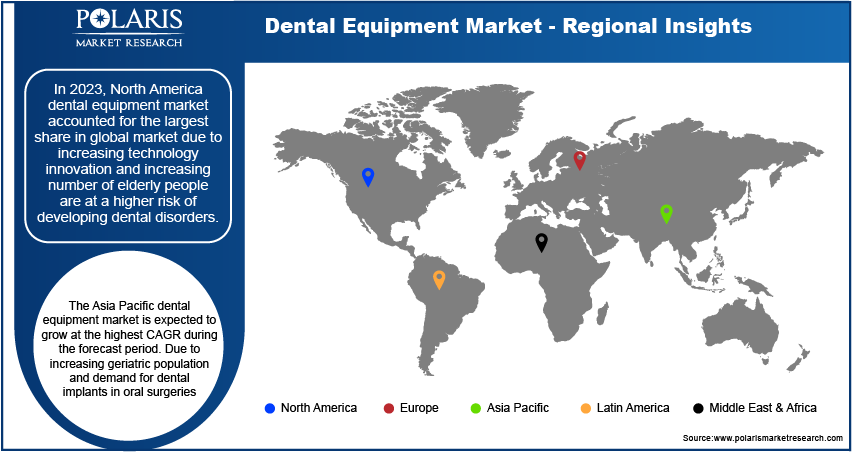
By region, the report provides the dental equipment market insights into North America, Europe, Asia Pacific, Latin America, and the Middle East & Africa. The North America dental equipment market led the market in revenue share in 2025, driven by a population with a strong affinity for dental care and a thriving insurance system that covers a broad spectrum of dental procedures. This financial assistance helps people opt for advanced dental procedures, thereby fueling demand for advanced dental equipment. Government programs and policies further drive this market's growth by allocating funds to support healthcare and dental care programs. Rising awareness of the significance of oral health and preventive dental care in the U.S. has led to increased dental check-ups and a massive demand for preventive and diagnostic dental equipment. According to the American Dental Association, in 2021, 43.3% of the U.S. population had a dental visit in the past 12 months. It included 50.0% of children aged 0-18 and seniors aged 65 and above. The increased need for preventive dental visits is driving steady replacement demand for diagnostic imaging equipment such as digital radiography systems and sensors. This is also encouraging the adoption of AI-enabled imaging tools in high-throughput practices and dental service organizations (DSOs), where efficiency and consistency are paramount.
The Asia Pacific dental equipment market is expected to grow at the fastest rate during the forecast period because of the rising geriatric population, which is expected to fuel the demand for dental implants and oral surgeries. According to the latest population estimates released by the Ministry of Social Justice & Empowerment in August 2024, based on data from July 2020, India is expected to have a total of 193.4 million senior citizens by 2031. Senior citizens are more prone to dental disorders, which is a major driver of the dental equipment market. The rising incidence of oral cancers, due to factors such as tobacco consumption and HPV infection, is fueling the demand for dental equipment. The increasing number of private dental clinics, dental implant procedures, and the adoption of cost-effective digital dentistry systems in major cities of China, India, and Southeast Asia also aid growth. This is further increasing the demand for advanced diagnostic and restorative equipment in emerging markets.
The Europe dental devices market is expected to experience significant growth during the forecast period. Europe has a well-developed healthcare infrastructure. The region also has a rising awareness of oral health. Europe’s focus on early diagnosis and preventive dental care has led to increased demand for advanced dental technology.
Among the many markets in Europe, the Spain dental equipment market is also gaining considerable traction, as the country is increasingly adopting minimally invasive surgeries for soft and hard tissues, thereby improving accuracy and patient comfort. The rising adoption of minimally invasive surgeries is also supporting the market in the country, indicating that the trend of adopting innovative, high-end dental equipment solutions is common in Europe. This makes Europe a hub for innovation and the adoption of high-end dental sterilization equipment and dental imaging systems, as the Spain dental lasers industry becomes an integral part of modern dental practices.
In addition, the need for upgrades to ensure compliance and the dynamic quality requirements for medical equipment are driving the replacement cycle for imaging and sterilization equipment in the established healthcare systems. With the increasing regulations, clinics and hospitals are likely to upgrade equipment to maintain safety and accreditation requirements.
Key Players and Competitive Analysis Report
The dental equipment market has a unique competitive landscape, with prominent leaders making strategic investments, including Dentsply Sirona, GC Corp., and Planmeca Group. Industry analysis reveals that these firms have strong competitive positions due to their broad product offerings, which cover diagnostic, preventive, and therapeutic procedures. Advances in imaging technology, especially AI-assisted cone beam computed tomography, are the key competitive front, with new entrants working on affordable solutions for small to medium-sized enterprises. The competitive environment is increasingly marked by the formation of strategic alliances between equipment manufacturers and digital solution providers, thus fueling the digitalization of practice management processes. Revenue growth is still regionally dominated in developed markets, but there is potential in the Asia Pacific region, where the growing middle-class population and changes in the insurance regulatory environment are driving adoption. The current trend of consolidation, as indicated by the large number of mergers and acquisitions, indicates the level of competition for regional market expansion. Sustainability strategy and transformation have become a differentiator. Equipment manufacturers are focusing on energy-efficient equipment and the circular economy. A few key major players are 3M ESPE, A-Dec Inc., Biolase Inc., Carestream Health Inc., Dentsply Sirona, Envista Holdings Corporation, GC Corp., Patterson Companies Inc., Planmeca Oy, and Straumann.
Integrated digital platforms are influencing competition. Manufacturers are bundling imaging hardware, artificial intelligence-powered diagnostic capabilities, CAD/CAM solutions, and workflow software. Companies are also trying to differentiate themselves through effective training programs and financial assistance for clinics. The focus is also on energy-efficient sterilization and suction systems aligned with overall sustainability strategies.
Danaher Corporation is a US-based global company. Its business involves the design, manufacture, and marketing of diversified products. Danaher, in the dental equipment market, provides a broad range of products and services in dental implants, orthodontics, digital imaging, diagnostic equipment, and consumables under prominent brands such as Nobel Biocare, KaVo Kerr, Ormco, i-CAT, Dexis, Pelton & Crane, and Orascoptic. These brands have been providing innovative solutions for dentists, dental labs, and dental schools worldwide for products such as air and electric handpieces, treatment units, and cabinetry to digital radiography, intraoral cameras, CAD/CAM systems, and laboratory products. As a strategic step to better focus on the life sciences and diagnostics business, Danaher separated its dental segment in 2019, creating Envista Holdings Corporation, which is now a stand-alone, publicly traded company comprising Nobel Biocare Systems, KaVo Kerr, and Ormco. Danaher’s legacy in dental equipment is carried forward through Envista, which continues to be a strong influence in delivering innovative dental solutions worldwide.
3M ESPE is a business unit of 3M Health Care. It focuses on the dental equipment and materials market. The company is known for its passion for innovation, quality, and clinical value. The company became a strong player in the dental industry after the merger between 3M and ESPE Dental AG. It immediately made it the second-largest dental products manufacturer in the market at that time, as it brought together the power of two innovation-driven companies. 3M ESPE offers a broad product line of over 2,000 dental products. Among its most sought-after products is the Filtek series of dental composites. It employs cutting-edge nanotechnology to provide outstanding aesthetics, durability, and resistance to wear. More than 400 million restorations have been done using these products worldwide. The company is also at the forefront of digital dentistry with products such as the 3M ESPE True Definition IntraOral Scanner, which provides highly accurate and cloud-connected digital impressions, enhancing productivity and patient satisfaction with reduced remakes and adjustments.
List of Key Companies
- 3M ESPE
- A-Dec Inc.
- Biolase Inc.
- Carestream Health Inc.
- Dentsply Sirona
- Envista Holdings Corporation
- GC Corp.
- Patterson Companies Inc.
- Planmeca Oy
- Straumann
Dental Equipment Industry Developments
September 2025: Dentsply Sirona announced the launch of its AI-powered 3D X-ray diagnosis features on DS Core in the U.S. According to Dentsply Sirona, the product will provide greater flexibility to its users by allowing the diagnosis of Dentsply Sirona X-ray data from any device.
August 2025: Dentsply Sirona launched its new Product Selection Guide. According to the company, the new guide is designed to enhance the digital purchasing experience for dental professionals in the U.S. The guide is available on the company's e-commerce website.
March 2025: OMNIVISION and Biotech Dental teamed up to combine several medical-grade camera modules into Biotech's new Scan4All 3D intraoral scanner. The goal of the multi-sensor solution is to deliver faster, more accurate results than single-sensor solutions. This enables faster, higher-quality 3D dental models for restorations and implants.
July 2024: SICAT GmbH & Co. KG partnered with Vatech America, a leading developer and manufacturer of dental equipment. This partnership allows dental professionals utilizing Vatech CBCT tools to seamlessly utilize 3D diagnostics and planning through the newly integrated SICAT Suite software modules.
Dental Equipment Market Segmentation
By Product Outlook (Revenue, USD Billion, 2021–2034)
- Dental Radiology Equipment
- Intra-Oral
- Digital X-ray Units
- Digital Sensors
- Extra-Oral
- Digital Units
- Analog Units
- Dental Lasers
- Diode Lasers
- Quantum Well Lasers
- Distributed Feedback Lasers
- Vertical Cavity Surface Emitting Lasers
- Heterostructure Lasers
- Quantum Cascade Lasers
- Separate Confinement Heterostructure Lasers
- Vertical External Cavity Surface Emitting Lasers
- Carbon Dioxide Lasers
- Yttrium Aluminium Garnet Lasers
- Intra-Oral
- Laboratory Machines
- Ceramic Furnaces
- Hydraulic Press
- Electronic Waxer
- Suction Unit
- Micro Motor
- Systems & Parts
- CAD/CAM
- Cast Machine
- Cone Beam CT Systems
- Electrosurgical Equipment
- Furnace and Ovens
- Others
- Hygiene Maintenance Devices
- Sterilizers
- Air Purification & Filters
- Hypodermic Needle Incinerator
- Other Equipment
- Chairs
- Hand Piece
- Light Cure
- Scaling Unit
By End Use Outlook (Revenue, USD Billion, 2021–2034)
- Hospitals and Clinics
- Research and Academic Institutes
By Regional Outlook (Revenue, USD Billion, 2021–2034)
- North America
- US
- Canada
- Europe
- Germany
- France
- UK
- Italy
- Spain
- Netherlands
- Russia
- Rest of Europe
- Asia Pacific
- China
- Japan
- India
- Malaysia
- South Korea
- Indonesia
- Australia
- Vietnam
- Rest of Asia Pacific
- Middle East & Africa
- Saudi Arabia
- UAE
- Israel
- South Africa
- Rest of Middle East & Africa
- Latin America
- Mexico
- Brazil
- Argentina
- Rest of Latin America
Dental Equipment Market Report Scope
|
Report Attributes |
Details |
|
Market Size in 2025 |
USD 7.80 billion |
|
Market Size in 2026 |
USD 8.22 billion |
|
Revenue Forecast by 2034 |
USD 12.69 billion |
|
CAGR |
5.6% |
|
Base Year |
2025 |
|
Historical Data |
2021–2024 |
|
Forecast Period |
2026–2034 |
|
Quantitative Units |
Revenue in USD billion, and CAGR from 2026 to 2034 |
|
Report Coverage |
Revenue Forecast, Market Competitive Landscape, Growth Factors, and Trends |
|
Segments Covered |
|
|
Regional Scope |
|
|
Competitive Landscape |
Dental Equipment Industry Trend Analysis (2025) Company profiles/industry participants profiling include company overview, financial information, product/service benchmarking, and recent developments |
|
Report Format |
PDF + Excel |
|
Customization |
Report customization as per your requirements with respect to countries, regions, and segmentation. |
FAQ's
The dental equipment market stood at USD 7.80 billion in 2025. The market is projected to reach USD 12.69 billion by 2034.
The market is projected to account for a CAGR of 5.6% between 2026 and 2034.
North America accounted for the largest market share in 2025. This is due to the population that exhibits a strong adherence to dental care.
A few of the key players in the market include 3M ESPE, A-Dec Inc., Biolase Inc., Carestream Health Inc., Dentsply Sirona, Envista Holdings Corporation, GC Corp., Patterson Companies Inc., Planmeca Oy, and Straumann.
The dental systems & parts segment had the largest market share in 2025. These solutions have a direct positive impact on accuracy and efficiency in dental procedures.
The hospitals and clinics segment is expected to witness the fastest growth during the forecast period. The expansion of dental clinics and hospitals worldwide drives the demand for advanced dental equipment.
The dental equipment market encompasses tools and machines used by dentists to examine and treat patients. These include dental chairs, imaging systems, drills, and lab equipment, amongst others.
AI in dental imaging helps dentists detect gum diseases, cavities, and other problems more quickly. It does so by automatically highlighting areas of concern in digital scans.
Page last updated on:
Sep-2024
Research Methodology
A robust system of research, verification, and forecasting designed to ensure reliable and actionable market insights.
Polaris Market Research uses a clear and structured approach to deliver insights that clients can rely on. The process combines detailed primary and secondary research, including direct communication with industry experts. The detailed information helps build a complete picture of market trends and developments. Secondary data is gathered from credible sources such as industry reports, company filings, government source links, and trusted organization databases. It is then cross-checked through discussions with key stakeholders across the value chain. Market size and forecasts are developed using both bottom-up and top-down methods to ensure accuracy and consistency in the final results.
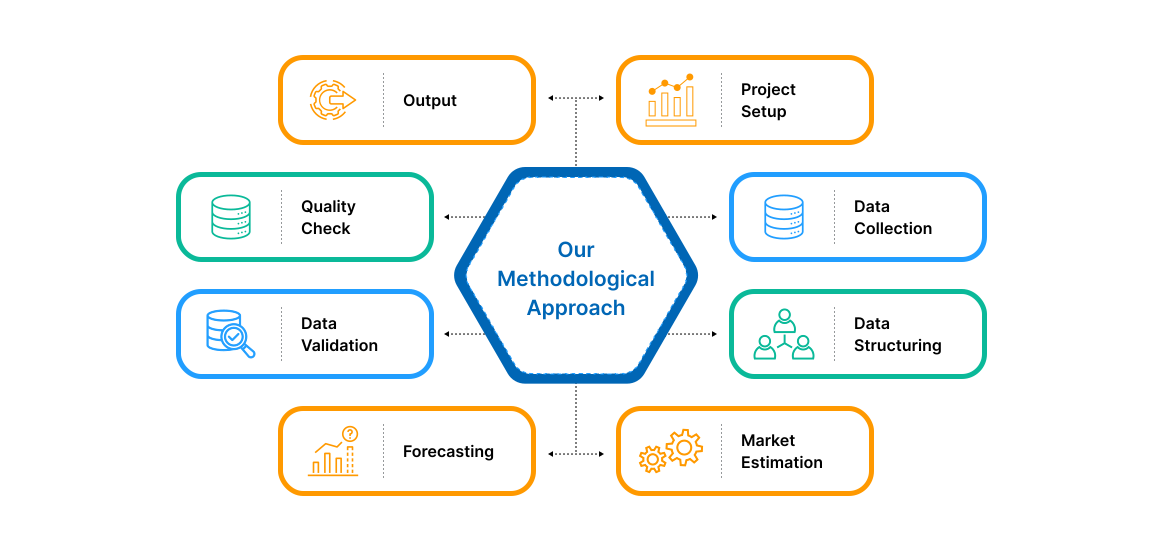
Project Setup
Step 1 & 2:
- We start every project by clearly understanding the client’s objective or goal, then defining the market scope, and aligning regions, segments, and timelines.
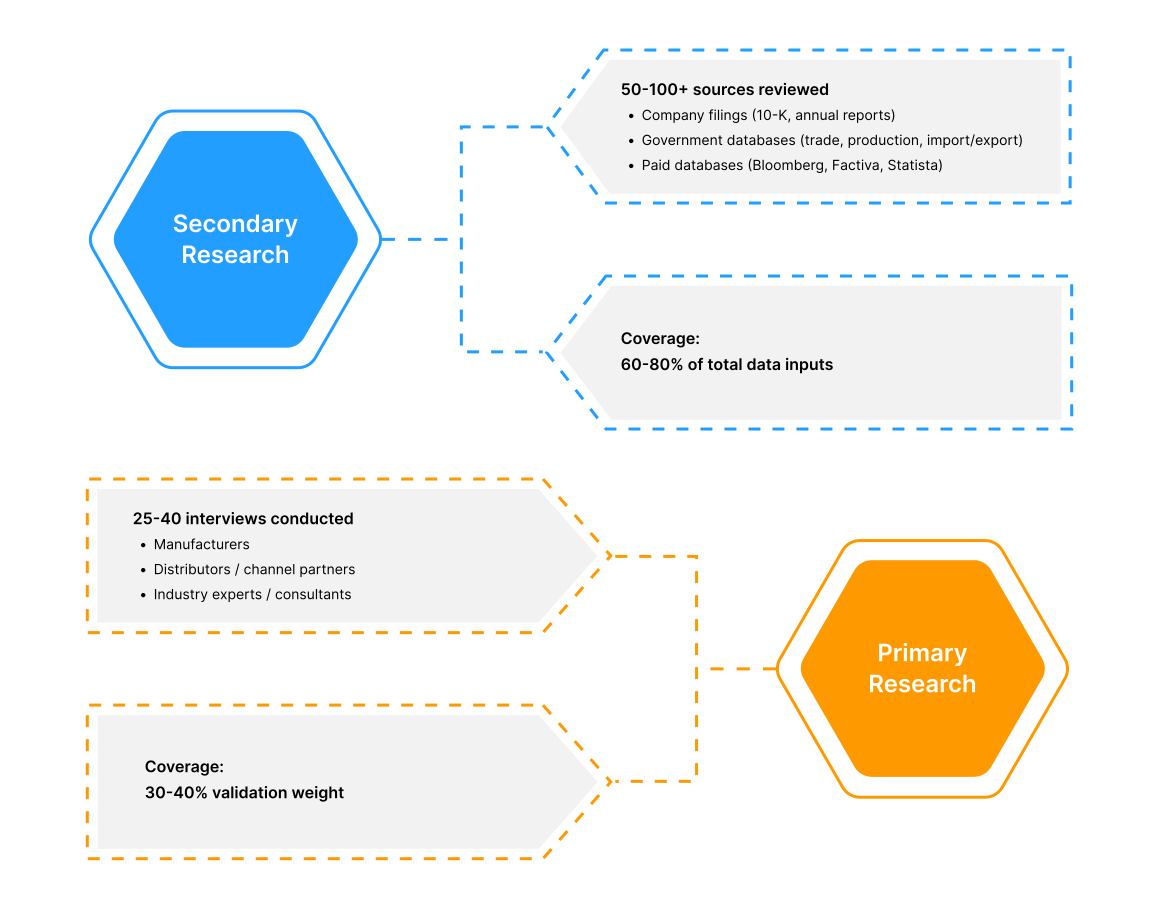
- Once the foundation is set, we collect data from all-around of sources, including company reports, government databases, and paid industry platforms.
- Our research is based on secondary data, which helps us build a strong understanding of the market across regions and industries. Then we validate this information through primary research by speaking directly with industry experts, companies, and stakeholders.
- By combining secondary and primary research, we ensure that our market insights are accurate, practical, and closely aligned with real market conditions.
Data Collection
We gather information from both public and verified sources:
Data Structuring
Step 3:
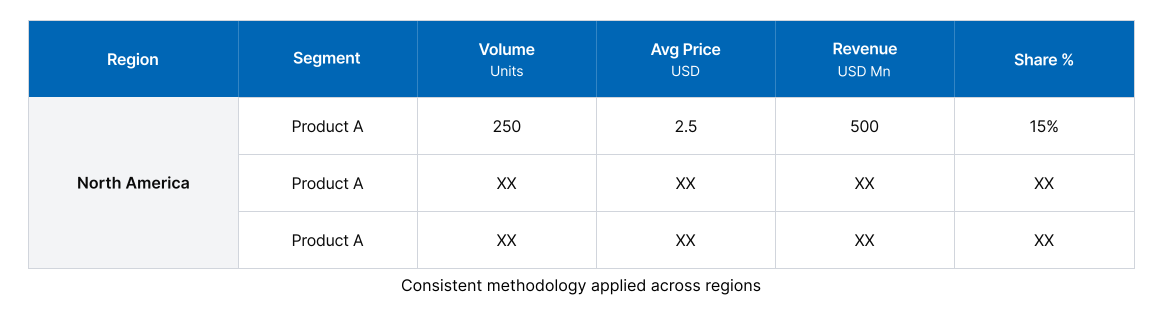
- All collected data is organized into a consistent format to ensure accurate analysis. Since inputs come from multiple sources, they are standardized and aligned before use.
- The data is segmented by product, application, and region, and mapped across a defined historical period (2020–2024). All values are converted into common units (USD Mn/Bn), and volume and pricing are aligned where required to estimate revenue.
- Any overlaps or inconsistencies are reviewed and adjusted to maintain accuracy (<5% variance threshold).
- The result is a structured dataset that allows for clear comparison across regions and supports reliable analysis and forecasting.
Structured Market Dataset, USD Mn/Bn
4. Data Structuring
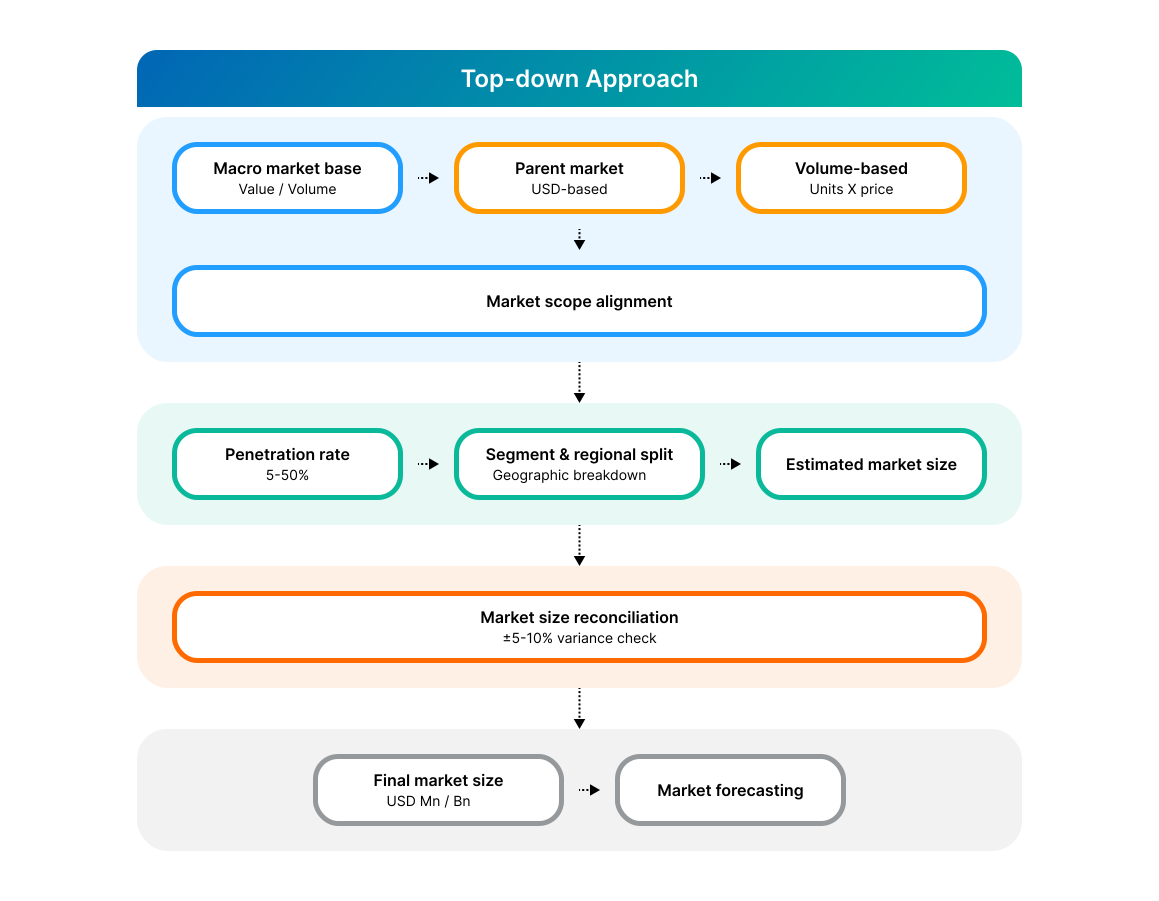
Step 4: TOP-DOWN APPROACH
- We start with the overall market size at a global or macro level.
- The market is then narrowed down based on scope and industry relevance.
- We apply penetration rates and split the data by region and segment.
- This helps us estimate the market size for specific segments.
- The numbers are validated through cross-checks to ensure accuracy.
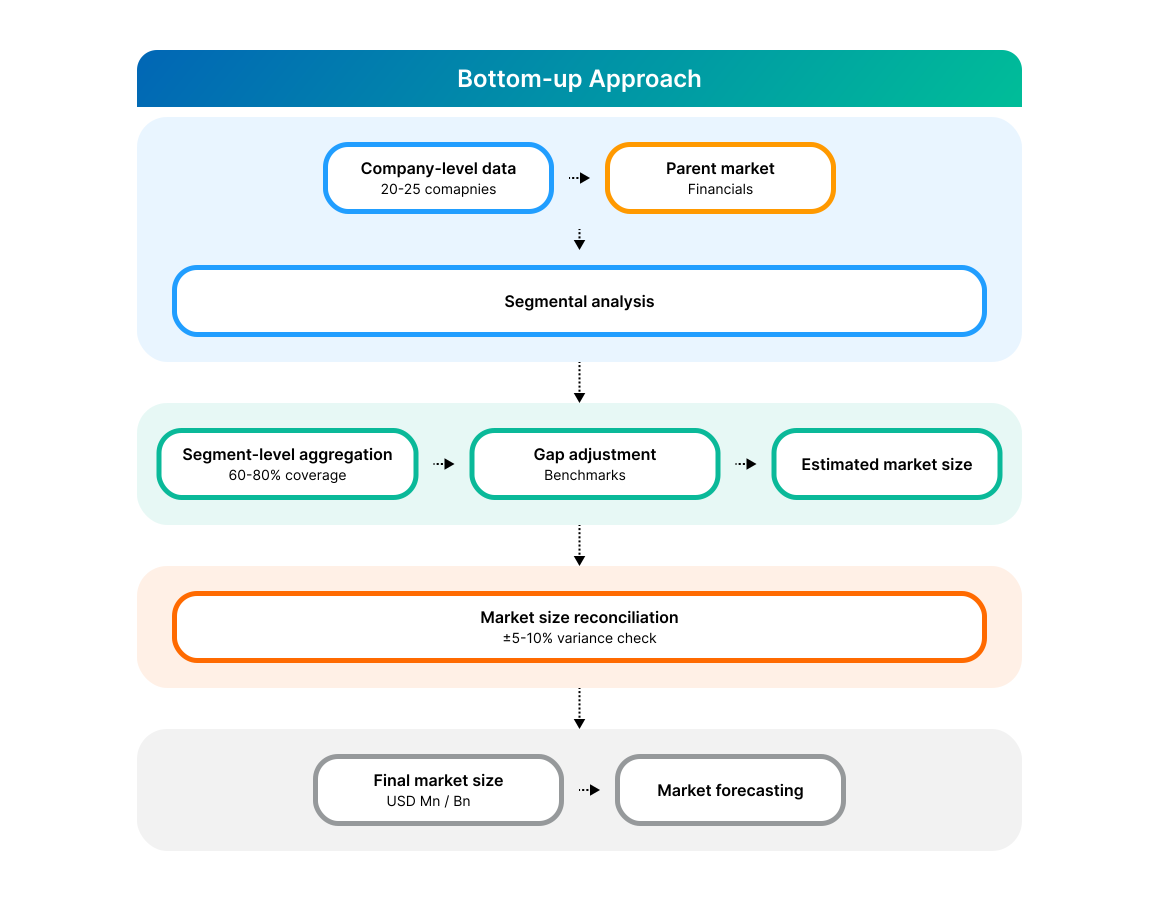
Step 5: BOTTOM-UP APPROACH
- We begin by analyzing data from leading companies in the market.
- Revenue data is collected and mapped across different segments.
- The data is then aggregated to estimate the total market size.
- To fill in any gaps, adjustments are made based on industry standards.
- Validation checks make sure that the results are correct.
5. Data Structuring
Step 6:
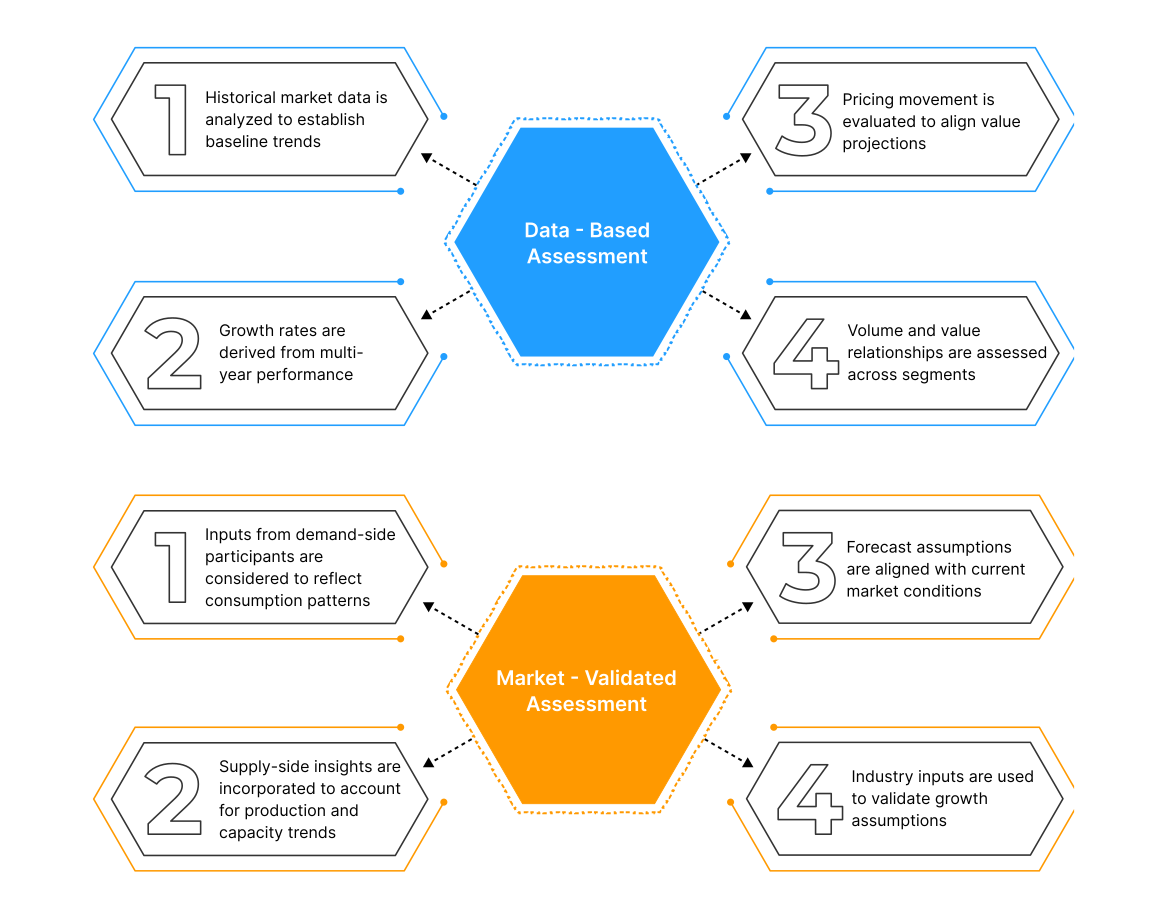
At Polaris Market Research, we employ a methodical forecasting strategy. This approach blends the analysis of historical data with real-time market validation. To forecast future trends with precision, we examine past patterns, pricing fluctuations, and the interplay of supply and demand. To ensure our conclusions reflect the present market landscape, we actively seek input from industry experts and key stakeholders.
To refine our predictions, we carefully consider critical elements such as market drivers and restraints, fluctuations in raw material costs, emerging technologies, and the production capabilities of various regions. Furthermore, we assess regulatory frameworks and potential policy shifts to gauge their potential impact on market expansion.
All this information is synthesized to generate precise forecasts for each segment and region. These forecasts illuminate the current state of the market and highlight forthcoming opportunities.
6. Data Structuring
Step 7:
In the final stage, we validate all our estimates using a triangulation method, where data is cross-checked from multiple reliable sources, like company data, primary interviews, and secondary research. This helps us make sure that our numbers are correct and fit with the rest of the market.
This process involves verifying data consistency across various segments and geographic areas. It also requires comparing historical trends with the assumptions support the forecast. Any discrepancies involve adjustments to ensure everything remains aligned and dependable.
Once the data is finalized, we prepare the final outputs, including market size estimates, segment-wise breakdowns, and growth metrics. These are delivered in structured formats such as tables, charts, and data files for easy analysis and use.
We collaborate closely with clients, ensuring the final products align with their requirements. This includes offering tailored adjustments, supplementary data analyses, and continuous assistance. Furthermore, we monitor market trends post-delivery, providing updates and refinements to maintain the insights' relevance as time passes.
Post-delivery, we continue to monitor market shifts, offering updates and adjustments to ensure the insights remain relevant over time.
Validation
Triangulation Framework
- Company-level data
- Primary inputs from industry participants
- Secondary benchmarks and published data
- Variance maintained within ±5-10%
- Adjustments applied to align estimates
- Segment values validated against overall market structure
Quality Check
Data Consistency & Integrity
- Segment totals validated to 100%
- Regional estimates aligned with global market size
- Historical trends compared against forecast outputs
- Assumptions reviewed for cross-segment and regional alignment
Output & Delivery
Final Outputs
- Market size estimates (USD Mn/Bn)
- Segment-wise distribution (%)
- Growth metrics (CAGR %)
- Structured tables and charts
- Segment-level datasets
- Excel-based data files for further analysis
Client Alignment & Support
- Deliverables are aligned with defined client requirements and scope
- Custom data cuts and segment splits are incorporated as required
- Post-delivery queries are addressed through analyst interactions
- Additional clarifications and data support are provided upon request
Client Continuity & Updates
- Market developments are tracked post-delivery to capture changes in key trends
- Updated data and revisions are provided based on new market inputs
- Additional refinements and data cuts are shared as required
- Continued analyst engagement supports evolving client requirements


