

What is the Current Market Size?
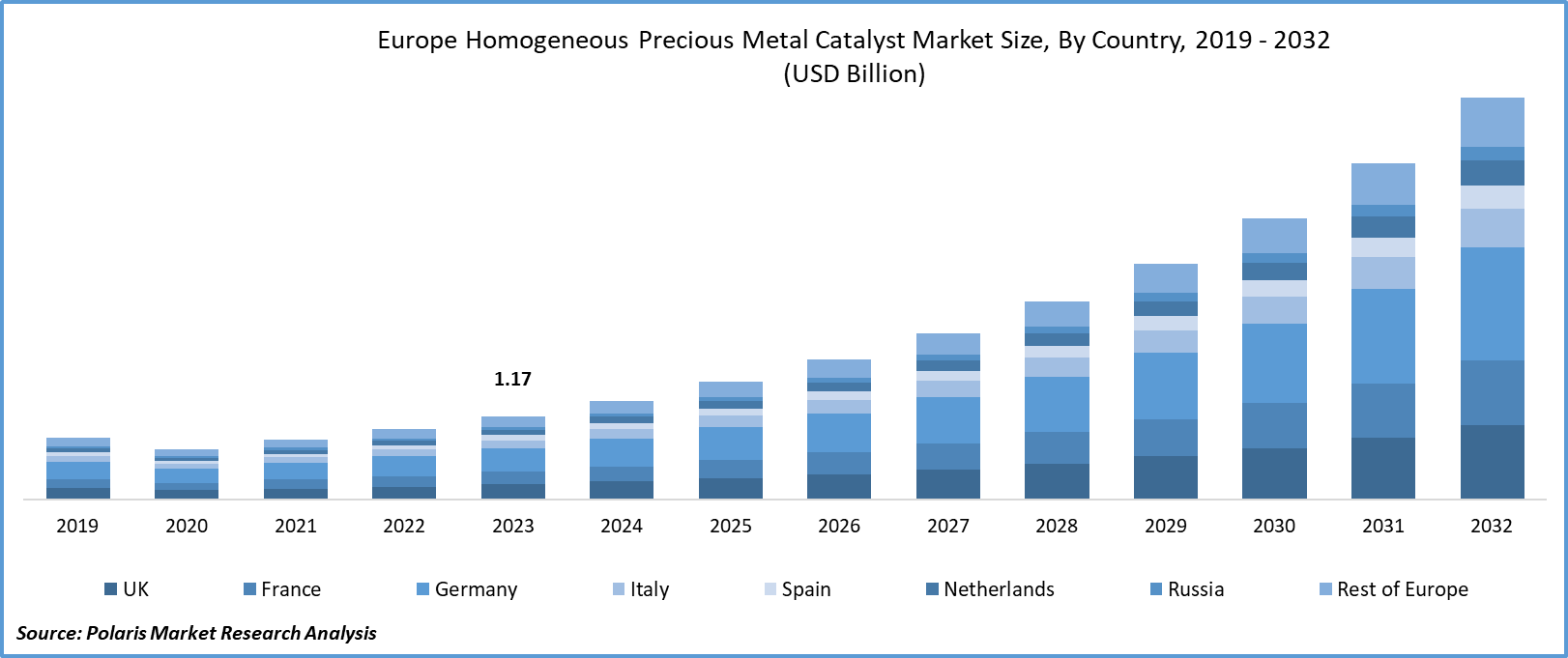
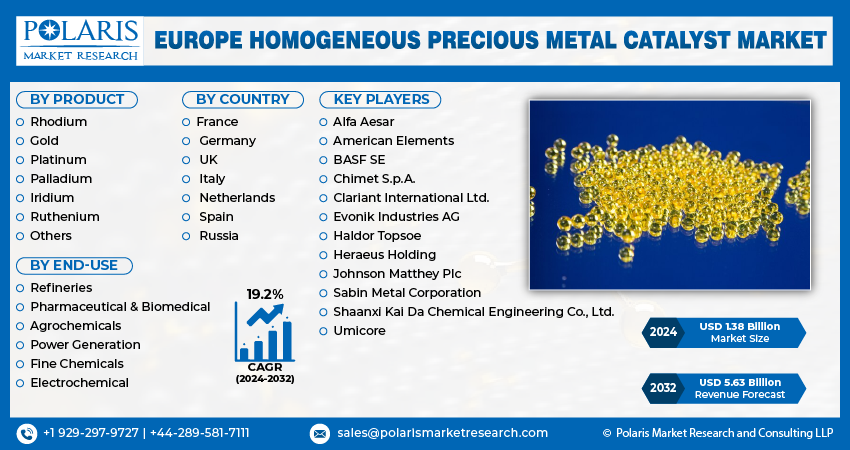
Europe's Homogeneous Precious Metal Catalyst Market size was valued at USD 1.64 billion in 2025. The market is anticipated to grow from USD 1.94 billion in 2026 to USD 7.89 billion by 2034, exhibiting a CAGR of 19.10% during the forecast period.
Market Statistics
- 2025 Market Size: USD 1.64 billion
- 2034 Projected Market Size: USD 7.89 billion
- CAGR (2026–2034): 19.10%
- Germany: Largest market in 2025
Europe Homogeneous Precious Metal Catalyst Market Overview
In numerous chemical processes, particularly those demanding high selectivity or intricate transformations, precious metal catalysts find frequent application. Within this domain, metals such as platinum, rhodium, palladium, iridium, and ruthenium are commonly employed in homogeneous catalysts, leveraging their unique electrical and structural characteristics for remarkable catalytic performance.
Homogeneous precious metal catalysts play a vital role in various sectors, including petrochemicals, fine chemicals, pharmaceuticals, and specialty chemicals. Their application extends to diverse chemical processes such as hydrogenation, carbon-carbon bond formation, oxidation, and asymmetric synthesis. Homogeneous precious metal catalysts offer several advantages, operating effectively under straightforward reaction conditions, often at room temperature and pressure. These catalysts exhibit outstanding selectivity, promoting specific reactions while inhibiting the generation of undesirable byproducts. The ease of separation and recovery from the reaction mixture, facilitated by homogeneous catalysts, contributes to increased efficiency and reduced waste.
The anticipated expansion in the homogeneous precious metal catalysts market is credited to the increasing chemical sales and manufacturing globally, particularly in European countries. This growth market trend is expected to act as a catalyst for the market's development in the near future.
Germany holds the largest for homogeneous precious metal catalysts market in Europe, experiencing homogeneous precious metal catalysts market growth attributed to the robust presence of end-user industries of the product, including power generation, pharmaceuticals, and chemicals. The country's market growth share is further fueled by increasing investments in setting up new refineries and the expansion of existing ones despite Germany's limited natural resources.
To Understand More About this Research: Request a Free Sample Report
By the European homogeneous precious metal catalyst market trend, Germany stands out as a significant market for homogeneous metal catalysts, driven primarily by their expanding application, including pharmaceuticals, biomedical manufacturing, and fine chemicals. Europe's homogeneous precious metal catalyst market share in end-use segments like refineries still needs to grow in the country due to limited domestic natural gas and oil production capacity, leading to heavy dependence on imports. Germany exclusively imports natural gas through cross-border pipelines, creating substantial growth potential for the petroleum refinery industry in the years ahead to reduce reliance on other European countries.
Germany holds the top position among the world's leading chemical producers, As per CEFIC. The substantial presence of key manufacturers, including Bayer AG, BASF SE, and Henkel AG, Evonik Industries, among others influences the growth of the chemical market in Germany. These market players command significant shares in the global fine chemicals industry, contributing to the country's prominence in the global chemical manufacturing landscape.
Europe Homogeneous Precious Metal Catalyst Market Dynamics
Market Drivers
Growing preference for specialty chemicals bolstering the growth of the homogeneous coating market.
Homogeneous catalysts featuring precious metals like palladium, platinum, and gold have become essential instruments in the synthesis of fine chemicals owing to their distinctive catalytic properties. As industries increasingly prioritize the production of high-value and specialized chemical compounds, these homogeneous precious metal catalysts play a crucial role in facilitating efficient, selective, and sustainable synthesis processes. This positions them as key contributors to the growth of the fine chemicals sector.
So, the European market for homogeneous precious metal catalysts is experiencing growth driven by the industry trend of escalating demand for fine chemicals in diverse industries such as electronics, agrochemicals, pharmaceuticals, and cosmetics. The catalytic efficiency, versatility, and sustainability characteristics of homogeneous precious metal catalysts establish them as indispensable elements in the synthesis of high-value and specialized chemical compounds. With industries evolving and innovating, the sustained growth in demand for homogeneous precious metal catalysts is anticipated, underscoring their pivotal role in advancing fine chemical production and contributing to the development of innovative products across various sectors.
Market Restraints
Expensive Nature of Precious Metals is likely to hamper the growth of the market.
These catalysts heavily rely on metals like platinum, gold, and palladium; their production costs are inherently elevated. The scarcity and market volatility of precious metals contributes to the overall expense of manufacturing Homogeneous Precious Metal Catalysts, rendering them less competitive compared to alternative catalyst technologies.
This cost challenge poses a hindrance to widespread adoption, particularly in industries where cost-effectiveness is of utmost importance. Industry stakeholders need to address this obstacle by exploring innovative methods for metal recovery and recycling, investing in research and development to reduce metal usage, and exploring alternative catalytic materials. Effectively tackling the high cost of precious metals is crucial for the homogeneous precious metal catalyst market to improve its economic feasibility, foster broader market acceptance, and facilitate sustained global market growth.
Major European Supplier & Product Portfolio Matrix
|
Supplier |
Country |
Precious Metals |
Key Catalyst Types |
Branded Products |
Applications |
|
Johnson Matthey |
UK |
Pd, Pt, Rh, Ru, Au |
Hydrogenation, Cross-coupling, Amination |
PRICAT PGM Series, PRICAT 99 |
Automotive, Pharma, Fine Chemicals |
|
Umicore |
Belgium |
Pd, Pt, Rh, Ru, Os, Ir |
Metathesis (Grubbs), Cross-coupling (Buchwald), Hydroformylation |
Grubbs Catalyst, Buchwald Precatalysts |
Fine Chemicals, Pharmaceuticals, Polymers |
|
Heraeus Precious Metals |
Germany |
Pt, Pd, Rh, Ru, Os, Ir, Ag |
Homogeneous Catalysts, Salts/Solutions |
60+ Inorganic Salts, 30+ Metal-Organic Compounds |
Pharma, Fine Chemicals, Electroplating |
|
BASF (ECMS) |
Germany |
Pt, Pd, Rh, Ru |
Emissions Catalysts, Hydrogen Catalysts |
Verdium Recycled Metal Catalysts |
Automotive, Hydrogen Economy |
|
Clariant |
Switzerland |
Pd, Pt, Rh |
Hydrogenation, Dehydrogenation |
HyFlex Series, HyMax, HySat |
Fine Chemicals, Petrochemicals |
|
Evonik |
Germany |
Pd, Pt, Rh |
Flow Chemistry, Selective Hydrogenation |
Noblyst F Portfolio, Metalyst |
Pharma, Fine Chemicals |
|
SAFINA |
Czech Republic |
Pd, Pt, Ag, Rh |
Carbon-Immobilized Catalysts |
Pd/C (3-10%), Pt/C Catalysts |
Organic Synthesis, Hydrogenation |
|
Chimet |
Italy |
Pt, Pd, Rh, Ru |
Powder Catalysts, Carbon-Supported |
Standard Catalyst Kit |
Fine Chemicals, Hydrogenation |
Report Segmentation
The market is primarily segmented based on product, end-use, and region.
|
By Product |
By End-Use |
By Country |
|
|
|
To Understand the Scope of this Report: Speak to Analyst
Europe Homogeneous Precious Metal Catalyst Market Segmental Analysis
By Product Analysis
- In 2025, the palladium segment solidified its prominence, holding a significant share. Essential platinum compounds like Karstedt’s catalyst, cisplatin ([PtCl2(NH3)2]), and hexachloroplatinic acid (H2[PtCl6]) played pivotal roles across various applications. Within Europe, platinum-based catalysts played a vital role in hydrosilylation reactions. Karstedt’s catalyst, in particular, found favor in applications such as paper coating for bottling and packaging, especially in hydrosilylation reactions, where it exists in trace amounts measured in parts per million (ppm). The presence of this catalyst in trace amounts presents challenges for economically viable platinum recovery from used catalysts. Moreover, Karstedt’s catalyst is employed in complexes alongside vinyl siloxane ligands.
Homogeneous palladium catalysts are widely utilized in applications involving hydroesterification reactions. A notable instance is Lucite International, utilizing the catalyst for the production of MMA from ethylene, carbon monoxide, and methanol. Dow Chemical employs a similar technology for octene production, relying on the palladium triphenylphosphine complex as a catalyst.
- Homogeneous metal catalysts based on rhodium find application in reactions necessitating lower temperatures and pressures, such as hydroformylation. Key precursors for these reactions include (acetylacetonate) dicarbonyl rhodium (I), (acetylacetonate) carbonyl (triphenylphosphine)rhodium(I), and rhodium acetate. Wilkinson’s catalyst, [RhCl (PPh3)3], stands out as one of the frequently employed homogeneous palladium catalysts.
By End-Use Analysis
- In the forecast period, the European homogeneous precious metal catalyst market trends were predominantly led by the refineries segment. This notable share can be attributed to the presence of numerous major refineries in Europe, indicating substantial potential for market expansion. Homogeneous precious metal catalysts play a vital role in refineries by contributing to optimized and cost-effective oil production. As of 2021, approximately 78 mainstream refineries were operational in the European region. The recent upswing in oil production is expected to underscore the demand for homogeneous precious metal catalysts in the near future.
- Homogeneous precious metal catalysts are used widely in the pharmaceutical and biomedical sectors to enhance reaction yields, promote environmental sustainability, and improve cost-effectiveness, thereby enhancing overall production profitability. The market size has experienced progress in terms of research and development focused on catalyst recovery in pharmaceutical and biomedical processes. This aspect is particularly challenging compared to heterogeneous catalysts, such as nanofiltration recovery. The advancements in catalyst recovery are expected to contribute to the increased adoption of these catalysts in the market.
Europe Homogeneous Precious Metal Catalyst Market Regional Insights
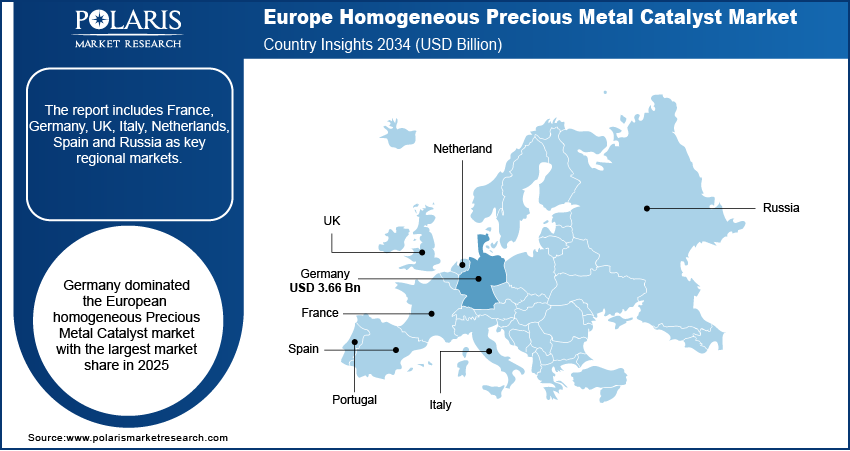
Germany dominated the European homogeneous Precious Metal Catalyst market with the largest market share in 2025
This substantial share is attributed to Germany's prominent chemical industry, including a significant presence in the pharmaceutical sector, making it a key contributor in Europe. According to the European Chemical Industry Council, Germany's chemical industry, inclusive of pharmaceuticals, ranked as the third-largest in Europe, generating Euro 227.1 billion in 2021.
Furthermore, Germany's strong emphasis on research and development in the chemical and pharmaceutical sector is evident in its significant investment of Euro 13.2 billion. These numbers highlight the nation's commitment to advancing research and development initiatives within these industries. Together, these factors contribute to the considerable influence of the pharmaceutical industry, leveraging the use of precious metal catalysts (PGM). With their distinctive properties, PGM catalysts are aptly positioned to enhance market size, foster innovation, and uphold the high-quality standards required by the dynamic pharmaceutical sector in Germany and other prominent European nations.
The existence of a strong product-manufacturing foundation in the UK, France, and Germany is anticipated to impact market growth positively. The European Commission, with the primary goal of fostering the utilization and production of natural ingredients, has implemented the Horizon 2021 Strategy across various sectors, including chemicals, personal care, automotive, and energy.
Competitive Landscape
The European homogeneous Precious Metal Catalyst market size is fragmented and is anticipated to witness competition due to several players' presence. Major service providers in the market are constantly upgrading their technologies to stay ahead of the competition and to ensure efficiency, integrity, and safety. These players focus on partnership, product upgrades, and collaboration to gain a competitive edge over their peers and capture a significant market share.
Some of the major players operating in the global market include:
- Alfa Aesar
- American Elements
- BASF SE
- Chimet S.p.A.
- Clariant International Ltd.
- Evonik Industries AG
- Haldor Topsoe
- Heraeus Holding
- Johnson Matthey Plc
- Sabin Metal Corporation
- Shaanxi Kai Da Chemical Engineering Co., Ltd.
- Umicore
Recent Developments
In May 2025, Umicore announced plans to develop a new homogeneous catalyst facility in Catoosa, United States, with construction set to begin in 2025 and multi-ton production of Grubbs catalysts expected by early 2027.
In December 2024, Johnson Matthey completed the USD 2.3 billion divestment of its Catalyst Technologies business to Honeywell, reinforcing its strategic focus on battery materials and hydrogen technologies.
In October 2023, Evonik officially announced a formal agreement to participate in the development, scaling up, and production of specialized bed-fixed catalysts tailored for the implementation of Hydrogenious LOHC Technologies' proprietary liquid organic hydrogen carrier (LOHC) technology. This innovative technology is based on benzyl toluene.
In September 2023, Evonik Industries revealed its intentions to relocate and upgrade its precious metal powder catalyst production facility located in the Shanghai Chemical Industrial Park (SCIP). The primary aim of this endeavor is to strengthen the company's position and capabilities in the catalyst market.
In July 2023, BASF completed the carve-out process for its mobile catalysts emissions and precious metal services business, officially establishing the independent legal entity named BASF Environmental Catalyst and Metal Solutions (ECMS). The decision to carve out this entity was initially announced in December 2021, with an expected completion timeline of 18 months
Report Coverage
The Europe Homogeneous Precious Metal Catalyst market industry report emphasizes key regions across the globe to provide a better understanding of the product to the users. Also, the report provides market insights into recent developments and trends and analyzes the technologies that are gaining traction around the globe. Furthermore, the report covers an in-depth qualitative analysis pertaining to various paradigm shifts associated with the transformation of these solutions.
The report provides a detailed analysis of the market while focusing on various key aspects such as competitive analysis, product, end-use, and futuristic growth opportunities.
Europe Homogeneous Precious Metal Catalyst Market Report Scope
|
Report Attributes |
Details |
|
Market Size Value in 2025 |
USD 1.64 billion |
| Market Size Value in 2026 | USD 1.94 billion |
|
Revenue Forecast in 2034 |
USD 7.89 billion |
|
CAGR |
19.10% from 2026 – 2034 |
|
Base Year |
2025 |
|
Historical Data |
2021 – 2024 |
|
Forecast Period |
2026 – 2034 |
|
Quantitative Units |
Revenue in USD million/billion and CAGR from 2026 to 2034 |
|
Segments Covered |
By Product, By End-Use, By Country |
|
Country Scope |
France, Germany, UK, Italy, Netherlands, Spain, Russia |
|
Customization |
Report customization as per your requirements with respect to countries, regions, and segmentation. |
Navigate through the intricacies of 2025 Europe's homogeneous precious metal catalyst market with precision, thanks to the comprehensive statistics on market share, size, and revenue growth rate assembled by Polaris Market Research Industry Reports. This thorough analysis not only provides a glimpse into the historical context but also extends its reach with a market forecast outlook until 2032. Immerse yourself in the richness of this industry analysis by securing a complimentary PDF download of the sample report.
FAQ's
The global Europe Homogeneous Precious Metal Catalyst market size is expected to reach USD 7.89 billion by 2034.
Key players in the market are Alfa Aesar, American Elements, BASF SE, Chimet S.p.A., Clariant International Ltd
Europe's Homogeneous Precious Metal Catalyst Market exhibiting a CAGR of 19.10% during the forecast period
The Europe Homogeneous Precious Metal Catalyst Market report covering key segments are product, end-use, and region.
Page last updated on:
Feb-2024
Research Methodology
A robust system of research, verification, and forecasting designed to ensure reliable and actionable market insights.
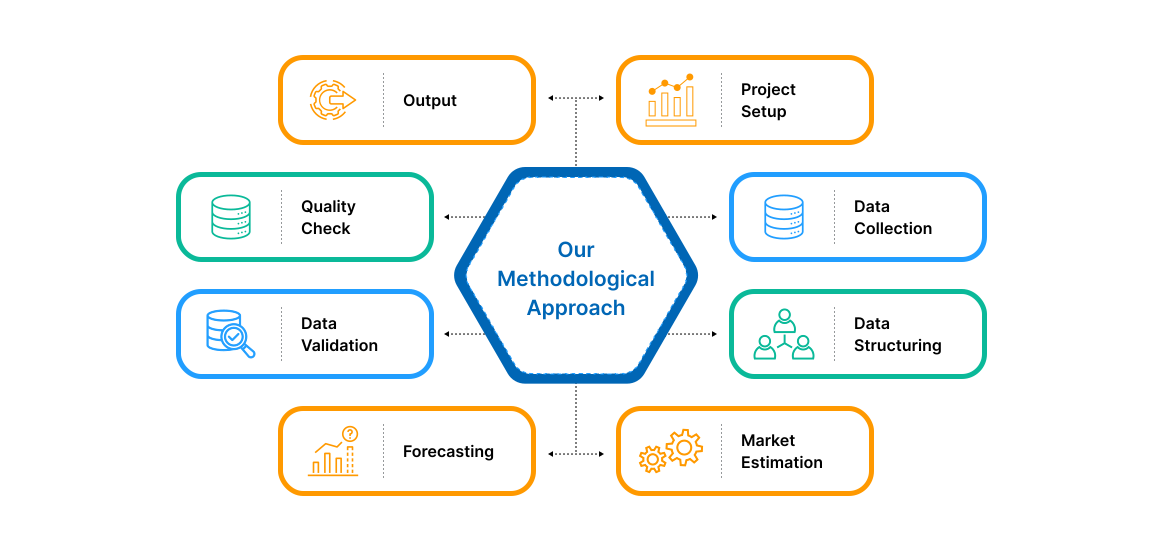
Polaris Market Research uses a clear and structured approach to deliver insights that clients can rely on. The process combines detailed primary and secondary research, including direct communication with industry experts. The detailed information helps build a complete picture of market trends and developments. Secondary data is gathered from credible sources such as industry reports, company filings, government source links, and trusted organization databases. It is then cross-checked through discussions with key stakeholders across the value chain. Market size and forecasts are developed using both bottom-up and top-down methods to ensure accuracy and consistency in the final results.
Project Setup
Step 1 & 2:
- We start every project by clearly understanding the client’s objective or goal, then defining the market scope, and aligning regions, segments, and timelines.
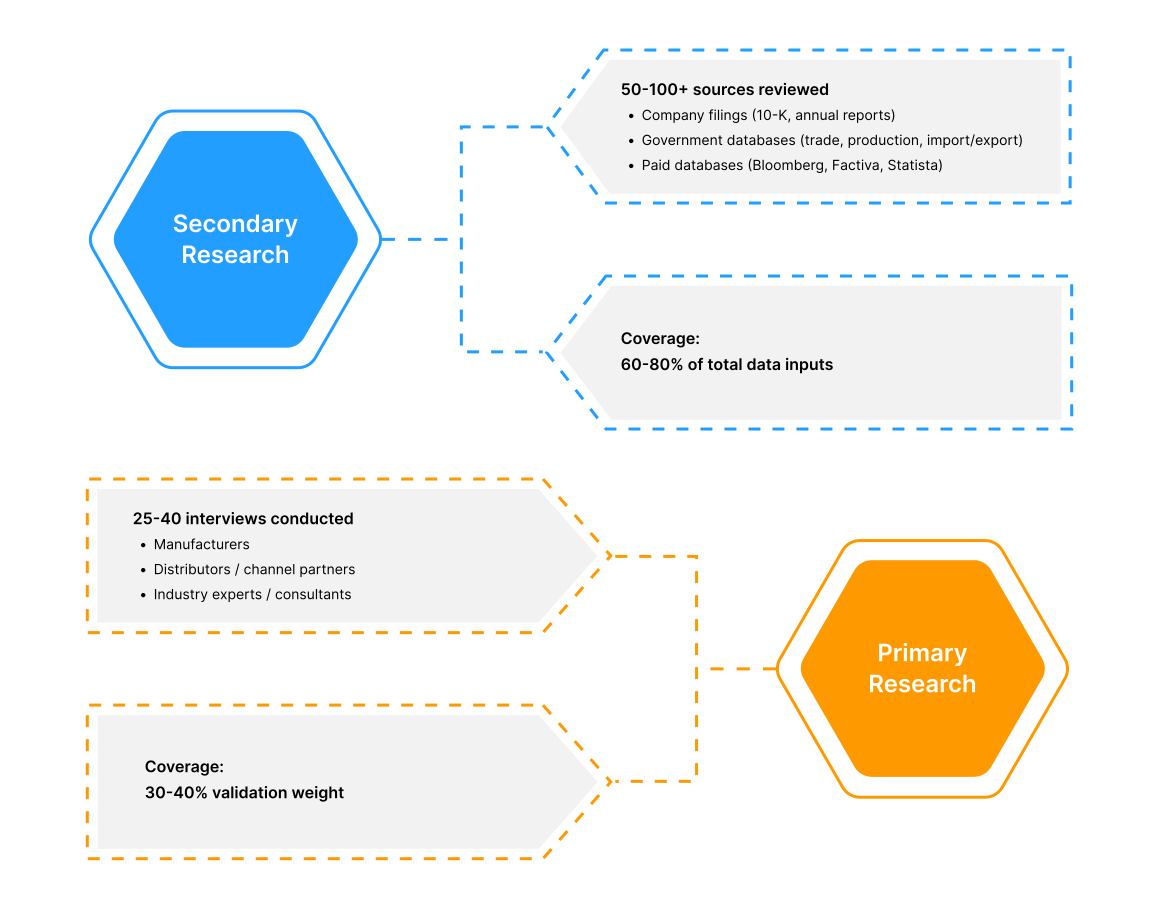
- Once the foundation is set, we collect data from all-around of sources, including company reports, government databases, and paid industry platforms.
- Our research is based on secondary data, which helps us build a strong understanding of the market across regions and industries. Then we validate this information through primary research by speaking directly with industry experts, companies, and stakeholders.
- By combining secondary and primary research, we ensure that our market insights are accurate, practical, and closely aligned with real market conditions.
Data Collection
We gather information from both public and verified sources:
Data Structuring
Step 3:
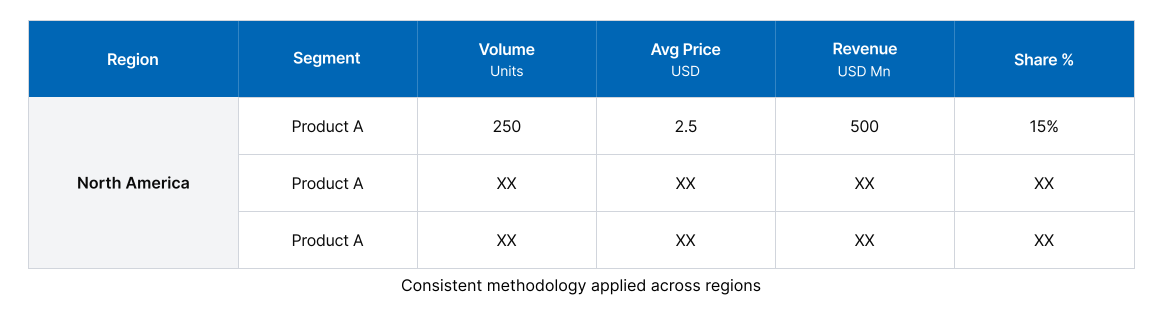
- All collected data is organized into a consistent format to ensure accurate analysis. Since inputs come from multiple sources, they are standardized and aligned before use.
- The data is segmented by product, application, and region, and mapped across a defined historical period (2020–2024). All values are converted into common units (USD Mn/Bn), and volume and pricing are aligned where required to estimate revenue.
- Any overlaps or inconsistencies are reviewed and adjusted to maintain accuracy (<5% variance threshold).
- The result is a structured dataset that allows for clear comparison across regions and supports reliable analysis and forecasting.
Structured Market Dataset, USD Mn/Bn
4. Data Structuring
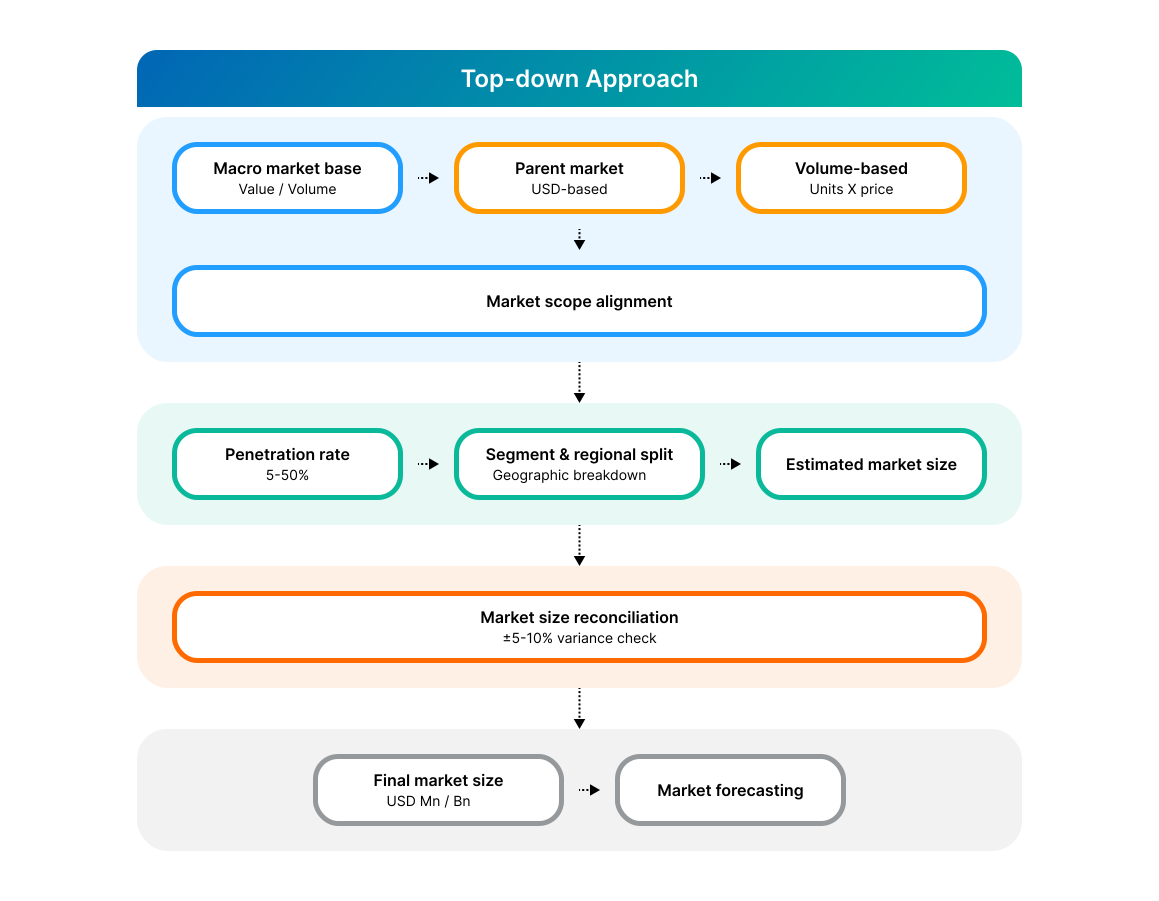
Step 4: TOP-DOWN APPROACH
- We start with the overall market size at a global or macro level.
- The market is then narrowed down based on scope and industry relevance.
- We apply penetration rates and split the data by region and segment.
- This helps us estimate the market size for specific segments.
- The numbers are validated through cross-checks to ensure accuracy.
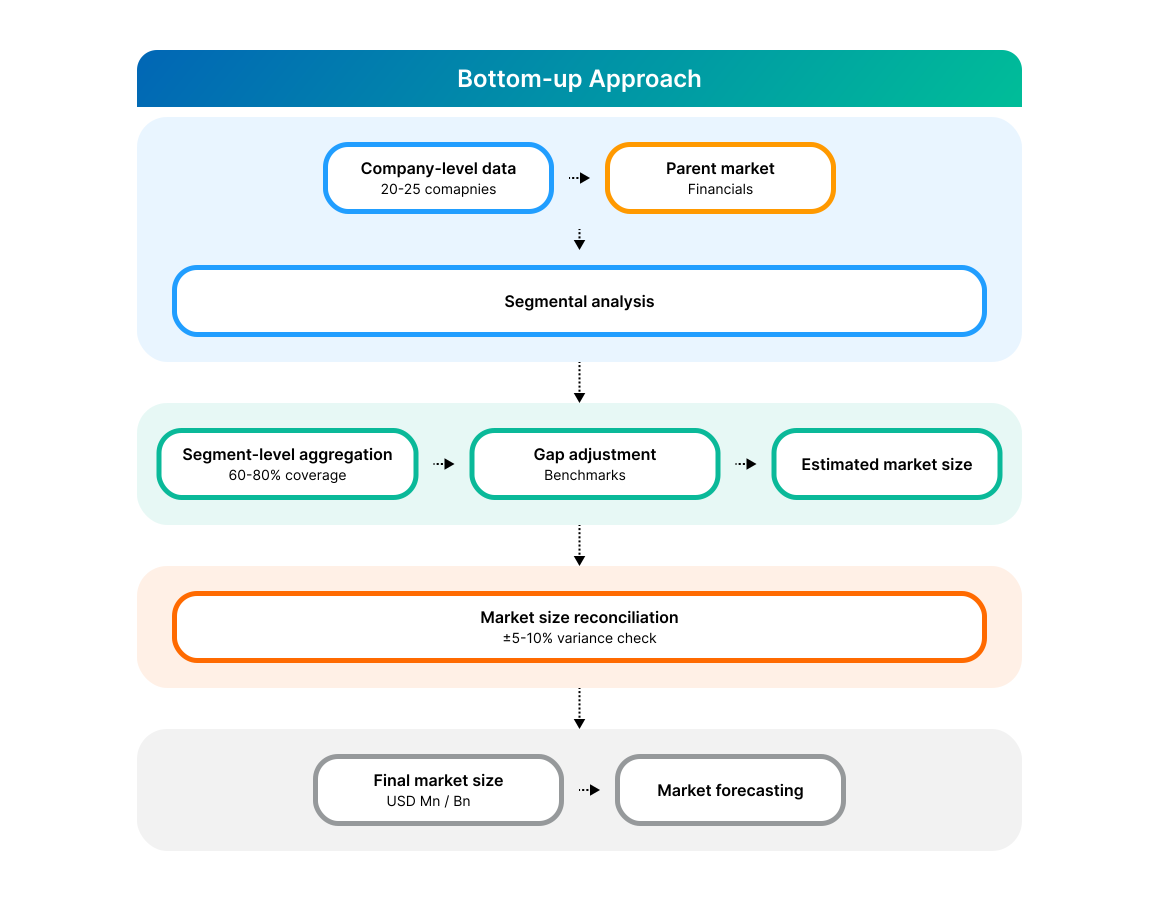
Step 5: BOTTOM-UP APPROACH
- We begin by analyzing data from leading companies in the market.
- Revenue data is collected and mapped across different segments.
- The data is then aggregated to estimate the total market size.
- To fill in any gaps, adjustments are made based on industry standards.
- Validation checks make sure that the results are correct.
5. Data Structuring
Step 6:
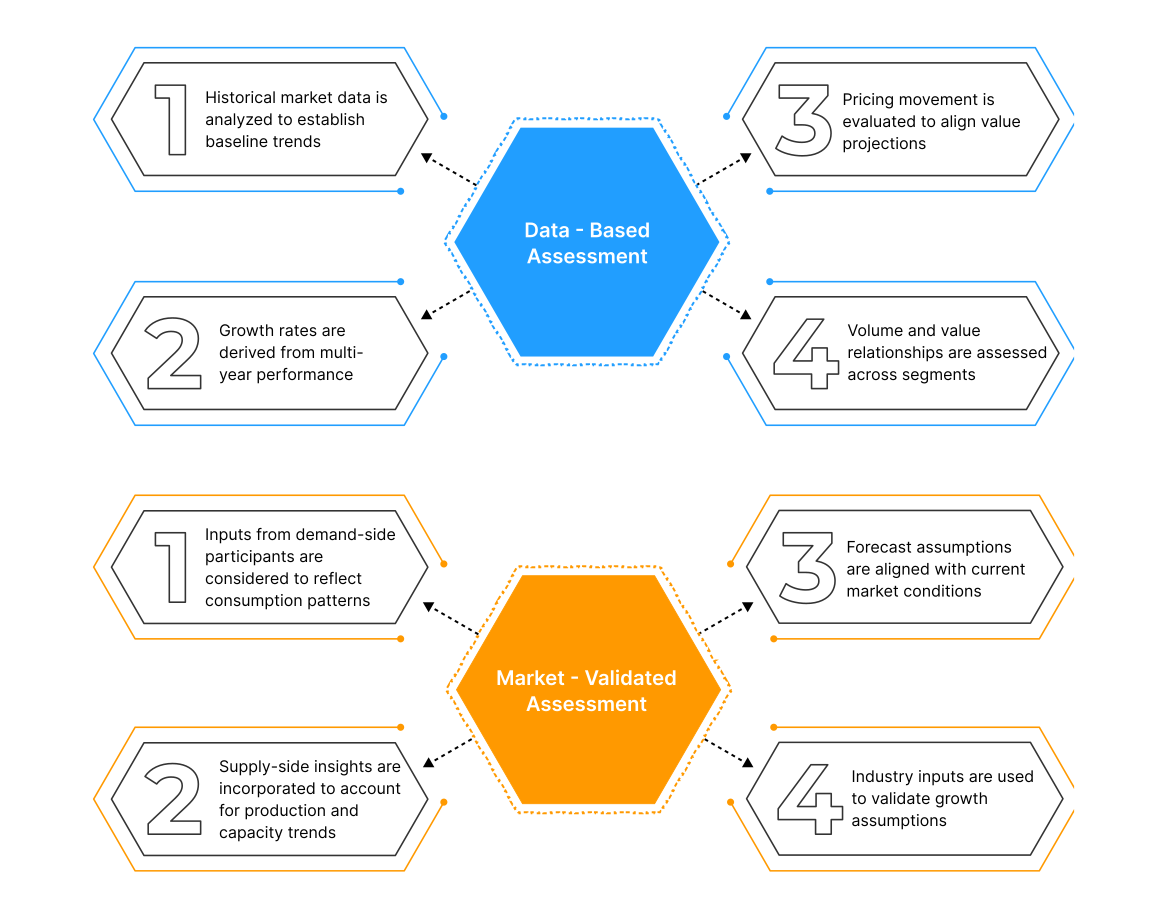
At Polaris Market Research, we employ a methodical forecasting strategy. This approach blends the analysis of historical data with real-time market validation. To forecast future trends with precision, we examine past patterns, pricing fluctuations, and the interplay of supply and demand. To ensure our conclusions reflect the present market landscape, we actively seek input from industry experts and key stakeholders.
To refine our predictions, we carefully consider critical elements such as market drivers and restraints, fluctuations in raw material costs, emerging technologies, and the production capabilities of various regions. Furthermore, we assess regulatory frameworks and potential policy shifts to gauge their potential impact on market expansion.
All this information is synthesized to generate precise forecasts for each segment and region. These forecasts illuminate the current state of the market and highlight forthcoming opportunities.
6. Data Structuring
Step 7:
In the final stage, we validate all our estimates using a triangulation method, where data is cross-checked from multiple reliable sources, like company data, primary interviews, and secondary research. This helps us make sure that our numbers are correct and fit with the rest of the market.
This process involves verifying data consistency across various segments and geographic areas. It also requires comparing historical trends with the assumptions support the forecast. Any discrepancies involve adjustments to ensure everything remains aligned and dependable.
Once the data is finalized, we prepare the final outputs, including market size estimates, segment-wise breakdowns, and growth metrics. These are delivered in structured formats such as tables, charts, and data files for easy analysis and use.
We collaborate closely with clients, ensuring the final products align with their requirements. This includes offering tailored adjustments, supplementary data analyses, and continuous assistance. Furthermore, we monitor market trends post-delivery, providing updates and refinements to maintain the insights' relevance as time passes.
Post-delivery, we continue to monitor market shifts, offering updates and adjustments to ensure the insights remain relevant over time.
Validation
Triangulation Framework
- Company-level data
- Primary inputs from industry participants
- Secondary benchmarks and published data
- Variance maintained within ±5-10%
- Adjustments applied to align estimates
- Segment values validated against overall market structure
Quality Check
Data Consistency & Integrity
- Segment totals validated to 100%
- Regional estimates aligned with global market size
- Historical trends compared against forecast outputs
- Assumptions reviewed for cross-segment and regional alignment
Output & Delivery
Final Outputs
- Market size estimates (USD Mn/Bn)
- Segment-wise distribution (%)
- Growth metrics (CAGR %)
- Structured tables and charts
- Segment-level datasets
- Excel-based data files for further analysis
Client Alignment & Support
- Deliverables are aligned with defined client requirements and scope
- Custom data cuts and segment splits are incorporated as required
- Post-delivery queries are addressed through analyst interactions
- Additional clarifications and data support are provided upon request
Client Continuity & Updates
- Market developments are tracked post-delivery to capture changes in key trends
- Updated data and revisions are provided based on new market inputs
- Additional refinements and data cuts are shared as required
- Continued analyst engagement supports evolving client requirements


