

What is Hirsutism Market Size?
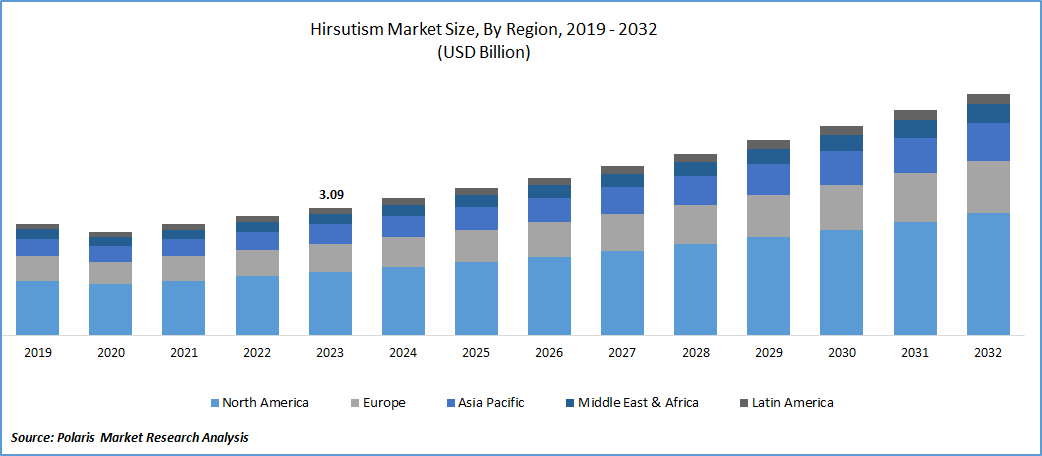
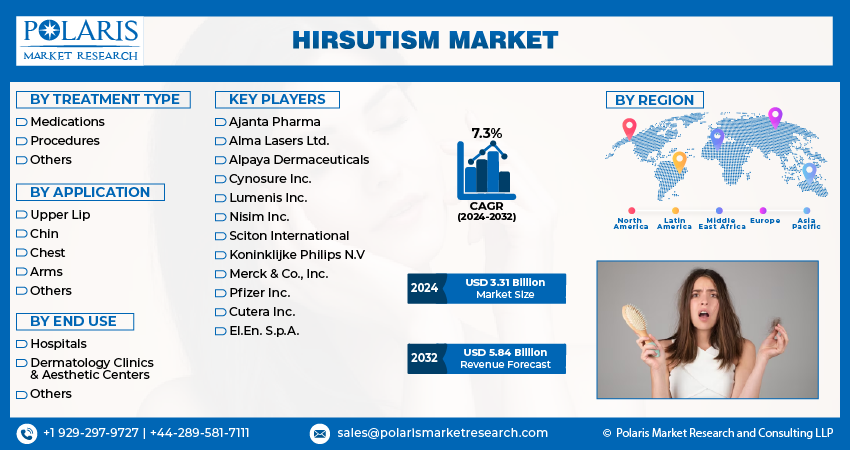
The global hirsutism market was valued at USD 3.52 billion in 2025 and is expected to grow at a CAGR of 7.14% during the forecast period. The growth is driven by rising prevelance of
Market Statistics
- 2025 Market Size: USD 3.52 Billion
- 2034 Projected Market Size: USD 6.52 Billion
- CAGR (2026-2034): 7.14%
- Largest Market: North America
The market is experiencing growth primarily due to the increasing prevalence of hirsutism among women. As reported by the American Academy of Family Physicians, approximately 7% of women are affected by hirsutism, leading to a substantial economic burden exceeding USD 600 million annually in the United States. The market is further driven by cosmetic and psychological concerns associated with unwanted hair, as well as the rising prevalence of polycystic ovary syndrome. These factors collectively contribute to the anticipated growth of the market in the forecast period.
To Understand More About this Research: Request a Free Sample Report
Polycystic Ovary Syndrome (PCOS) is a prevalent hormonal disorder affecting women of reproductive age. The World Health Organization (WHO) reports an estimated PCOS prevalence between 8-13%, with up to 70% of cases remaining undiagnosed. PCOS is characterized by various symptoms, including hirsutism, excess androgen production, irregular periods, and infertility. The increasing prevalence of PCOS poses a significant public health concern, driving the growth of the market. Ongoing research into the underlying causes of PCOS is enhancing understanding and leading to the development of new treatments for the condition. This progress contributes to more effective hirsutism treatments, further fueling market growth.
Obesity stands as a significant risk factor for Polycystic Ovary Syndrome (PCOS). The Centers for Disease Control and Prevention (CDC) report reveals varying obesity prevalence among women across age groups, with 39.7% of women aged 20-39, 43.3% of women aged 40-59, and 43.3% of women aged 60 and over classified as obese. With the ongoing upward trend in obesity rates, it is anticipated to contribute to a further escalation in PCOS prevalence and, consequently, an increased incidence of hirsutism.
A September 2021 study by Yale et al., as reported in the NCBI article, investigated the relationship between hyperandrogenic women, including those with polycystic ovary syndrome (PCOS) and hirsutism, and COVID-19. The study found that COVID-19-positive women with hyperandrogenism, including PCOS and hirsutism market, had hospitalization rates ranging from 4.5% to 8%, with no significant increase in mortality rates compared to those without these conditions (11.4%-11.7%). The study did not identify notable associations between the use of therapeutics like spironolactone, estradiol, and metformin and the rates of COVID-19 infection or hospitalization among these women.
The research report offers a quantitative and qualitative analysis of the Hirsutism Market to enable effective decision-making. It covers the key trends and growth opportunities anticipated to have a favorable impact on the market. Besides, the study covers segment and regional revenue forecasts for market assessment.
Industry Dynamics
Growth Drivers
Technological Advancements in Hair Removal Devices
Advancements in technologies related to hair removal, such as laser and light-based devices, may enhance the efficacy and safety of hirsutism treatments, attracting more patients.
The increasing prevalence of cosmetic procedures, driven by growing beauty consciousness, is fueling the demand for laser hair removal. As individuals express a desire for smoother, hair-free skin, laser hair removal has become a favored solution to address the cosmetic and psychological concerns associated with unwanted hair. According to the International Society of Aesthetic Plastic Surgery (ISAPS), hair removal procedures accounted for a substantial share of aesthetic treatments in 2022, with over 1.8 million procedures performed on both women and men. This significant rise in hair removal procedures underscores the escalating demand for effective and long-term solutions to unwanted hair.
Hirsutism, characterized by excessive hair growth in women, particularly on the face, chest, and back, causes significant distress and impacts self-esteem. Unwanted hair contributes to feelings of embarrassment, self-consciousness, and social anxiety, affecting emotional well-being. Laser based hair removal helped in the unwanted hair associated with the hirsutism. It targets hair follicles, reducing hair growth and providing long-lasting results. Due to its effectiveness & convenience, laser-based hair removal has gained popularity among individuals seeking to restore confidence with their appearance, thereby contributing to market growth.
Key Trends in Hirsutism
|
Trend |
Description |
|
Advanced Laser Systems |
Shift to multi/triple-wavelength diode, alexandrite, and Nd:YAG lasers for better efficacy across skin types (e.g., Fitzpatrick IV-V), showing 66% hair reduction in Asian skin; superior to IPL. |
|
Inclusion in PCOS Guidelines |
2023 International PCOS Guidelines recommend laser/light therapies for hirsutism, with Alexandrite laser improving severity and psychological outcomes; combined with metformin or OCs enhances results. |
|
Psychological Focus |
New JCEM guidelines (2025) stress mental health screening and patient-centered care, recognizing hirsutism's emotional burden beyond cosmetics. |
|
Combination Therapies |
Pairing pharmacological agents (e.g., anti-androgens, insulin sensitizers) with energy-based devices or lifestyle changes for synergistic effects. |
|
At-Home Devices |
FDA-cleared OTC IPL units for maintenance post-professional laser, expanding access. |
Report Segmentation
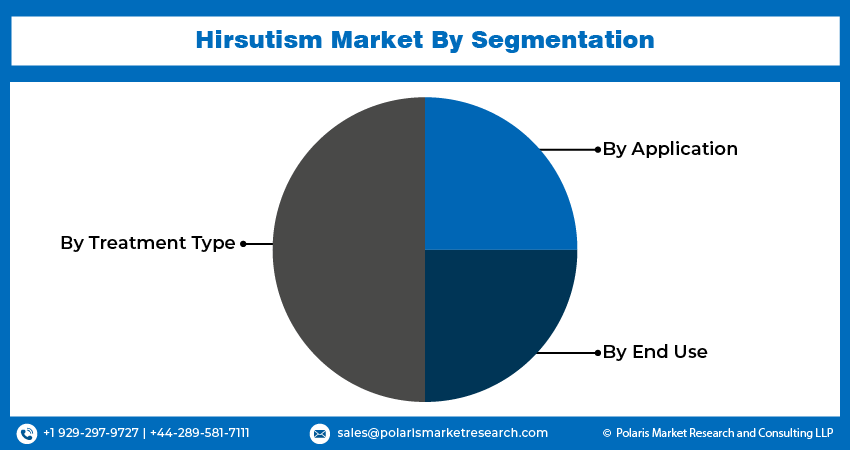
The market is primarily segmented based on treatment type, application, end use, and region.
|
By Treatment Type |
By Application |
By End Use |
By Region |
|
|
|
|
|
|
To Understand the Scope of this Report: Speak to Analyst
Medications Segment Accounted for the Largest Market Share in 2025
Medications segment accounted for the largest share. Among the top medications employed for hirsutism treatment are birth control pills, androgen-suppressing medications, low-dose steroid medications, and insulin-lowering medications. According to information from the Cleveland Clinic, birth control pills stand out as the most frequently prescribed medications for hirsutism treatment. These pills effectively lower androgen levels in women, regulate the menstrual cycle and provide contraceptive benefits.
Procedures segment will grow rapidly. Laser therapy stands out as a widely employed procedure. As per information from Ethos Spa, laser hair removal utilizes pulsed light to target hair follicles, leading to a substantial reduction in hair regrowth, up to 90%. This procedure offers hirsutism patients a convenient way to manage excessive hair without the need for consistent maintenance. Over time, regular use of laser hair removal further diminishes hair regrowth, contributing to the growth of the hirsutism market.
By Application Analysis
Upper Lip Segment Held the Significant Market Share in 2025
Upper lip segment held the significant market share. Facial hair in women exhibits variations in volume and type. As highlighted in the Clinique Matrice article, it is commonplace for the women to possess sparse facial hair along the outer corners of the jaw line & upper lip. This natural facial hair is commonly referred to as peach fuzz. Notably, women from European countries such as Italy & Greece, as well as those from the Indian subcontinent, often exhibit more facial hair compared to women in other regions of the world.
Chin segment is expected to gain substantial growth rate. As outlined in a Healthline article, it is common for most females to have short hair on their faces, but some may exhibit more noticeable hair on their chins, influenced by factors such as genetics or age. The onset of menopause can lead to increased chin, facial, or neck hair. Studies indicate variations in androgen levels and corresponding body and facial hair among different racial groups. These insights underscore the efficacy and long-lasting benefits of laser therapy as a potential treatment for excessive hair growth on the chin.
Regional Insights
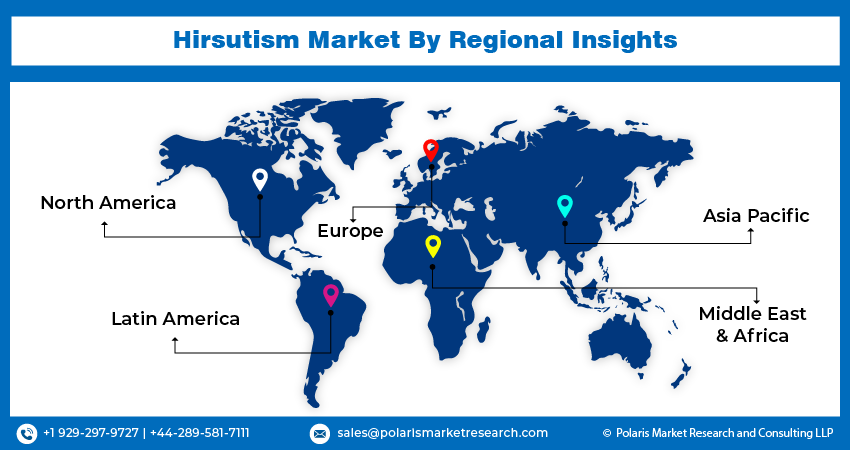
North America Dominated the Global Market in 2025
North America dominated the global market. Region’s growth is primarily due to rise in the number of hirsutism cases, the presence of well-established dermatology clinics, and a growing pool of skilled professionals in the region. According to a May 2023 article from the National Center for Biotechnology Information (NCBI), approximately 10% of women in the United States are affected by hirsutism, making it the most frequently diagnosed endocrine disorder.
The Asia Pacific will grow with substantial pace. This is primarily due to burgeoning population and an increasing prevalence of hirsutism. Additionally, the region is witnessing changes in lifestyles, a rise in consumer spending power, and a growing trend of medical tourism in emerging economies, all of which contribute to the expanding market. According to a May 2022 article from the National Center for Biotechnology Information (NCBI), a significant number of Chinese women, particularly those aged 20 to 49 years, have been diagnosed with polycystic ovary syndrome (PCOS) in recent years. The study estimates that around 24% of Chinese women of childbearing age are affected by PCOS.
Key Market Players & Competitive Insights
The global hirsutism market exhibits a moderate level of innovation. Despite notable progress in comprehending hirsutism and its root causes, the prevailing treatment options primarily revolve around managing symptoms rather than addressing the fundamental cause of the condition. Nonetheless, there is a rising inclination toward the exploration and development of more personalized and targeted therapies, considering individual patient characteristics and genetic profiles.
Some of the major players operating in the global market include:
- Ajanta Pharma
- Alma Lasers Ltd.
- Alpaya Dermaceuticals
- Cynosure Inc.
- Lumenis Inc.
- Nisim Inc.
- Sciton International
- Koninklijke Philips N.V
- Merck & Co., Inc.
- Pfizer Inc.
- Cutera Inc.
- El.En. S.p.A.
Recent Developments
- August 2024: Skin Lattice Clinic marked a major advancement in dermatology services by becoming Gurgaon, India’s first clinic to launch the FDA-approved Alma Titanium Pro laser hair removal solution for hirsutism management technology.
- August 2024: The PCOS Awareness Association partnered with Milan Laser Hair Removal to increase visibility, promote education, and support individuals with polycystic ovarian syndrome.
- March 2022: Lumenis, introduced the Splendor X device to the UK market. This versatile device is suitable for all Fitzpatrick skin types and is designed to cater to the needs of both men and women.
Hirsutism Market Report Scope
|
Report Attributes |
Details |
|
Market size in 2025 |
USD 3.52 billion |
| Market size in 2026 | USD 3.76 billion |
|
Revenue forecast in 2034 |
USD 6.52 billion |
|
CAGR |
7.14% from 2026 – 2034 |
|
Base year |
2025 |
|
Historical data |
2021 – 2024 |
|
Forecast period |
2026 – 2034 |
|
Quantitative units |
Revenue in USD billion and CAGR from 2026 to 2034 |
|
Segments covered |
By Treatment Type, By Application, By End Use, By Region |
|
Regional scope |
North America, Europe, Asia Pacific, Latin America, Middle East & Africa |
|
Customization |
Report customization as per your requirements with respect to countries, region, and segmentation. |
FAQ's
Ajanta Pharma, Alma Lasers, Cynosure, Lumenis, Nisim, Sciton International are the key companies in Hirsutism Market
The global hirsutism market is expected to grow at a CAGR of 7.14% during the forecast period.
The Hirsutism Market report covering key segments are type, application, end use, and region.
Rising Prevalence of PCOS are the key driving factors in Hirsutism Market
The global hirsutism market size is expected to reach USD 6.52 billion by 2034
Page last updated on:
Feb-2024
Research Methodology
A robust system of research, verification, and forecasting designed to ensure reliable and actionable market insights.
Polaris Market Research uses a clear and structured approach to deliver insights that clients can rely on. The process combines detailed primary and secondary research, including direct communication with industry experts. The detailed information helps build a complete picture of market trends and developments. Secondary data is gathered from credible sources such as industry reports, company filings, government source links, and trusted organization databases. It is then cross-checked through discussions with key stakeholders across the value chain. Market size and forecasts are developed using both bottom-up and top-down methods to ensure accuracy and consistency in the final results.
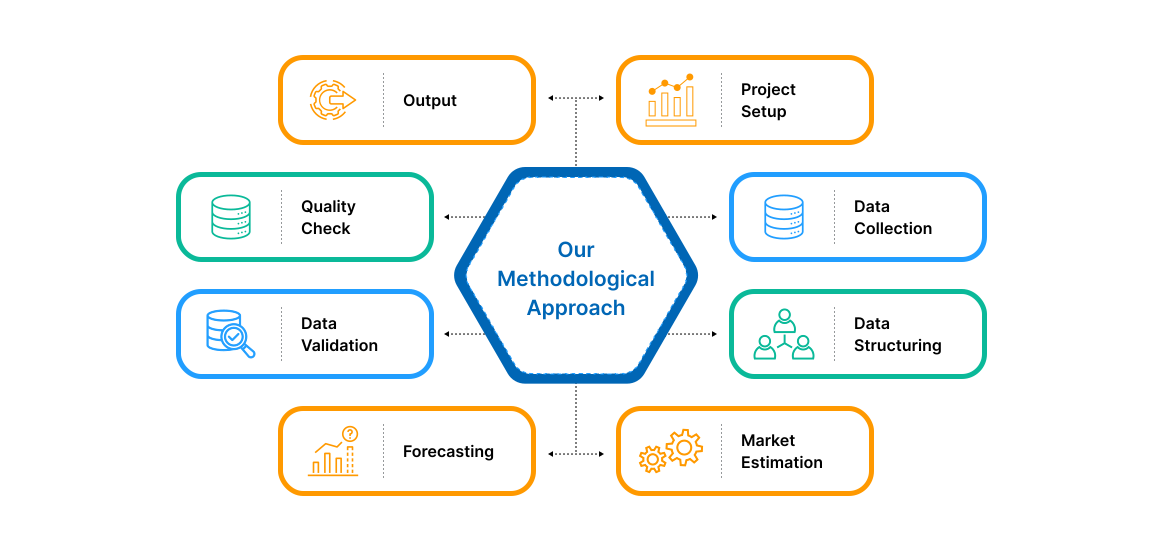
Project Setup
Step 1 & 2:
- We start every project by clearly understanding the client’s objective or goal, then defining the market scope, and aligning regions, segments, and timelines.
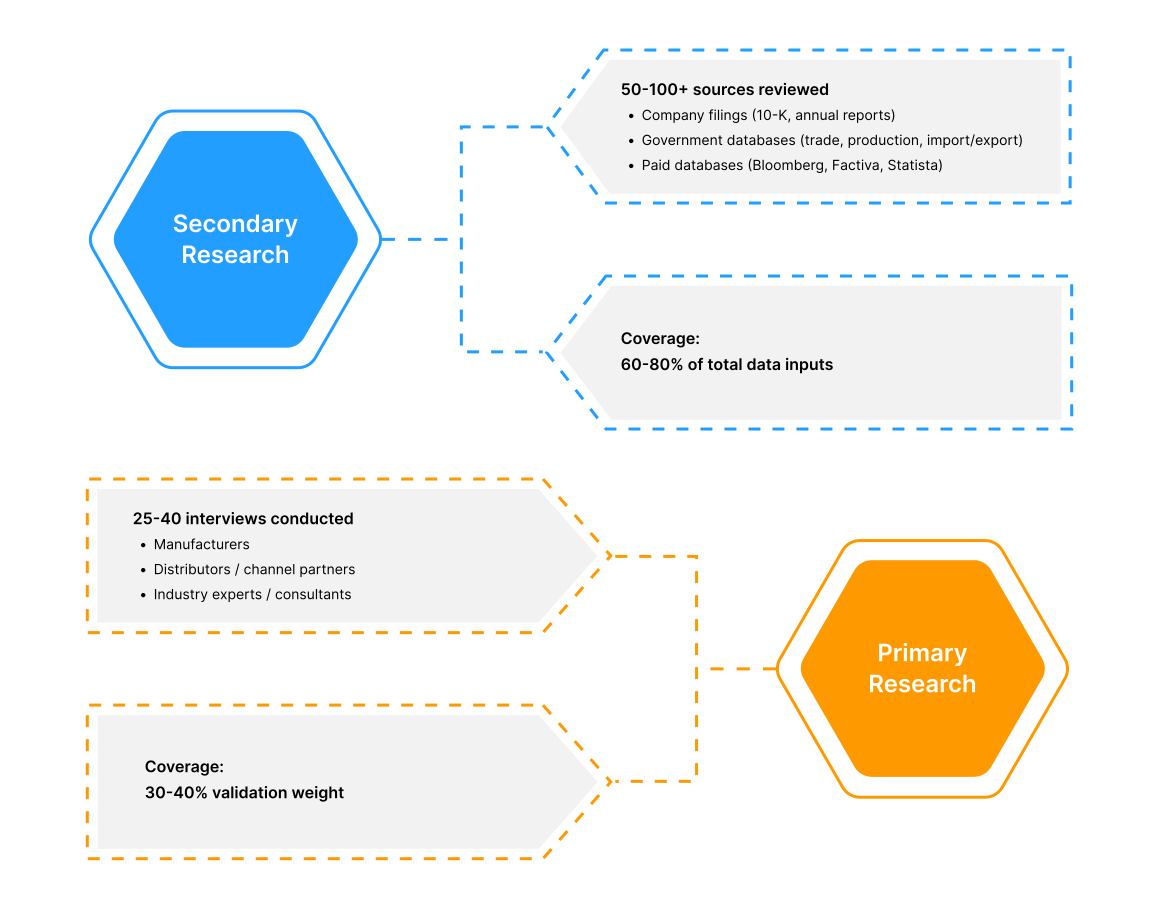
- Once the foundation is set, we collect data from all-around of sources, including company reports, government databases, and paid industry platforms.
- Our research is based on secondary data, which helps us build a strong understanding of the market across regions and industries. Then we validate this information through primary research by speaking directly with industry experts, companies, and stakeholders.
- By combining secondary and primary research, we ensure that our market insights are accurate, practical, and closely aligned with real market conditions.
Data Collection
We gather information from both public and verified sources:
Data Structuring
Step 3:
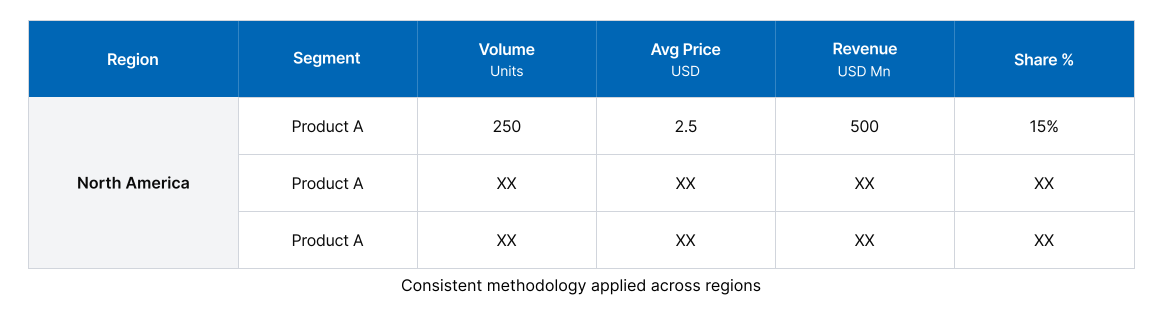
- All collected data is organized into a consistent format to ensure accurate analysis. Since inputs come from multiple sources, they are standardized and aligned before use.
- The data is segmented by product, application, and region, and mapped across a defined historical period (2020–2024). All values are converted into common units (USD Mn/Bn), and volume and pricing are aligned where required to estimate revenue.
- Any overlaps or inconsistencies are reviewed and adjusted to maintain accuracy (<5% variance threshold).
- The result is a structured dataset that allows for clear comparison across regions and supports reliable analysis and forecasting.
Structured Market Dataset, USD Mn/Bn
4. Data Structuring
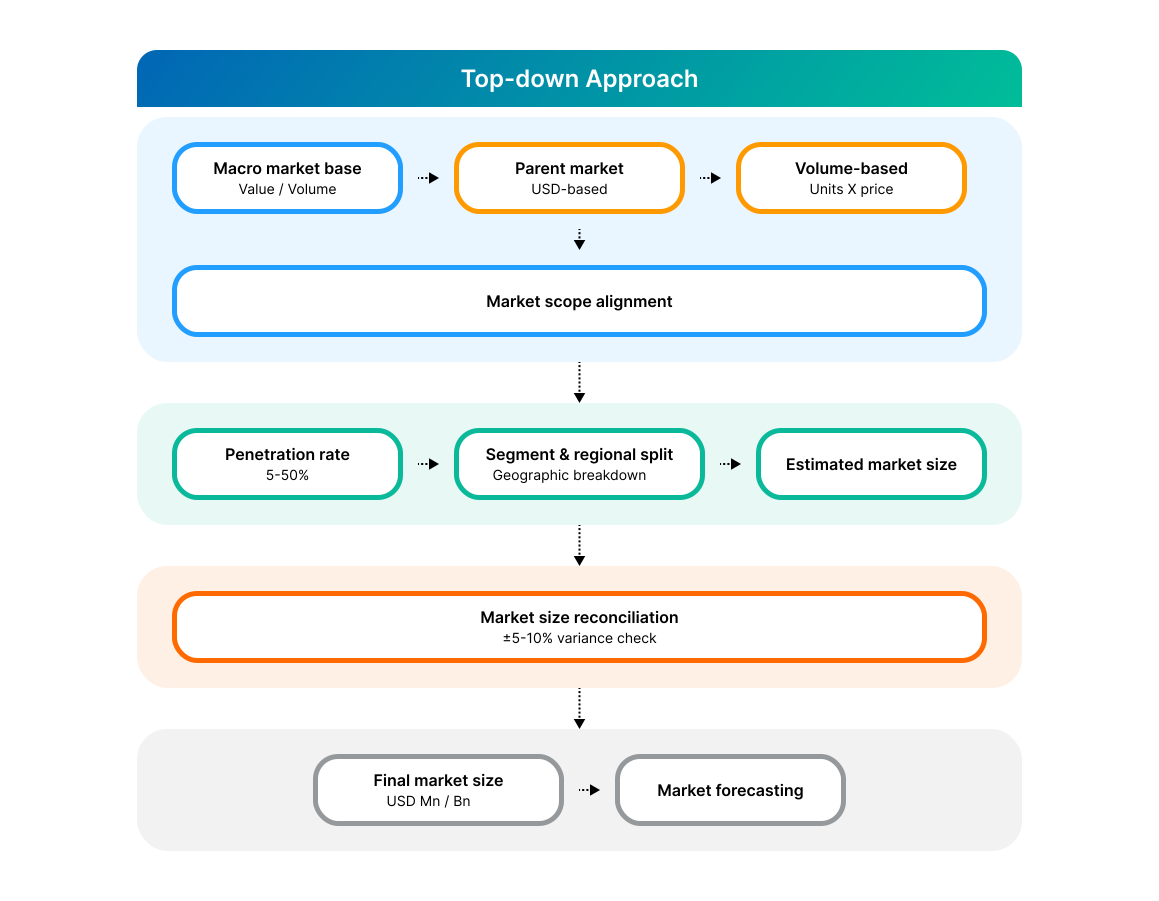
Step 4: TOP-DOWN APPROACH
- We start with the overall market size at a global or macro level.
- The market is then narrowed down based on scope and industry relevance.
- We apply penetration rates and split the data by region and segment.
- This helps us estimate the market size for specific segments.
- The numbers are validated through cross-checks to ensure accuracy.
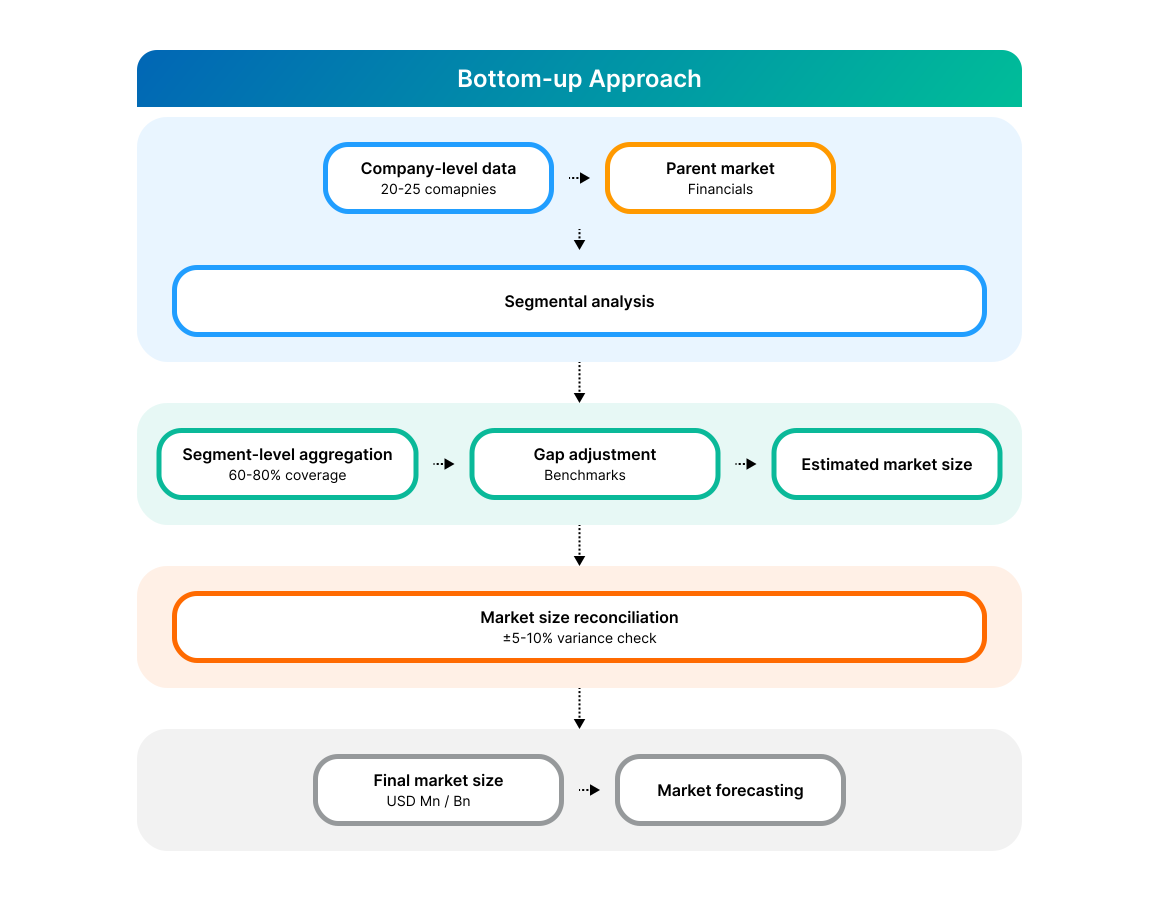
Step 5: BOTTOM-UP APPROACH
- We begin by analyzing data from leading companies in the market.
- Revenue data is collected and mapped across different segments.
- The data is then aggregated to estimate the total market size.
- To fill in any gaps, adjustments are made based on industry standards.
- Validation checks make sure that the results are correct.
5. Data Structuring
Step 6:
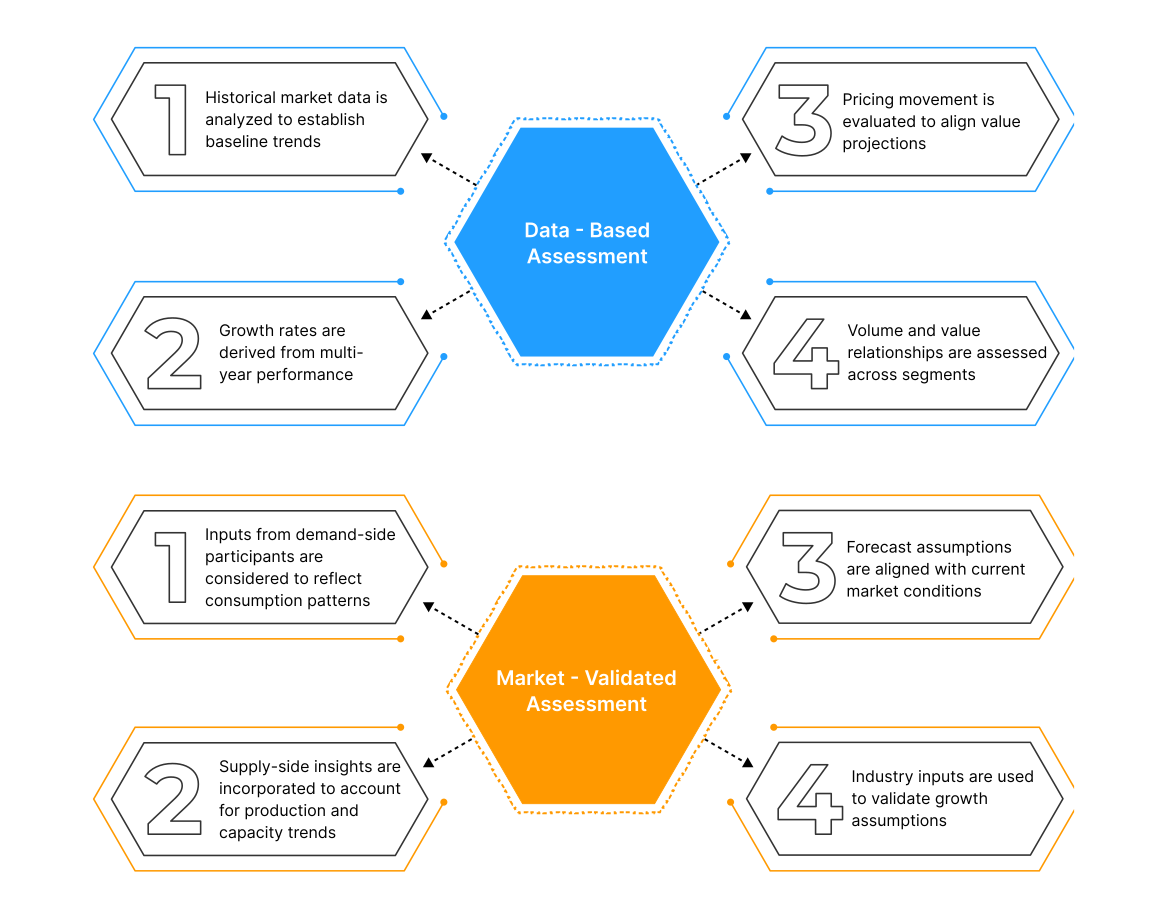
At Polaris Market Research, we employ a methodical forecasting strategy. This approach blends the analysis of historical data with real-time market validation. To forecast future trends with precision, we examine past patterns, pricing fluctuations, and the interplay of supply and demand. To ensure our conclusions reflect the present market landscape, we actively seek input from industry experts and key stakeholders.
To refine our predictions, we carefully consider critical elements such as market drivers and restraints, fluctuations in raw material costs, emerging technologies, and the production capabilities of various regions. Furthermore, we assess regulatory frameworks and potential policy shifts to gauge their potential impact on market expansion.
All this information is synthesized to generate precise forecasts for each segment and region. These forecasts illuminate the current state of the market and highlight forthcoming opportunities.
6. Data Structuring
Step 7:
In the final stage, we validate all our estimates using a triangulation method, where data is cross-checked from multiple reliable sources, like company data, primary interviews, and secondary research. This helps us make sure that our numbers are correct and fit with the rest of the market.
This process involves verifying data consistency across various segments and geographic areas. It also requires comparing historical trends with the assumptions support the forecast. Any discrepancies involve adjustments to ensure everything remains aligned and dependable.
Once the data is finalized, we prepare the final outputs, including market size estimates, segment-wise breakdowns, and growth metrics. These are delivered in structured formats such as tables, charts, and data files for easy analysis and use.
We collaborate closely with clients, ensuring the final products align with their requirements. This includes offering tailored adjustments, supplementary data analyses, and continuous assistance. Furthermore, we monitor market trends post-delivery, providing updates and refinements to maintain the insights' relevance as time passes.
Post-delivery, we continue to monitor market shifts, offering updates and adjustments to ensure the insights remain relevant over time.
Validation
Triangulation Framework
- Company-level data
- Primary inputs from industry participants
- Secondary benchmarks and published data
- Variance maintained within ±5-10%
- Adjustments applied to align estimates
- Segment values validated against overall market structure
Quality Check
Data Consistency & Integrity
- Segment totals validated to 100%
- Regional estimates aligned with global market size
- Historical trends compared against forecast outputs
- Assumptions reviewed for cross-segment and regional alignment
Output & Delivery
Final Outputs
- Market size estimates (USD Mn/Bn)
- Segment-wise distribution (%)
- Growth metrics (CAGR %)
- Structured tables and charts
- Segment-level datasets
- Excel-based data files for further analysis
Client Alignment & Support
- Deliverables are aligned with defined client requirements and scope
- Custom data cuts and segment splits are incorporated as required
- Post-delivery queries are addressed through analyst interactions
- Additional clarifications and data support are provided upon request
Client Continuity & Updates
- Market developments are tracked post-delivery to capture changes in key trends
- Updated data and revisions are provided based on new market inputs
- Additional refinements and data cuts are shared as required
- Continued analyst engagement supports evolving client requirements


