

Market Overview
The global immunoassay market size was valued at USD 34.46 billion in 2025, exhibiting a CAGR of 4.4% during 2026–2034. The market is driven by the growing prevalence of chronic and infectious diseases, technological advancements, the growing need for personalized healthcare, and the development of healthcare infrastructure.
The immunoassay industry is a significant segment of the immunoassay diagnostics market, enabling the detection and quantification of antibodies, antigens, hormones, proteins, and other important biomarkers. The immunoassay testing use case is widely used in clinical diagnostics, disease screening, pharmaceutical development, and therapeutic monitoring. The rising demand for early disease detection, accurate results, and a convenient test solution is thus fueling market growth.
Key Insights
- The immunoassay reagents & kits market is advancing due to frequent use and compatibility with automated systems. ELISA immunoassay kits are in great demand for their accuracy, reliability, and economy.
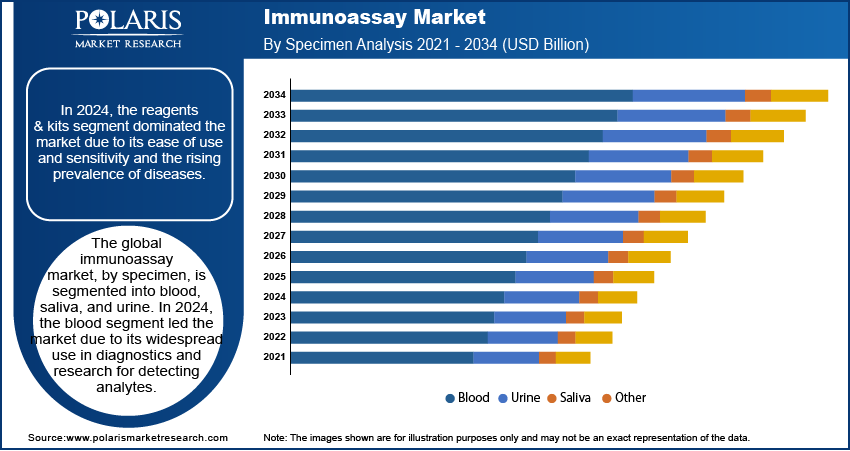
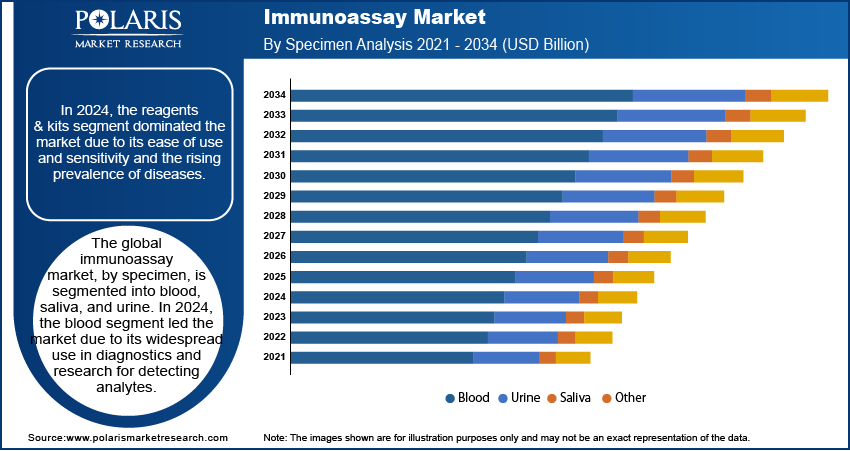
- Blood-based immunoassay testing is most prevalent due to the high levels of biomarkers in blood and its use in clinical diagnosis.
- North America dominates the market, consequent to high chronic and infectious disease incidence. Additionally, innovations in high-sensitivity tests further support this segment's continuous growth. More precision diagnostics are brought into demand, such as the ESR1 Mutation Monitoring Assay for breast cancer.
- The fastest growth is seen in the Asia Pacific region, driven by rising healthcare spending and the rise in chronic diseases. Additionally, an aging population is driving demand for early diagnosis and advanced immunoassay technologies.
Industry Dynamics
- The management of chronic diseases has become dependent on high-sensitivity immunoassay testing. This helps determine appropriate levels of markers.
- Immunoassay technology advancements, including high-throughput immunoassay systems, multiplex testing, and automation, are improving testing speed and efficiency. These solutions help large diagnostic laboratories manage high sample volumes while reducing turnaround time and operating costs.
- The increasing demand for personalized medicine in oncology and cardiology is expanding the need for specialized immunoassay tests and tailored treatments.
- Expanding healthcare infrastructure in emerging economies is making immunoassay technologies more accessible, driving adoption in routine medical diagnostics and early disease detection.
- Imunoanalysis reimbursement policies, costly instruments, and complexities in some countries and regions have continued to inhibit the growth of immunoassay markets. The above points highlight immunoanalysis reimbursement challenges, particularly in low- and middle-income countries.
Market Statistics
- 2025 Market Size: USD 34.46 billion
- 2034 Projected Market Size: USD 50.95 billion
- CAGR (2026–2034): 4.4%
- North America: Largest market in 2025
Immunoassays have been facing increasing demand in recent years within the healthcare and diagnostics industry. An immunoassay primarily detects specific proteins, lipids, nucleic acids, and other small molecules in biological samples. Immunoassay testing is used in various ways in disease diagnosis, pharmaceutical research, and other scientific research. The immunoassay testing market is expected to grow rapidly over the forecast period, driven by rising chronic disease incidence and the need for advanced diagnostic techniques. The requirement for immunoassay testing in the healthcare sector has created significant growth opportunities.
The increase in the incidence of infectious diseases such as HIV, hepatitis, and viruses has led to the need for effective diagnostic methods. This has led to the development of immunoassays. ELISA tests can be used for early diagnosis of these diseases. This is important for controlling the spread of such diseases. Moreover, technological advances such as label-free, rapid, and high-throughput platforms, including surface plasmon resonance, are providing different avenues for growth. Such new technologies enable faster, more accurate, and more affordable diagnosis.
Immunoassay kits are being transformed by the growing use of multiplex, smartphone-enabled, and point-of-care immunoassays, which provide fast, convenient medical testing. But with the emergence of personalized medicine and the growing use of pharmaceutical testing for cancer and cardiovascular drugs, the need for specialty immunoassays is increasing. These developments are being fueled by leaders in the immunoassay kits market, such as Siemens Healthineers and BD.
Market Dynamics
Growing Prevalence of Chronic Diseases Globally
Diabetes, cardiovascular disease, cancer, and autoimmune diseases are also on the rise. Changes in lifestyle and environmental factors are contributing to this. As stated in a World Health Organization report, noncommunicable diseases accounted for 43 million deaths in 2021. Additionally, 75% of non-pandemic deaths were due to noncommunicable diseases. Immunoassays also have a wide range of applications in the management of these diseases. The process involves detecting biomarkers associated with these diseases through proteins. Therefore, these factors highlight the growing need for reliable, advanced immunoassay technologies.
There is an increasing trend of preferring personalized medicine for the treatment of chronic illnesses. In these medicines, an immunoassay is an essential test. Based on specific biomarkers, these tests help determine the patient’s health condition, genetic information, and treatment capacity. In cancer treatment, for example, ian mmunoassay measures the protein to determine the stage of cancer for effective treatment. In the treatment of autoimmune diseases, too, immunoassays measure antibody levels to monitor treatment progress, further underscoring their significance in the treatment of chronic illnesses. The increasing prevalence of health conditions worldwide is thus driving demand for immunoassay tests.
Expanding Healthcare Infrastructure in Emerging Economies
Developing countries such as India and Thailand are investing heavily in the healthcare sector. They are opening hospitals, diagnostic facilities, and clinics. In India, public spending on healthcare increased by 37% from 2020-21 to 2021-22, indicating a strong push toward greater access to healthcare and hospital infrastructure. There is also a focus on advanced facilities for diagnosing infectious and chronic diseases, such as diabetes, heart-related conditions, and cancer. These include immunoassays.
Governments in Asia Pacific are starting to invest in healthcare budgets and initiatives to enhance their diagnostic capabilities. It will make immunoassays more mainstream, eventually leading to their use in routine medical checks or for detecting disease while it is still in its early stages. More healthcare professionals are being used as this shift towards immunoassays continues. Thus, the expanding healthcare infrastructure in emerging economies and rising healthcare investments are expected to create lucrative opportunities for the immunoassay industry during the forecast period.
Segment Insights
Market Assessment by Products Outlook
The global immunoassay market segmentation, by product, includes reagents & kits, analyzers/instruments, and software & services. In 2025, the reagents and kits market maintained its leading position in the immunoassay kits market, largely because of the increasing number of cases of chronic and infectious diseases. Hospitals and labs find immunoassay kits useful because they are easier to handle, involve standard methodologies, and are highly sensitive and accurate. In particular, ELISA kits are widely used in diagnosis, research, and pharmaceutical applications because they are highly quantitative. There is a growing demand for a reliable diagnostic tool for infectious diseases, cancer, and autoimmune diseases. This fuels market growth for ELISA reagents.
Market Evaluation by Specimen Outlook
The global immunoassay market, by specimen type, is segmented into blood, saliva, urine, and other specimen types. In 2025, the blood segment saw significant market growth due to its wide use as a specimen across end-user industries such as hospitals, clinics, and laboratories. Immunoassays using blood as the specimen type may be used for diagnostic and research purposes in the medical field to identify and measure various analytes. The key factor that prompts the use of blood specimens in immunoassays is the presence of biological content, such as macromolecules and micro molecules, which reflect the physiological and pathological state of the body. Additionally, some key factors, such as the increasing demand for rapid, point-of-care diagnostics, have driven the use of blood as a specimen in immunoassays. Also, advances in microfluidic technology, which enable precise collection, processing, and analysis of blood, are gaining popularity in point-of-care and clinic settings, thereby fueling demand during the forecast period. HemaXis, a medical device company, has developed the HemaXis micro blood sampling platform. The device uses microfluidic technology to collect and prepare precise, controlled amounts of whole blood, plasma, and serum, delivering a final result more quickly.
Regional Analysis
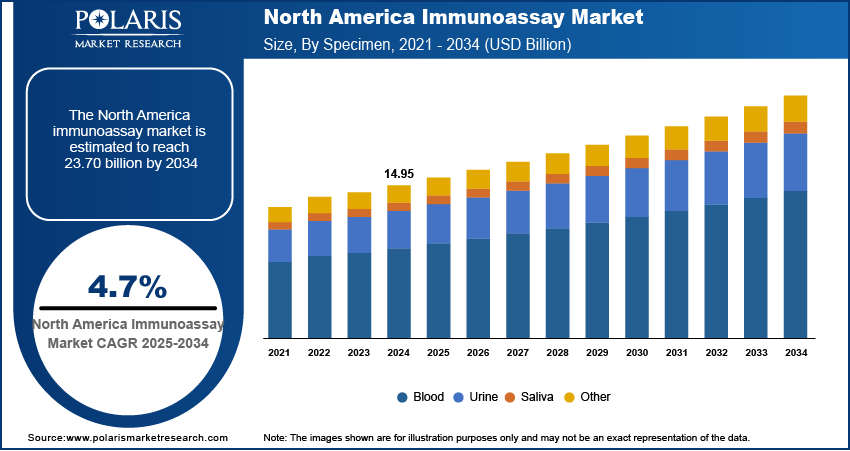
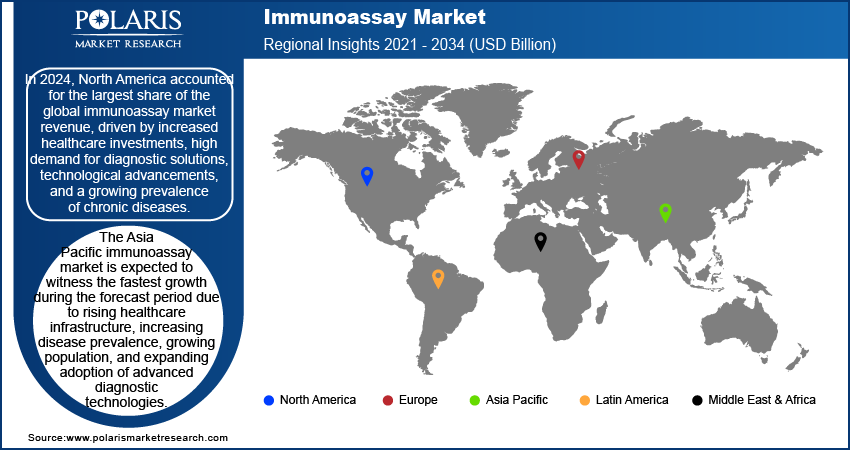
Based on region, the study provides insights into the immunoassay market in North America, Europe, Asia Pacific, Latin America, and the Middle East & Africa. In 2025, the North America immunoassay market accounted for the largest share, primarily due to the growing prevalence of chronic and infectious diseases that demand precise and reliable diagnostic testing. The companies operating in the region are pursuing developments in high-sensitivity assays, multiplexing, and automated platforms. The developments help increase the quality and efficiency of immunoassay reagent/kit development. In December 2024, for instance, BIO-TECHNE launched an ESR1 Mutation Monitoring Assay. The product assists patients with hormone receptor-positive metastatic breast cancer by detecting mutations.
Asia Pacific is expected to grow at the highest rate during the forecast period, reflecting a strong Asia Pacific immunoassay market CAGR. Increasing healthcare spending, coupled with a growing burden of chronic diseases and constant improvements in diagnostic technologies, would continue to support this growth. Other factors that will enhance market growth include an aging population and the importance of early disease diagnosis. As reported by WHO, the age composition of the Southeast Asian region is changing, with the proportion of the population aged “60 years and over” projected to increase from 9.8% in 2017 to 13.7% in 2030 and further to 20.3% in 2050. Consequently, the growing elderly population is likely to increase demand for immunoassays across the region substantially.
Key Players & Competitive Analysis Report
The immunoassay market is highly competitive, and both existing and new companies are seeking to gain a foothold in this fast-growing market. Major companies invest in innovation and research to enhance their product lines and cater to a wide range of healthcare needs. There is also increasing demand for rapid, accurate diagnostic solutions. Disease diagnosis, pharmaceutical testing, and biotechnology studies utilize such solutions. Technical development involves high-sensitivity and multiplex immunoassays, which are increasingly popular in countries and regions with the highest healthcare expenditure and the highest incidences of life-threatening diseases. Players face challenges in being innovative and nimble due to rising healthcare costs, stringent regulations, and competition from alternative diagnostic techniques.
Abbott, a global healthcare company, discovers, develops, manufactures, and sells a wide range of healthcare products worldwide. The company operates in four segments: established pharmaceutical products, diagnostic products, nutritional products, and medical devices. The diagnostic products segment provides laboratory and transfusion medicine systems, point-of-care testing, molecular diagnostics, and informatics solutions for clinical laboratories.
In the diagnostic products, immunoassays concentrate on advanced platforms, particularly the ARCHITECT i1000SR from Abbott Labs. These platforms offer high-throughput, accurate screening for biomarkers to diagnose, manage, and treat various diseases, including infectious diseases, cancers, endocrine disorders, and cardiology.
BD is a leading company worldwide in medical supplies, devices, lab equipment, and diagnostic solutions. They are catering to the hospital, medical, research, lab, and pharmaceutical industries, with significant effects on the global healthcare sector. There are three major business segments under this company named Medical, Life Sciences, and Interventional.
The BD Life Sciences business helps develop the future of diagnostics and lab automation. The Products under this business include diagnostic tools, such as ELISA kits, used to identify specific biomarkers in biological materials. Such tests have high sensitivity and specificity, thus aiding the development of various fields of medicine.
List of Key Companies
- Abbott
- BD
- Beckman Coulter, Inc.
- BIOMÉRIEUX
- Bio-Rad Laboratories, Inc.
- F. Hoffmann-La Roche Ltd
- QuidelOrtho Corporation
- Siemens Healthineers AG
- Sysmex Corporation
- Thermo Fisher Scientific Inc.
Industry Developments
January 2025: Anbio Biotechnology launched its Dry Chemiluminescence Immunoassay Solution ADL-1000. The company said the solution is targeted at various clinical settings and has the potential to provide diagnostic results at an economical cost.
October 2024: Bio-Rad launched the EQAS Specialty Immunoassay program, consolidating 13 analytes to enhance clinical utility, reduce costs, and streamline proficiency testing.
July 2024: Beckman Coulter introduced the DxC 500i Analyzer. This is a compact system for clinical chemistry and immunoassays. Beckman Coulter emphasizes that it is scalable, efficient, easy to use, and offers Six Sigma quality.
September 2023: Thermo Fisher announced FDA clearance of the first automated Chromogranin A test. The test enables labs to assess tumor progression in patients with gastroenteropancreatic neuroendocrine tumors, improving patient management and treatment evaluation.
Market Segmentation
By Products Outlook (Revenue, USD Billion, 2021–2034)
- Reagents & Kits
- ELISA Reagents & Kits
- Rapid Test Reagents & Kits
- ELISPOT Reagents & Kits
- Western Blot Reagents & Kits
- Other Reagents & Kits
- Analyzers/Instruments
- Open Ended Systems
- Closed Ended Systems
- Software & Services
By Technology Outlook (Revenue, USD Billion, 2021–2034)
- Radioimmunoassay (RIA)
- Enzyme Immunoassays (EIA)
- Chemiluminescence Immunoassays (CLIA)
- Fluorescence Immunoassays (FIA)
- Rapid Tests
- Others
By Specimen Outlook (Revenue, USD Billion, 2021–2034)
- Blood
- Saliva
- Urine
- Others
By Application Outlook (Revenue, USD Billion, 2021–2034)
- Therapeutic Drug Monitoring
- Oncology
- Cardiology
- Endocrinology
- Infectious Disease Testing
- Autoimmune Diseases
- Others
By End Users Outlook (Revenue, USD Billion, 2021–2034)
- Hospitals
- Laboratories
- Others
By Regional Outlook (Revenue, USD Billion, 2021–2034)
- North America
- US
- Canada
- Europe
- Germany
- France
- UK
- Italy
- Spain
- Netherlands
- Russia
- Rest of Europe
- Asia Pacific
- China
- Japan
- India
- Malaysia
- South Korea
- Indonesia
- Australia
- Vietnam
- Rest of Asia Pacific
- Middle East & Africa
- Saudi Arabia
- UAE
- Israel
- South Africa
- Rest of Middle East & Africa
- Latin America
- Mexico
- Brazil
- Argentina
- Rest of Latin America
Immunoassay Market Report Scope
|
Report Attributes |
Details |
|
Market Size in 2025 |
USD 34.46 Billion |
|
Market Size in 2026 |
USD 36.03 Billion |
|
Revenue Forecast by 2034 |
USD 50.95 Billion |
|
CAGR |
4.4% from 2026 to 2034 |
|
Base Year |
2025 |
|
Historical Data |
2021–2024 |
|
Forecast Period |
2026–2034 |
|
Quantitative Units |
Revenue in USD billion, 2021–2034, and CAGR from 2026 to 2034 |
|
Report Coverage |
Revenue Forecast, Market Competitive Landscape, Growth Factors, and Trends |
|
Segments Covered |
|
|
Regional Scope |
|
|
Competitive Landscape |
|
|
Report Format |
|
|
Customization |
Report customization as per your requirements with respect to countries, regions, and segmentation. |
FAQ's
The global immunoassay market is valued at USD 34.46 billion in 2025 and is expected to grow steadily to USD 50.95 billion by 2034, at a CAGR of 4.4%.
North America dominates the immunoassay industry, with a large share. This growth can be attributed to North America's superior healthcare infrastructure, high prevalence rates, and advancements made in high-sensitivity immunoassays.
The rising prevalence of chronic and infectious diseases, the increasing demand for early and accurate diagnostics, and the adoption of high-sensitivity immunoassay testing, automation, point-of-care testing, and personalized medicine are the main growth drivers.
ELISA (Enzyme-Linked Immunosorbent Assay) dominates the market due to its high sensitivity, reliability, cost-effectiveness, and wide adoption across clinical diagnostics, drug development, and research.
Key players include Abbott, Roche, Siemens Healthineers, Danaher, Thermo Fisher Scientific, Bio-Rad Laboratories, bioMérieux, and Becton, Dickinson, leading innovation and global market growth.
In 2024, the blood segment experienced significant growth due to the increasing demand for diagnostic testing, advancements in blood-based assays, and the rising prevalence of chronic diseases requiring regular blood monitoring.
Page last updated on:
Sep-2024
Research Methodology
A robust system of research, verification, and forecasting designed to ensure reliable and actionable market insights.
Polaris Market Research uses a clear and structured approach to deliver insights that clients can rely on. The process combines detailed primary and secondary research, including direct communication with industry experts. The detailed information helps build a complete picture of market trends and developments. Secondary data is gathered from credible sources such as industry reports, company filings, government source links, and trusted organization databases. It is then cross-checked through discussions with key stakeholders across the value chain. Market size and forecasts are developed using both bottom-up and top-down methods to ensure accuracy and consistency in the final results.
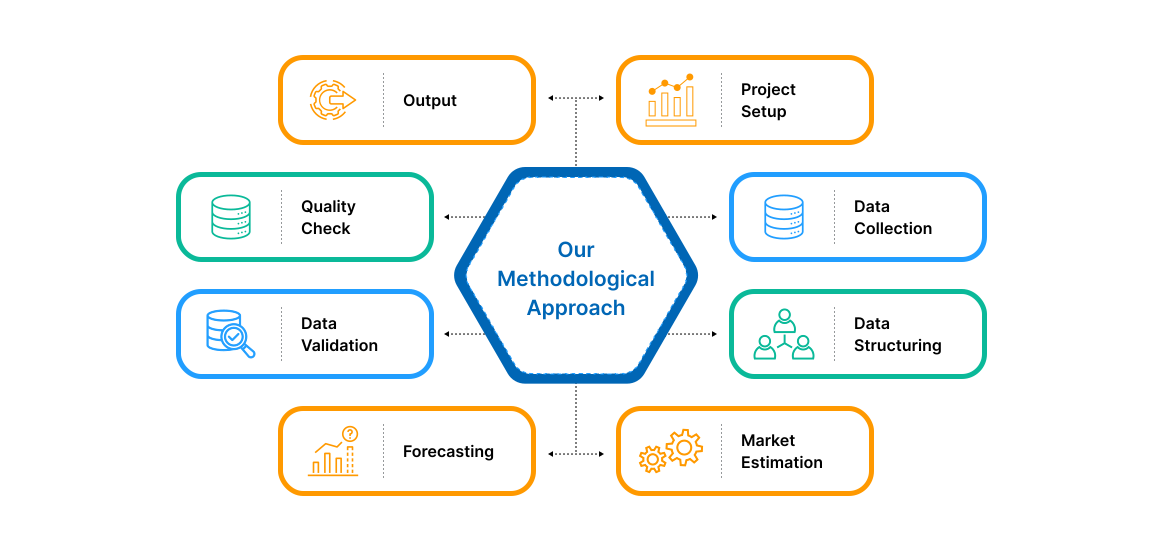
Project Setup
Step 1 & 2:
- We start every project by clearly understanding the client’s objective or goal, then defining the market scope, and aligning regions, segments, and timelines.
- Once the foundation is set, we collect data from all-around of sources, including company reports, government databases, and paid industry platforms.
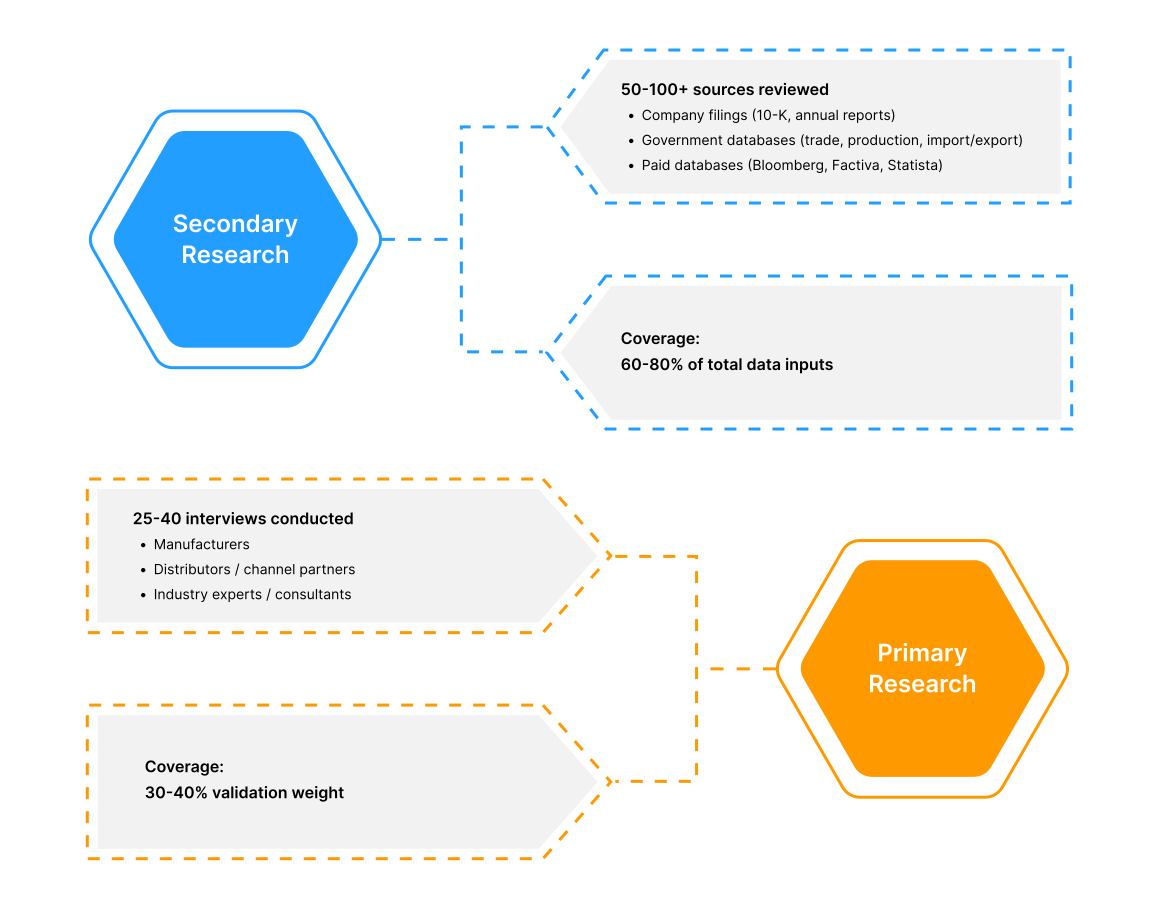
- Our research is based on secondary data, which helps us build a strong understanding of the market across regions and industries. Then we validate this information through primary research by speaking directly with industry experts, companies, and stakeholders.
- By combining secondary and primary research, we ensure that our market insights are accurate, practical, and closely aligned with real market conditions.
Data Collection
We gather information from both public and verified sources:
Data Structuring
Step 3:
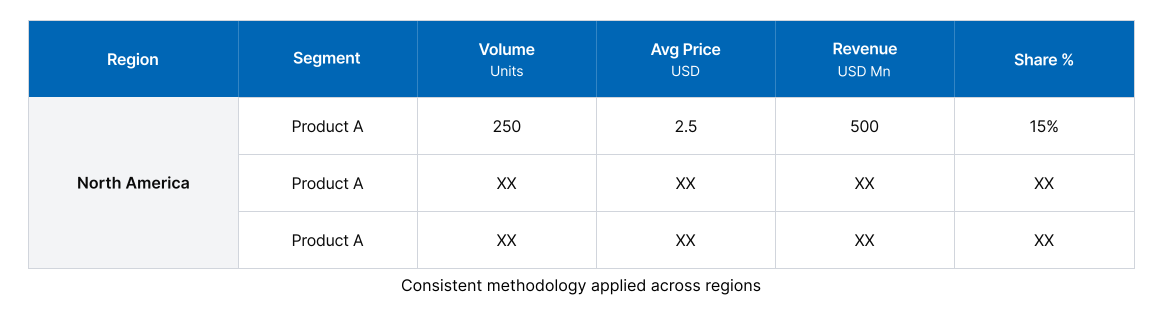
- All collected data is organized into a consistent format to ensure accurate analysis. Since inputs come from multiple sources, they are standardized and aligned before use.
- The data is segmented by product, application, and region, and mapped across a defined historical period (2020–2024). All values are converted into common units (USD Mn/Bn), and volume and pricing are aligned where required to estimate revenue.
- Any overlaps or inconsistencies are reviewed and adjusted to maintain accuracy (<5% variance threshold).
- The result is a structured dataset that allows for clear comparison across regions and supports reliable analysis and forecasting.
Structured Market Dataset, USD Mn/Bn
4. Data Structuring
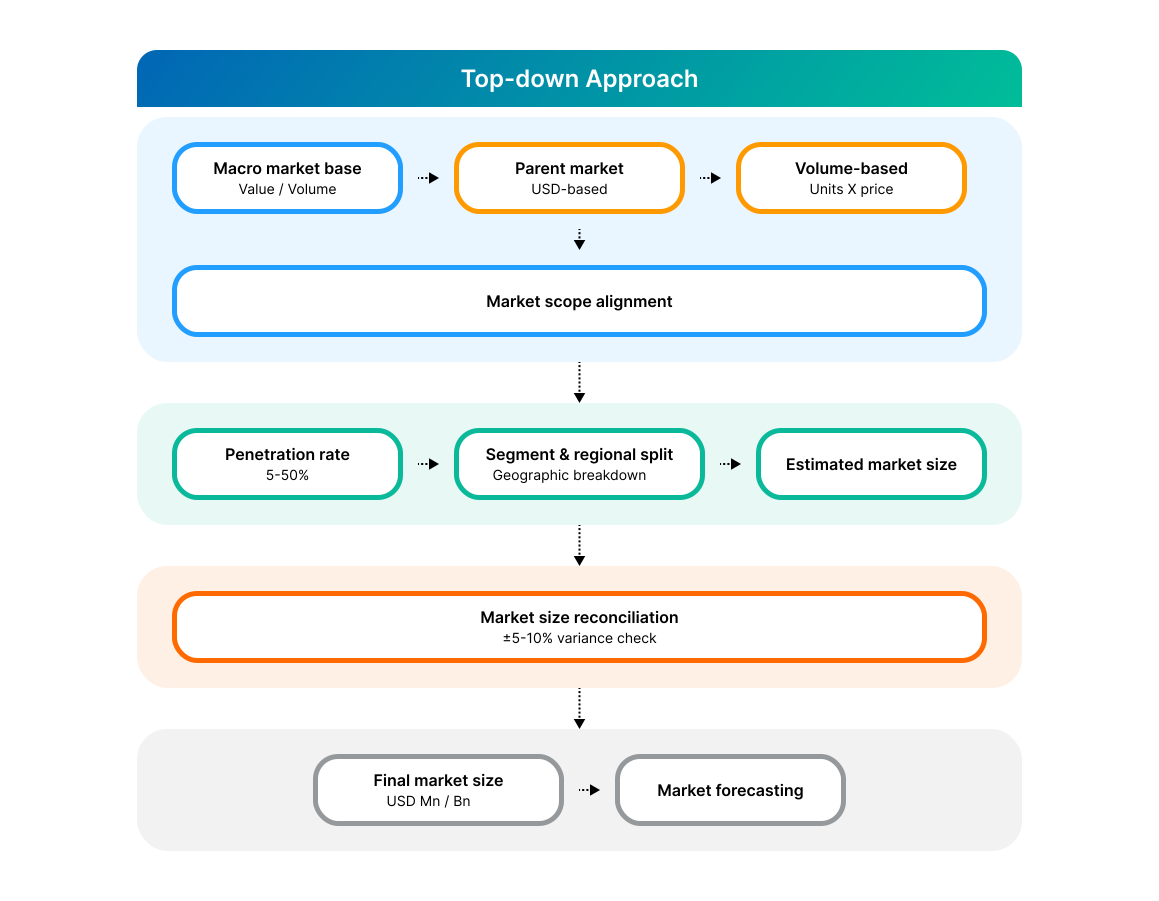
Step 4: TOP-DOWN APPROACH
- We start with the overall market size at a global or macro level.
- The market is then narrowed down based on scope and industry relevance.
- We apply penetration rates and split the data by region and segment.
- This helps us estimate the market size for specific segments.
- The numbers are validated through cross-checks to ensure accuracy.
Step 5: BOTTOM-UP APPROACH
- We begin by analyzing data from leading companies in the market.
- Revenue data is collected and mapped across different segments.
- The data is then aggregated to estimate the total market size.
- To fill in any gaps, adjustments are made based on industry standards.
- Validation checks make sure that the results are correct.
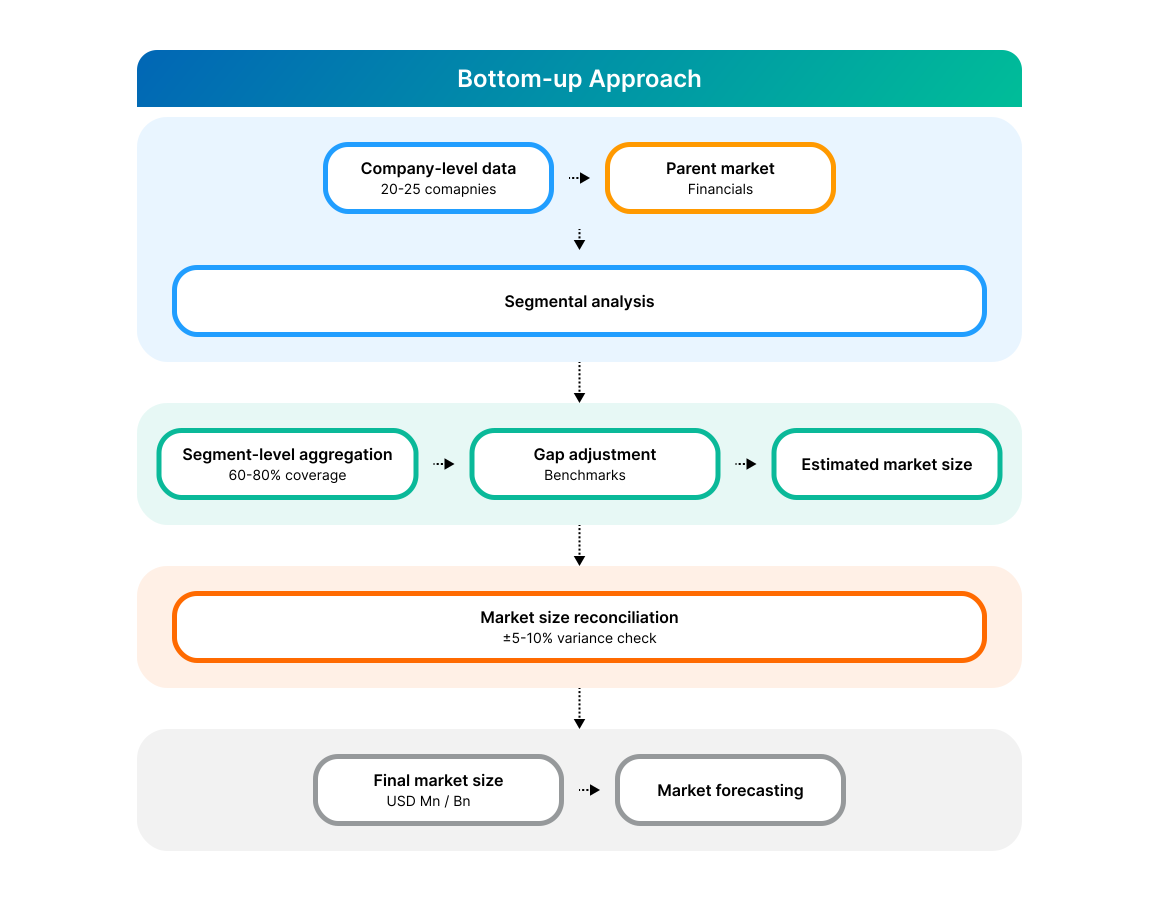
5. Data Structuring
Step 6:
At Polaris Market Research, we employ a methodical forecasting strategy. This approach blends the analysis of historical data with real-time market validation. To forecast future trends with precision, we examine past patterns, pricing fluctuations, and the interplay of supply and demand. To ensure our conclusions reflect the present market landscape, we actively seek input from industry experts and key stakeholders.
To refine our predictions, we carefully consider critical elements such as market drivers and restraints, fluctuations in raw material costs, emerging technologies, and the production capabilities of various regions. Furthermore, we assess regulatory frameworks and potential policy shifts to gauge their potential impact on market expansion.
All this information is synthesized to generate precise forecasts for each segment and region. These forecasts illuminate the current state of the market and highlight forthcoming opportunities.
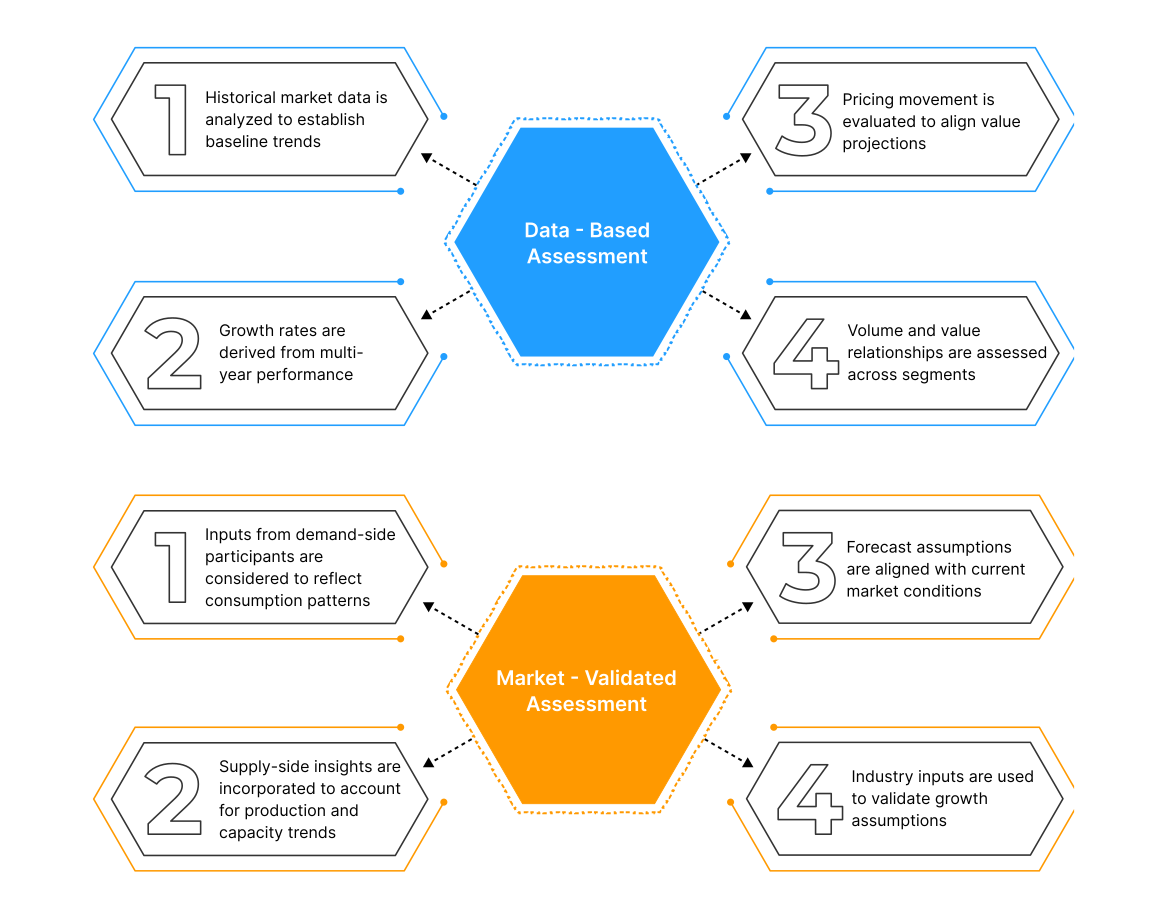
6. Data Structuring
Step 7:
In the final stage, we validate all our estimates using a triangulation method, where data is cross-checked from multiple reliable sources, like company data, primary interviews, and secondary research. This helps us make sure that our numbers are correct and fit with the rest of the market.
This process involves verifying data consistency across various segments and geographic areas. It also requires comparing historical trends with the assumptions support the forecast. Any discrepancies involve adjustments to ensure everything remains aligned and dependable.
Once the data is finalized, we prepare the final outputs, including market size estimates, segment-wise breakdowns, and growth metrics. These are delivered in structured formats such as tables, charts, and data files for easy analysis and use.
We collaborate closely with clients, ensuring the final products align with their requirements. This includes offering tailored adjustments, supplementary data analyses, and continuous assistance. Furthermore, we monitor market trends post-delivery, providing updates and refinements to maintain the insights' relevance as time passes.
Post-delivery, we continue to monitor market shifts, offering updates and adjustments to ensure the insights remain relevant over time.
Validation
Triangulation Framework
- Company-level data
- Primary inputs from industry participants
- Secondary benchmarks and published data
- Variance maintained within ±5-10%
- Adjustments applied to align estimates
- Segment values validated against overall market structure
Quality Check
Data Consistency & Integrity
- Segment totals validated to 100%
- Regional estimates aligned with global market size
- Historical trends compared against forecast outputs
- Assumptions reviewed for cross-segment and regional alignment
Output & Delivery
Final Outputs
- Market size estimates (USD Mn/Bn)
- Segment-wise distribution (%)
- Growth metrics (CAGR %)
- Structured tables and charts
- Segment-level datasets
- Excel-based data files for further analysis
Client Alignment & Support
- Deliverables are aligned with defined client requirements and scope
- Custom data cuts and segment splits are incorporated as required
- Post-delivery queries are addressed through analyst interactions
- Additional clarifications and data support are provided upon request
Client Continuity & Updates
- Market developments are tracked post-delivery to capture changes in key trends
- Updated data and revisions are provided based on new market inputs
- Additional refinements and data cuts are shared as required
- Continued analyst engagement supports evolving client requirements


