

What is LED Oral Care Kits Market Size?
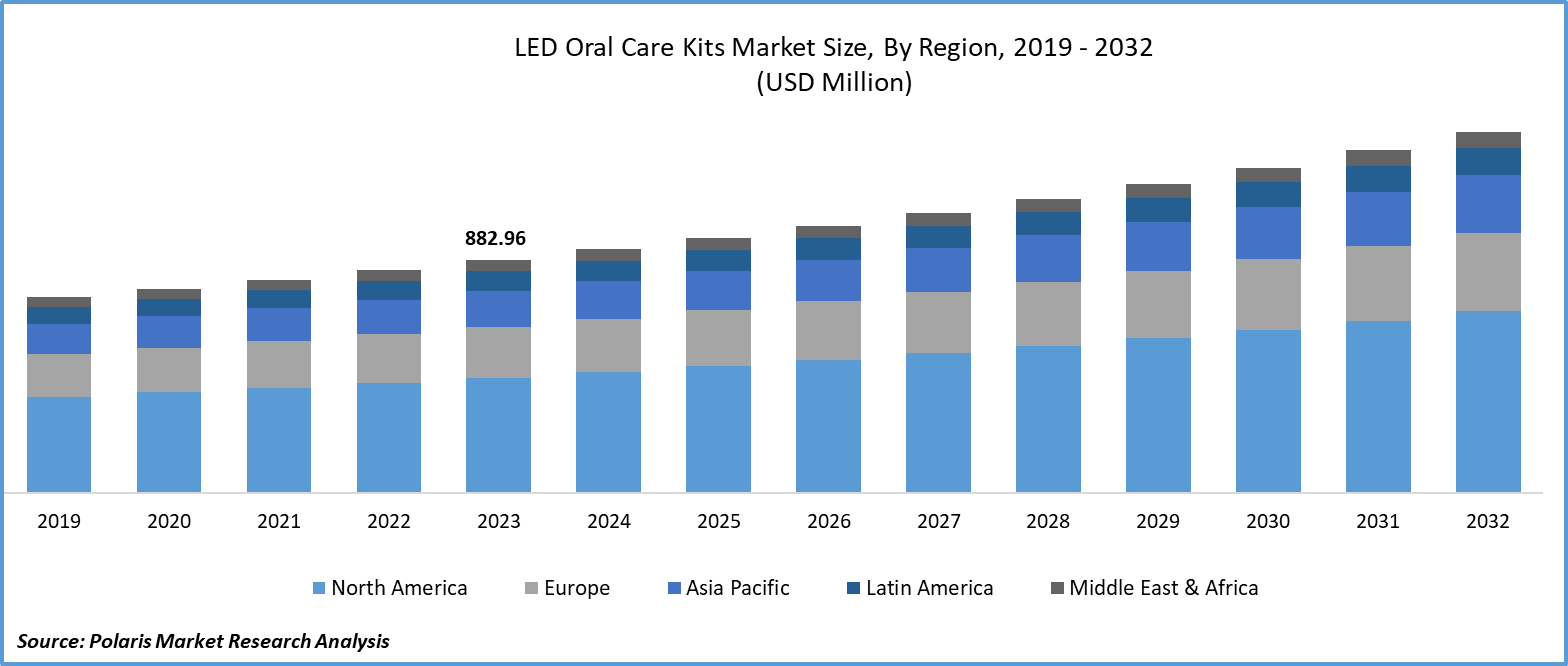
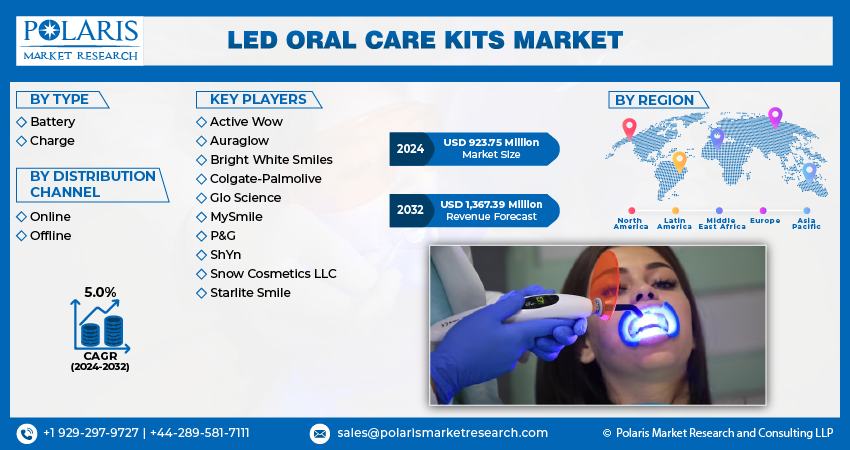
Global led oral care kits market size was valued at USD 967.26 million in 2025 and is anticipated to exhibit the CAGR of 5.2% during the forecast period.
Market Statistics
- 2025 Market Size: USD 967.26 Million
- 2034 Projected Market Size: USD 1521.21 Million
- CAGR (2026-2034): 5.2%
- Largest Market: North America
Market Overview
The increasing incidence of dental caries significantly contributes to the LED oral care kits market demand. Dental decay, often attributed to poor dietary habits and inadequate oral hygiene, is prevalent among children, making them particularly susceptible. Research indicates that nearly half of pre-school-aged children globally experience dental caries. Consequently, there is a growing necessity for efficient oral care solutions tailored to address this issue in children. Seeking guidance from a dentist aid in selecting suitable oral care products, further driving the demand for such solutions.
Ongoing technological advancements and a heightened public awareness of oral care drive market growth in the dental industry. Major industry players have launched various initiatives aimed at educating the public about oral health, targeting both children and adults, resulting in increased demand for LED oral care kits. Furthermore, the rising incidence of dental disorders and a growing consumer demand for dental treatments are additional factors fueling market expansion.
Additionally, the American College of Prosthodontists reports that approximately 15% of edentulous individuals seek dentures annually. Moreover, an estimated 23 million older adults are fully edentulous. Consequently, the aging population serves as another factor driving the demand for oral care products, contributing to market growth.
To Understand More About this Research: Request a Free Sample Report
Furthermore, recent data published by the Australian Dental Association in October 2022 indicates that one-third of children aged 5 to 6 experience tooth decay in a baby tooth by the age of 5. To address the increasing prevalence of oral health issues in the population, the Australian government introduced the "National Oral Health Plan 2015-2024." Consequently, the oral care market is experiencing growth, driven by the escalating incidence of dental issues, evolving parental preferences, and expanding governmental efforts to enhance oral health awareness.
Growth Factors
Surge in oral diseases
According to the Global Oral Health Status Report published by the World Health Organization in November 2022, there is a significant burden of oral diseases affecting 45% or 3.5 billion people worldwide. Alarmingly, three-quarters of these affected individuals reside in low- and middle-income countries. The report highlights a substantial increase of 1 billion cases of oral diseases over the past 3 decades, indicating a widespread lack of access to preventive and treatment measures. This situation acts as a driving force for the growth of the LED oral care kits market, signaling an increasing demand for oral health solutions to address the expanding global need for effective preventive and treatment interventions.
Un-healthy lifestyles and low awareness
The dynamic shifts in lifestyles and unhealthy dietary habits, such as high sugar intake, alongside increased alcohol and tobacco consumption, have elevated oral health concerns to a significant public health issue. As per the World Health Organization, oral diseases present substantial challenges for numerous nations and impact individuals across all stages of life, leading to pain, discomfort, disfigurement, and, in severe cases, mortality. In China, consumers exhibit prevalent caries and substandard periodontal conditions, with caries prevalence exceeding 50% across all age demographics.
Key Trends in LED Oral Care Kits
|
Trend |
Description |
|
Blue/Violet LED Efficacy |
Studies show blue and violet LEDs enhance whitening gel activation without excessive heat or sensitivity. |
|
Reduced Treatment Time |
LED devices shorten whitening sessions compared to gels alone, improving compliance in clinical trials. |
|
Antimicrobial Benefits |
Red/blue LED combos reduce oral bacteria like Streptococcus mutans, aiding hygiene beyond aesthetics. |
|
Sensitivity Minimization |
Optimized wavelengths (e.g., 405-460nm) limit enamel damage and post-treatment discomfort. |
|
Portable Device Designs |
Shift to compact, battery-powered units for at-home phototherapy consistency. |
|
Gel-LED Synergy |
Peroxide gels activated faster by LEDs, validated in vitro for better outcomes. |
Restraining Factors
Threat of product substitution
LED oral care kits encounter a potential challenge from internal substitution. For example, the superior plaque reduction offered by water flossers compared to traditional floss may drive its adoption and constrain the market for traditional floss. Moreover, consumers in the consumer goods sector have ample alternatives available, making product substitution a straightforward choice for them.
Report Segmentation
The market is primarily segmented based on type, distribution channel, and region.
|
By Type |
By Distribution Channel |
By Region |
|
|
|
To Understand the Scope of this Report: Speak to Analyst
By Type Insights
Battery segment accounted for the largest market share in 2025
The battery segment dominated the global market. Battery-operated LED oral care kits, which are prevalent due to their affordability and the strong presence of key players such as P&G and Colgate Palmolive, held the largest market share. LED oral care kits use the bleaching properties of peroxide teeth whitening agents along with LED light to break down the chemical structure of stains. The LED light accelerates the chemical reactions that remove stains, making the kits highly effective in teeth whitening processes.
The charge segment will grow rapidly. This growth is attributed to heightened demand for rechargeable LED oral care devices, advancements in technology within this sector, greater public awareness regarding LED oral care, prolonged use of rechargeable LED oral care devices, and the expanding impact of social media on consumer behavior. These elements collectively contribute to the market's growth trajectory in the foreseeable future.
By Distribution Channel Insights
Offline segment held the largest share of gummy market
The offline segment dominated the market. LED oral care kits predominantly find their way to consumers through offline channels such as retail stores, thus commanding a significant portion of the market share. Governments have implemented flexible working hours for department stores and supermarkets, allowing them to operate late into the night. This presents a notable growth avenue for companies to position their products in these locations strategically.
The online segment is expected to grow at the fastest rate. This trend is attributed to the advantages that online shopping offers, including comparison shopping, a broader range of options, competitive pricing, and convenience. Sales via online platforms are expanding at a remarkable pace, outpacing traditional retail growth by a factor of six.
Regional Insights
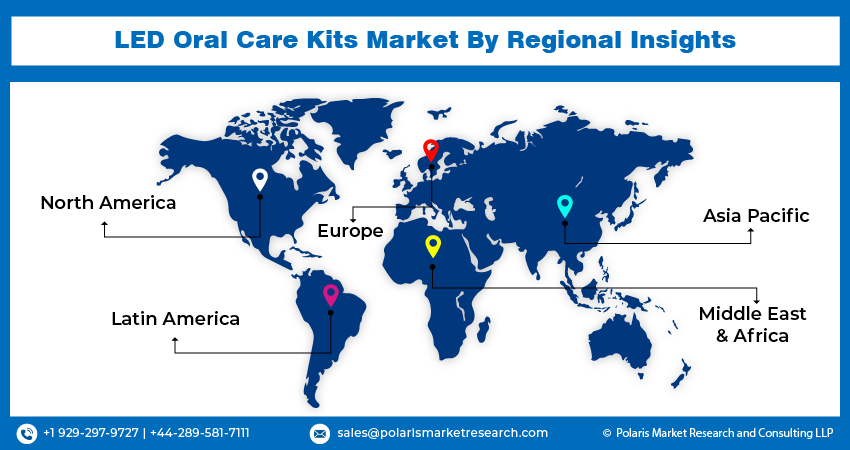
North America dominated the market with largest revenue share in 2025
North America dominated the global market and is likely to continue its dominance throughout the LED oral care kits market forecast period. The region's growth is due to advanced healthcare infrastructure and the widespread adoption of innovative oral care solutions. Initiatives such as community dental health programs underscore the region's strong emphasis on oral health awareness. Moreover, favorable reimbursement policies, as seen in dental insurance plans, contribute significantly to the market's expansion. The increasing incidence of dental conditions, exemplified by a rise in endodontic treatments, further stimulates the demand for LED oral care kits.
Asia Pacific region is expected to expand at the significant CAGR over forecast period
Asia Pacific will grow rapidly with a healthy CAGR during the forecast period. The upsurge in oral diseases coupled with the increasing presence of leading healthcare providers in rapidly developing economies like India and China present promising expansion opportunities. Additionally, the region is experiencing enhancements in healthcare utilization, supported by government initiatives. For instance, the Indian government's launch of the National Oral Health Program (NOHP) acts as a significant catalyst for the market. This program aims to provide integrated and comprehensive oral health services within existing healthcare infrastructure.
Key Market Players & Competitive Insights
In the LED oral care kits market demand and innovation is prominent, with ongoing developments and the introduction of new technologies and methodologies. To meet rising demand, industry participants are proactively investing in innovative products to remain abreast of advancements in the market.
Some of the major players operating in the global market include:
- Active Wow
- Auraglow
- Bright White Smiles
- Colgate-Palmolive
- Glo Science
- MySmile
- P&G
- ShYn
- Snow Cosmetics LLC
- Starlite Smile
Recent Developments in the Industry
- In June 2025, Clove Oral Care launched a customized and clinically tested range of toothpastes and toothbrushes, now available through its official website and leading e-commerce platforms.
- In 2024, Unilever expanded its footprint in the therapeutic oral care segment with the introduction of Pepsodent Expert, a specialized toothpaste range developed in collaboration with dental professionals and clinically validated to address advanced oral health concerns.
- In October 2023, Glo Science introduced the GLO To Go teeth whitening pen, emphasizing innovative dental solutions that deliver safe and effective whitening outcomes.
- In February 2023, Colgate-Palmolive introduced the Colgate Optic White Comfort Fit LED Teeth Whitening Kit alongside the Colgate Optic White Express Whitening Pen. These products promise to eliminate nearly a decade of dental stains within 3 days and achieve whiter teeth in just 1 day.
Report Coverage
The LED oral care kits market report emphasizes on key regions across the globe to provide better understanding of the product to the users. Also, the report provides market insights into recent developments, trends and analyzes the technologies that are gaining traction around the globe. Furthermore, the report covers in-depth qualitative analysis pertaining to various paradigm shifts associated with the transformation of these solutions.
The report provides detailed analysis of the market while focusing on various key aspects such as competitive analysis, type, distribution channel, and their futuristic growth opportunities.
LED Oral Care Kits Market Report Scope
|
Report Attributes |
Details |
|
Market size in 2025 |
USD 967.26 million |
| Market size in 2026 | USD 1013.69 million |
|
Revenue forecast in 2034 |
USD 1521.21 million |
|
CAGR |
5.2% from 2026 – 2034 |
|
Base year |
2025 |
|
Historical data |
2021 – 2024 |
|
Forecast period |
2026 – 2034 |
|
Quantitative units |
Revenue in USD million and CAGR from 2026 to 2034 |
|
Segments covered |
|
|
Regional scope |
|
|
Competitive Landscape |
|
|
Report Format |
|
|
Customization |
Report customization as per your requirements with respect to countries, region and segmentation. |
FAQ's
key companies in LED Oral Care Kits Market are Colgate-Palmolive, Glo Science, MySmile, Starlite Smile
LED oral care kits market exhibiting the CAGR of 5.2% during the forecast period.
The LED Oral Care Kits Market report covering key segments are type, distribution channel, and region.
key driving factors in LED Oral Care Kits Market are Surge in oral diseases
LED Oral Care Kits Market Size Worth $1521.21 Million By 2034
Page last updated on:
Feb-2024
Research Methodology
A robust system of research, verification, and forecasting designed to ensure reliable and actionable market insights.
Polaris Market Research uses a clear and structured approach to deliver insights that clients can rely on. The process combines detailed primary and secondary research, including direct communication with industry experts. The detailed information helps build a complete picture of market trends and developments. Secondary data is gathered from credible sources such as industry reports, company filings, government source links, and trusted organization databases. It is then cross-checked through discussions with key stakeholders across the value chain. Market size and forecasts are developed using both bottom-up and top-down methods to ensure accuracy and consistency in the final results.
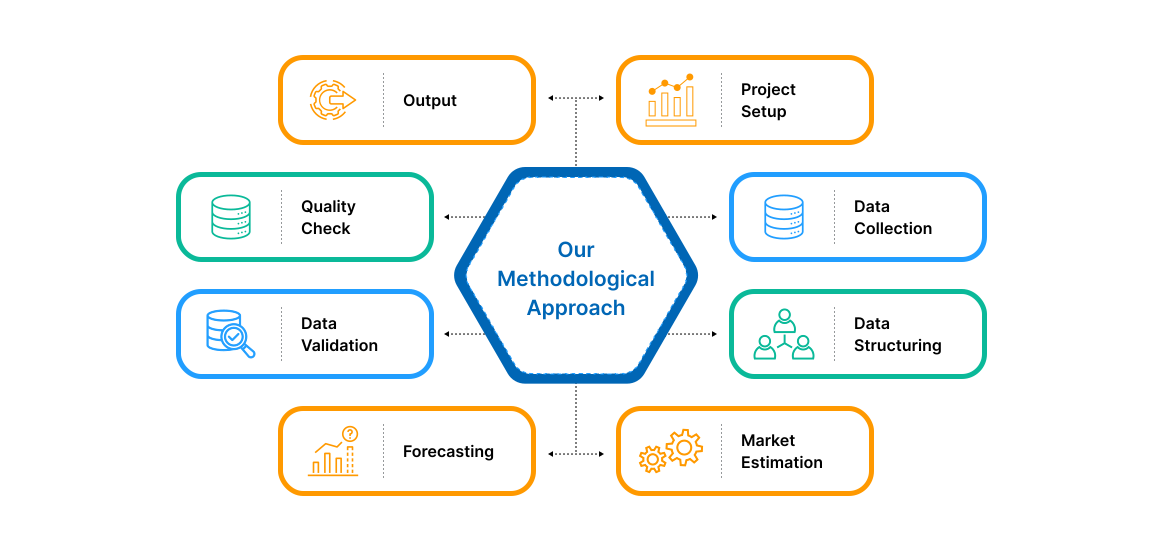
Project Setup
Step 1 & 2:
- We start every project by clearly understanding the client’s objective or goal, then defining the market scope, and aligning regions, segments, and timelines.
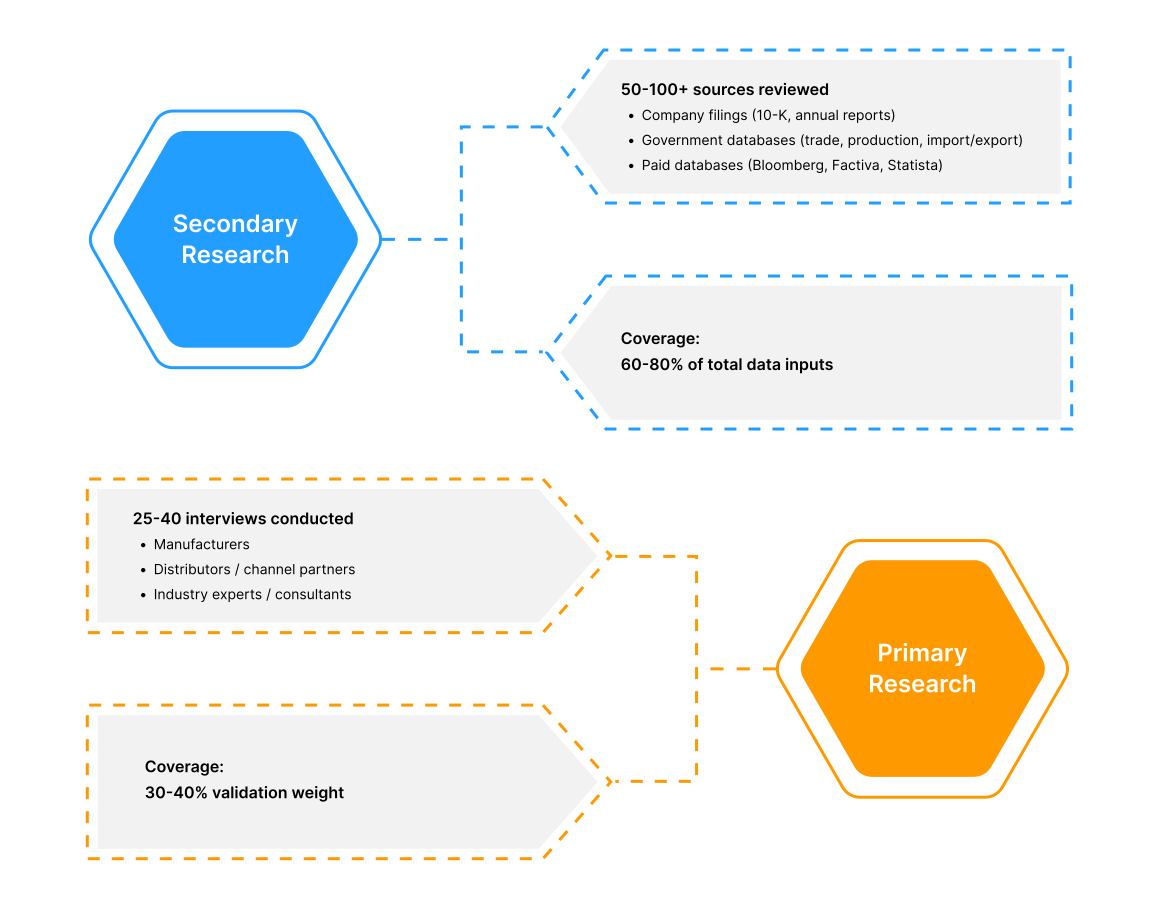
- Once the foundation is set, we collect data from all-around of sources, including company reports, government databases, and paid industry platforms.
- Our research is based on secondary data, which helps us build a strong understanding of the market across regions and industries. Then we validate this information through primary research by speaking directly with industry experts, companies, and stakeholders.
- By combining secondary and primary research, we ensure that our market insights are accurate, practical, and closely aligned with real market conditions.
Data Collection
We gather information from both public and verified sources:
Data Structuring
Step 3:
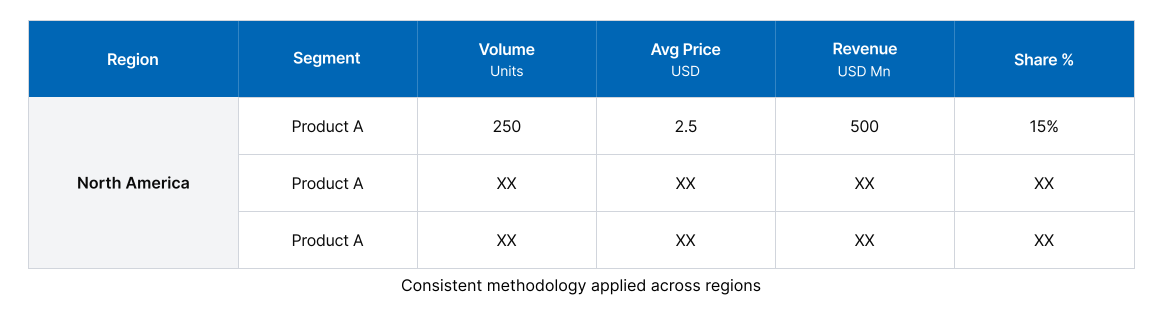
- All collected data is organized into a consistent format to ensure accurate analysis. Since inputs come from multiple sources, they are standardized and aligned before use.
- The data is segmented by product, application, and region, and mapped across a defined historical period (2020–2024). All values are converted into common units (USD Mn/Bn), and volume and pricing are aligned where required to estimate revenue.
- Any overlaps or inconsistencies are reviewed and adjusted to maintain accuracy (<5% variance threshold).
- The result is a structured dataset that allows for clear comparison across regions and supports reliable analysis and forecasting.
Structured Market Dataset, USD Mn/Bn
4. Data Structuring
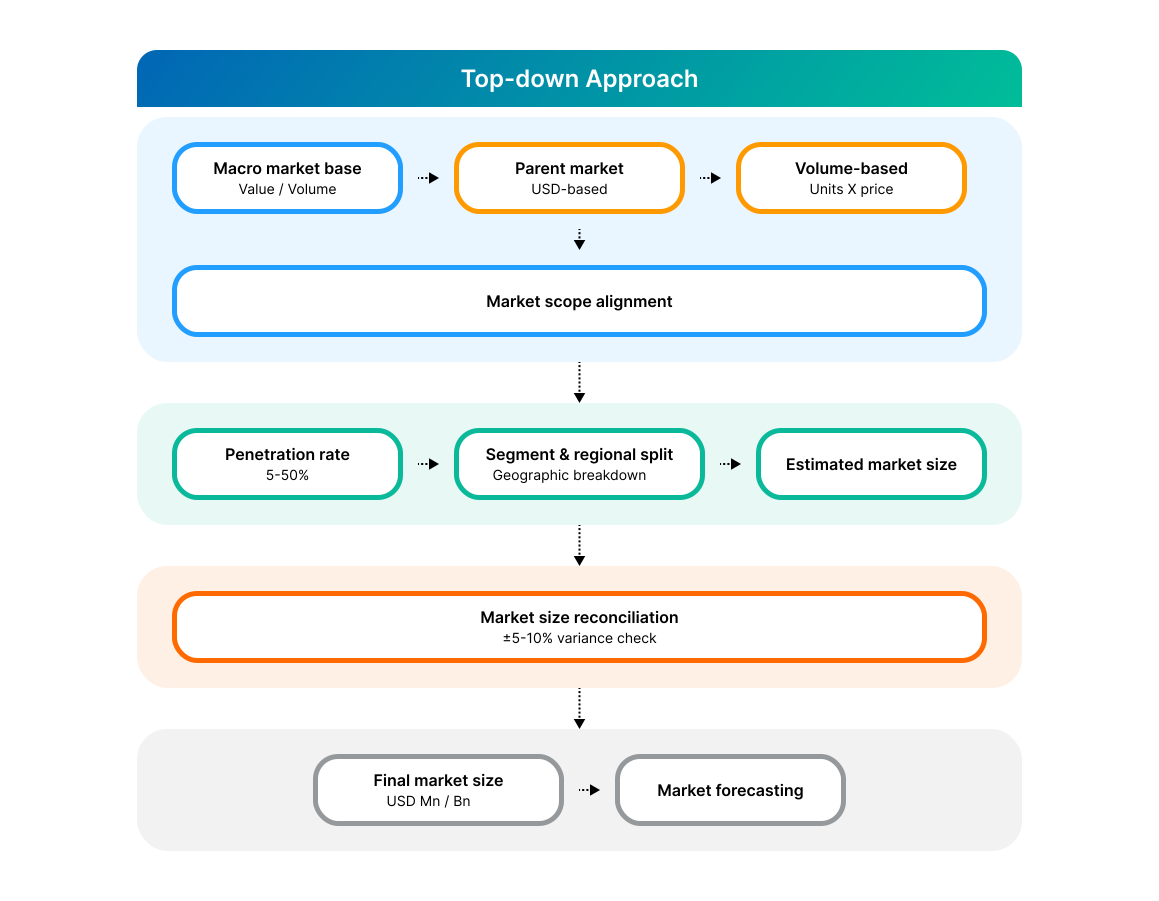
Step 4: TOP-DOWN APPROACH
- We start with the overall market size at a global or macro level.
- The market is then narrowed down based on scope and industry relevance.
- We apply penetration rates and split the data by region and segment.
- This helps us estimate the market size for specific segments.
- The numbers are validated through cross-checks to ensure accuracy.
Step 5: BOTTOM-UP APPROACH
- We begin by analyzing data from leading companies in the market.
- Revenue data is collected and mapped across different segments.
- The data is then aggregated to estimate the total market size.
- To fill in any gaps, adjustments are made based on industry standards.
- Validation checks make sure that the results are correct.
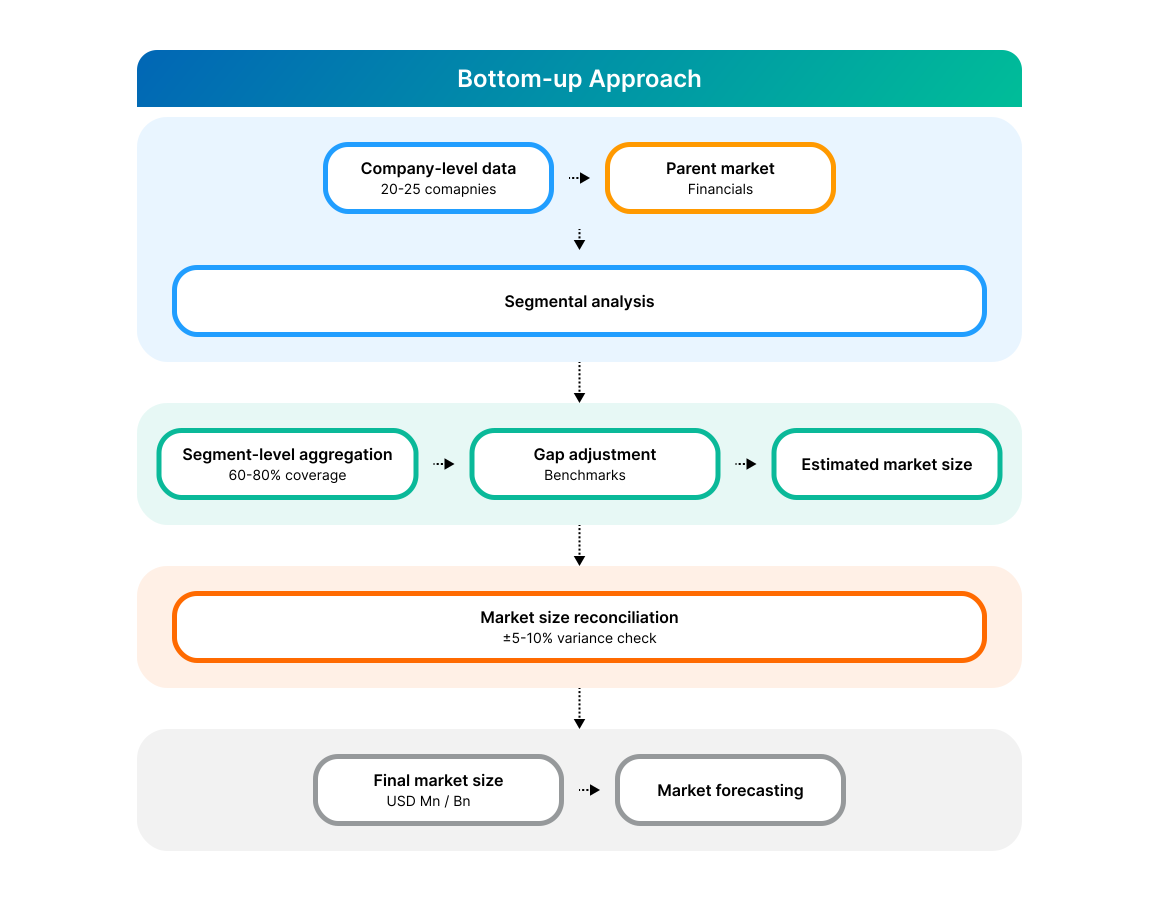
5. Data Structuring
Step 6:
At Polaris Market Research, we employ a methodical forecasting strategy. This approach blends the analysis of historical data with real-time market validation. To forecast future trends with precision, we examine past patterns, pricing fluctuations, and the interplay of supply and demand. To ensure our conclusions reflect the present market landscape, we actively seek input from industry experts and key stakeholders.
To refine our predictions, we carefully consider critical elements such as market drivers and restraints, fluctuations in raw material costs, emerging technologies, and the production capabilities of various regions. Furthermore, we assess regulatory frameworks and potential policy shifts to gauge their potential impact on market expansion.
All this information is synthesized to generate precise forecasts for each segment and region. These forecasts illuminate the current state of the market and highlight forthcoming opportunities.
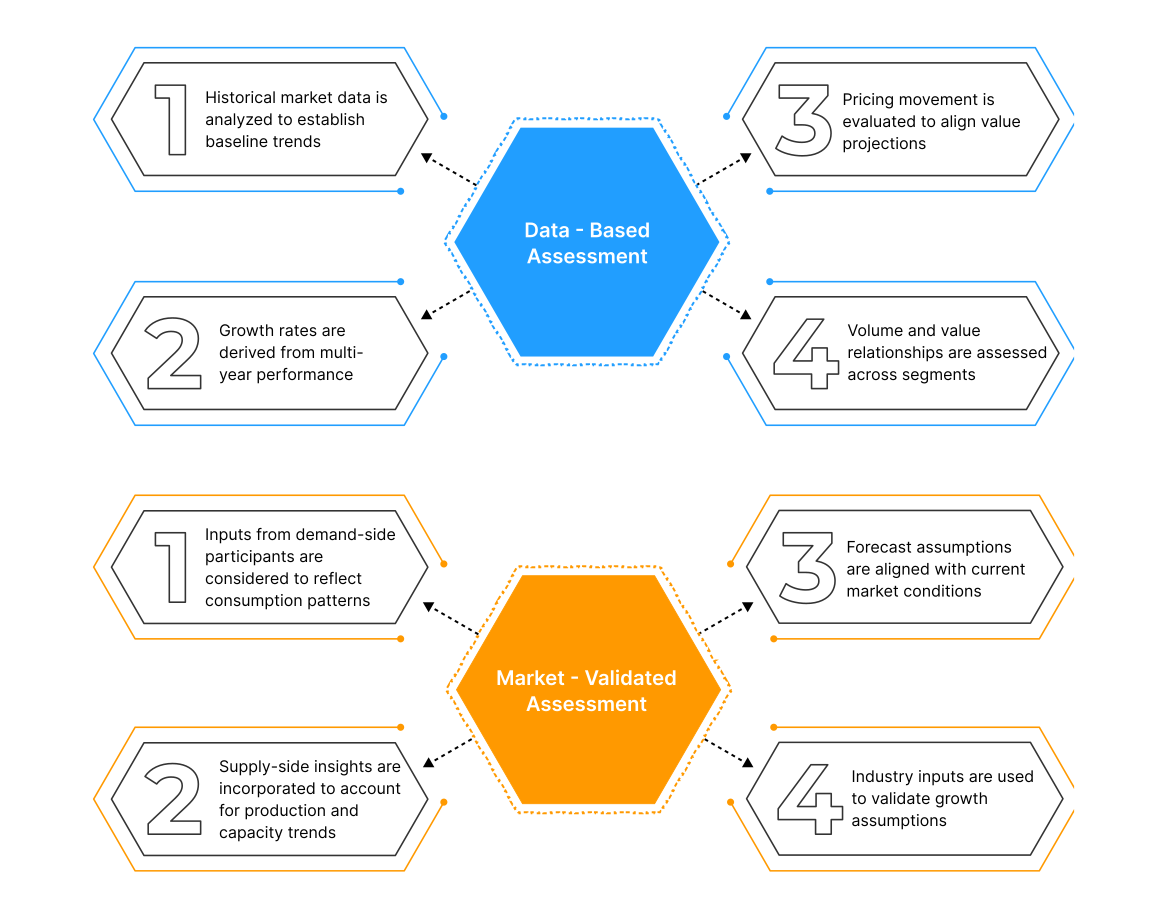
6. Data Structuring
Step 7:
In the final stage, we validate all our estimates using a triangulation method, where data is cross-checked from multiple reliable sources, like company data, primary interviews, and secondary research. This helps us make sure that our numbers are correct and fit with the rest of the market.
This process involves verifying data consistency across various segments and geographic areas. It also requires comparing historical trends with the assumptions support the forecast. Any discrepancies involve adjustments to ensure everything remains aligned and dependable.
Once the data is finalized, we prepare the final outputs, including market size estimates, segment-wise breakdowns, and growth metrics. These are delivered in structured formats such as tables, charts, and data files for easy analysis and use.
We collaborate closely with clients, ensuring the final products align with their requirements. This includes offering tailored adjustments, supplementary data analyses, and continuous assistance. Furthermore, we monitor market trends post-delivery, providing updates and refinements to maintain the insights' relevance as time passes.
Post-delivery, we continue to monitor market shifts, offering updates and adjustments to ensure the insights remain relevant over time.
Validation
Triangulation Framework
- Company-level data
- Primary inputs from industry participants
- Secondary benchmarks and published data
- Variance maintained within ±5-10%
- Adjustments applied to align estimates
- Segment values validated against overall market structure
Quality Check
Data Consistency & Integrity
- Segment totals validated to 100%
- Regional estimates aligned with global market size
- Historical trends compared against forecast outputs
- Assumptions reviewed for cross-segment and regional alignment
Output & Delivery
Final Outputs
- Market size estimates (USD Mn/Bn)
- Segment-wise distribution (%)
- Growth metrics (CAGR %)
- Structured tables and charts
- Segment-level datasets
- Excel-based data files for further analysis
Client Alignment & Support
- Deliverables are aligned with defined client requirements and scope
- Custom data cuts and segment splits are incorporated as required
- Post-delivery queries are addressed through analyst interactions
- Additional clarifications and data support are provided upon request
Client Continuity & Updates
- Market developments are tracked post-delivery to capture changes in key trends
- Updated data and revisions are provided based on new market inputs
- Additional refinements and data cuts are shared as required
- Continued analyst engagement supports evolving client requirements


