

NGS Market Size, Share and Key Statistics 2026–2034
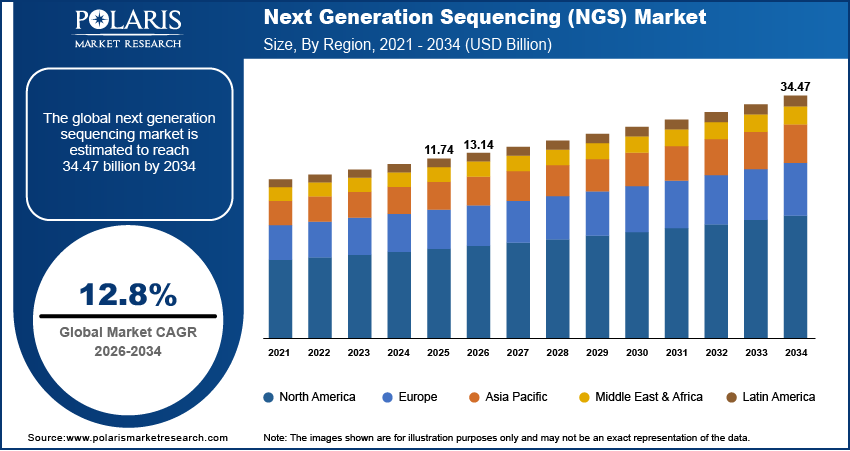
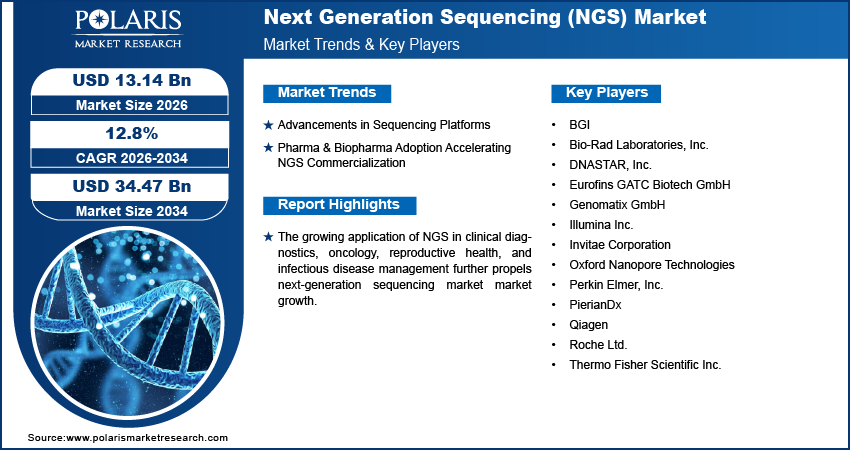
The global next-generation sequencing market size was valued at USD 11.74 billion in 2025. It is projected to register a CAGR of 12.8% from 2026 to 2034. Increasing demand for precision medicine and advancements in genomic technologies drive the market expansion. The rising prevalence of genetic disorders requires comprehensive sequencing solutions, which propels market growth.
Key Insights
- In 2025, the diagnostics/infectious diseases segment dominated the next generation sequencing (NGS) market. The dominance is driven by the advancement of liquid biopsies for cancer diagnosis and the global impact of the COVID-19 outbreak. The dominance of the NGS diagnostics market is attributed to the increasing integration of liquid biopsy sequencing, particularly for early cancer detection and infectious disease surveillance. It reinforces the clinical relevance of next-generation sequencing technologies across hospital and laboratory settings.
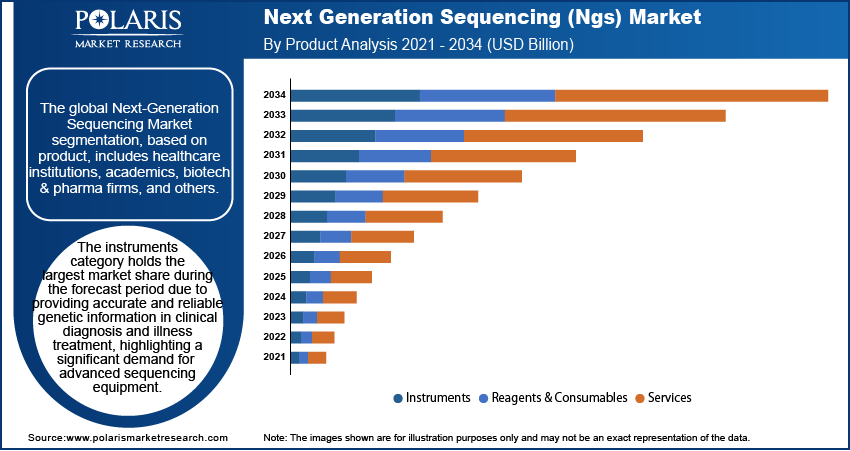
- The sequencing instruments segment dominated in 2025. High demand for advanced sequencing equipment in clinical diagnosis and treatment propelled the dominance.
- North America led the revenue share in 2025. The leading position is driven by strong healthcare infrastructure and the increasing prevalence of chronic conditions. Also, favorable government support and the presence of key industry players contributed to long-term growth. Increasing regional genomics adoption also led to dominance.
- Asia Pacific is likely to grow at the highest rate, driven by rising R&D spending, the increasing prevalence of chronic diseases, and government incentives.
NGS Market Growth Drivers and Restraints
- The growing use of technology in research and clinical settings for NGS data analysis fuels the market growth.
- Advancements in sequencing technologies are whole-genome and targeted sequencing. Adoption of these technologies drives robust market growth.
- Artificial intelligence (AI) and machine learning (ML) are becoming common in next-generation sequencing workflows. This integration accelerates variant calling and improves mutation detection. It improves the interpretation of complex genomic datasets. AI-based bioinformatics services and platforms reduce manual intervention. This increases sequencing accuracy and lowers operational costs in research and clinical NGS applications.
- High sequencing technology costs and data management challenges restrain the NGS market size.
Market Statistics
- 2025 Market Size: USD 11.74 billion
- 2034 Projected Market Size: USD 34.47 billion
- CAGR (2026–2034): 12.8%
- North America: Largest Market Share
AI Impact on Next Generation Sequencing Market
- Beyond data interpretation, AI-powered sequencing platforms improve end-to-end workflow efficiency. It is adopted for various applications, from automated sample preparation to real-time quality control. These advancements are effective in large-scale population genomics projects and clinical diagnostics. In such applications, turnaround time and data accuracy are critical performance indicators.
- Machine learning genomics methods facilitate the detection of patterns and mutations in genomic information. Thus, ML adoption enhances disease diagnosis and personalized treatment design.
- AI tools help reduce errors and make sequencing processes faster and cheaper, making it easier to scale up.
- AI enables effective sequencing data management. It facilitates the efficient analysis of large-scale genomic datasets. Thus, AI adoption enhances research
Next-generation sequencing has evolved from a research-centric technology into a core pillar of modern clinical diagnostics, drug discovery, and population genomics. The expanding adoption of high-throughput genomic sequencing solutions across oncology, infectious disease testing, and reproductive health significantly reshaped the global next-generation sequencing market outlook. Healthcare systems transition toward data-driven precision medicine models accelerated the NGS demand.
The increasing prevalence of cancer and genetic disorders drives the next generation sequencing market growth. According to WHO, an estimated 20 million new cancer cases and 9.7 million cancer-related deaths were reported in 2022. It is estimated that 53.5 million people were living within five years of being diagnosed with cancer. Around 1 in 5 individuals will develop cancer at some point in their lives, with approximately 1 in 9 men and 1 in 12 women. Further, the rising use of the technology in research and clinical applications is also driving the future demand and outlook of the next-generation sequencing market. The increasing use of NGS in clinical diagnostics, oncology, reproductive health, and infectious disease management drives industry growth. In reproductive health, NGS is used for preimplantation genetic testing and prenatal screening. It offers valuable information about genetic conditions. Such conditions may impact embryos or fetuses. This information aids in making informed decisions about family planning and managing potential hereditary diseases.
Market Trends
Advancements in Sequencing Platforms
Companies in the industry focus on sequencing platform innovation. NGS includes techniques such as whole-genome sequencing, exome sequencing, and targeted sequencing. It facilitates rapid and cost-effective analysis of genetic material. In medicine, NGS helps identify genetic mutations associated with diseases. It plays key role in early diagnosis and personalized treatment plans. The technique is also important in cancer research. It helps clarify the genetic basis of various cancers. Increased use in cancer research boosts the development of targeted therapies and personalized drug development. Additionally, NGS is vital in identifying rare genetic disorders. It is used for prenatal screening and monitoring infectious disease outbreaks by analyzing pathogen genomes. Advancements in sequencing platforms promote market growth.
Pharma & Biopharma Adoption Accelerating NGS Commercialization
Pharmaceutical and biopharmaceutical companies use NGS for various applications. These include identifying genetic mutations, understanding disease mechanisms, and developing targeted therapies. NGS provides a clear view of the genetic causes of diseases. This helps create effective and personalized treatment plans. For example, in cancer research, NGS detects specific genetic changes in tumors. This allows for the development of targeted therapies suited to the genetic profiles of individual patients. Recent advancements in NGS technology have led to wider use due to better accuracy, faster turnaround times, and lower costs across different applications. Additionally, the integration of AI and ML with NGS improves data analysis and interpretation. This results in stronger findings that boost industry revenue.
Segment Insights
By Workflow Insights
The NGS workflow market segmentation includes pre-sequencing, sequencing, and post-sequencing data analysis. The sequencing segment led the market in 2025 and is expected to register the fastest growth during the projection period. NGS sequencing is an important step in the workflow. Sequencing systems provide accurate liquid amounts, which are essential for NGS. Functions such as micro-liter plates and changing tubes are also done by these systems, helping streamline workflow.
The post-sequencing data analysis segment is projected to witness significant growth. NGS data analysis software platforms are being increasingly used for clinical diagnosis due to reduced installation costs. In addition, the easy availability of proteomic and genomic data is projected to provide several opportunities for the segment’s growth.
Workflow Outlook
- Pre-Sequencing
- Nucleic Acid Extraction
- Library Preparation
- Sequencing
- Instruments
- Run Data
- Post-Sequencing Data Analysis
- Primary
- Secondary
- Tertiary
- Bioinformatics
Application Insights
The global Next-Generation Sequencing Market segmentation, based on application, includes drug discovery/personalized medicine, genetic screening, diagnostics/infectious diseases, agricultural & animal research, and others. In 2025, the diagnostics/infectious diseases segment dominated the market, owing to an advancement in liquid biopsies in the diagnosis of cancer and the rise of COVID-19 disease across the world. The liquid biopsy utilizes circulating tumor DNA as a cancer biomarker for a real-time diagnosis of cancer.
Furthermore, it provides exceptional sensitivity with low error rates when diagnosing low-level circulating tumor DNA (ctDNA) in the bloodstream. For instance, Fulgent Genetics, Inc., a company specializing in these services based in the United States, unveiled a COVID-19 test based on next-generation sequencing technology in March 2020.
Product Insights
The global market segmentation, based on product, includes instruments, reagents & consumables, and services. The global market segmentation, based on product, includes Instruments, reagents & consumables, and services. The NGS instruments market accounted for the largest revenue share in 2025. NGS instruments provide reliable genetic information in clinical diagnosis and illness treatment. This factor highlights a significant demand for advanced sequencing equipment. Rising technological advancements propel the development of high-throughput sequencing tools. It is allowing for faster and more efficient DNA and RNA sequencing. Rising demand for high-throughput and automated sequencing systems in clinical diagnostics propels the dominance.
The services segment is anticipated to witness the fastest growth throughout the forecast period. As the demand for data analysis and interpretation services grows, these services are becoming more crucial for understanding complex genetic information. The ability of researchers and healthcare professionals to access and analyze vast amounts of genetic data, facilitated by the availability of cloud-based computing systems, is attributed to the segment growth. Also, rising preference for genomic testing services boosts the segment expansion. The sequencing services market is expected to witness the fastest growth as healthcare institutions increasingly outsource data analysis, interpretation, and bioinformatics services to specialized providers.
Regional Insights
By region, the study provides market insights into North America, Europe, Asia-Pacific, and the Rest of the World. North America held the largest market share in 2025. Well-established healthcare infrastructure and an increasing prevalence of chronic diseases boost the regional market. Government funding for genomics research propels the growth of the regional genomics market, which drives the next generation sequencing market expansion. Also, the presence of key market players in the region and easy access to advanced genomic research technology will drive the North America next-generation sequencing market.
In North America next-gen sequencing market, the U.S. dominated the market in 2025. The dominance is propelled by advancements in genomic research and decreasing costs of sequencing technologies. The increasing application of NGS in personalized medicine propels the U.S. market growth. NGS provides comprehensive insights into genetic variations and mutations. This benefit revolutionizes diagnostics, especially in oncology. In oncology, it allows for accurate tumor profiling and targeted therapies. Additionally, the rise in research activities related to genetic disorders, infectious diseases, and pharmacogenomics fuels the U.S. next generation sequencing market outlook.
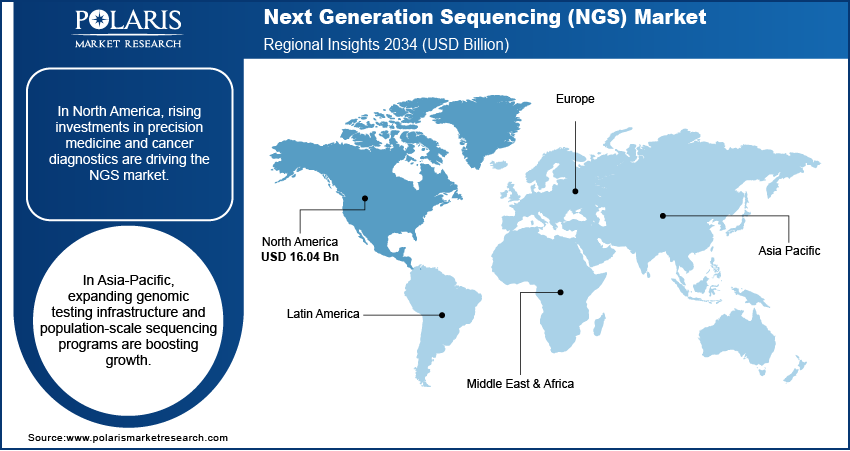
The Asia Pacific next-gen sequencing market is expected to witness the fastest growth in the next-generation sequencing market during anticipated years due to increased investments in research and development activities and the surging prevalence of chronic diseases. Also, government funding for genomics research boosts the Asia Pacific genomics growth. The availability of advanced genomics technologies and the presence of key players in the region are also expected to drive the growth of the next-generation sequencing market regional revenue forecast.
Regulatory Framework Governing the Global Next-Generation Sequencing Market
|
Region |
Regulatory Authority/Framework |
Key Requirements & Focus |
|
U.S. |
FDA (Food and Drug Administration) |
NGS-based in vitro diagnostics (IVDs) are regulated with requirements for analytical and clinical validation; tests may require 510(k), PMA or De Novo pathways. Flexible oversight adapts to novel genomic technology. |
|
European Union |
In Vitro Diagnostic Regulation (EU IVDR 2017/746) |
Stricter IVD oversight than previous directives; risk-based classification, notified body assessment, clinical evidence and post-market surveillance required. |
|
Asia-Pacific |
NMPA (China), PMDA (Japan), other national regulators |
Varying national guidelines; China’s NMPA may require local clinical data; Japan’s PMDA often aligns with global standards but demands additional validation. |
|
International Standards |
ISO & Global Guidelines |
Standards such as ISO laboratory quality (e.g., ISO 15189) and harmonization efforts support consistent NGS quality and data integrity. |
Key Market Players & Competitive Insights
Leading market players are investing heavily in research and development in order to expand their product lines, which will help the Next-Generation Sequencing Market, grow even more. Market participants undertake various strategic activities to expand their global footprint. Key market developments include new product launches, contractual agreements, mergers and acquisitions, higher investments, and collaborations with other organizations. Industry players must offer cost-effective products to expand and survive in highly competitive and rising market climate.
The next-gen sequencing market presents significant investment opportunities. These are driven by expanding clinical adoption and technological advancements. Favorable government genomics initiatives also boost the investments in the industry. Stakeholders across diagnostics, pharmaceuticals, and healthcare infrastructure increasingly leverage NGS insights to gain competitive and clinical advantages.
Manufacturing locally to minimize operational costs is one of the key business tactics used by manufacturers in the global Next-Generation Sequencing industry to benefit clients and increase the market sector. In recent years, the industry has offered some technological advancements. Major players in the Market, including BGI, Bio-Rad Laboratories, Inc., DNASTAR, Inc., Eurofins GATC Biotech GmbH, Genomatix GmbH, Oxford Nanopore Technologies, Perkin Elmer, Inc., PierianDx, Qiagen, Invitae Corporation, Roche Ltd., Thermo Fisher Scientific Inc., and Illumina Inc.
Why Invest in the Next Generation Sequencing (NGS) Market?
- Strong Revenue Visibility: Clinical diagnostics, pharmaceutical R&D, CROs, and population genomics programs consistently require NGS solutions. This factor wil drive NGS market investments.
- Rising Enterprise Use Cases: There is an increasing focus on oncology, rare disease screening, agrigenomics, and infectious disease surveillance. It will create genomic research opportunities.
- Technology-Led Cost Efficiency: Rising adoption of technological advancements lowers sequencing costs. It also leads to higher throughput platforms. Solution providers and service vendors report improved margins with technology integration.
- Growing Pharmaceutical and Biotechnology Applications: Drug developers are highly reliant on NGS. They use this technique for biomarker discovery, companion diagnostics, and precision medicine pipelines.
- Data & Analytics Upside: Growth in bioinformatics, cloud-based analysis, and AI-enabled interpretation contributes to high-value B2B software revenues.
- Positive Long-Term Outlook: Government genomics initiatives, regulatory approvals, and global healthcare digitization will support favorable sequencing market forecast.
Key Companies
- BGI
- Bio-Rad Laboratories, Inc.
- DNASTAR, Inc.
- Eurofins GATC Biotech GmbH
- Genomatix GmbH
- Illumina Inc.
- Invitae Corporation
- Oxford Nanopore Technologies
- Perkin Elmer, Inc.
- PierianDx
- Qiagen
- Roche Ltd.
- Thermo Fisher Scientific Inc.
Industry Developments
-
July 2025: QIAGEN announced the expansion of its NGS Portfolio with the introduction of QIAseq xHYB Long Read Panels. According to QIAGEN, the panels support NGS platforms like PacBio for applications that include structural variants, repeat expansions, and HLA typing.
-
July 2025: Thermo Fisher Scientific introduced its new assay, the Oncomine Comprehensive Assay Plus. The company stated that the assay will be available on the Ion Torrent Genexus System. It is capable of detecting a wide range of genetic alterations in 517 genes.
-
February 2025: Roche launched Sequencing by Expansion (SBX) technology, a next-generation sequencing method. This technology aims to allow fast, scalable, and flexible genomic analysis. SBX is expected to reduce sequencing time and improve research and clinical applications in various disease areas.
-
April 2023: Illumina Inc. announced that it had exceeded more than 200 orders for its NovaSeq X sequencing system in the first quarter of 2023. The orders represent customers across research and clinical segments in nearly 30 countries.
Market Segmentation
Application Outlook
- Drug Discovery/Personalized Medicine
- Genetic Screening
- Diagnostics/Infectious Diseases
- Agricultural & Animal Research
- Others
Technology Outlook
- Whole Genome Sequencing
- Targeted Sequencing & Re-sequencing
- Whole Exome Sequencing
- RNA Sequencing
- Chip Sequencing
- De Novo Sequencing
- Methyl Sequencing
Product Outlook
- Instruments
- Reagents & Consumables
- Services
End-Use Outlook
- Healthcare Institutions
- Academics
- Biotech & Pharma Firms
- Others
Regional Outlook
- North America
- U.S.
- Canada
- Europe
- Germany
- France
- UK
- Italy
- Spain
- Netherlands
- Russia
- Rest of Europe
- Asia Pacific
- China
- Japan
- India
- Malaysia
- South Korea
- Indonesia
- Australia
- Vietnam
- Rest of Asia-Pacific
- Middle East & Africa
- Saudi Arabia
- UAE
- Israel
- South Africa
- Rest of Middle East & Africa
- Latin America
- Mexico
- Brazil
- Argentina
- Rest of Latin America
Next Generation Sequencing Market Report Scope
|
Report Attributes |
Details |
|
Market Size in 2025 |
USD 11.74 billion |
|
Market Size in 2026 |
USD 13.14 billion |
|
Revenue Forecast in 2034 |
USD 34.47 billion |
|
CAGR |
12.8% from 2026 to 2034 |
|
Base Year |
2025 |
|
Historical Data |
2022–2024 |
|
Forecast Period |
2026–2034 |
|
Quantitative Units |
Revenue in USD billion, 2021–2034 and CAGR from 2026 to 2034 |
|
Report Coverage |
Revenue Forecast, Market Competitive Landscape, Growth Factors, and Trends |
|
Segments Covered |
|
|
Regional Scope |
|
|
Competitive Landscape |
|
|
Report Format |
|
|
Customization |
Report customization as per your requirements with respect to countries, regions, and segmentation. |
FAQ's
The NGS market was valued at USD 11.74 billion in 2025 and is projected to reach USD 34.47 billion by 2034.
North America leads the NGS market, driven by advanced infrastructure, the presence of major players, and robust research funding initiatives.
Drug discovery/personalized medicine, genetic screening, diagnostics/infectious diseases, and agricultural & animal research are primary applications of NGS.
Leading players include BGI, Bio-Rad Laboratories, Inc., DNASTAR, Inc., Eurofins GATC Biotech GmbH, Genomatix GmbH, Illumina Inc., Invitae Corporation, Oxford Nanopore Technologies, Perkin Elmer, Inc., PierianDx, Qiagen, Roche Ltd., and Thermo Fisher Scientific Inc.
The NGS market is projected to register a CAGR of 12.8% from 2026 to 2034. It is driven by declining sequencing costs and technological advancements.
The market is divided into instruments, reagents & consumables, and services. Among these, sequencing instruments hold the largest share. This is mainly because they are widely used in clinical diagnostics and research labs.
Page last updated on:
Apr-2023
Research Methodology
A robust system of research, verification, and forecasting designed to ensure reliable and actionable market insights.
Polaris Market Research uses a clear and structured approach to deliver insights that clients can rely on. The process combines detailed primary and secondary research, including direct communication with industry experts. The detailed information helps build a complete picture of market trends and developments. Secondary data is gathered from credible sources such as industry reports, company filings, government source links, and trusted organization databases. It is then cross-checked through discussions with key stakeholders across the value chain. Market size and forecasts are developed using both bottom-up and top-down methods to ensure accuracy and consistency in the final results.
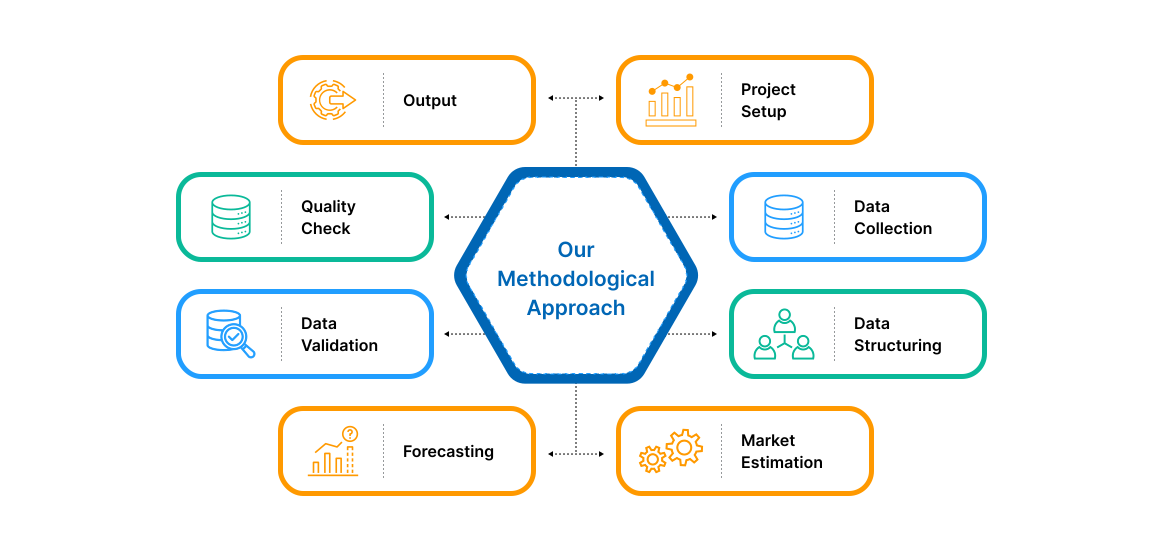
Project Setup
Step 1 & 2:
- We start every project by clearly understanding the client’s objective or goal, then defining the market scope, and aligning regions, segments, and timelines.
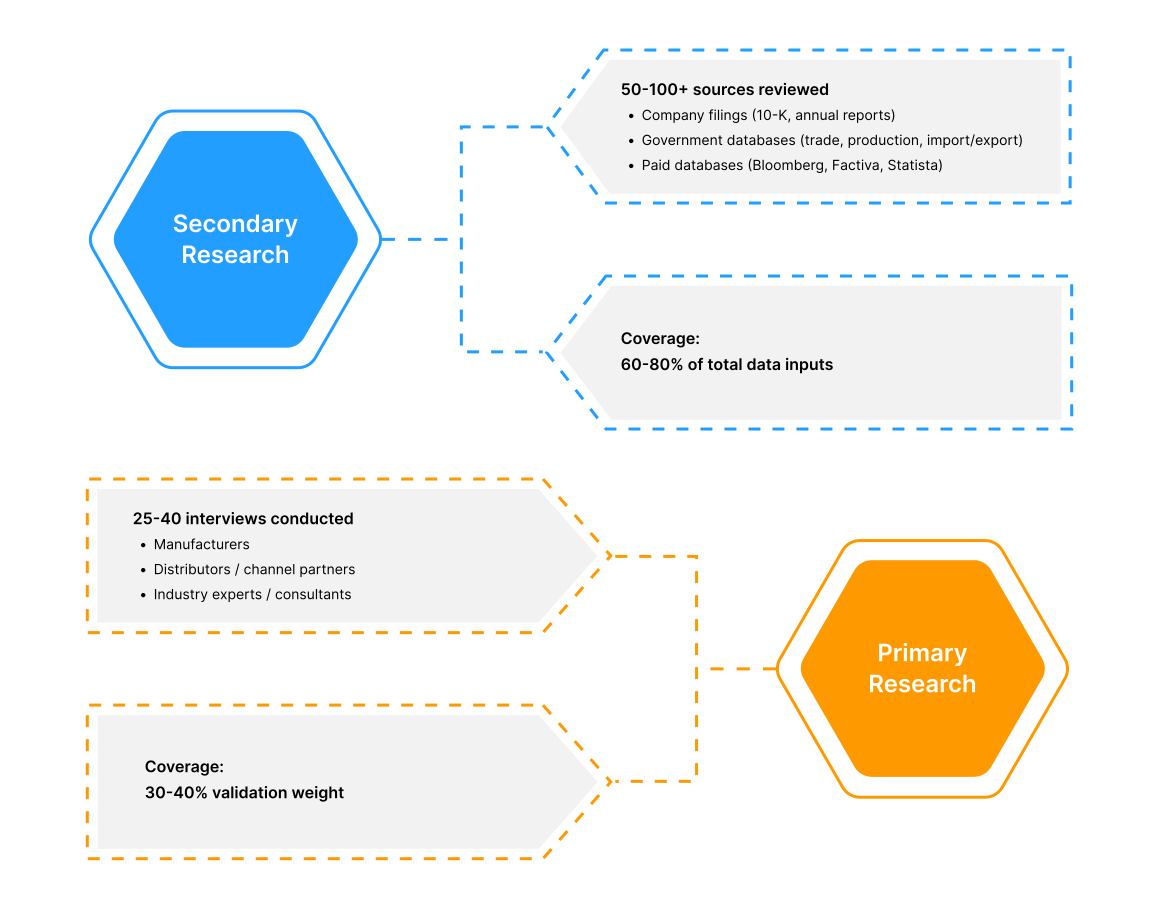
- Once the foundation is set, we collect data from all-around of sources, including company reports, government databases, and paid industry platforms.
- Our research is based on secondary data, which helps us build a strong understanding of the market across regions and industries. Then we validate this information through primary research by speaking directly with industry experts, companies, and stakeholders.
- By combining secondary and primary research, we ensure that our market insights are accurate, practical, and closely aligned with real market conditions.
Data Collection
We gather information from both public and verified sources:
Data Structuring
Step 3:
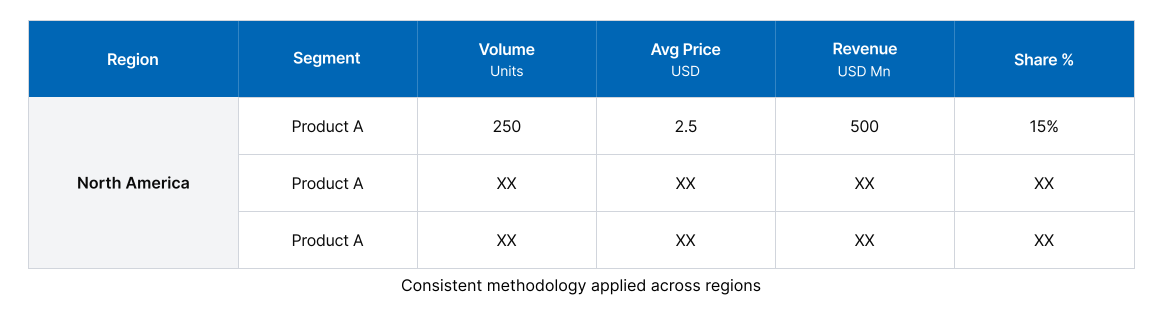
- All collected data is organized into a consistent format to ensure accurate analysis. Since inputs come from multiple sources, they are standardized and aligned before use.
- The data is segmented by product, application, and region, and mapped across a defined historical period (2020–2024). All values are converted into common units (USD Mn/Bn), and volume and pricing are aligned where required to estimate revenue.
- Any overlaps or inconsistencies are reviewed and adjusted to maintain accuracy (<5% variance threshold).
- The result is a structured dataset that allows for clear comparison across regions and supports reliable analysis and forecasting.
Structured Market Dataset, USD Mn/Bn
4. Data Structuring
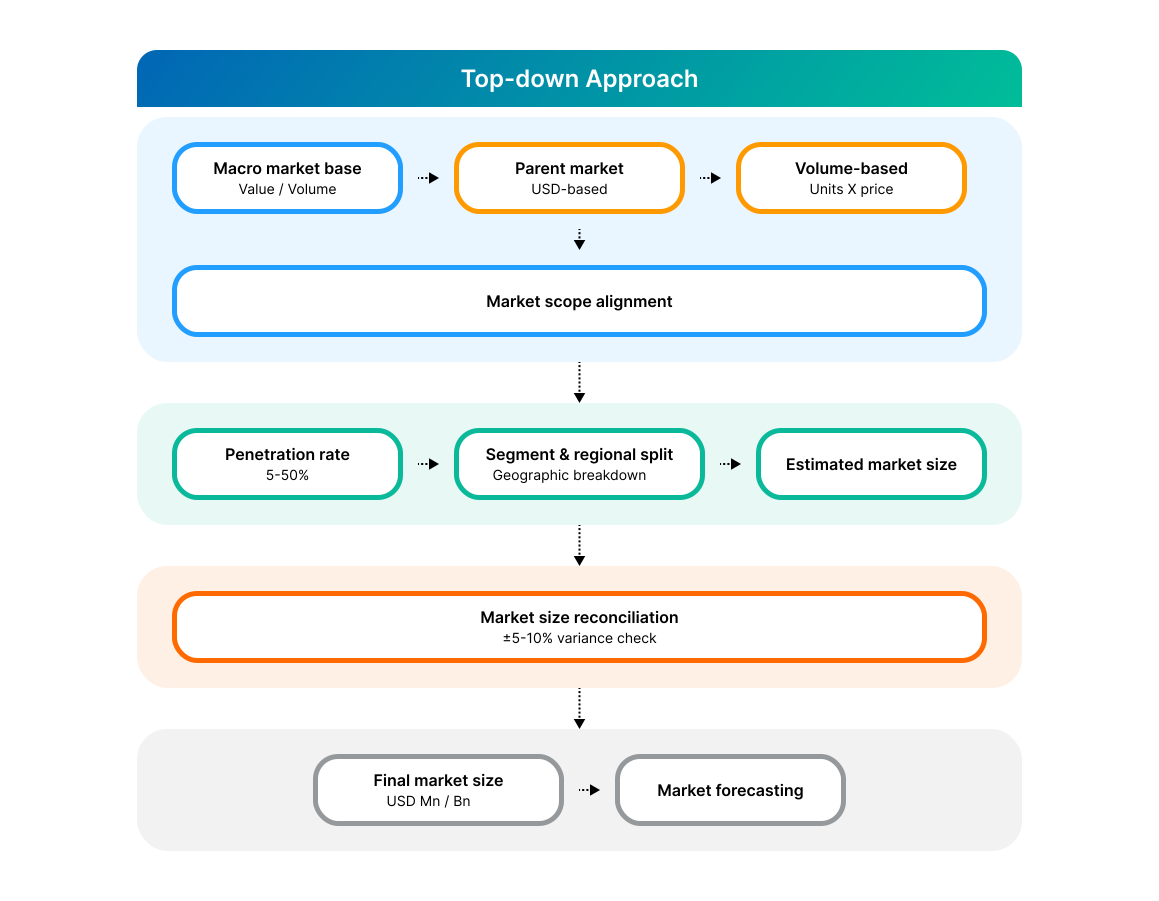
Step 4: TOP-DOWN APPROACH
- We start with the overall market size at a global or macro level.
- The market is then narrowed down based on scope and industry relevance.
- We apply penetration rates and split the data by region and segment.
- This helps us estimate the market size for specific segments.
- The numbers are validated through cross-checks to ensure accuracy.
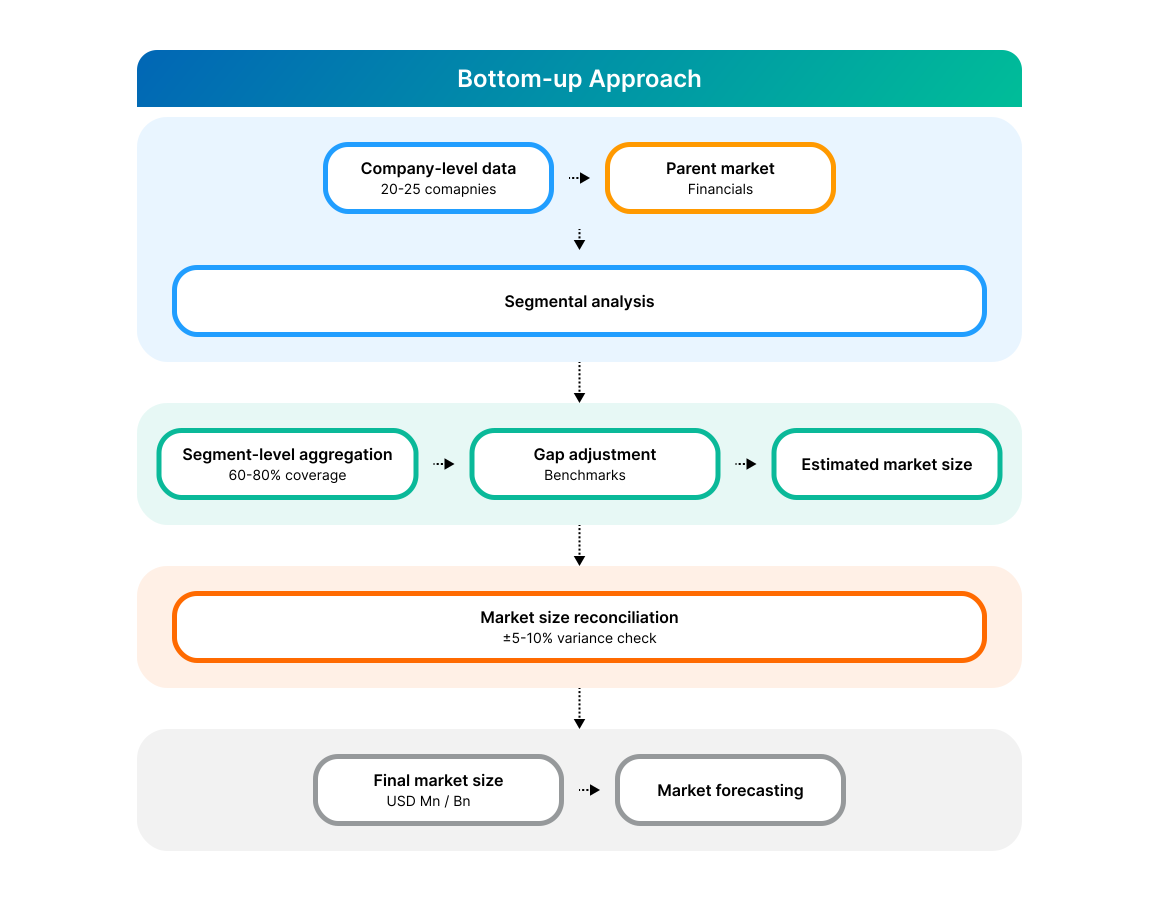
Step 5: BOTTOM-UP APPROACH
- We begin by analyzing data from leading companies in the market.
- Revenue data is collected and mapped across different segments.
- The data is then aggregated to estimate the total market size.
- To fill in any gaps, adjustments are made based on industry standards.
- Validation checks make sure that the results are correct.
5. Data Structuring
Step 6:
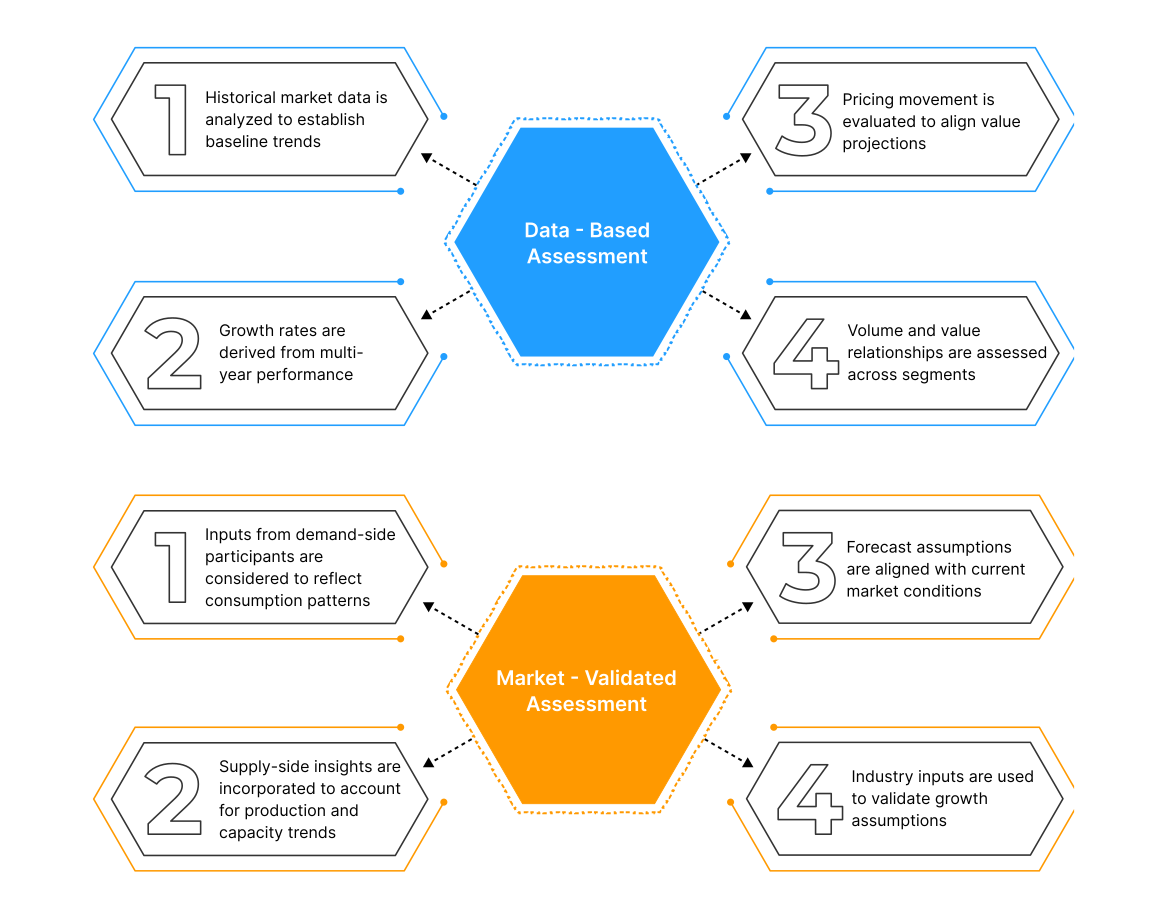
At Polaris Market Research, we employ a methodical forecasting strategy. This approach blends the analysis of historical data with real-time market validation. To forecast future trends with precision, we examine past patterns, pricing fluctuations, and the interplay of supply and demand. To ensure our conclusions reflect the present market landscape, we actively seek input from industry experts and key stakeholders.
To refine our predictions, we carefully consider critical elements such as market drivers and restraints, fluctuations in raw material costs, emerging technologies, and the production capabilities of various regions. Furthermore, we assess regulatory frameworks and potential policy shifts to gauge their potential impact on market expansion.
All this information is synthesized to generate precise forecasts for each segment and region. These forecasts illuminate the current state of the market and highlight forthcoming opportunities.
6. Data Structuring
Step 7:
In the final stage, we validate all our estimates using a triangulation method, where data is cross-checked from multiple reliable sources, like company data, primary interviews, and secondary research. This helps us make sure that our numbers are correct and fit with the rest of the market.
This process involves verifying data consistency across various segments and geographic areas. It also requires comparing historical trends with the assumptions support the forecast. Any discrepancies involve adjustments to ensure everything remains aligned and dependable.
Once the data is finalized, we prepare the final outputs, including market size estimates, segment-wise breakdowns, and growth metrics. These are delivered in structured formats such as tables, charts, and data files for easy analysis and use.
We collaborate closely with clients, ensuring the final products align with their requirements. This includes offering tailored adjustments, supplementary data analyses, and continuous assistance. Furthermore, we monitor market trends post-delivery, providing updates and refinements to maintain the insights' relevance as time passes.
Post-delivery, we continue to monitor market shifts, offering updates and adjustments to ensure the insights remain relevant over time.
Validation
Triangulation Framework
- Company-level data
- Primary inputs from industry participants
- Secondary benchmarks and published data
- Variance maintained within ±5-10%
- Adjustments applied to align estimates
- Segment values validated against overall market structure
Quality Check
Data Consistency & Integrity
- Segment totals validated to 100%
- Regional estimates aligned with global market size
- Historical trends compared against forecast outputs
- Assumptions reviewed for cross-segment and regional alignment
Output & Delivery
Final Outputs
- Market size estimates (USD Mn/Bn)
- Segment-wise distribution (%)
- Growth metrics (CAGR %)
- Structured tables and charts
- Segment-level datasets
- Excel-based data files for further analysis
Client Alignment & Support
- Deliverables are aligned with defined client requirements and scope
- Custom data cuts and segment splits are incorporated as required
- Post-delivery queries are addressed through analyst interactions
- Additional clarifications and data support are provided upon request
Client Continuity & Updates
- Market developments are tracked post-delivery to capture changes in key trends
- Updated data and revisions are provided based on new market inputs
- Additional refinements and data cuts are shared as required
- Continued analyst engagement supports evolving client requirements


