

What is the Current Market Size?
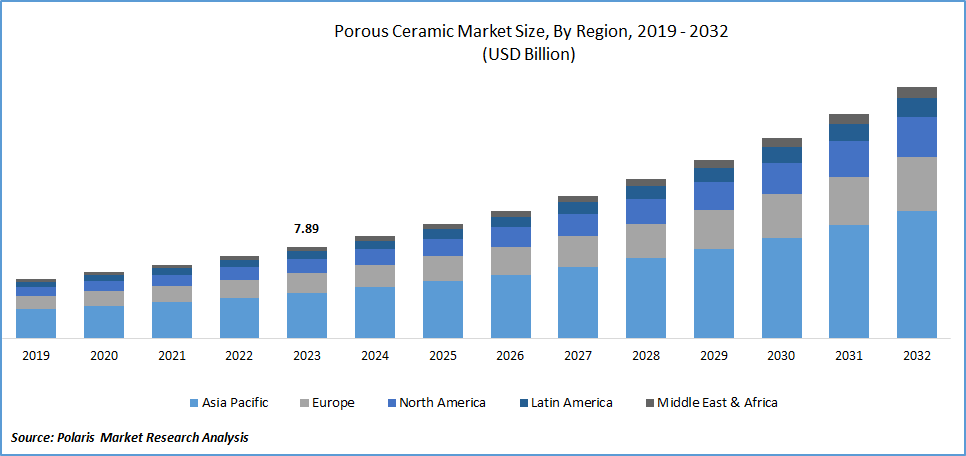
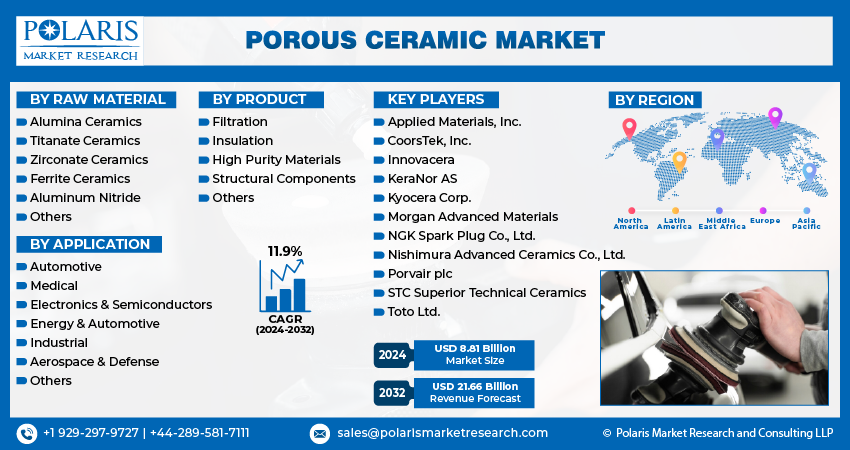
The global porous ceramic market was valued at USD 9.84 billion in 2025 and is expected to grow at a CAGR of 12.00% during the forecast period.
Market Statistics
- 2025 Market Size: USD 9.84 billion
- 2034 Projected Market Size: USD 27.27 billion
- CAGR (2026-2034): 12.00%
- Asia Pacific: Largest market in 2025
The market is experiencing growth due to the increasing demand for filtration products and their expanding use in medical devices and equipment. The need for high-quality and functionally safe medical devices that comply with strict approval standards has driven the requirement for dependable materials like porous ceramics. This widespread application in the medical devices industry is expected to boost market growth in the foreseeable future.
High-purity porous ceramics have diverse applications in microelectronics, including the manufacturing of piezoelectric devices, custom electronic components, and substrates. The increasing demand for electronic devices, driven by factors like consumer preferences, industrial requirements, and technological advancements, is a key driver for the growth of this market. In the realm of microelectronics, high-purity porous ceramics play a vital role due to their unique properties. These ceramics are engineered to have excellent thermal stability, electrical insulation, and mechanical strength. These qualities make them ideal for applications in microelectronics where precision and reliability are paramount.
The porous ceramic market report details key market dynamics to help industry players align their business strategies with current and future trends. It examines technological advances and breakthroughs in the industry and their impact on the market presence. Furthermore, a detailed regional analysis of the industry at the local, national, and global levels has been provided.
To Understand More About this Research: Request a Free Sample Report
The growing need for top-notch medical equipment and the necessity to meet rigorous approval standards have led to a higher demand for ceramics in the medical sector. Ceramics are favored in the medical industry due to their adaptable and customizable properties, tailored to specific application needs. Moreover, the COVID-19 pandemic further boosted the demand for porous ceramic market. For example, Saint-Gobain Performance Ceramics & Refractories innovated the Crystar air filtration technology a high porosity ceramic filter solution striking a balance between retention efficiency and air permeability.
Porous ceramic-based products are created through various technologies like partial sintering, sacrificial fugitives, & direct foaming. The manufacturing process involves techniques such as paste extrusion & additive manufacturing. However, production costs are notably high due to substantial capital investments (CAPEX) & raw material expenses. This high-cost factor is anticipated to limit market growth throughout the forecast period.
Growth Drivers
Rising the use of porous ceramic filtration in various industries
In the food, pharmaceutical, and chemical sectors, porous ceramic filtration products are employed to separate different materials from liquids and solutions, ensuring the purity and quality of the final products. The porous structure of these ceramics allows for efficient filtration, removing contaminants and unwanted particles from liquids.
Furthermore, in gas separation membranes, porous ceramics play a vital role. Their excellent permeability enables the efficient separation of gases, making them valuable components in various gas separation processes. These ceramics are known for their reliability, as they can withstand demanding conditions without compromising their filtering capabilities. Their durability ensures long-lasting performance, making them a preferred choice for applications requiring consistent and efficient gas separation.
Technology & Functionality Comparison
|
Manufacturer |
Core Technology |
Pore Size Range |
Key Functionalities |
Primary Applications |
Materials Offered |
|
GORGEOUS |
Open-pore structures via controlled composition/processing; high porosity with air permeability |
Customizable (micro/macro pores) |
Filtration, separation, catalysis, thermal insulation, sound absorption, corrosion resistance |
Industrial filtration, heat/sound insulation, ceramic road studs |
Alumina-based ceramics |
|
CoorsTek |
Precision-controlled porosity with tight tolerances |
0.1–100 µm |
Chemical filtration, fluid separation, high mechanical strength |
Fluid management, chemical processing |
Advanced ceramics (custom formulations) |
|
Mott Corp |
Tunable porosity in high-purity alumina; porous-solid hybrids |
Custom (for flow/strength needs) |
Dielectric breakdown resistance, plasma resistance, flow control, extreme environment inertness |
High-purity filtration, semiconductor/semicon processes |
99.999% pure alumina |
|
Refractron |
Custom porous engineering for resilience |
0.1–1000+ µm |
Process reliability, air/gas/liquid handling, vacuum chucking |
Filters, bubblers, vacuum chucks, air blowing |
Alumina, SiC |
Report Segmentation
The market is primarily segmented based on raw material, product, application, and region.
|
By Raw Material |
By Product |
By Application |
By Region |
|
|
|
|
To Understand the Scope of this Report: Speak to Analyst
By Raw Material Analysis
Alumina ceramics segment held the largest share of the market in 2025
Alumina ceramics dominated the market. Alumina, also known as aluminum oxide, possesses exceptional electrical insulation properties, making it a prominent choice in advanced ceramic applications. Its resistance to wear and corrosion further enhances its appeal, making it a preferred material for various applications such as pump components, automotive sensors, and electronics.
Alumina-based products are extensively favored in semiconductor, electrical, and medical sectors due to their outstanding qualities, including low specific heat, low bulk density, and low thermal conductivity. The increasing demand for these products, combined with their exceptional properties, is driving players to invest significantly in research and development efforts for innovative product designs. This emphasis on innovation is bolstering the demand for alumina-based products in various industries.
The titanate ceramics segment will grow at a rapid pace. This growth is attributed to its utilization in creating porous piezoceramic ceramics and as a dielectric material in capacitors. Titanate ceramics are increasingly employed in microphones and transducers due to their piezoelectric properties. Additionally, the pyroelectric and ferroelectric characteristics of barium titanate are harnessed in the production of uncooled sensors used in thermal cameras.
By Application Analysis
Automotive segment accounted for the largest market share in 2025
The automotive segment accounted for the largest market share. Porous ceramics play a vital role in the automotive sector due to their exceptional properties, including high mechanical strength, abrasion resistance, chemical stability, and thermal stability. Investments in the automotive industry, particularly in the development of Electric Vehicles (EVs), are expected to drive market growth in the foreseeable future.
The electronics segment is expected to grow at a substantial pace. This is primarily due to the rising need for components like spark plugs, capacitors, resistors, sensors, chips, and substrates in devices such as smartphones, TVs, computers, and consumer appliances.
By Product Analysis
Filtration segment held the substantial share of the market in 2025
The filtration segment dominated the market. Filters based on porous ceramics are effective in removing particles from air and liquids even in extreme temperature and pressure conditions. These filters are utilized across diverse industries including automotive, chemical, pharmaceuticals, and food. The increasing demand for filtration solutions is expected to drive the demand for these products in the years to come.
The high-purity materials segment will exhibit the highest growth rate. Products crafted from high-purity materials boast a superior surface finish due to their fine average grain size. Compared to low-purity materials, they offer numerous benefits, including exceptional hardness, flexural strength, and dielectric strength. Moreover, these materials enhance the thermal shock resistance of the components manufactured from them.
Regional Insights
Asia Pacific accounted for the largest share of global market in 2025
Asia Pacific dominated the market. Region’s growth is primarily by the rapid industrialization and strict government regulations aimed at upholding environmental standards. Additionally, stringent policies curbing excessive industrial pollution discharge are anticipated to boost the demand for water and air filtration systems, thereby contributing to the rising demand for porous ceramics in the coming years.
North America will grow at the fastest rate. Government initiatives promoting sustainable development are set to enhance the demand for ceramic filters in the region significantly. Furthermore, the integration of nanotechnology in filtration processes is expected to propel the demand for fine ceramic materials, thereby contributing to the overall market growth.
The U.S. government, under regulations like the Clean Air Act (CAA), mandates the EPA to set National Ambient Air Quality Standards (NAAQS) & regulates toxic emissions from industries. These filters are increasingly employed to remove VOCs & gaseous emissions in industrial settings. Consequently, these U.S. regulations, especially the CAA, aimed at safeguarding the public from harmful toxic gases, are anticipated to boost the demand for filters.
Key Market Players & Competitive Insights
Advancements in technology and enhancements in production methods have led to the creation of highly durable products with longer lifespans. To gain a competitive edge, market players are actively investing in mergers and acquisitions. This strategy enables them to offer advanced ceramic products at competitive prices, consolidating their position in the market.
Some of the major players operating in the global market include:
- Applied Materials, Inc.
- CoorsTek, Inc.
- Innovacera
- KeraNor AS
- Kyocera Corp.
- Morgan Advanced Materials
- NGK Spark Plug Co., Ltd.
- Nishimura Advanced Ceramics Co., Ltd.
- Porvair plc
- STC Superior Technical Ceramics
- Toto Ltd.
Recent Developments
In September 2025, Pall Corporation launched the Membralox® GP-IC ceramic membrane system for the food and beverage industry, offering higher filtration capacity and improved recovery of value-added products through its advanced multi-channel design.
In February 2025, Saint-Gobain Ceramics announced a $40 million investment to build a new facility in Wheatfield, New York, expanding production of ceramic catalyst carriers for chemical, petrochemical, and energy applications.
In October 2022, Artemis successfully acquired McDanel Advanced Ceramic Technologies, a strategic step taken to enrich their range of high-purity products and services. This move allows the company to offer consumers exceptional products known for their superior quality.
In August 2021, XJet, recently introduced alumina technical ceramic to its expanding range of additive manufacturing materials.
Porous Ceramic Market Report Scope
|
Report Attributes |
Details |
|
Market size value in 2025 |
USD 9.84 billion |
| Market size value in 2026 | USD 11.00 billion |
|
Revenue forecast in 2034 |
USD 27.27 billion |
|
CAGR |
12.00% from 2026 – 2034 |
|
Base year |
2025 |
|
Historical data |
2021 – 2024 |
|
Forecast period |
2026 – 2034 |
|
Quantitative units |
Revenue in USD billion and CAGR from 2026 to 2034 |
|
Segments covered |
By Raw Material, By Product, By Application, By Region |
|
Regional scope |
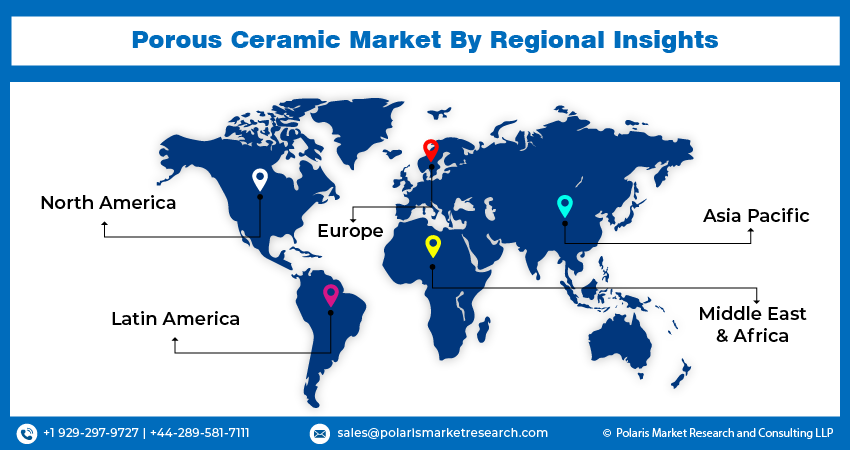
North America, Europe, Asia Pacific, Latin America, Middle East & Africa |
|
Customization |
Report customization as per your requirements with respect to countries, region and segmentation. |
Want to check out the porous ceramic market report before buying it? Then, our sample report has got you covered. It includes key market data points, ranging from trend analyses to industry estimates and forecasts. See for yourself by downloading the sample report.
FAQ's
The global porous ceramic market size is expected to reach USD 27.27 billion by 2034.
Applied Materials, CoorsTek, Innovacera, KeraNor, Kyocera Corp., Morgan Advanced Materials, NGK Spark Plug, Porvair, and Toto are the top market players in the market.
Asia Pacific region contribute notably towards the global Porous Ceramic Market.
The global porous ceramic market is expected to grow at a CAGR of 12.00% during the forecast period.
The Porous Ceramic Market report covering key segments are raw material, product, application, and region.
Page last updated on:
Feb-2024
Research Methodology
A robust system of research, verification, and forecasting designed to ensure reliable and actionable market insights.
Polaris Market Research uses a clear and structured approach to deliver insights that clients can rely on. The process combines detailed primary and secondary research, including direct communication with industry experts. The detailed information helps build a complete picture of market trends and developments. Secondary data is gathered from credible sources such as industry reports, company filings, government source links, and trusted organization databases. It is then cross-checked through discussions with key stakeholders across the value chain. Market size and forecasts are developed using both bottom-up and top-down methods to ensure accuracy and consistency in the final results.
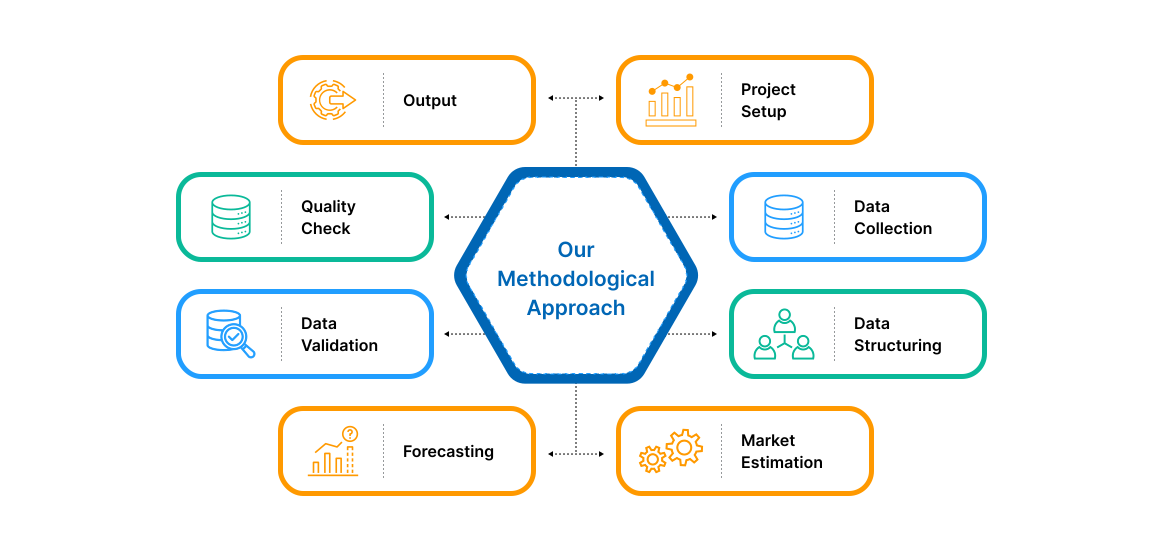
Project Setup
Step 1 & 2:
- We start every project by clearly understanding the client’s objective or goal, then defining the market scope, and aligning regions, segments, and timelines.
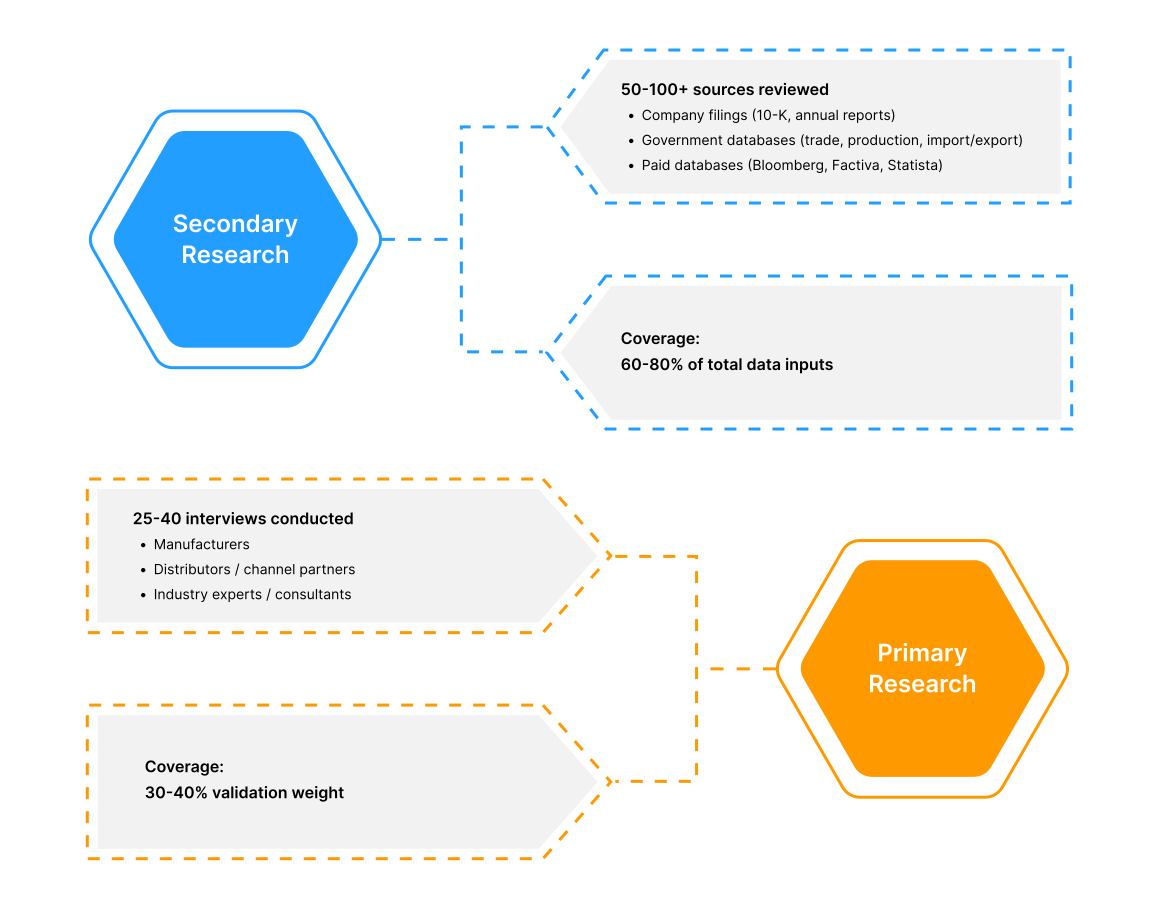
- Once the foundation is set, we collect data from all-around of sources, including company reports, government databases, and paid industry platforms.
- Our research is based on secondary data, which helps us build a strong understanding of the market across regions and industries. Then we validate this information through primary research by speaking directly with industry experts, companies, and stakeholders.
- By combining secondary and primary research, we ensure that our market insights are accurate, practical, and closely aligned with real market conditions.
Data Collection
We gather information from both public and verified sources:
Data Structuring
Step 3:
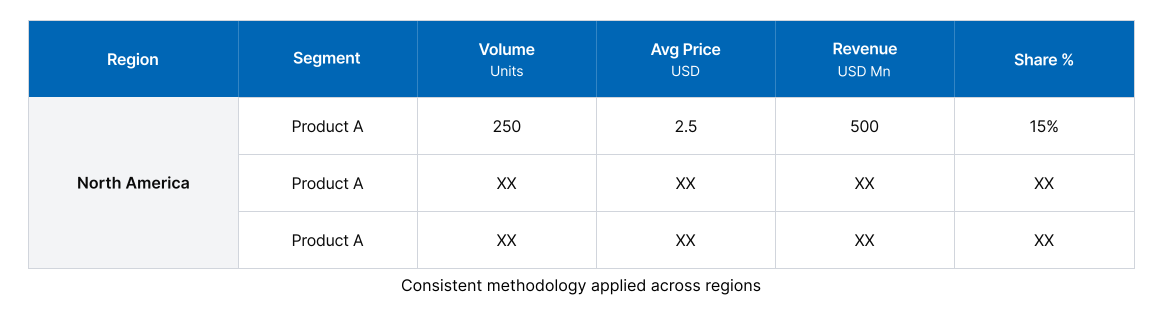
- All collected data is organized into a consistent format to ensure accurate analysis. Since inputs come from multiple sources, they are standardized and aligned before use.
- The data is segmented by product, application, and region, and mapped across a defined historical period (2020–2024). All values are converted into common units (USD Mn/Bn), and volume and pricing are aligned where required to estimate revenue.
- Any overlaps or inconsistencies are reviewed and adjusted to maintain accuracy (<5% variance threshold).
- The result is a structured dataset that allows for clear comparison across regions and supports reliable analysis and forecasting.
Structured Market Dataset, USD Mn/Bn
4. Data Structuring
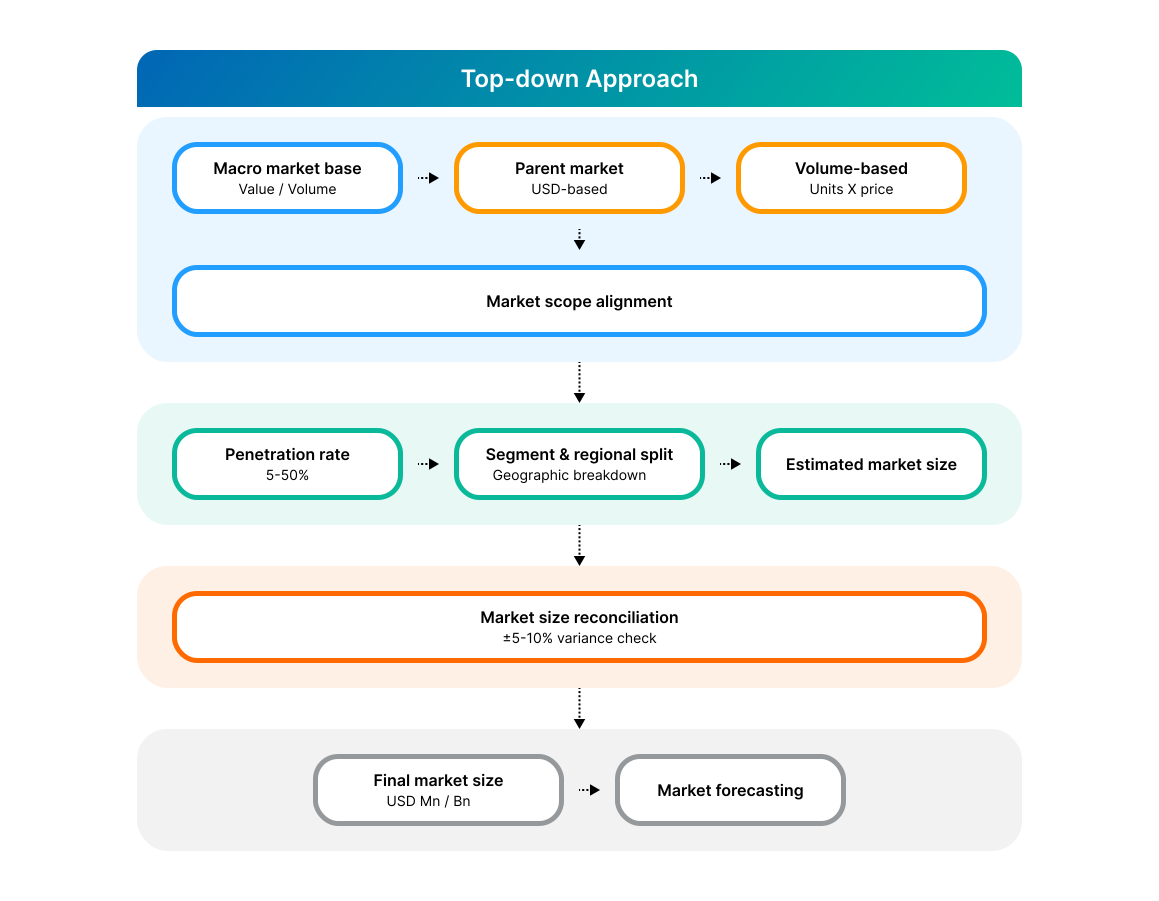
Step 4: TOP-DOWN APPROACH
- We start with the overall market size at a global or macro level.
- The market is then narrowed down based on scope and industry relevance.
- We apply penetration rates and split the data by region and segment.
- This helps us estimate the market size for specific segments.
- The numbers are validated through cross-checks to ensure accuracy.
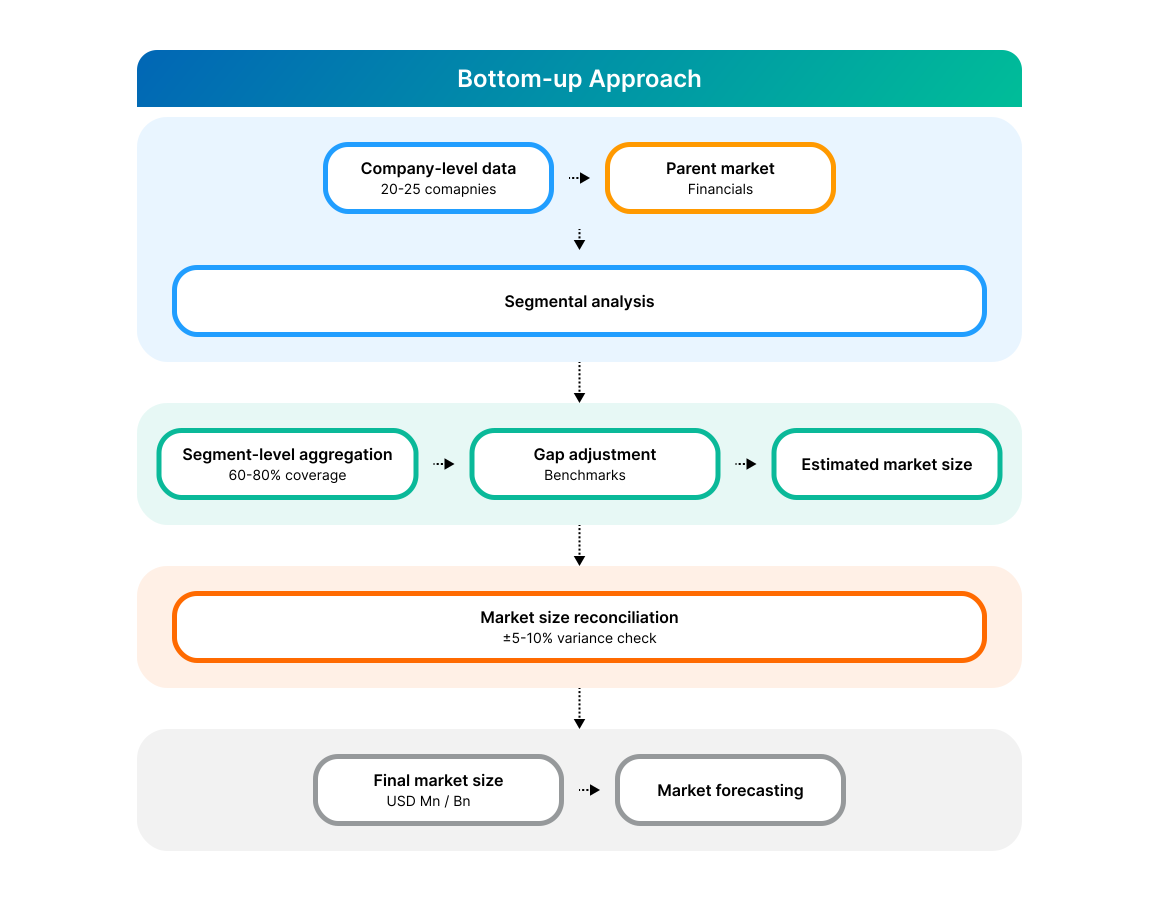
Step 5: BOTTOM-UP APPROACH
- We begin by analyzing data from leading companies in the market.
- Revenue data is collected and mapped across different segments.
- The data is then aggregated to estimate the total market size.
- To fill in any gaps, adjustments are made based on industry standards.
- Validation checks make sure that the results are correct.
5. Data Structuring
Step 6:
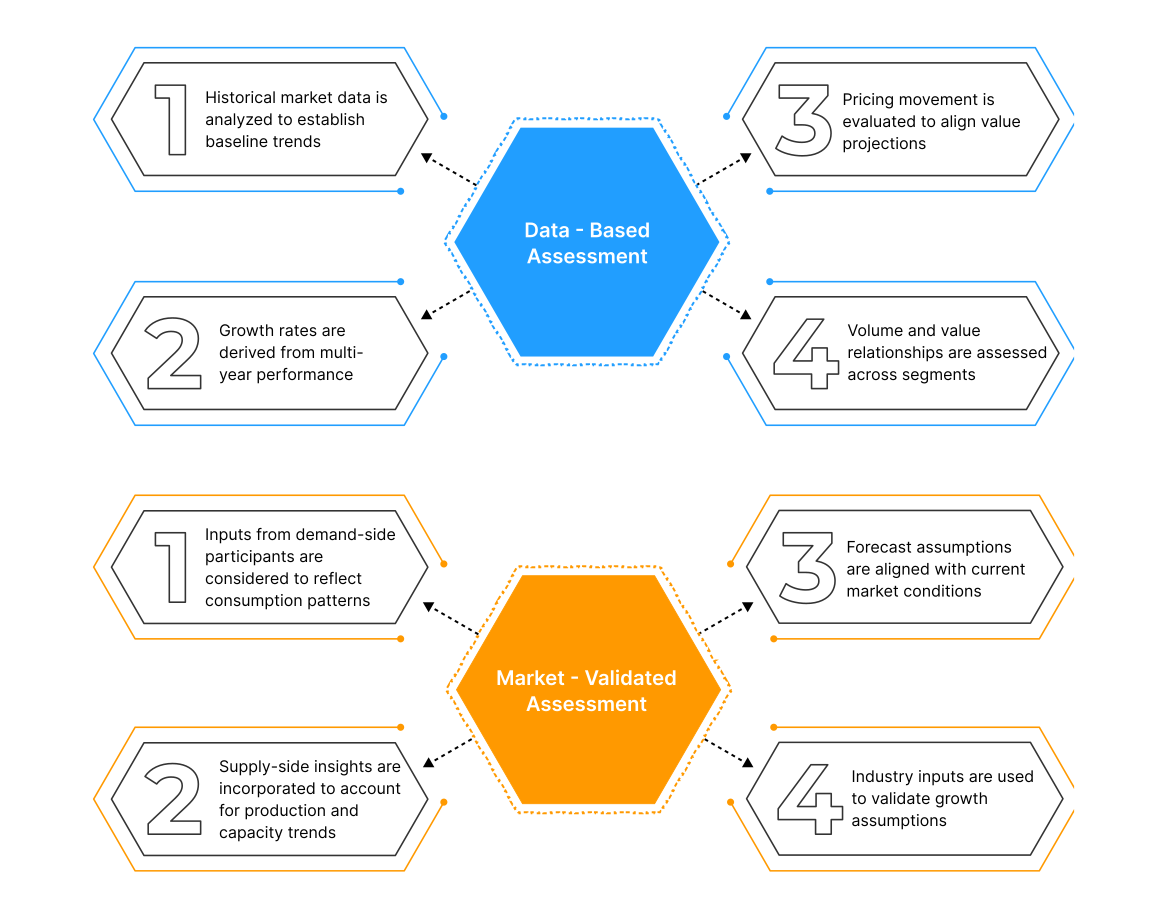
At Polaris Market Research, we employ a methodical forecasting strategy. This approach blends the analysis of historical data with real-time market validation. To forecast future trends with precision, we examine past patterns, pricing fluctuations, and the interplay of supply and demand. To ensure our conclusions reflect the present market landscape, we actively seek input from industry experts and key stakeholders.
To refine our predictions, we carefully consider critical elements such as market drivers and restraints, fluctuations in raw material costs, emerging technologies, and the production capabilities of various regions. Furthermore, we assess regulatory frameworks and potential policy shifts to gauge their potential impact on market expansion.
All this information is synthesized to generate precise forecasts for each segment and region. These forecasts illuminate the current state of the market and highlight forthcoming opportunities.
6. Data Structuring
Step 7:
In the final stage, we validate all our estimates using a triangulation method, where data is cross-checked from multiple reliable sources, like company data, primary interviews, and secondary research. This helps us make sure that our numbers are correct and fit with the rest of the market.
This process involves verifying data consistency across various segments and geographic areas. It also requires comparing historical trends with the assumptions support the forecast. Any discrepancies involve adjustments to ensure everything remains aligned and dependable.
Once the data is finalized, we prepare the final outputs, including market size estimates, segment-wise breakdowns, and growth metrics. These are delivered in structured formats such as tables, charts, and data files for easy analysis and use.
We collaborate closely with clients, ensuring the final products align with their requirements. This includes offering tailored adjustments, supplementary data analyses, and continuous assistance. Furthermore, we monitor market trends post-delivery, providing updates and refinements to maintain the insights' relevance as time passes.
Post-delivery, we continue to monitor market shifts, offering updates and adjustments to ensure the insights remain relevant over time.
Validation
Triangulation Framework
- Company-level data
- Primary inputs from industry participants
- Secondary benchmarks and published data
- Variance maintained within ±5-10%
- Adjustments applied to align estimates
- Segment values validated against overall market structure
Quality Check
Data Consistency & Integrity
- Segment totals validated to 100%
- Regional estimates aligned with global market size
- Historical trends compared against forecast outputs
- Assumptions reviewed for cross-segment and regional alignment
Output & Delivery
Final Outputs
- Market size estimates (USD Mn/Bn)
- Segment-wise distribution (%)
- Growth metrics (CAGR %)
- Structured tables and charts
- Segment-level datasets
- Excel-based data files for further analysis
Client Alignment & Support
- Deliverables are aligned with defined client requirements and scope
- Custom data cuts and segment splits are incorporated as required
- Post-delivery queries are addressed through analyst interactions
- Additional clarifications and data support are provided upon request
Client Continuity & Updates
- Market developments are tracked post-delivery to capture changes in key trends
- Updated data and revisions are provided based on new market inputs
- Additional refinements and data cuts are shared as required
- Continued analyst engagement supports evolving client requirements


