

What is Soy Grits Market Size?
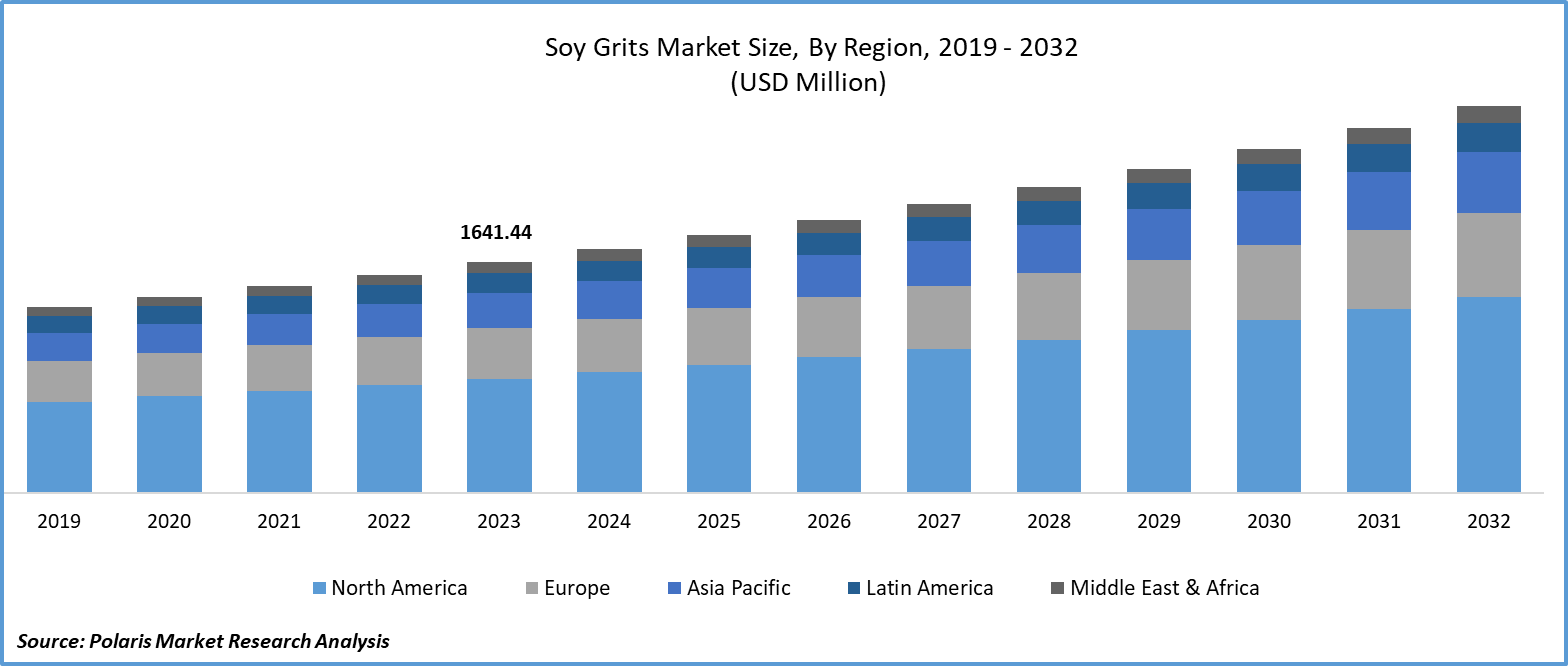
The global soy grits market was valued at USD 1.83 billion in 2025 and is expected to grow at a CAGR of 6.1% during the forecast period. The growth is driven by rising demand for plant-based protein worldwide, rising cases of malnutrition, and expansion of e-commerce and quick commerce which is improving the end product accessibility.
Market Statistics
- 2025 Market Size: USD 1.83 Billion
- 2034 Projected Market Size: USD 3.11 Billion
- CAGR (2026-2034): 6.1%
- Largest Market: North America
Soy grits are widely used in the making of pasta, soups, bakery products, gravies, and the fortification of cereals and sweet products. Furthermore, it is highly incorporated in the production of soy products, such as soy nuggets, tofu, soybean powder, soy milk, and more. Moreover, the rising cases of malnutrition among people in some regions are increasing the production and sales of soy-based proteins, including soy grits. According to a study, 43% of the children in Nepal are facing health issues due to protein and energy malnutrition. This is enforcing government agencies to formulate suitable food reforms to address rising health problems. The growing emphasis on innovation and effective technology to extract soy protein is positively affecting the growth of soy grits, as it will likely enhance the supply of soy protein products, including soy grits, in the coming years.
To Understand More About this Research: Request a Free Sample Report
For instance, in June 2022, a study published in Authorea focused on reviewing the advancements in the extraction of soy protein technology, such as reverse micellar, enzyme-assisted, and membrane ultrafiltration. Moreover, soy grits are used in the formulations of baby foods and drink mixes. Meanwhile, it is incorporated into diabetic foods, driven by its higher nutritional profile and cost-effectiveness compared to the other alternatives. These factors are likely to impact the growth of the global market in the next few years.
Growth Drivers
Rising demand for plant-based proteins is driving demand for soy grits
There is a growing awareness about the importance of consuming healthy snacks and food, which is leading to an increased demand for soy grits. This demand is driven by the availability of information, which is made possible by the growing access to the internet across the globe. Additionally, the popularity of flexitarian and vegetarian diets is resulting in a greater demand for plant-based proteins, which is further fueling the growth of the soy grits market. Research has shown that sales of alternative meat and dairy products are projected to increase by 14% every year, reaching $125 billion by 2030. This trend is expected to contribute to the growth of the global market for soy grits in the near future. This indicates a continued need for plant-based proteins, including soy grits, during the study period.
Trends in Soy Grits
|
Trend |
Description of new direction |
|
Use as functional high‑protein ingredient in fortified foods |
Soy grits (a form of soy flour) are increasingly incorporated into bakery items, breakfast cereals, pastas, soups and gravies to boost protein, fiber and functional properties (emulsification, binding, thickening). |
|
Role in sustainable plant‑protein and food‑security strategies |
Soy grits and related soy flours are promoted as affordable, high‑quality plant proteins that can help address global caloric and protein gaps, and support sustainable diets. |
|
Integration into extruded, high‑protein snack and cereal products |
Soy proteins (from grits/flours or isolates) are increasingly used in twin‑screw extrusion to create high‑protein extruded snacks, cereals and pasta‑type products with improved texture and nutritional profiles. |
|
Contribution to gluten‑free and allergen‑aware product development |
While soy itself is an allergen, soy protein ingredients (including grits/flours) are used to improve structure and protein content of gluten‑free products when tolerated, often alongside other gluten‑free flours. |
|
Use of soy processing by‑products as functional ingredients |
Current food‑processing research treats soybean by‑products as sources of functional proteins and fibers; dry‑milled fractions close to soy grits can be upgraded into value‑added ingredients, supporting circular‑economy approaches. |
|
Positioning within broader soyfood and soy‑protein portfolios |
Soy grits are part of a continuum of soy ingredients (whole beans, grits, defatted flour, concentrates, isolates) used to design cost‑effective, tiered protein solutions for both human foods and animal feeds. |
Report Segmentation
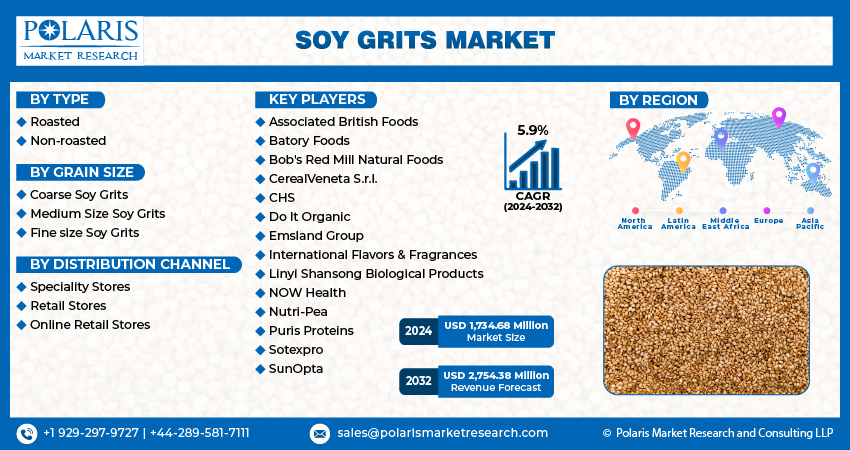
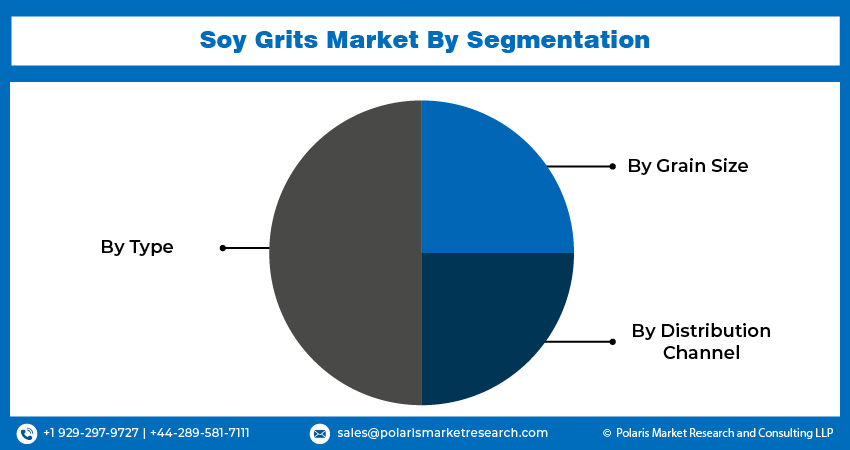
The market is primarily segmented based on type, grain size, distribution channel and region.
|
By Type |
By Grain Size |
By Distribution Channel |
By Region |
|
|
|
|
To Understand the Scope of this Report: Speak to Analyst
By Type Analysis
Roasted segment is expected to witness the highest growth during the forecast period
The roasted segment will grow rapidly due to the growing demand for savory & nutty tastes, which is fueling the expansion of the soy grits in the study period. The changing consumer preferences towards roasted flavor are influencing the growth and demand for soy grits. Furthermore, roasted soy grits are likely to retain their nutritional value, catering to consumers' need for protein-rich foods. These factors, together, are expected to contribute to the expansion of the market during the study period.
The non-roasted segment led the industry market with a substantial revenue share in 2025, largely attributable to its ability to offer neutral flavor. It is highly incorporated in food applications where soybean flavor is preferred. Furthermore, non-roasted soy grits are allergen-free compared to roasted soy grits, driving the demand for soy grits among people with allergies in the near future.
By Grain Size Analysis
Coarse soy grits segment accounted for the largest market share in 2025
The coarse soy grits segment accounted for the largest market share in 2025 and is likely to retain its market position throughout the forecast period. These coarse soy grits are used in plant-based meat alternatives due to the similar texture of the meat, contributing to segmental growth.
The medium-sized segment is expected to grow at the fastest rate over the next few years on account of the appealing look of the baked food products. Medium-sized soy grits are used in the manufacturing of cookies, breads, crackers, and other baked goods due to their higher protein value and ability to improve taste and texture. This application is likely to enhance the demand for soy grits in snacks in the coming years.
By Distribution Channel Analysis
Online retail stores segment held the significant market revenue share in 2025
The online retail stores segment held the largest share, due to the increased availability of products such as soy grits to the larger consumer base attributable to the establishment of e-commerce platforms. Furthermore, the growing adoption of smartphones is increasing access to the Internet, contributing to the rising use of online retailers. The increasing discounts offered by e-commerce portals will further boost the sales of healthy foods like soy grits in the coming years.
Regional Insights
North America region registered the largest share in global market in 2025
The North American region held the global market with the largest market share in 2025 and is expected to continue its dominance over the study period. The growing demand for healthy food with a higher nutritional profile in the region is facilitating new growth opportunities for the market. According to the survey findings on U.S. soy, 70% of U.S. consumers prefer an intake of sufficient proteins, vitamins, minerals, and healthy fats as a top priority. Compared to the previous year, four-in-one consumers increased their consumption of soy-based protein. Furthermore, food manufacturers are showing interest in incorporating these plant-based proteins into their offerings, driven by growing popularity and rising concerns about sustainable and healthy foods. This trend is expected to continue in the coming years, contributing to the growth of the global market soon. Moreover, the cost-effectiveness of soy protein in line with dairy products is boosting its demand in the marketplace.
The Asia Pacific region will grow at a rapid pace, owing to the presence of larger soy grit producers in the market, which is likely to continue its growth trajectory in the coming years. According to Volza, the top three exporters of soy grits are India, with 5,097 shipments, followed by Chile and South Africa, with 7 and 3 shipments, respectively. The existence of larger producers may further assist countries in this region in meeting their population's soy grit demand and also stabilize price levels, leading to increased access for small and medium consumers.

Key Market Players & Competitive Insights
The soy grits market is highly fragmented and anticipated to register rapid expansion driven by growing demand for plant-based proteins and rising demand for healthy diets among the consumer base, which is stimulating market players to expand their production of soy grits and step forward with partnerships and acquisitions to gain a competitive edge over the other companies and to gain global market share.
Some of the major players operating in the global market include:
- Associated British Foods
- Batory Foods
- Bob's Red Mill Natural Foods
- CerealVeneta S.r.l.
- CHS
- Do It Organic
- Emsland Group
- International Flavors & Fragrances
- Linyi Shansong Biological Products
- NOW Health
- Nutri-Pea
- Puris Proteins
- Sotexpro
- SunOpta
Recent Developments
- August 2022: ADM signed an agreement with U.S.-based Benson Hill, securing exclusive North American rights to process its ultra-high-protein soybeans into protein concentrates, isolates, and textured flours for human food ingredients, enhancing ADM’s soy protein quality and protein content.
- In March 2022, a study published in Science Direct conducted a review on addressing plant-based proteins from soybeans. It also revealed the processing technologies for a wide range of byproducts and the health benefits associated with them, along with the development of soy products.
Soy Grits Market Report Scope
|
Report Attributes |
Details |
|
Market size in 2025 |
USD 1.83 billion |
| Market size in 2026 | USD 1.94 billion |
|
Revenue forecast in 2034 |
USD 3.11 billion |
|
CAGR |
6.1% from 2026 – 2034 |
|
Base year |
2025 |
|
Historical data |
2021 – 2024 |
|
Forecast period |
2026 – 2034 |
|
Quantitative units |
Revenue in USD billion and CAGR from 2026 to 2034 |
|
Segments covered |
By Type, By Grain Size, By End-User, By Region |
|
Regional scope |
North America, Europe, Asia Pacific, Latin America, Middle East & Africa |
|
Customization |
Report customization as per your requirements with respect to countries, region and segmentation. |
FAQ's
The soy grits market report covering key segments are type, grain size, distribution channel and region.
Soy Grits Market Size Worth $3.11 Billion By 2034
The global soy grits market is expected to grow at a CAGR of 6.1% during the forecast period.
North American is leading the global market
key driving factors in soy grits market are rising demand for plant-based proteins is driving demand for soy grits
Page last updated on:
Jan-2024
Research Methodology
A robust system of research, verification, and forecasting designed to ensure reliable and actionable market insights.
Polaris Market Research uses a clear and structured approach to deliver insights that clients can rely on. The process combines detailed primary and secondary research, including direct communication with industry experts. The detailed information helps build a complete picture of market trends and developments. Secondary data is gathered from credible sources such as industry reports, company filings, government source links, and trusted organization databases. It is then cross-checked through discussions with key stakeholders across the value chain. Market size and forecasts are developed using both bottom-up and top-down methods to ensure accuracy and consistency in the final results.
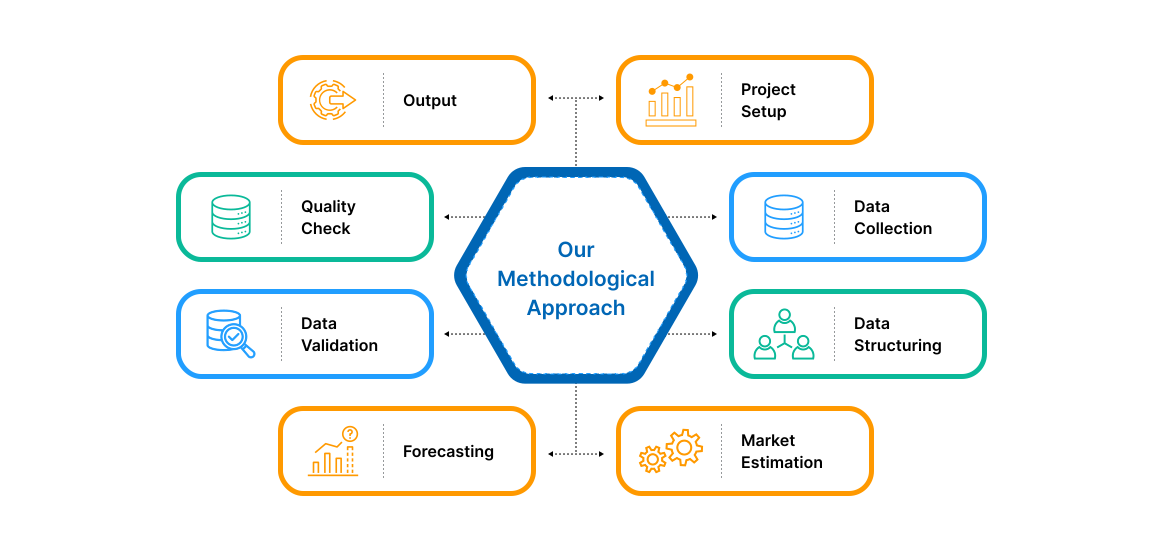
Project Setup
Step 1 & 2:
- We start every project by clearly understanding the client’s objective or goal, then defining the market scope, and aligning regions, segments, and timelines.
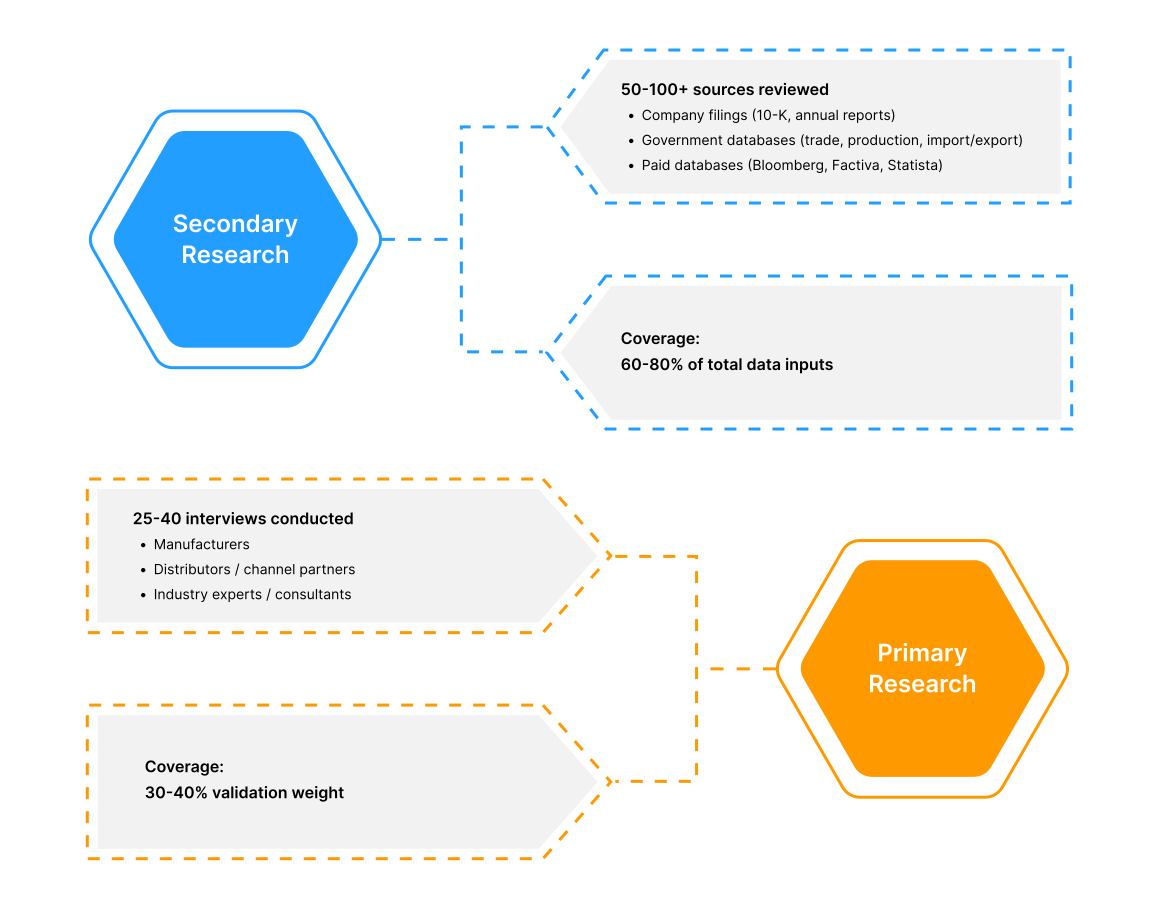
- Once the foundation is set, we collect data from all-around of sources, including company reports, government databases, and paid industry platforms.
- Our research is based on secondary data, which helps us build a strong understanding of the market across regions and industries. Then we validate this information through primary research by speaking directly with industry experts, companies, and stakeholders.
- By combining secondary and primary research, we ensure that our market insights are accurate, practical, and closely aligned with real market conditions.
Data Collection
We gather information from both public and verified sources:
Data Structuring
Step 3:
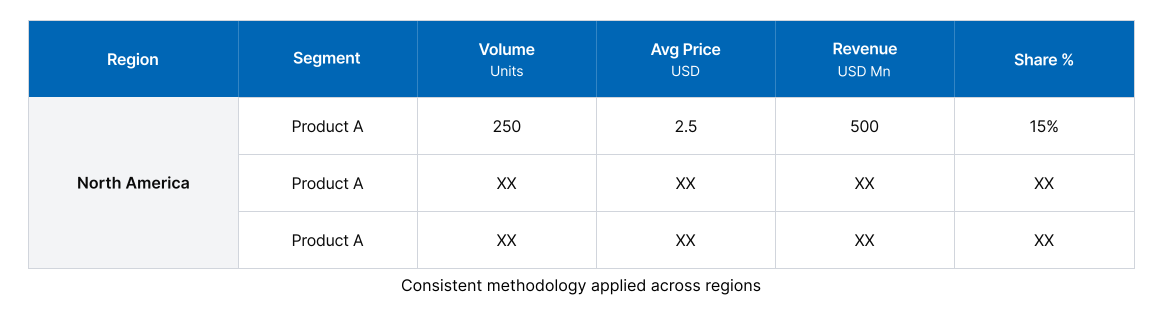
- All collected data is organized into a consistent format to ensure accurate analysis. Since inputs come from multiple sources, they are standardized and aligned before use.
- The data is segmented by product, application, and region, and mapped across a defined historical period (2020–2024). All values are converted into common units (USD Mn/Bn), and volume and pricing are aligned where required to estimate revenue.
- Any overlaps or inconsistencies are reviewed and adjusted to maintain accuracy (<5% variance threshold).
- The result is a structured dataset that allows for clear comparison across regions and supports reliable analysis and forecasting.
Structured Market Dataset, USD Mn/Bn
4. Data Structuring
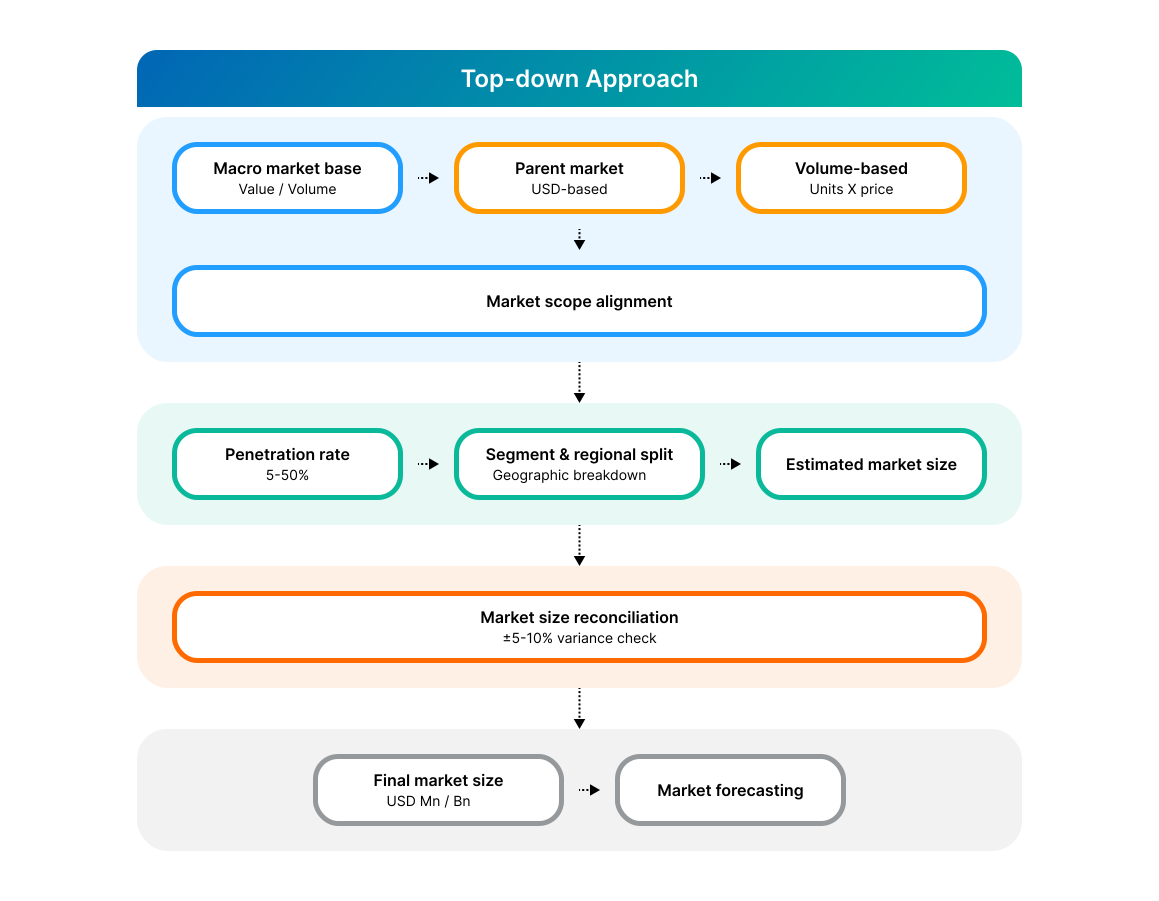
Step 4: TOP-DOWN APPROACH
- We start with the overall market size at a global or macro level.
- The market is then narrowed down based on scope and industry relevance.
- We apply penetration rates and split the data by region and segment.
- This helps us estimate the market size for specific segments.
- The numbers are validated through cross-checks to ensure accuracy.
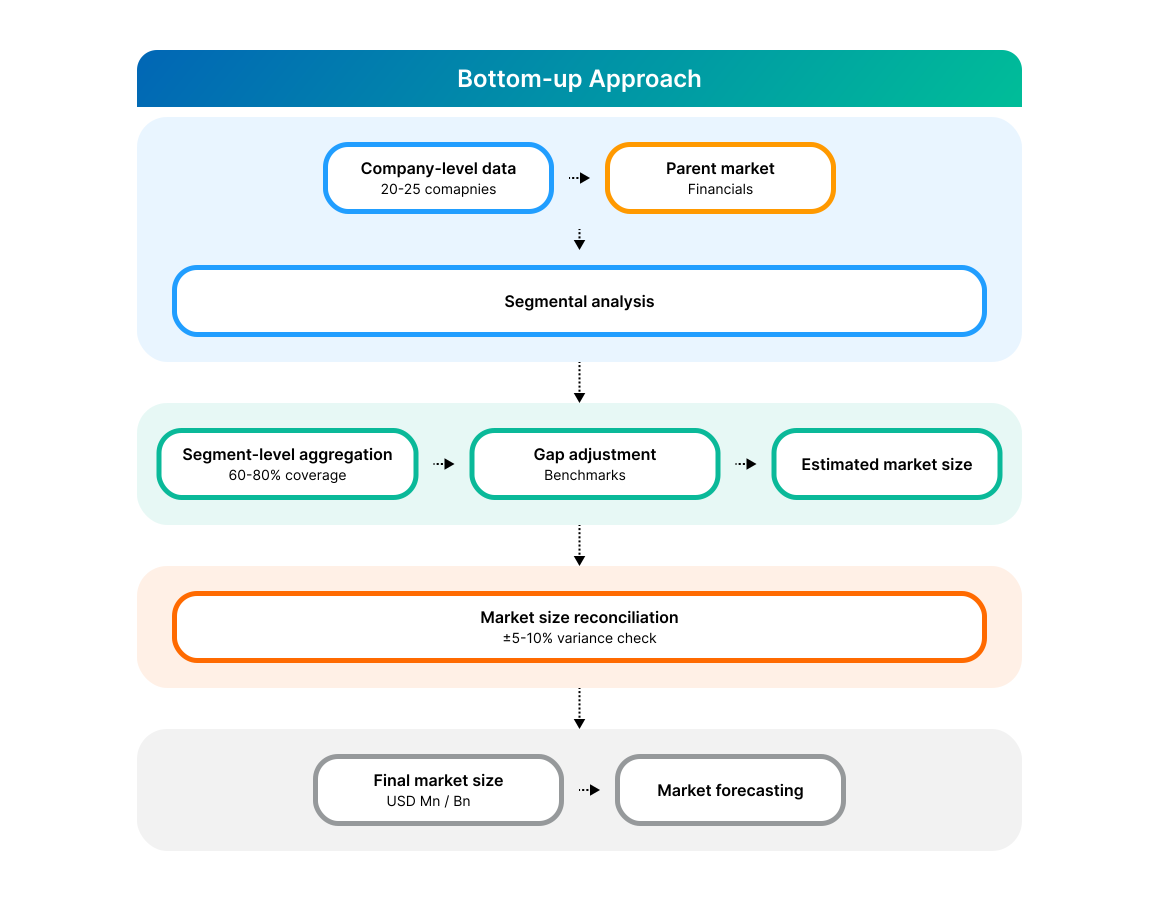
Step 5: BOTTOM-UP APPROACH
- We begin by analyzing data from leading companies in the market.
- Revenue data is collected and mapped across different segments.
- The data is then aggregated to estimate the total market size.
- To fill in any gaps, adjustments are made based on industry standards.
- Validation checks make sure that the results are correct.
5. Data Structuring
Step 6:
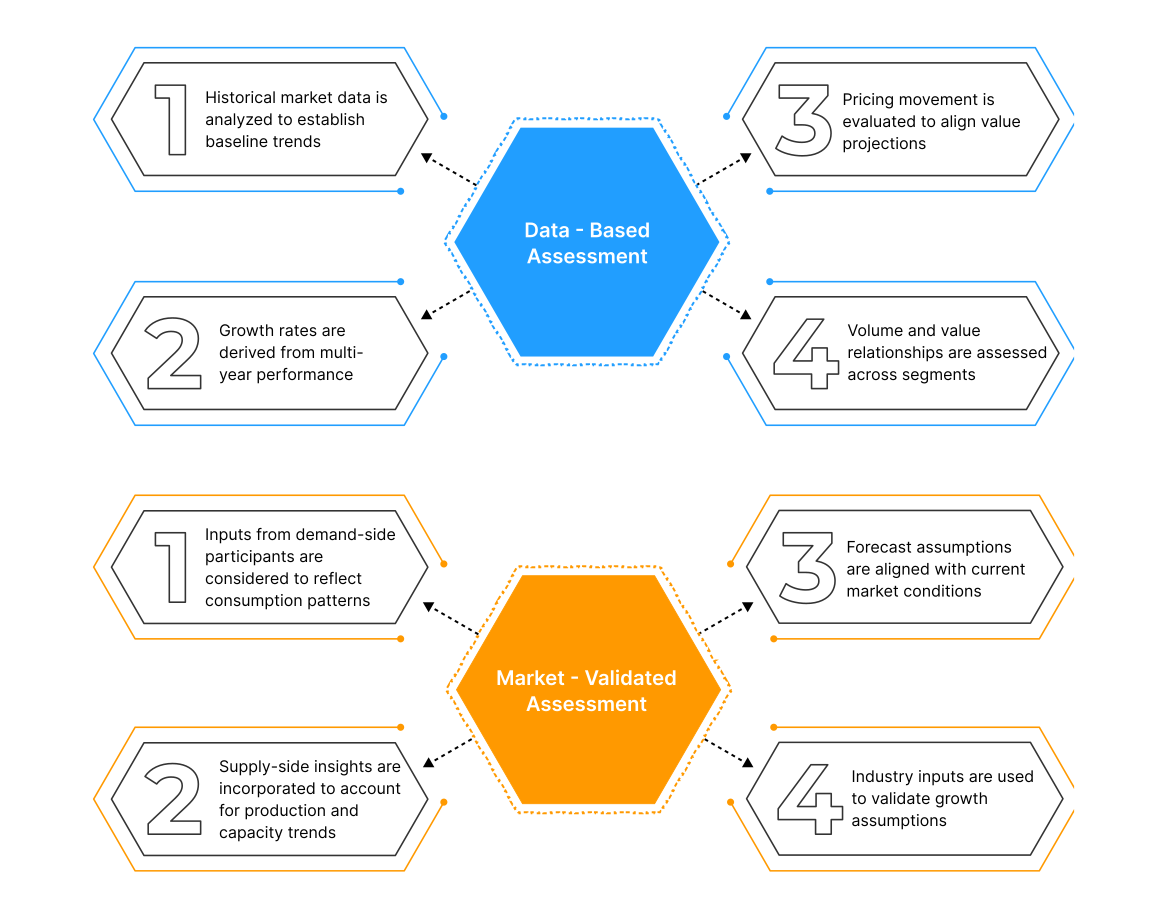
At Polaris Market Research, we employ a methodical forecasting strategy. This approach blends the analysis of historical data with real-time market validation. To forecast future trends with precision, we examine past patterns, pricing fluctuations, and the interplay of supply and demand. To ensure our conclusions reflect the present market landscape, we actively seek input from industry experts and key stakeholders.
To refine our predictions, we carefully consider critical elements such as market drivers and restraints, fluctuations in raw material costs, emerging technologies, and the production capabilities of various regions. Furthermore, we assess regulatory frameworks and potential policy shifts to gauge their potential impact on market expansion.
All this information is synthesized to generate precise forecasts for each segment and region. These forecasts illuminate the current state of the market and highlight forthcoming opportunities.
6. Data Structuring
Step 7:
In the final stage, we validate all our estimates using a triangulation method, where data is cross-checked from multiple reliable sources, like company data, primary interviews, and secondary research. This helps us make sure that our numbers are correct and fit with the rest of the market.
This process involves verifying data consistency across various segments and geographic areas. It also requires comparing historical trends with the assumptions support the forecast. Any discrepancies involve adjustments to ensure everything remains aligned and dependable.
Once the data is finalized, we prepare the final outputs, including market size estimates, segment-wise breakdowns, and growth metrics. These are delivered in structured formats such as tables, charts, and data files for easy analysis and use.
We collaborate closely with clients, ensuring the final products align with their requirements. This includes offering tailored adjustments, supplementary data analyses, and continuous assistance. Furthermore, we monitor market trends post-delivery, providing updates and refinements to maintain the insights' relevance as time passes.
Post-delivery, we continue to monitor market shifts, offering updates and adjustments to ensure the insights remain relevant over time.
Validation
Triangulation Framework
- Company-level data
- Primary inputs from industry participants
- Secondary benchmarks and published data
- Variance maintained within ±5-10%
- Adjustments applied to align estimates
- Segment values validated against overall market structure
Quality Check
Data Consistency & Integrity
- Segment totals validated to 100%
- Regional estimates aligned with global market size
- Historical trends compared against forecast outputs
- Assumptions reviewed for cross-segment and regional alignment
Output & Delivery
Final Outputs
- Market size estimates (USD Mn/Bn)
- Segment-wise distribution (%)
- Growth metrics (CAGR %)
- Structured tables and charts
- Segment-level datasets
- Excel-based data files for further analysis
Client Alignment & Support
- Deliverables are aligned with defined client requirements and scope
- Custom data cuts and segment splits are incorporated as required
- Post-delivery queries are addressed through analyst interactions
- Additional clarifications and data support are provided upon request
Client Continuity & Updates
- Market developments are tracked post-delivery to capture changes in key trends
- Updated data and revisions are provided based on new market inputs
- Additional refinements and data cuts are shared as required
- Continued analyst engagement supports evolving client requirements


