

Market Overview
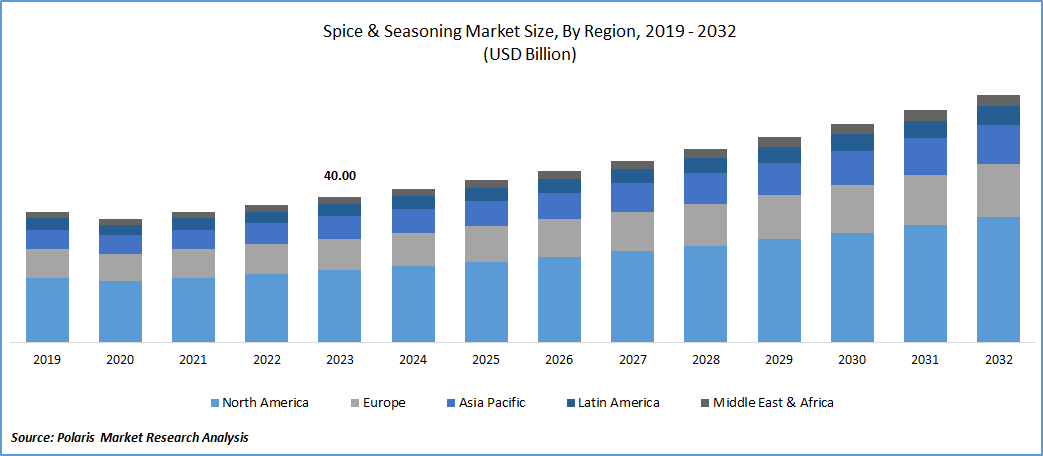
The global spices and seasonings market was valued at USD 18.90 billion in 2024 and is projected to grow at a CAGR of 6.5% from 2025 to 2034. Increasing preference for home cooking is driving demand for spices and seasonings. The market is experiencing growth primarily due to the increased awareness of the medicinal benefits associated with spices and herbs.
Key Insights
- The powder segment held the largest revenue share in 2024. Foodservice establishments are incorporating powdered spices to enhance the flavor and color of their dishes.
- The spices segment accounted for the largest share in 2024. The versatility of spices to impart various flavors has contributed to their dominance.
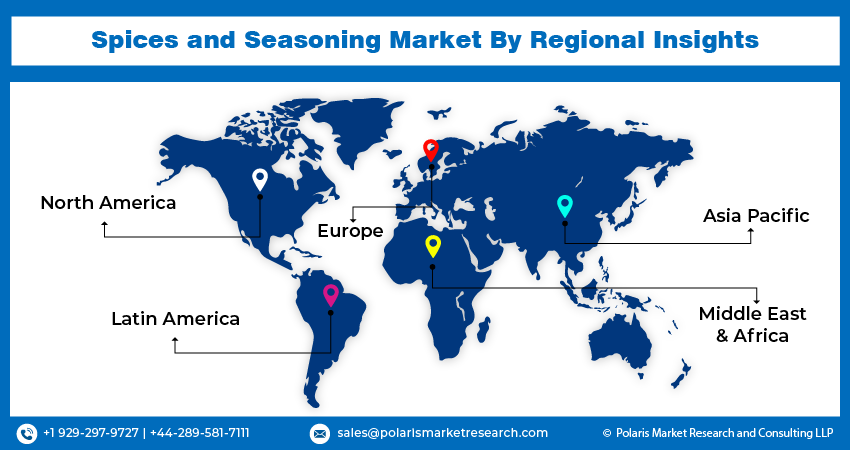
- Asia Pacific dominated the largest global revenue share in 2024. The dominance is attributed to the emergence of numerous domestic spice and herb brands and increased marketing and promotional efforts.
- The North America industry is projected to grow rapidly during the forecast period. The increasing popularity of Indian and Asian cuisines, coupled with a rising inclination toward prepared foods, boosts the industry expansion in the region.
Industry Dynamics
- The emerging trend of veganism and vegetarianism is expected to fuel the demand for spices and seasonings in the coming years.
- The market growth is propelled by a growing willingness among consumers to pay a premium for novel and ethnic flavors.
- The international recognition of local cuisines, driven by their diverse and authentic flavors, is further contributing to the market's expansion.
- The growing demand for organic and blended spices is expected to offer lucrative opportunities during the forecast period.
- Side effects of excess consumption of spices and seasoning hinder the market growth.
Market Statistics
2024 Market Size: USD 18.90 billion
2034 Projected Market Size: USD 34.8 billion
CAGR (2025–2034): 6.50%
Asia Pacific: Largest market in 2024
AI Impact on Lightweight Materials Market
- AI-enabled weather forecasting systems enable farmers to plan spice cultivation cycles more effectively. It minimizes crop loss and enhances yield quality for various sensitive spices such as turmeric, cardamom, and pepper.
- AI-based tools analyze historical data and current and emerging trends. It helps forecast demand for specific spices and seasonings. Using these insights, exporters and retailers can optimize inventory and pricing strategies.
- The combination of AI and blockchain technologies enhances traceability and transparency in the sourcing of spices and seasonings. It is crucial for compliance with international food safety standards, which boosts export competitiveness.
To Understand More About this Research:Request a Free Sample Report
Asian culinary traditions, including Indian, Chinese, Thai, and Vietnamese cuisines, are renowned for their diverse use of spices and herbs, contributing distinct tastes and flavors to dishes. The rising trend of home cooking among U.S. consumers has led to increased sales of spices like pepper and ginger. Initiatives promoting home-cooked meals to alleviate stress have further fueled the growth of the seasoning and spices market.
For instance, In July 2020, Spiceology, Inc. collaborated with Pixlee and Loop Commerce to establish the "Coworkers Connecting Through Cooking" program, offering employers creative and enjoyable ways to rejuvenate and strengthen connections with their teams amid the ongoing COVID-19 pandemic. The initiative focused on fostering virtual camaraderie among employees through at-home cooking experiences, providing access to interactive, live-streamed cooking classes and allowing coworkers to digitally share their culinary endeavors with colleagues.
The program featured Spiceology's distinctive gift set blends available at wholesale prices, complemented by live streaming cooking classes for companies to encourage enjoyable cooking experiences among employees at home. Additionally, corporate support for sustainable spice farming, as exemplified by Nestlé India's initiative in March 2022, is anticipated to enhance the market. Changing consumption trends, urbanization, rising incomes, and a growing interest in diverse culinary experiences are driving global demand for seasonings. Furthermore, the adoption of various spices in local cuisines by consumers in Europe and North America is creating new prospects for manufacturers in the global Spices and Seasoning market.
Industry Dynamics
Growth Drivers
The Growing Trend of Veganism and Vegetarianism is Expected to Positively Impact Market Growth
The worldwide trend toward vegetarianism and veganism is rapidly expanding, marked by a significant surge in the vegan population in the U.S. and the U.K. Traditional spices once exclusive to the meat processing industry are now finding applications in vegetarian alternatives, fueling the demand for spices. The global rise of plant-based diets is prompting companies to introduce new products specifically designed for the vegan and vegetarian consumer base. Notably, Watson's Seasoning Blends, a brand based in Los Angeles, unveiled a range of vegan gourmet spice blends in January 2022, responding to the increasing desire for flavorful plant-based meals. With the growing popularity of plant-based options and a modest decline in meat consumption, spice and herb producers have the chance to develop inventive seasoning combinations. Additionally, the escalating use of spices among the vegan community as meat substitutes has positively impacted the overall growth of the global spices and seasonings market.
Report Segmentation
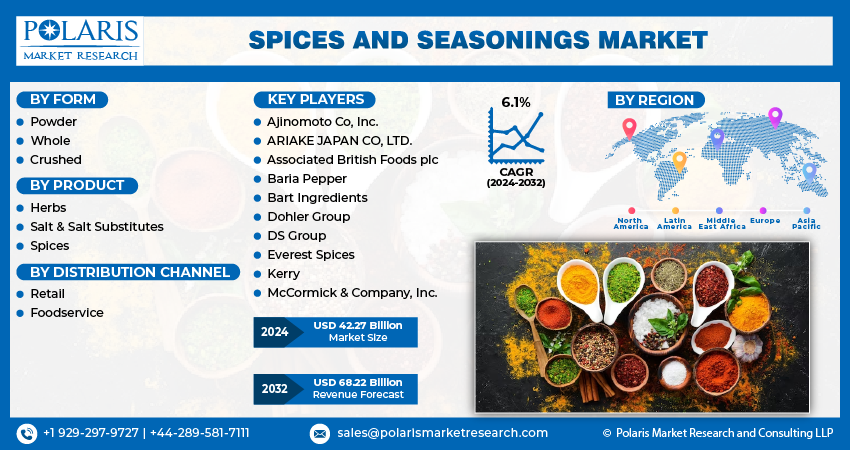
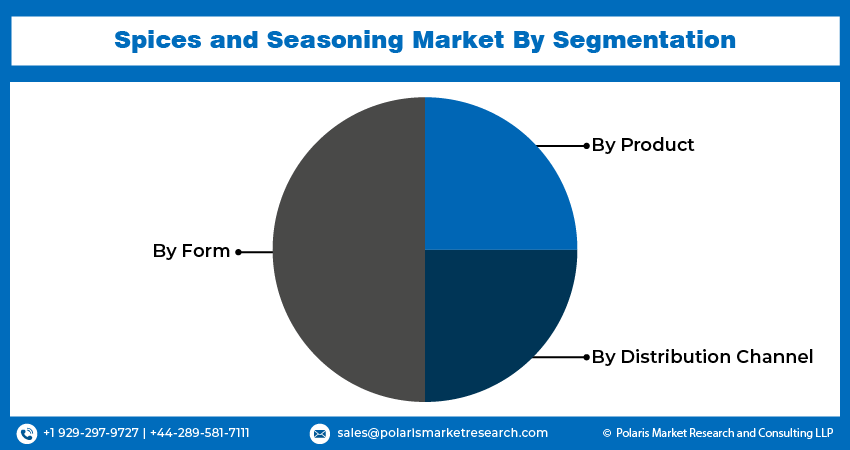
The market is primarily segmented based on form, product, distribution channel, and region.
|
By Form |
By Product |
By Distribution Channel |
By Region |
|
|
|
|
To Understand the Scope of this Report:Speak to Analyst
By Form Analysis
The Powder Segment Held the Largest Revenue Share in 2024
Numerous foodservice establishments are incorporating powdered spices to enhance the flavor, taste, and color of their prepared dishes. In a 2019 survey by Kalsec, a leading global provider of innovative spice and herb flavor extracts, more than half of consumers indicated a preference for hot and spicy food options in their meals. As a result, food processors, restaurants, hotels, cafes, and various others have embraced a diverse selection of powdered spices and seasonings.
The whole seasoning and spices segment is expected to experience rapid growth with a significant CAGR during the forecast period, propelled by the heightened aroma and flavor imparted to meals and dishes through the incorporation of whole spices. This segment finds versatile use in main dishes, dips, sauces, condiments, entrées, and snacks. The inclusion of whole spices, such as rosemary, mint, ginger, clove, and parsley, in spicy desserts and beverages has garnered appeal among consumers, contributing to increased usage within the food service sector.
By Product Analysis
The Spices Segment Accounted for the Highest Market Share During the Forecast Period
The influence of globalization has introduced individuals to diverse global flavors and heightened awareness of the nutritional advantages associated with spices, leading to an increased demand in the international market. The versatile ability of spices to impart various flavors has contributed to their rapid growth in global demand. While turmeric, pepper, and cinnamon stand out as the most widely consumed spices globally, other commonly available options in the market encompass cloves, garlic, cardamom, ginger, chili, vanilla, and cumin seeds.
The herbs segment is poised to experience the most rapid growth throughout the forecast period, driven by the numerous health benefits linked to herbs like garlic, parsley, oregano, fennel, peppermint, and basil. These herbs are gaining popularity globally as consumers appreciate their distinct flavors and exceptional medicinal properties. For example, garlic, known for its robust aroma and unique taste, is not only a culinary favorite but also proves effective in addressing common flu and related ailments. Additionally, garlic is recognized for its beneficial impact on treating hypertension and cardiovascular diseases.
Regional Insights
Asia Pacific Dominated the Largest Market in 2024
The rising usage of seasonings in the region is also linked to the growth in disposable income, the emergence of numerous domestic spice and herb brands, and increased marketing and promotional efforts. Key spice and herb-producing countries like India, Vietnam, China, and Thailand contribute to making the Asia Pacific region a major global exporter. Global market trends and migration have influenced changes in consumer food preferences, presenting new opportunities for foodservice outlets to integrate a diverse range of seasonings into their culinary offerings.
North America is projected to be the swiftest-growing segment during the forecast period. The U.S. market is poised for substantial growth, driven by consumers' openness to experimenting with novel flavors and heightened demand from Asian immigrants in the country who express a keen interest in diverse ethnic tastes. The increasing popularity of Indian and Asian cuisines, coupled with a rising inclination toward prepared foods, stands out as the primary catalysts for the growth of the spices and seasonings market in North America.
Key Market Players & Competitive Insights
The market is characterized by intense competition, with established players relying on advanced technology, high-quality products, and a strong brand image to drive revenue growth. These companies employ various strategies such as research and development, mergers and acquisitions, and technological innovations to expand their product portfolios and maintain a competitive edge in the market.
Some of the major players operating in the global market include:
- Ajinomoto Co, Inc.
- ARIAKE JAPAN CO, LTD.
- Associated British Foods plc
- Baria Pepper
- Bart Ingredients
- Dohler Group
- DS Group
- Everest Spices
- Kerry
- McCormick & Company, Inc.
Recent Developments
- In March 2025, Newman’s Own launched 10 organic seasoning blends featuring bold, versatile flavors. The sustainably sourced line supports environmentally conscious farming and offers kid-friendly options to enhance everyday meals easily.
- In April 2023, The Kraft Heinz Company has revealed the introduction of Just Spices to the U.S. market, marking the move just a year after the company secured a majority stake in the business through acquisition.
- In April 2023, The McCormick brand has revealed an extension of its collaboration with Tabitha Brown, introducing five new salt-free, vegan seasoning products to U.S. grocery stores. These products, co-developed with Tabitha Brown, comprise McCormick Like Sweet Like Smoky All-Purpose Seasoning, McCormick Burger Bliss Seasoning Mix, McCormick Very Good Garlic All-Purpose Seasoning, McCormick Sauté Sensation Seasoning Mix, and McCormick Taco Tantalizer Seasoning Mix.
Spices and Seasoning Market Report Scope
|
Report Attributes |
Details |
|
Market size value in 2025 |
USD 20.1 billion |
|
Revenue forecast in 2034 |
USD 34.8 billion |
|
CAGR |
6.50% from 2025 – 2034 |
|
Base year |
2024 |
|
Historical data |
2020 – 2023 |
|
Forecast period |
2025 – 2034 |
|
Quantitative units |
Revenue in USD billion and CAGR from 2025 to 2034 |
|
Segments Covered |
By Form, By Product, By Distribution Channel, By Region |
|
Regional scope |
North America, Europe, Asia Pacific, Latin America, Middle East & Africa |
|
Customization |
Report customization as per your requirements with respect to countries, region, and segmentation. |
FAQ's
Spices and Seasoning Market report covering key segments are form, product, distribution channel, and region.
Spices and Seasoning Market Size Worth $ 34.8 Billion By 2034.
The global Spices and Seasoning market is expected to grow at a CAGR of 6.50% during the forecast period.
Asia Pacific is leading the global market.
The key driving factors in Spices and Seasoning Market are growing trend of veganism and vegetarianism is expected to positively impact market growth.
Page last updated on:
Jan-2023
Research Methodology
A robust system of research, verification, and forecasting designed to ensure reliable and actionable market insights.
Polaris Market Research uses a clear and structured approach to deliver insights that clients can rely on. The process combines detailed primary and secondary research, including direct communication with industry experts. The detailed information helps build a complete picture of market trends and developments. Secondary data is gathered from credible sources such as industry reports, company filings, government source links, and trusted organization databases. It is then cross-checked through discussions with key stakeholders across the value chain. Market size and forecasts are developed using both bottom-up and top-down methods to ensure accuracy and consistency in the final results.
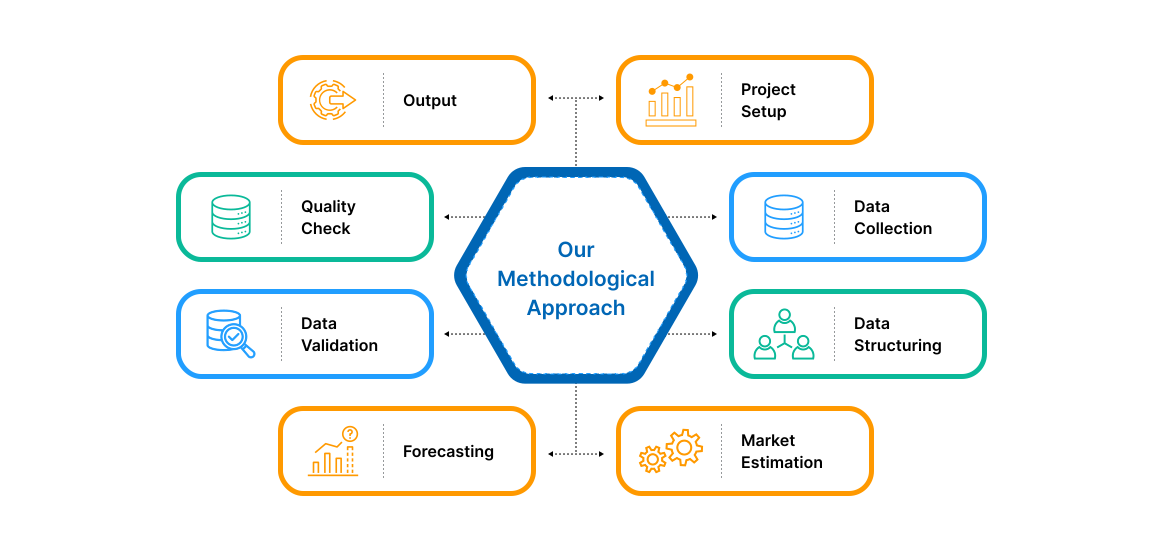
Project Setup
Step 1 & 2:
- We start every project by clearly understanding the client’s objective or goal, then defining the market scope, and aligning regions, segments, and timelines.
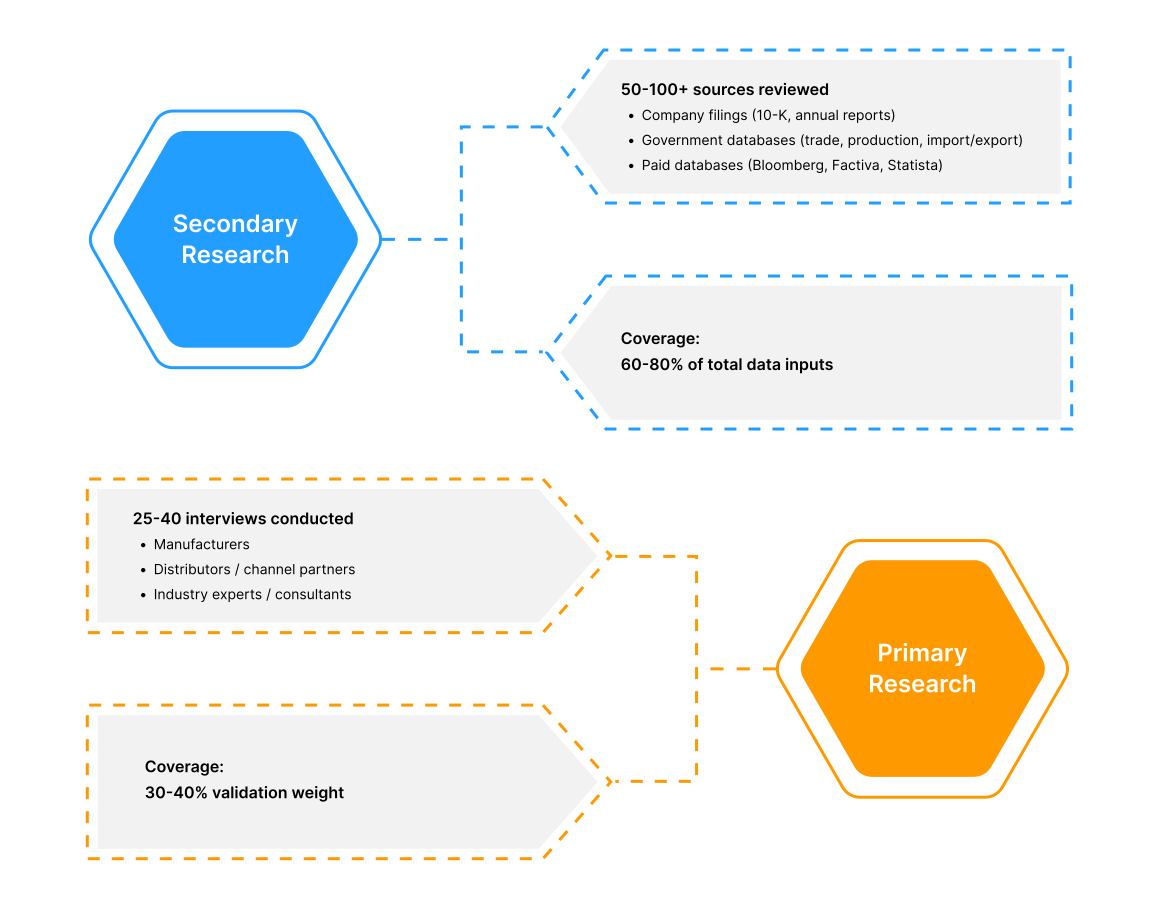
- Once the foundation is set, we collect data from all-around of sources, including company reports, government databases, and paid industry platforms.
- Our research is based on secondary data, which helps us build a strong understanding of the market across regions and industries. Then we validate this information through primary research by speaking directly with industry experts, companies, and stakeholders.
- By combining secondary and primary research, we ensure that our market insights are accurate, practical, and closely aligned with real market conditions.
Data Collection
We gather information from both public and verified sources:
Data Structuring
Step 3:
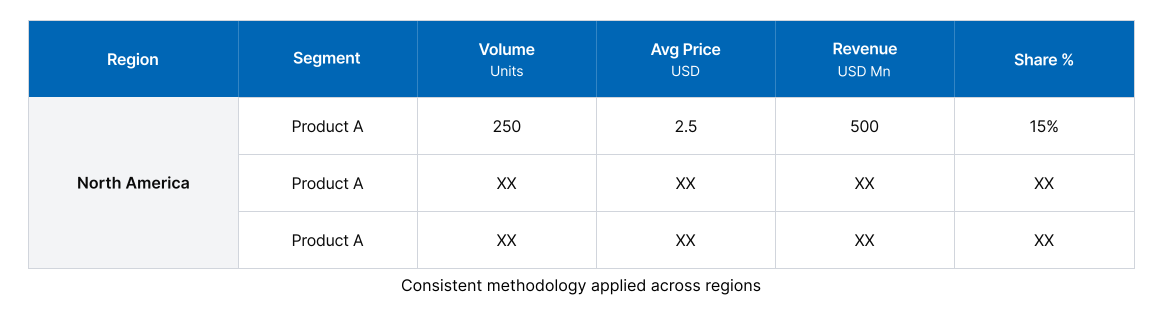
- All collected data is organized into a consistent format to ensure accurate analysis. Since inputs come from multiple sources, they are standardized and aligned before use.
- The data is segmented by product, application, and region, and mapped across a defined historical period (2020–2024). All values are converted into common units (USD Mn/Bn), and volume and pricing are aligned where required to estimate revenue.
- Any overlaps or inconsistencies are reviewed and adjusted to maintain accuracy (<5% variance threshold).
- The result is a structured dataset that allows for clear comparison across regions and supports reliable analysis and forecasting.
Structured Market Dataset, USD Mn/Bn
4. Data Structuring
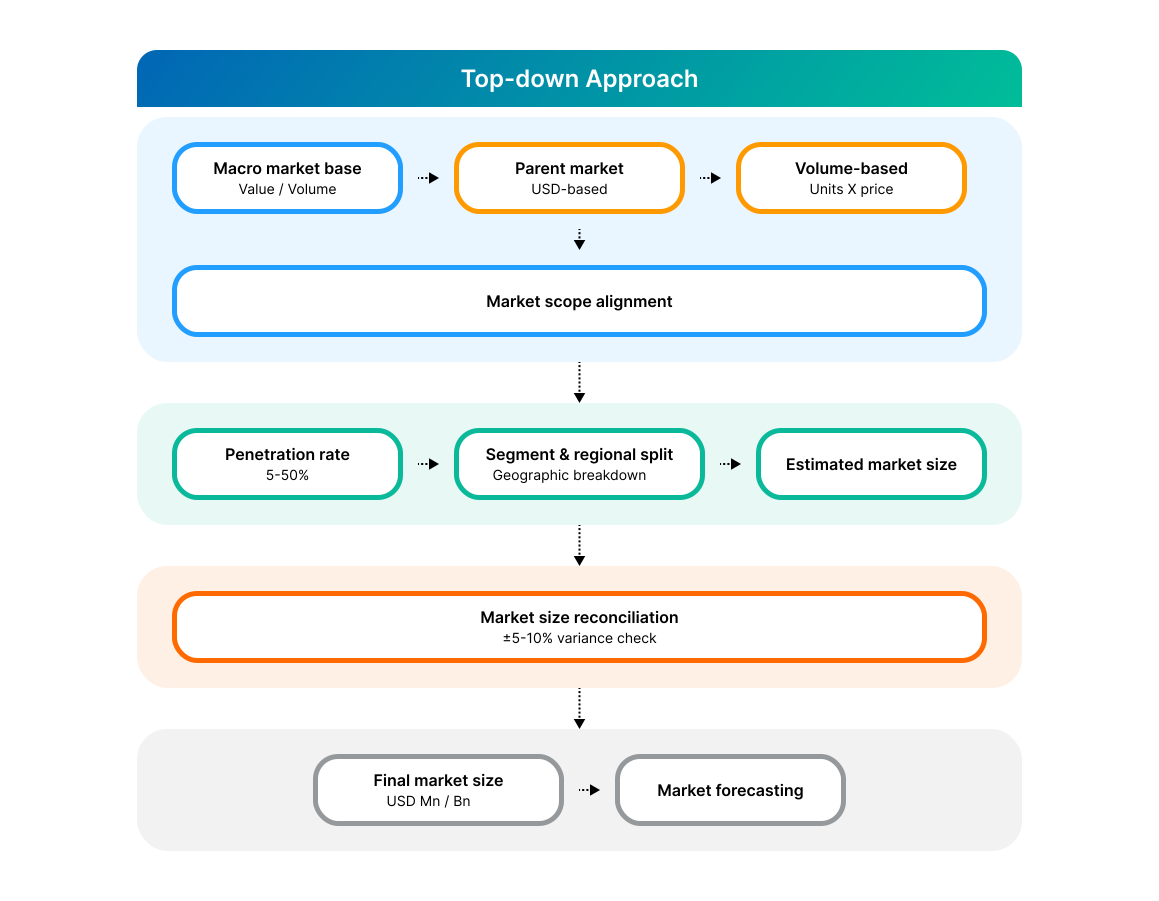
Step 4: TOP-DOWN APPROACH
- We start with the overall market size at a global or macro level.
- The market is then narrowed down based on scope and industry relevance.
- We apply penetration rates and split the data by region and segment.
- This helps us estimate the market size for specific segments.
- The numbers are validated through cross-checks to ensure accuracy.
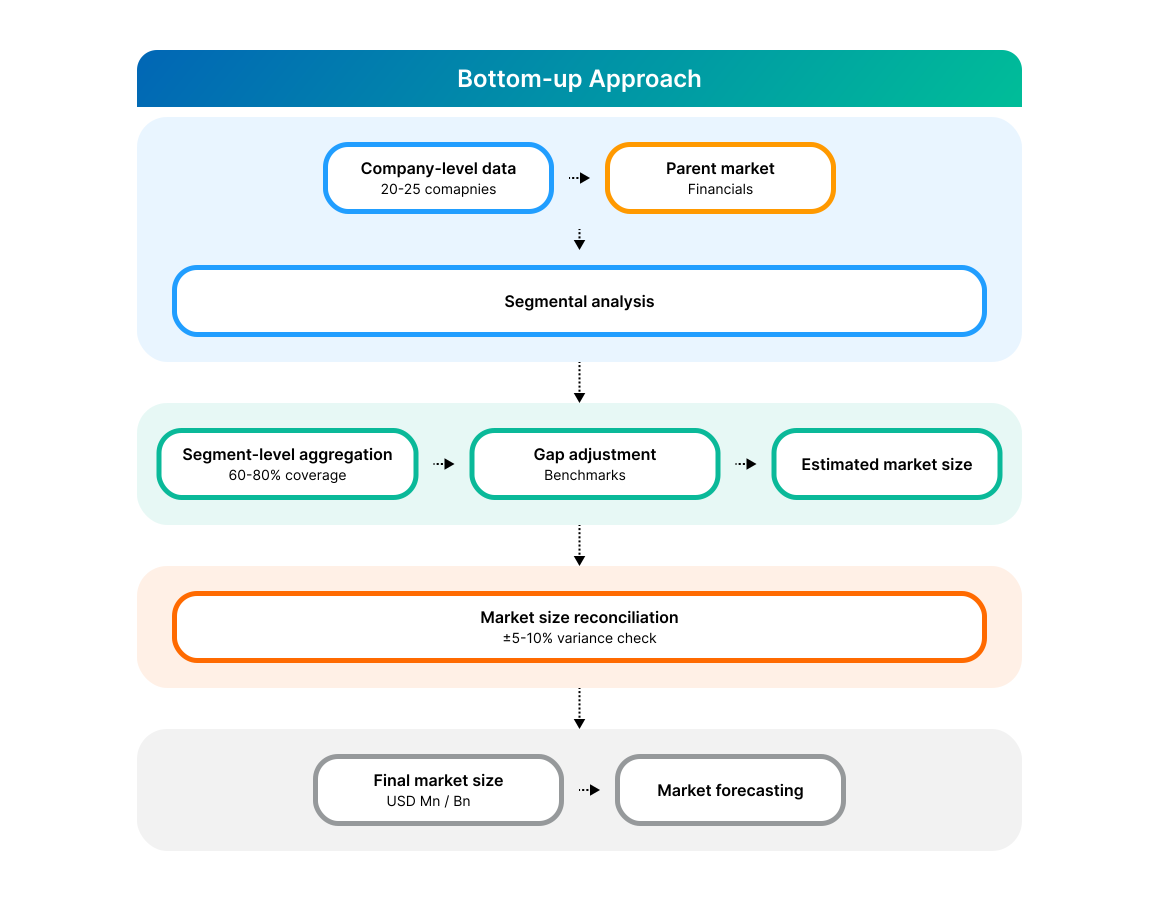
Step 5: BOTTOM-UP APPROACH
- We begin by analyzing data from leading companies in the market.
- Revenue data is collected and mapped across different segments.
- The data is then aggregated to estimate the total market size.
- To fill in any gaps, adjustments are made based on industry standards.
- Validation checks make sure that the results are correct.
5. Data Structuring
Step 6:
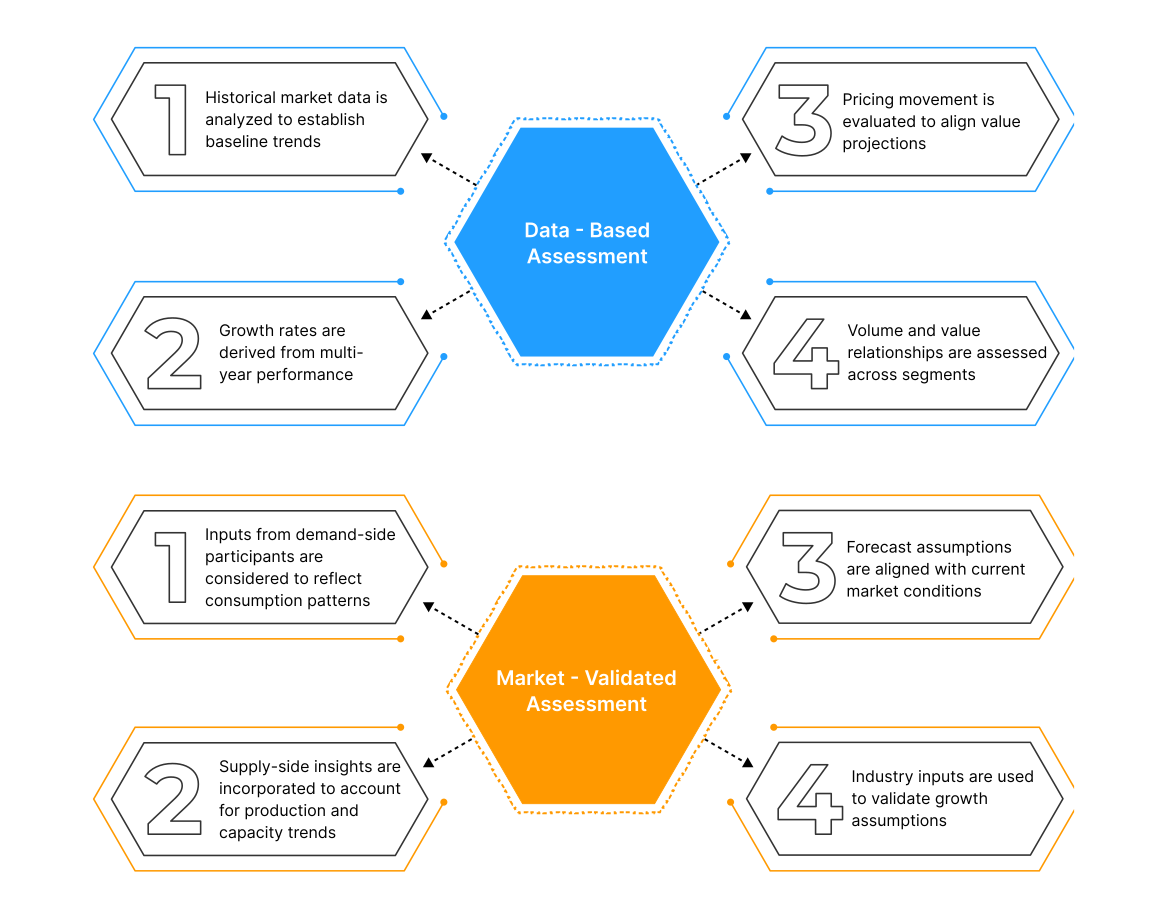
At Polaris Market Research, we employ a methodical forecasting strategy. This approach blends the analysis of historical data with real-time market validation. To forecast future trends with precision, we examine past patterns, pricing fluctuations, and the interplay of supply and demand. To ensure our conclusions reflect the present market landscape, we actively seek input from industry experts and key stakeholders.
To refine our predictions, we carefully consider critical elements such as market drivers and restraints, fluctuations in raw material costs, emerging technologies, and the production capabilities of various regions. Furthermore, we assess regulatory frameworks and potential policy shifts to gauge their potential impact on market expansion.
All this information is synthesized to generate precise forecasts for each segment and region. These forecasts illuminate the current state of the market and highlight forthcoming opportunities.
6. Data Structuring
Step 7:
In the final stage, we validate all our estimates using a triangulation method, where data is cross-checked from multiple reliable sources, like company data, primary interviews, and secondary research. This helps us make sure that our numbers are correct and fit with the rest of the market.
This process involves verifying data consistency across various segments and geographic areas. It also requires comparing historical trends with the assumptions support the forecast. Any discrepancies involve adjustments to ensure everything remains aligned and dependable.
Once the data is finalized, we prepare the final outputs, including market size estimates, segment-wise breakdowns, and growth metrics. These are delivered in structured formats such as tables, charts, and data files for easy analysis and use.
We collaborate closely with clients, ensuring the final products align with their requirements. This includes offering tailored adjustments, supplementary data analyses, and continuous assistance. Furthermore, we monitor market trends post-delivery, providing updates and refinements to maintain the insights' relevance as time passes.
Post-delivery, we continue to monitor market shifts, offering updates and adjustments to ensure the insights remain relevant over time.
Validation
Triangulation Framework
- Company-level data
- Primary inputs from industry participants
- Secondary benchmarks and published data
- Variance maintained within ±5-10%
- Adjustments applied to align estimates
- Segment values validated against overall market structure
Quality Check
Data Consistency & Integrity
- Segment totals validated to 100%
- Regional estimates aligned with global market size
- Historical trends compared against forecast outputs
- Assumptions reviewed for cross-segment and regional alignment
Output & Delivery
Final Outputs
- Market size estimates (USD Mn/Bn)
- Segment-wise distribution (%)
- Growth metrics (CAGR %)
- Structured tables and charts
- Segment-level datasets
- Excel-based data files for further analysis
Client Alignment & Support
- Deliverables are aligned with defined client requirements and scope
- Custom data cuts and segment splits are incorporated as required
- Post-delivery queries are addressed through analyst interactions
- Additional clarifications and data support are provided upon request
Client Continuity & Updates
- Market developments are tracked post-delivery to capture changes in key trends
- Updated data and revisions are provided based on new market inputs
- Additional refinements and data cuts are shared as required
- Continued analyst engagement supports evolving client requirements


