

What is the Current Market Size?
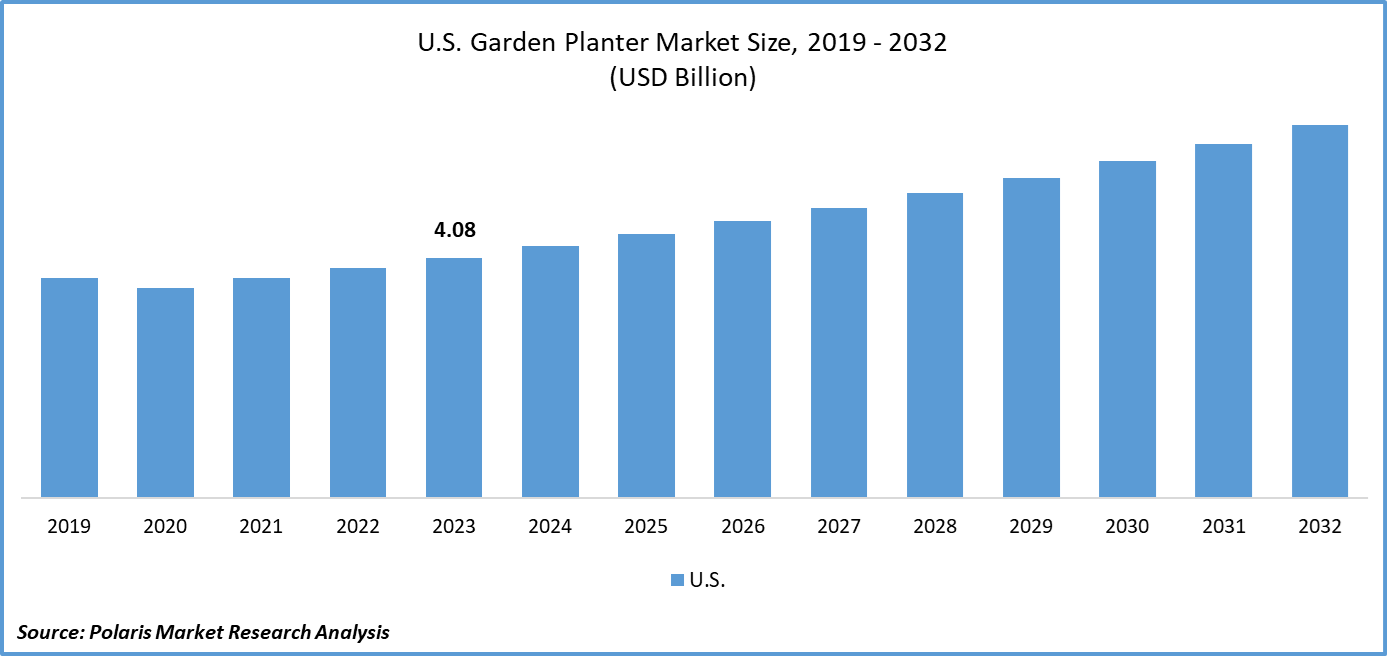
U.S. garden planter market size was valued at USD 4.53 billion in 2025. The market is anticipated to grow from USD 4.78 billion in 2026 to USD 7.45 by 2034, exhibiting the CAGR of 5.70% during the forecast period.
Market Statistics
- 2025 Market Size: USD 4.53 billion
- 2034 Projected Market Size: USD 7.45 billion
- CAGR (2026-2034): 5.70%
Market Overview
The rise in the establishment of eco-friendly cities in the U.S. is fueling the need for outdoor planters. With a growing emphasis on sustainability, environmental awareness, and the inclusion of green spaces in urban planning, garden planters play a vital role in promoting urban gardening and landscaping. As an example, the United States Environmental Protection Agency has launched the 'Greening America's Communities' program. This initiative aids cities and towns in developing and implementing realistic visions for environmentally friendly neighborhoods, incorporating innovative green infrastructure, and employing other sustainable design strategies.
Regulations within the garden planter market have the potential to shape product design and material choices, ensuring adherence to safety standards and environmental sustainability. Compliance with these regulations is driving the creation of eco-friendly planters while restricting the use of certain materials. Stringent guidelines pertaining to labeling and market practices not only foster market growth but also encourage increased consumer adoption. Consequently, regulations play a pivotal role in laying the groundwork for the expansion of the market.
To Understand More About this Research: Request a Free Sample Report
Growth Factors
-
The surge in commercial construction is likely to boost the demand in the garden planters market
In the U.S., commercial construction is increasing, which is likely to foster the demand for garden planters aligning with contemporary landscaping and architectural inclinations. Garden planters provide practical solutions for introducing green elements into diverse commercial settings such as offices, restaurants, cafes, hotels, and retail spaces. This strategy is designed to craft inviting and aesthetically pleasing environments. Outdoor planters play a crucial role in these places by defining boundaries, ensuring privacy, and adding to a delightful ambiance. The integration of greenery elevates the overall experience for both visitors and occupants, turning outdoor areas into more welcoming and comfortable settings.
-
Ecofriendly practices of sustainable garden planters contributing to the market growth
The shift towards sustainable and environmentally friendly living is impacting the acceptance of sustainable garden planters, potentially contributing to market growth in the U.S. Consumers are actively seeking outdoor planters crafted from eco-friendly materials or designed with features promoting water conservation and efficient drainage. This emphasis on green practices is evident in both commercial and residential settings, where the presence of greenery enhances the overall environmental image. The demand for sustainability catalyzes innovation in planter materials and design, aligning with the wider societal emphasis on eco-friendly solutions.
Restraining Factors
-
Substitute products act as a barrier to market growth
While the market has a restricted number of direct substitutes, alternatives like do-it-yourself (DIY) options such as repurposed containers, hanging pots, & elevated garden beds can serve as viable substitutes. Additionally, some consumers choose alternative felt planters. The presence of such substitutes provides consumers with a range of options, allowing them to make choices based on their individual preferences, gardening requirements, & space limitations.
U.S. Manufacturer Sustainability & Material Innovation Announcements
|
Manufacturer |
Announcement |
Innovation Details |
|
East Jordan Plastics |
STADIUM Pots Launch |
Space-saving pots from nearly 100% recycled horticultural plastic via closed-loop process; recycles 20M lbs/year, reduces shipping emissions |
|
East Jordan Plastics |
SHUTTLE STADIUM Pots |
Fully recycled HDPE/PP/PS containers; energy-efficient recycling at MI/GA facilities, up to 100% PCR content. |
|
Proven Winners |
Eco+ Containers Release |
100% plastic-free, industrial compostable PLA from corn/sugar beet; available in Grande/Elite sizes for annuals/perennials |
|
Proven Winners |
Eco+ Sustainability Award |
Plant-powered containers recognized as 2023 Product of the Year; reduces single-use plastic reliance |
|
USDA NIFA (via grantees) |
Lignin-Polymer Containers Research |
Biodegradable horticultural planters from lignin bioplastics; tests durability, plant health; addresses 5B+ plastic pots/year |
Report Segmentation
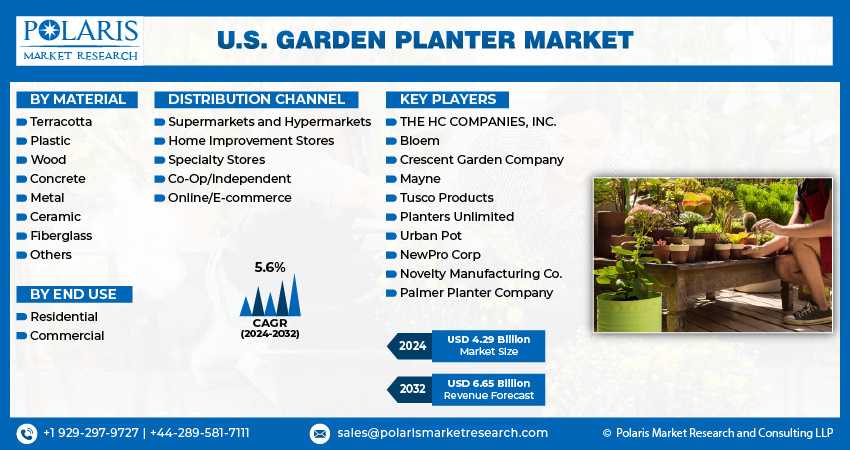
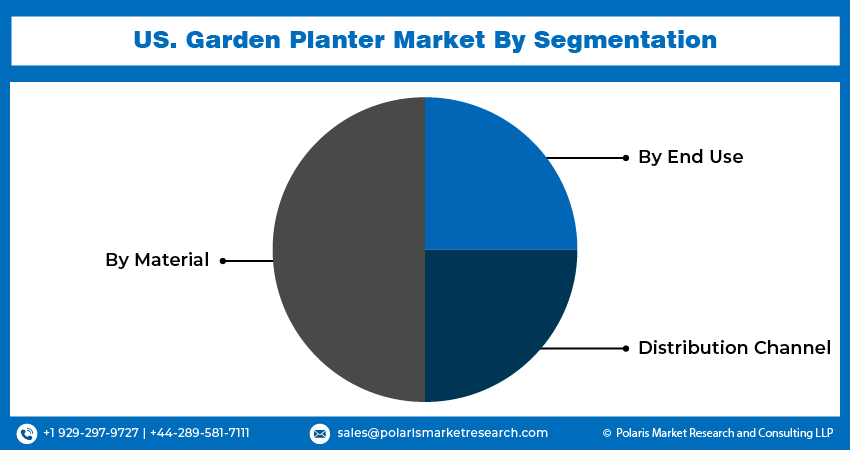
The market is primarily segmented based on material, end use, distribution channel, and region.
|
By Material |
By End Use |
Distribution Channel |
|
|
|
To Understand the Scope of this Report: Speak to Analyst
By Material Insights
The plastic segment accounted for the largest market share in 2025
The plastic segment held the largest market share in 2025. This is attributed to the durability factor, which significantly contributes to the major market share of plastic garden planters in the U.S. It exhibits a robust resistance to cracking and chipping, ensuring an extended lifespan when compared to certain alternative materials. This wide range provides consumers with the flexibility to select planters that match their aesthetic preferences, though they still benefit from the inherent durability of plastic.
The fiberglass segment is expected to witness a lucrative growth rate. The increasing popularity of fiberglass garden planters is linked to current design trends in landscaping and outdoor decoration. The sleek and streamlined look of fiberglass matches modern design aesthetics, establishing it as a preferred option for both residential and commercial purposes, aiming to improve the aesthetic appeal of their outdoor areas. Furthermore, the range of finishes, including glossy and matte options, increases their adaptability to several design styles in the U.S.
By End-Use Insights
The residential segment is expected to witness significant growth in the coming years
The residential segment is expected to register the highest CAGR during the forecast timeframe. The growing market trend of consumers dedicating more time to their home gardens plays a significant role in the widespread adoption of visually appealing garden planters in residential settings. Consumers are inclined towards enhancing their outdoor spaces, including balconies, yards, and patios, transforming them into functional and inviting areas. Additionally, the surge in home improvement projects across the U.S. is encouraging homeowners to undertake lawn and garden remodeling, contributing to the anticipated growth of this segment.
The commercial segment held the largest market share. The increasing awareness of the positive effects of green spaces on staff well-being and the workplace atmosphere in the U.S. primarily propels it. For instance, a 2021 Gallup poll in the U.S. indicated that office plants have been shown to improve concentration levels and decrease stress. Plants have proven to decrease attention spans and physiological stress, contributing to overall well-being. As a result, businesses are increasingly investing in integrating greenery in both outdoor and indoor areas, strategically employing planters to craft appealing environments.
Regional Insights
The expansion of the garden planter market in the U.S. is attributed to changes in lifestyle trends, changing consumer preferences, and a rising interest in gardening. Additionally, the increasing inclination towards outdoor leisure and the desire to establish functional and visually appealing garden spaces have fueled heightened consumer interest in planters that elevate the overall ambiance of home gardens. This shift in consumer behavior aligns with the market's growth trajectory as individuals increasingly favor products that enhance and contribute to a more fulfilling outdoor experience. The convergence of these factors signifies a broader trend towards creating enjoyable and aesthetically pleasing outdoor environments, driving the demand for garden planters.
Key Market Players & Competitive Insights
The U.S. Garden planter market is marked by a notable level of innovation driven by rapid technological advancements. Innovations within this market encompass smart planters equipped with integrated sensors to monitor soil moisture, light levels, and nutritional levels. Furthermore, there is a burgeoning trend of innovation in self-watering planters. These planters feature containers that retain water through the wicking systems.
Some of the major players operating in the global market include:
- THE HC COMPANIES, INC.
- Bloem
- Crescent Garden Company
- Mayne
- Tusco Products
- Planters Unlimited
- Urban Pot
- NewPro Corp
- Novelty Manufacturing Co.
- Palmer Planter Company
Recent Developments in the Industry
-
In June 2024, Crescent Garden Company partnered with Suntory Flowers to host the Spring Design Challenge, inviting designers to create floral arrangements using Senetti flowers and TruDrop Flex self-watering planters. The campaign leveraged social media engagement, with the winning design selected through an Instagram poll.
- In July 2023, Crescent Garden Company joined forces with UBQ Materials to launch a novel series of planters known as Crescent Too O+, featuring UBQ. Crescent Garden is at the forefront of transforming sustainability in both home and garden settings.
- In July 2021, The HC Companies expanded its lineup of sustainable products by unveiling an innovative bio-based resin material. The introduction of HC's BioPax growing containers signifies a technological advancement within the industry and is in line with the company's commitment to environmental initiatives.
- In March 2021, The Forest Stewardship Council officially acknowledged The HC Companies for their array of fiber-growing & protective packaging solutions. Products have received the designation of "FSC Recycled 100%." This recognition underscores HC's continual commitment to delivering progressively sustainable offerings to the market.
Report Coverage
The U.S. Garden planter market report emphasizes on key regions across the globe to provide better understanding of the product to the users. Also, the report provides market insights into recent developments, trends and analyzes the technologies that are gaining traction around the globe. Furthermore, the report covers in-depth qualitative analysis pertaining to various paradigm shifts associated with the transformation of these solutions.
The report provides detailed analysis of the market while focusing on various key aspects such as competitive analysis, material, end use, distribution channel, and market future opportunities.
U.S. Garden Planter Market Report Scope
|
Report Attributes |
Details |
|
Market size value in 2025 |
USD 4.53 billion |
|
Market size value in 2026 |
USD 4.78 billion |
|
Revenue forecast in 2034 |
USD 7.45 billion |
|
CAGR |
5.70% from 2026 – 2034 |
|
Base year |
2025 |
|
Historical data |
2021 – 2024 |
|
Forecast period |
2026 – 2034 |
|
Quantitative units |
Revenue in USD million and CAGR from 2026 to 2034 |
|
Segments covered |
|
|
Competitive Landscape |
|
|
Report Format |
|
|
Customization |
Report customization as per your requirements with respect to countries, region and segmentation. |
Explore the 2025 market share, size, and revenue growth rate statistics in the field of U.S. Garden Planter Market, meticulously compiled by Polaris Market Research Industry Reports. This comprehensive analysis encompasses a market forecast outlook extending to 2034, along with an insightful historical overview. Experience the depth of this industry analysis by obtaining a complimentary PDF download of the sample report.
Browse Our Bestselling Reports:
Plastic Processing Machinery Market Size, Share Research Report
Sex Reassignment Surgery Market Size, Share Research Report
Information Technology Service Management Market Size, Share Research Report
FAQ's
The U.S. Garden Planter Market report covering key segments are material, end use, distribution channel
U.S. Garden Planter Market Size Worth USD 7.45 Billion By 2034.
U.S. garden planter market exhibiting the CAGR of 5.70% during the forecast period.
key driving factors in U.S. Garden Planter Market are The surge in commercial construction is likely to boost the demand in the market
Page last updated on:
Jan-2024
Research Methodology
A robust system of research, verification, and forecasting designed to ensure reliable and actionable market insights.
Polaris Market Research uses a clear and structured approach to deliver insights that clients can rely on. The process combines detailed primary and secondary research, including direct communication with industry experts. The detailed information helps build a complete picture of market trends and developments. Secondary data is gathered from credible sources such as industry reports, company filings, government source links, and trusted organization databases. It is then cross-checked through discussions with key stakeholders across the value chain. Market size and forecasts are developed using both bottom-up and top-down methods to ensure accuracy and consistency in the final results.
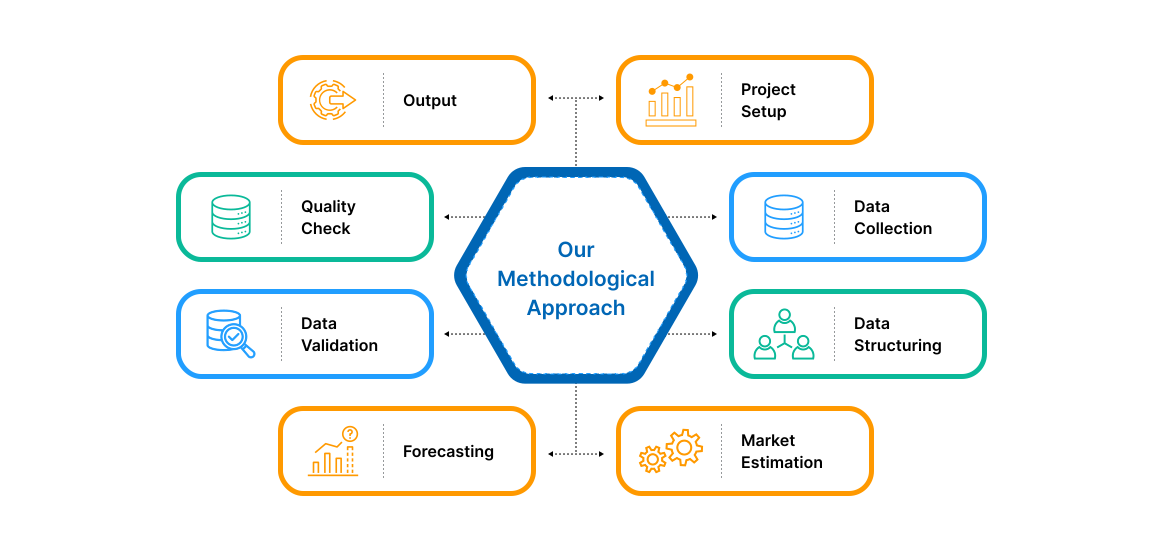
Project Setup
Step 1 & 2:
- We start every project by clearly understanding the client’s objective or goal, then defining the market scope, and aligning regions, segments, and timelines.
- Once the foundation is set, we collect data from all-around of sources, including company reports, government databases, and paid industry platforms.
- Our research is based on secondary data, which helps us build a strong understanding of the market across regions and industries. Then we validate this information through primary research by speaking directly with industry experts, companies, and stakeholders.
- By combining secondary and primary research, we ensure that our market insights are accurate, practical, and closely aligned with real market conditions.
Data Collection
We gather information from both public and verified sources:
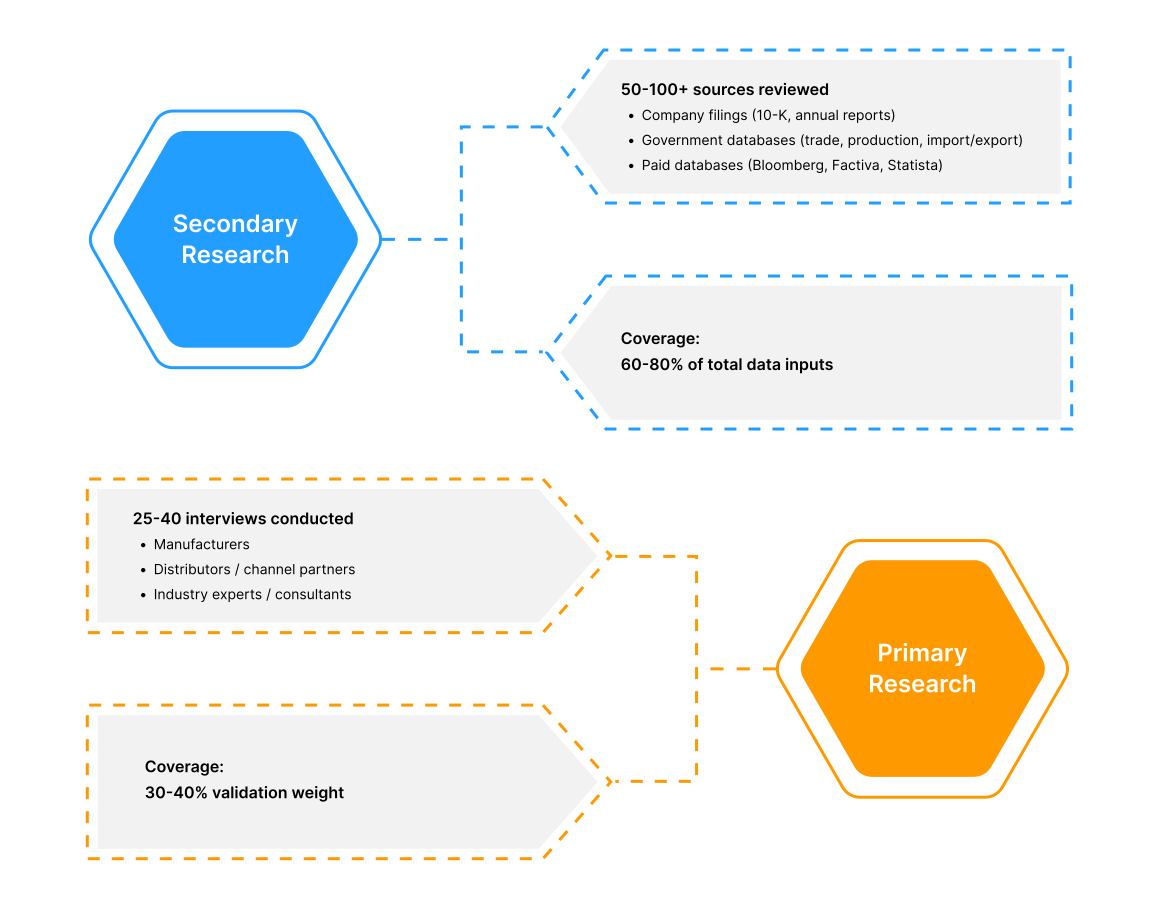
Data Structuring
Step 3:
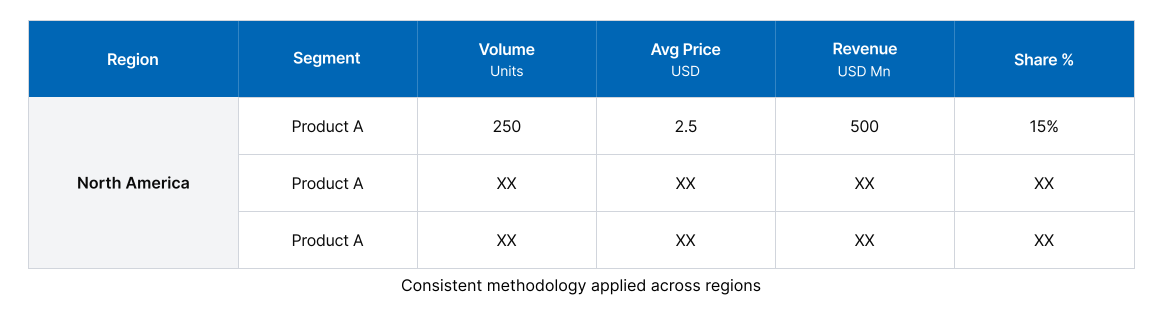
- All collected data is organized into a consistent format to ensure accurate analysis. Since inputs come from multiple sources, they are standardized and aligned before use.
- The data is segmented by product, application, and region, and mapped across a defined historical period (2020–2024). All values are converted into common units (USD Mn/Bn), and volume and pricing are aligned where required to estimate revenue.
- Any overlaps or inconsistencies are reviewed and adjusted to maintain accuracy (<5% variance threshold).
- The result is a structured dataset that allows for clear comparison across regions and supports reliable analysis and forecasting.
Structured Market Dataset, USD Mn/Bn
4. Data Structuring
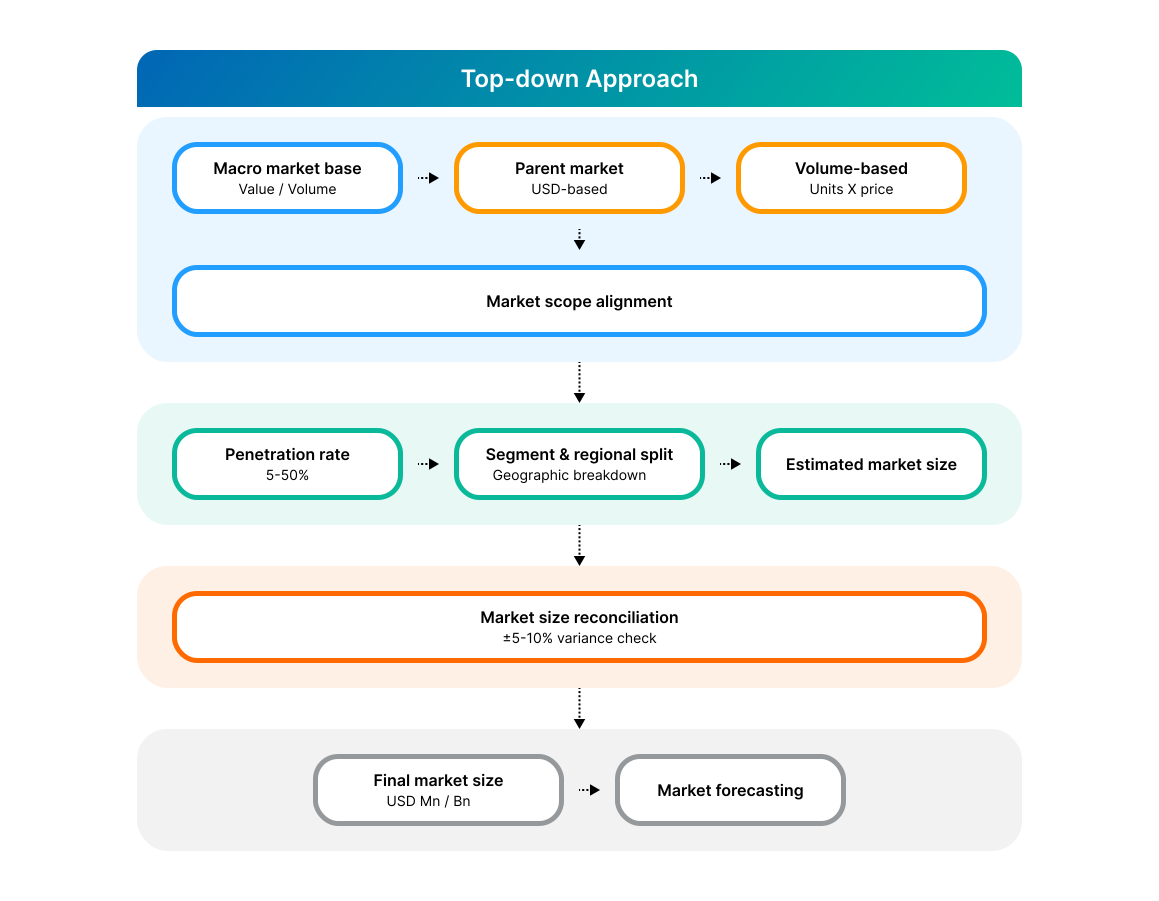
Step 4: TOP-DOWN APPROACH
- We start with the overall market size at a global or macro level.
- The market is then narrowed down based on scope and industry relevance.
- We apply penetration rates and split the data by region and segment.
- This helps us estimate the market size for specific segments.
- The numbers are validated through cross-checks to ensure accuracy.
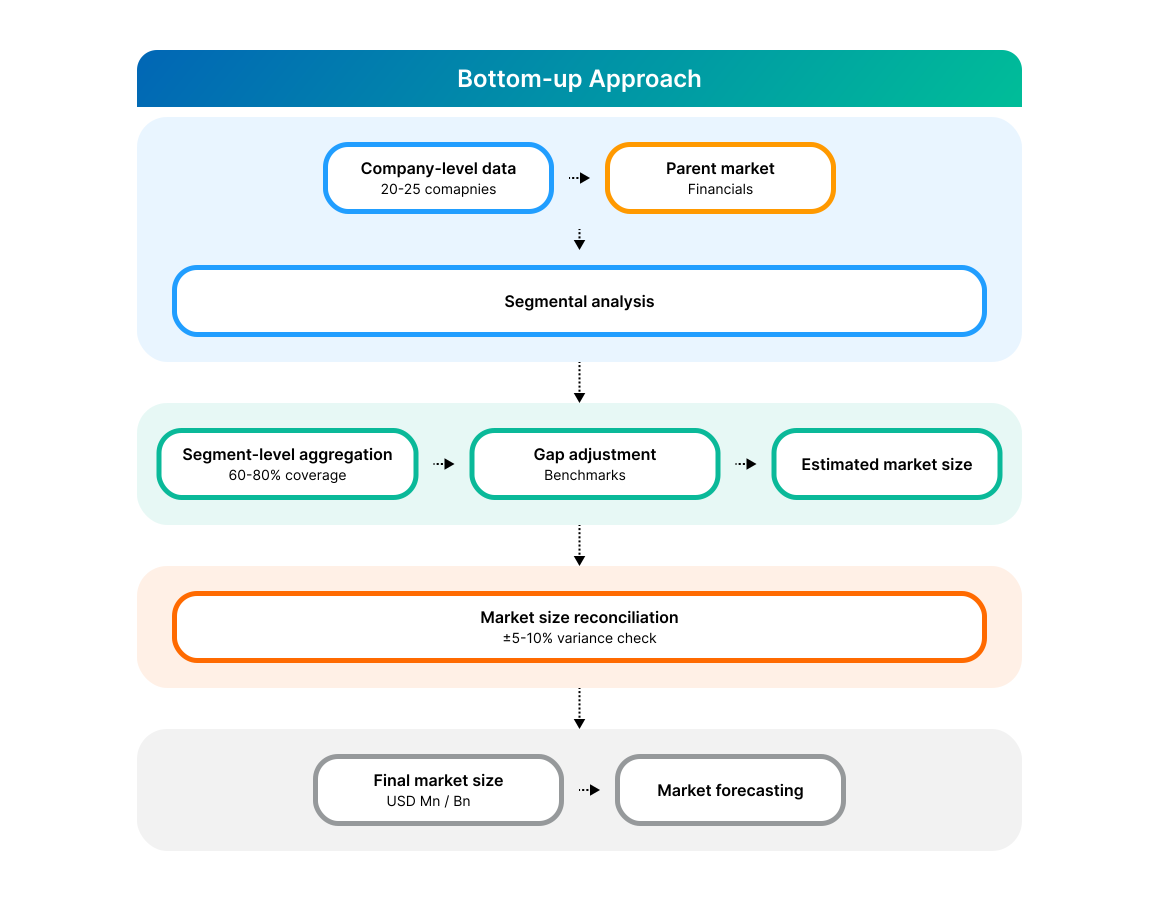
Step 5: BOTTOM-UP APPROACH
- We begin by analyzing data from leading companies in the market.
- Revenue data is collected and mapped across different segments.
- The data is then aggregated to estimate the total market size.
- To fill in any gaps, adjustments are made based on industry standards.
- Validation checks make sure that the results are correct.
5. Data Structuring
Step 6:
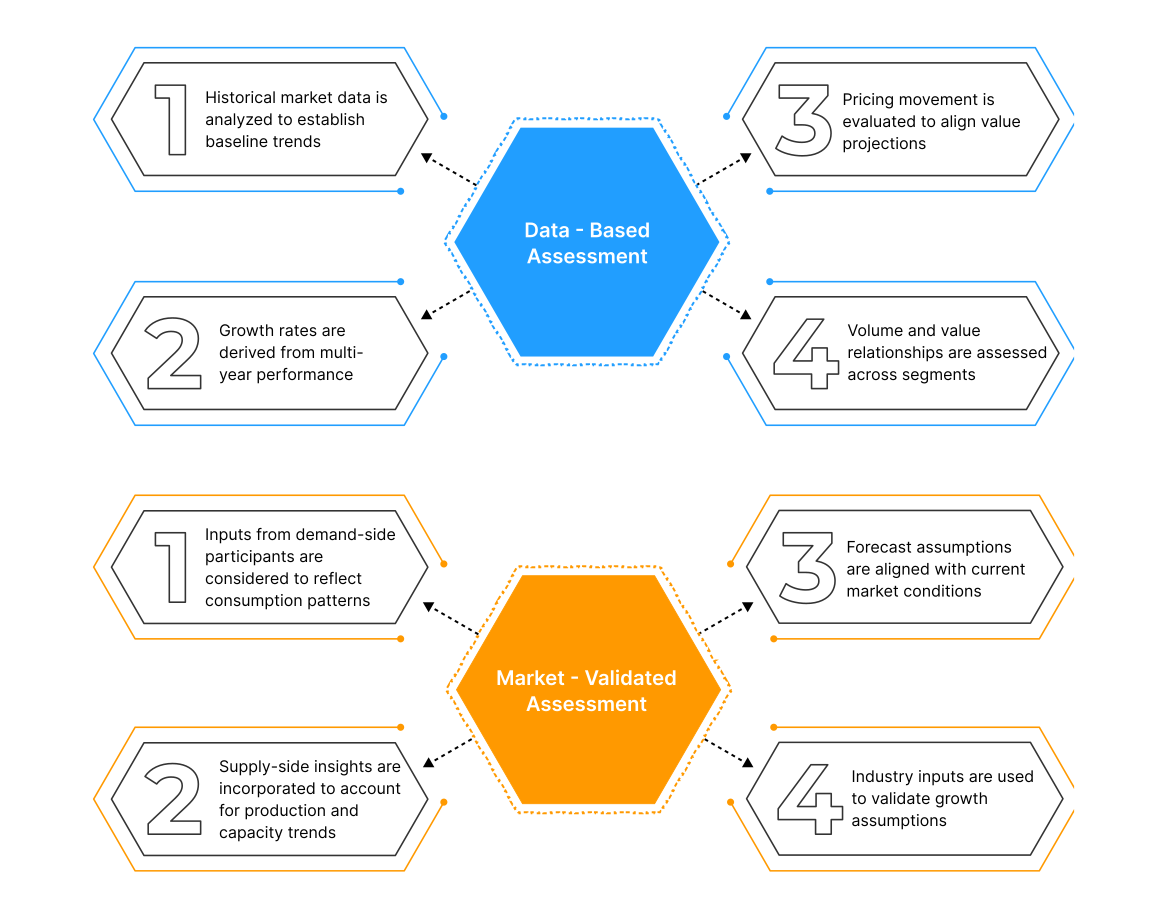
At Polaris Market Research, we employ a methodical forecasting strategy. This approach blends the analysis of historical data with real-time market validation. To forecast future trends with precision, we examine past patterns, pricing fluctuations, and the interplay of supply and demand. To ensure our conclusions reflect the present market landscape, we actively seek input from industry experts and key stakeholders.
To refine our predictions, we carefully consider critical elements such as market drivers and restraints, fluctuations in raw material costs, emerging technologies, and the production capabilities of various regions. Furthermore, we assess regulatory frameworks and potential policy shifts to gauge their potential impact on market expansion.
All this information is synthesized to generate precise forecasts for each segment and region. These forecasts illuminate the current state of the market and highlight forthcoming opportunities.
6. Data Structuring
Step 7:
In the final stage, we validate all our estimates using a triangulation method, where data is cross-checked from multiple reliable sources, like company data, primary interviews, and secondary research. This helps us make sure that our numbers are correct and fit with the rest of the market.
This process involves verifying data consistency across various segments and geographic areas. It also requires comparing historical trends with the assumptions support the forecast. Any discrepancies involve adjustments to ensure everything remains aligned and dependable.
Once the data is finalized, we prepare the final outputs, including market size estimates, segment-wise breakdowns, and growth metrics. These are delivered in structured formats such as tables, charts, and data files for easy analysis and use.
We collaborate closely with clients, ensuring the final products align with their requirements. This includes offering tailored adjustments, supplementary data analyses, and continuous assistance. Furthermore, we monitor market trends post-delivery, providing updates and refinements to maintain the insights' relevance as time passes.
Post-delivery, we continue to monitor market shifts, offering updates and adjustments to ensure the insights remain relevant over time.
Validation
Triangulation Framework
- Company-level data
- Primary inputs from industry participants
- Secondary benchmarks and published data
- Variance maintained within ±5-10%
- Adjustments applied to align estimates
- Segment values validated against overall market structure
Quality Check
Data Consistency & Integrity
- Segment totals validated to 100%
- Regional estimates aligned with global market size
- Historical trends compared against forecast outputs
- Assumptions reviewed for cross-segment and regional alignment
Output & Delivery
Final Outputs
- Market size estimates (USD Mn/Bn)
- Segment-wise distribution (%)
- Growth metrics (CAGR %)
- Structured tables and charts
- Segment-level datasets
- Excel-based data files for further analysis
Client Alignment & Support
- Deliverables are aligned with defined client requirements and scope
- Custom data cuts and segment splits are incorporated as required
- Post-delivery queries are addressed through analyst interactions
- Additional clarifications and data support are provided upon request
Client Continuity & Updates
- Market developments are tracked post-delivery to capture changes in key trends
- Updated data and revisions are provided based on new market inputs
- Additional refinements and data cuts are shared as required
- Continued analyst engagement supports evolving client requirements


